PSHE
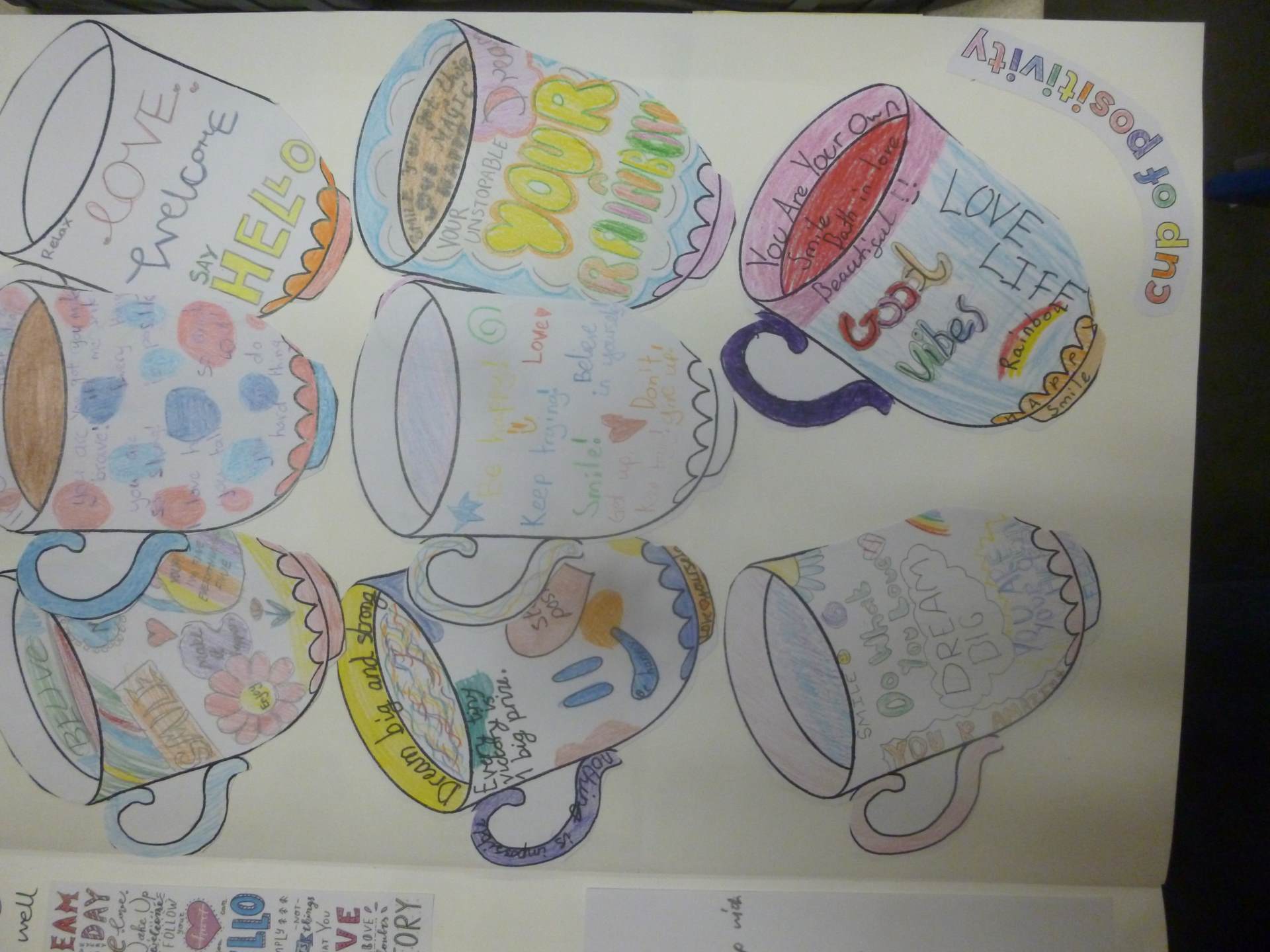
At Goodrich Primary School, we strive to deliver a diverse PSHE curriculum to ensure we develop confident, progressive and ambitious members of our community. Through our creative PSHE curriculum, we offer carefully planned and resourced lessons whereby the children will develop knowledge, skills and attributes which are integral in protecting and enhancing their wellbeing.
OUR PSHE CURRICULUM
By delivering high quality lessons, we promote progression across the core PSHE themes: Health & Wellbeing, Living in the Wider World and Relationships. By equipping our children with a range of relevant and meaningful skills, they will develop into self-aware and respectful individuals who have a strong understanding of the world around them.
Core Theme 1: Health and Wellbeing
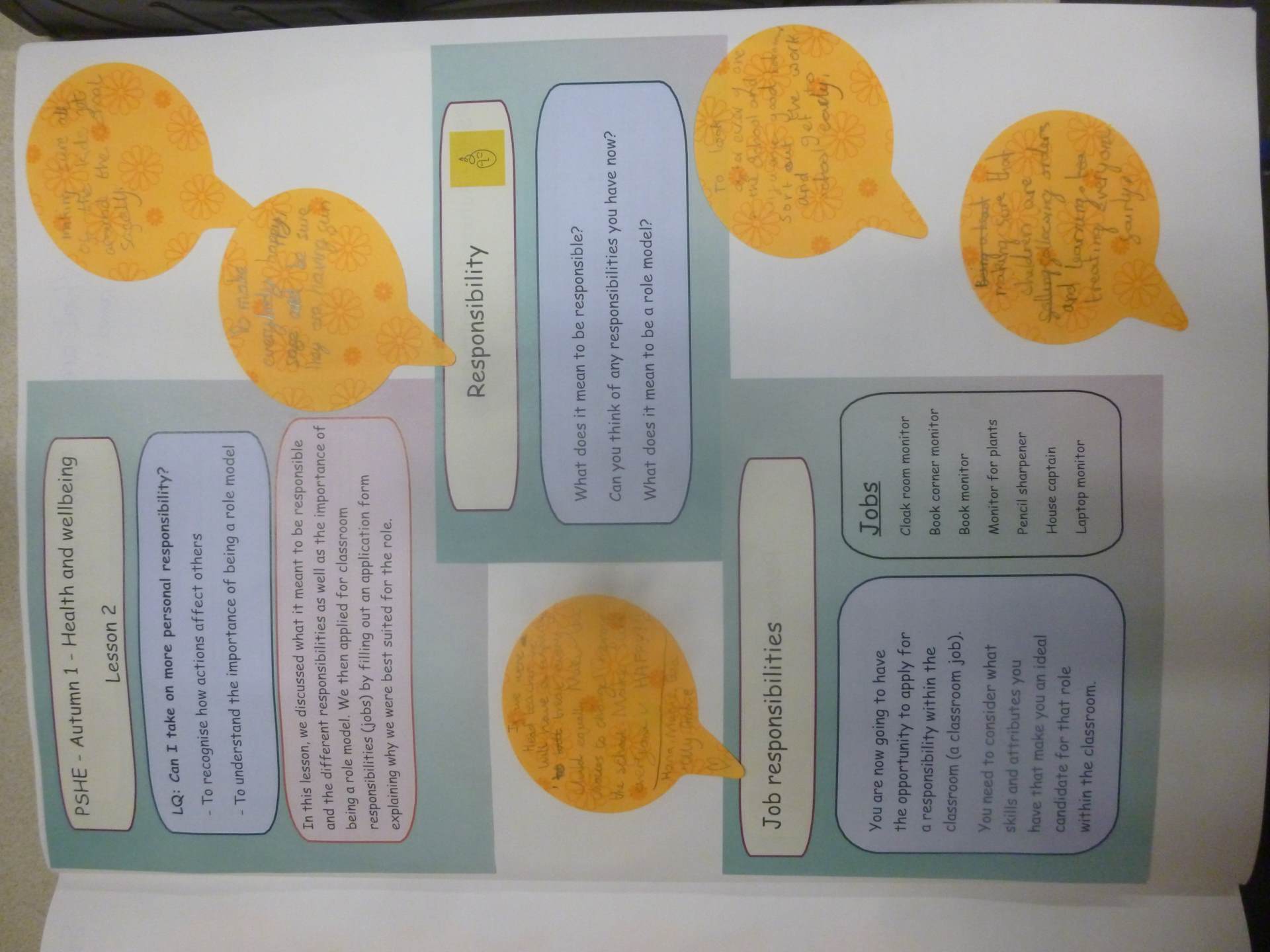
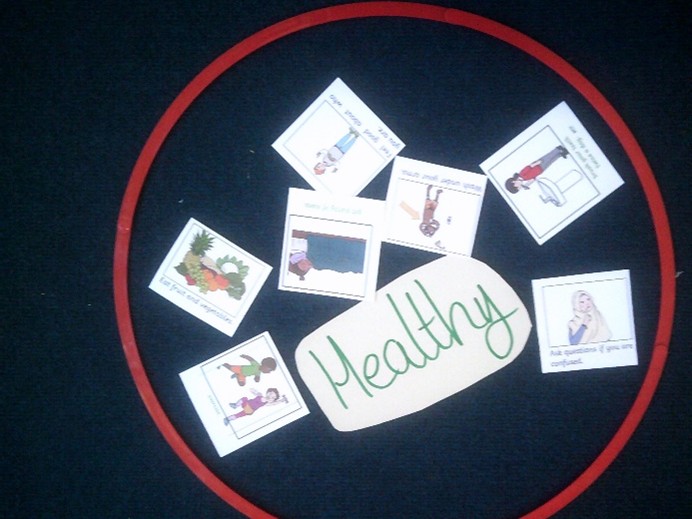
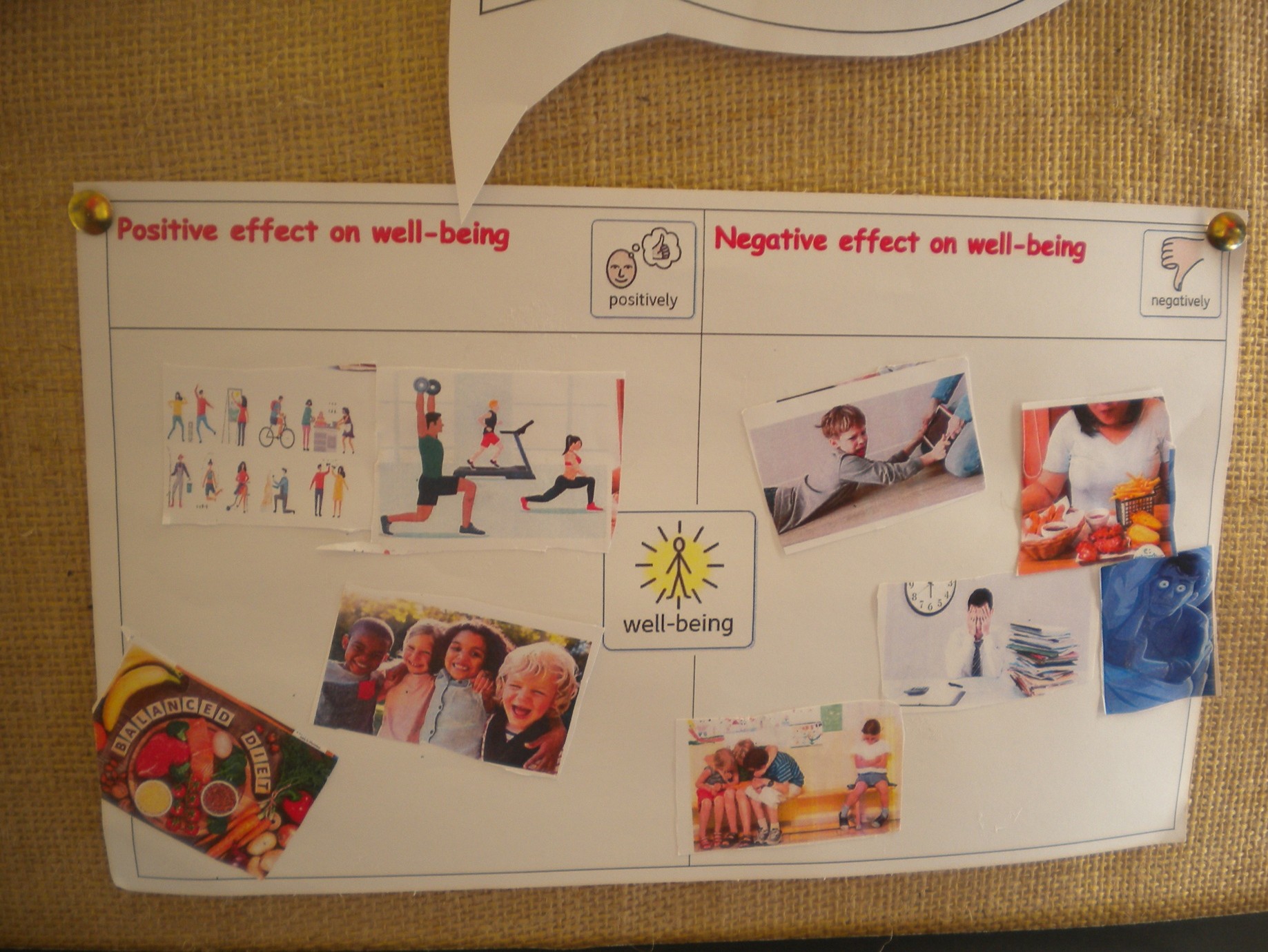
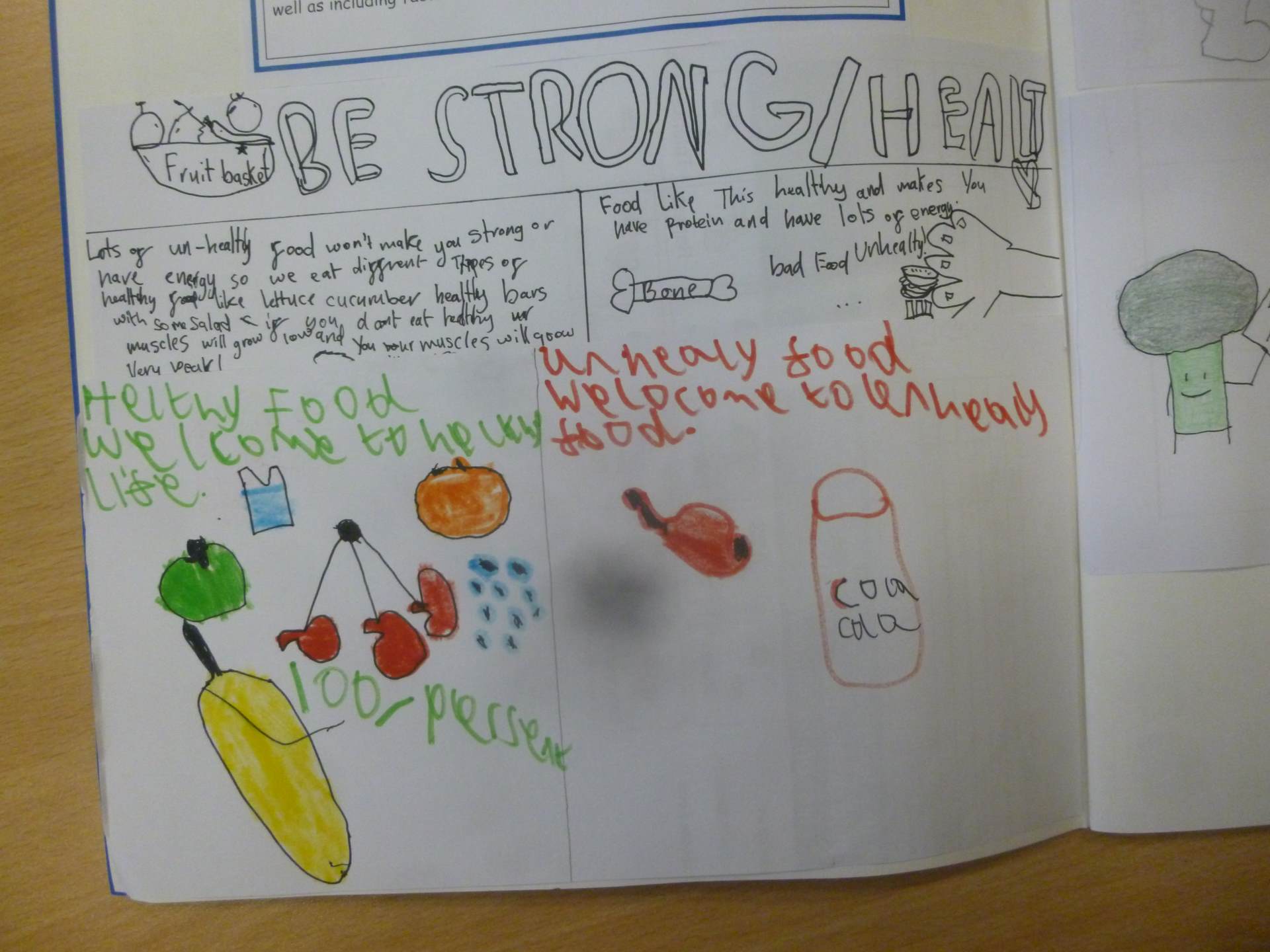
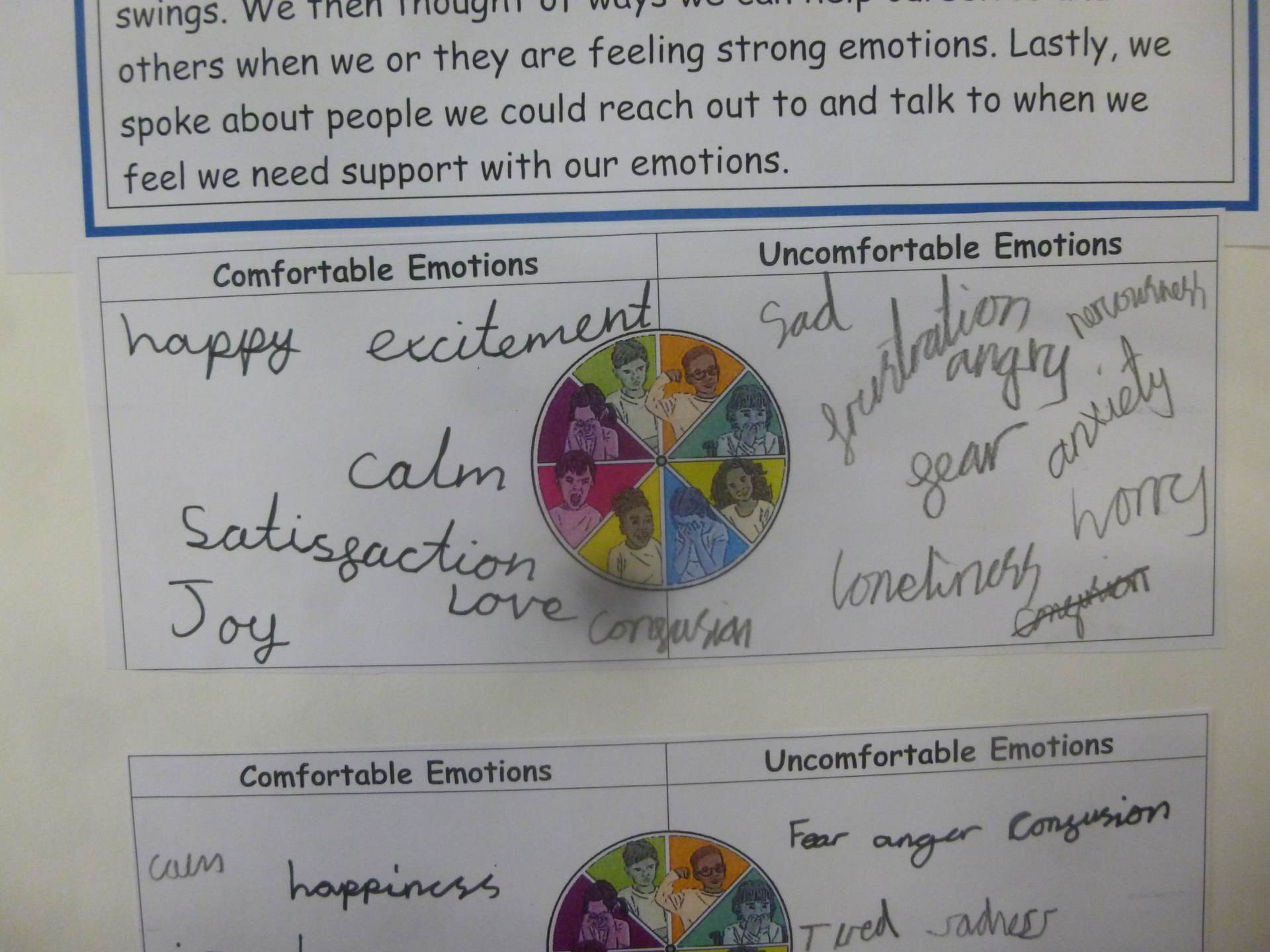
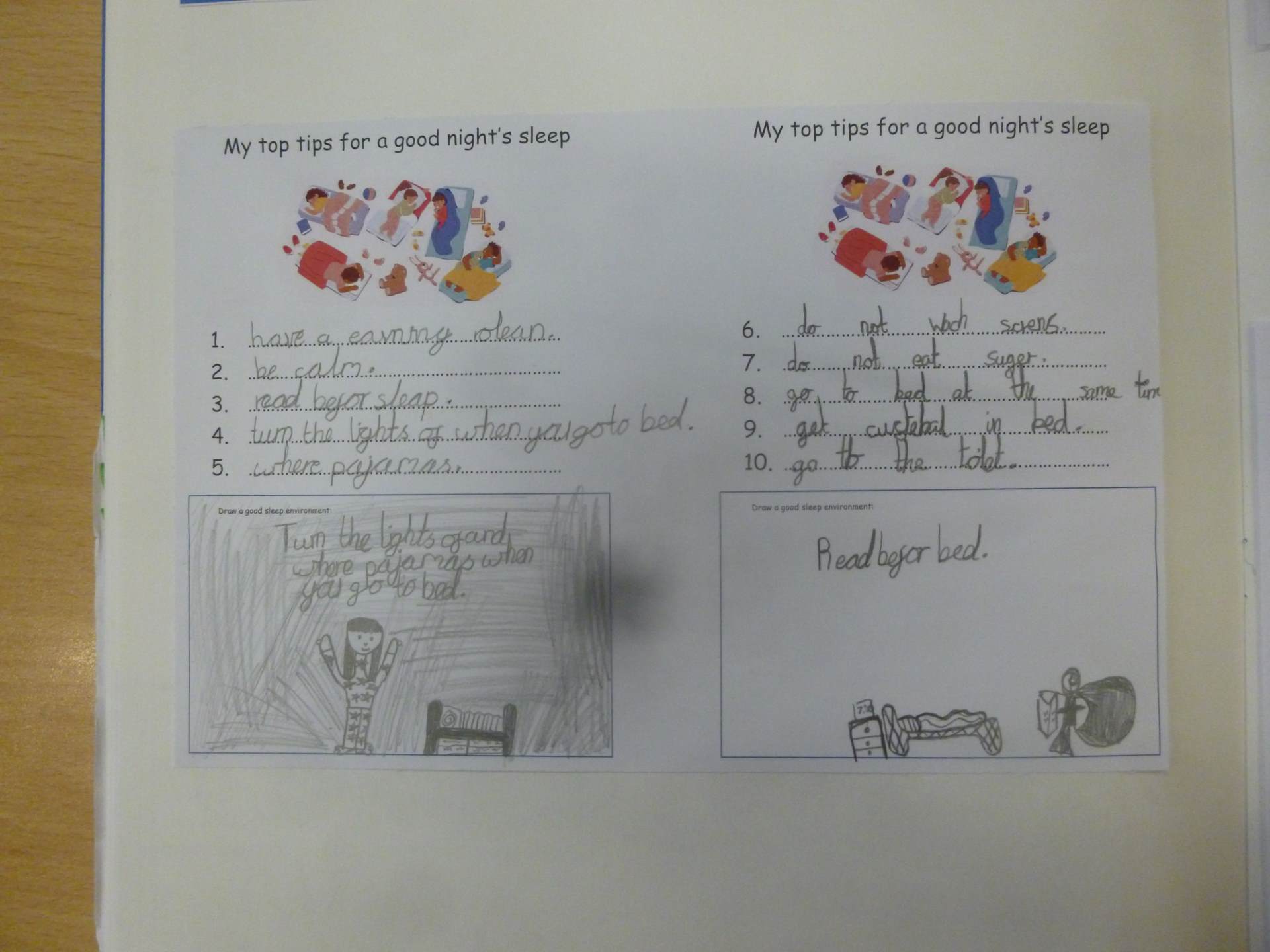
This theme supports children in understanding how to lead physically, emotionally, and mentally healthy lives. It covers key areas such as healthy lifestyles, managing change (like puberty), emotional resilience, and staying safe. Children also learn how to make informed decisions and where to seek help when needed.
Core Theme 2: Relationships
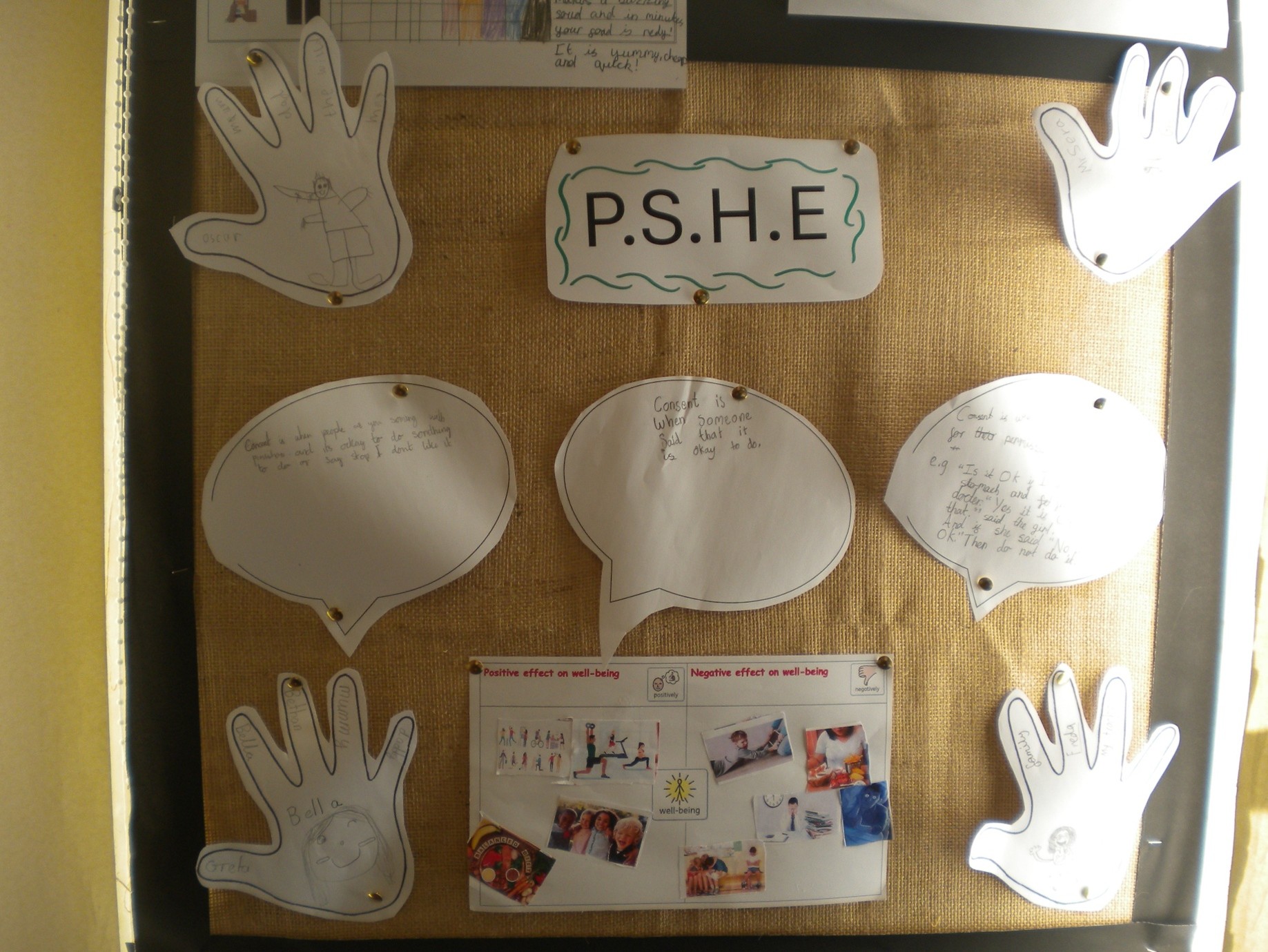
Focusing on building positive, respectful relationships, this theme helps children develop emotional literacy, recognise healthy and unhealthy interactions, and understand diversity in families and friendships. It includes learning about empathy, consent, online safety, and how to seek support if relationships become challenging or unsafe.
Core Theme 3: Living in the Wider World
This theme prepares children to be active, responsible citizens in a diverse society. It explores topics such as rights and responsibilities, economic wellbeing, respecting the environment, and valuing diversity. Pupils also learn about money management, community participation, and what it means to be part of a global world.
Learning Across the Year Groups
EYFS
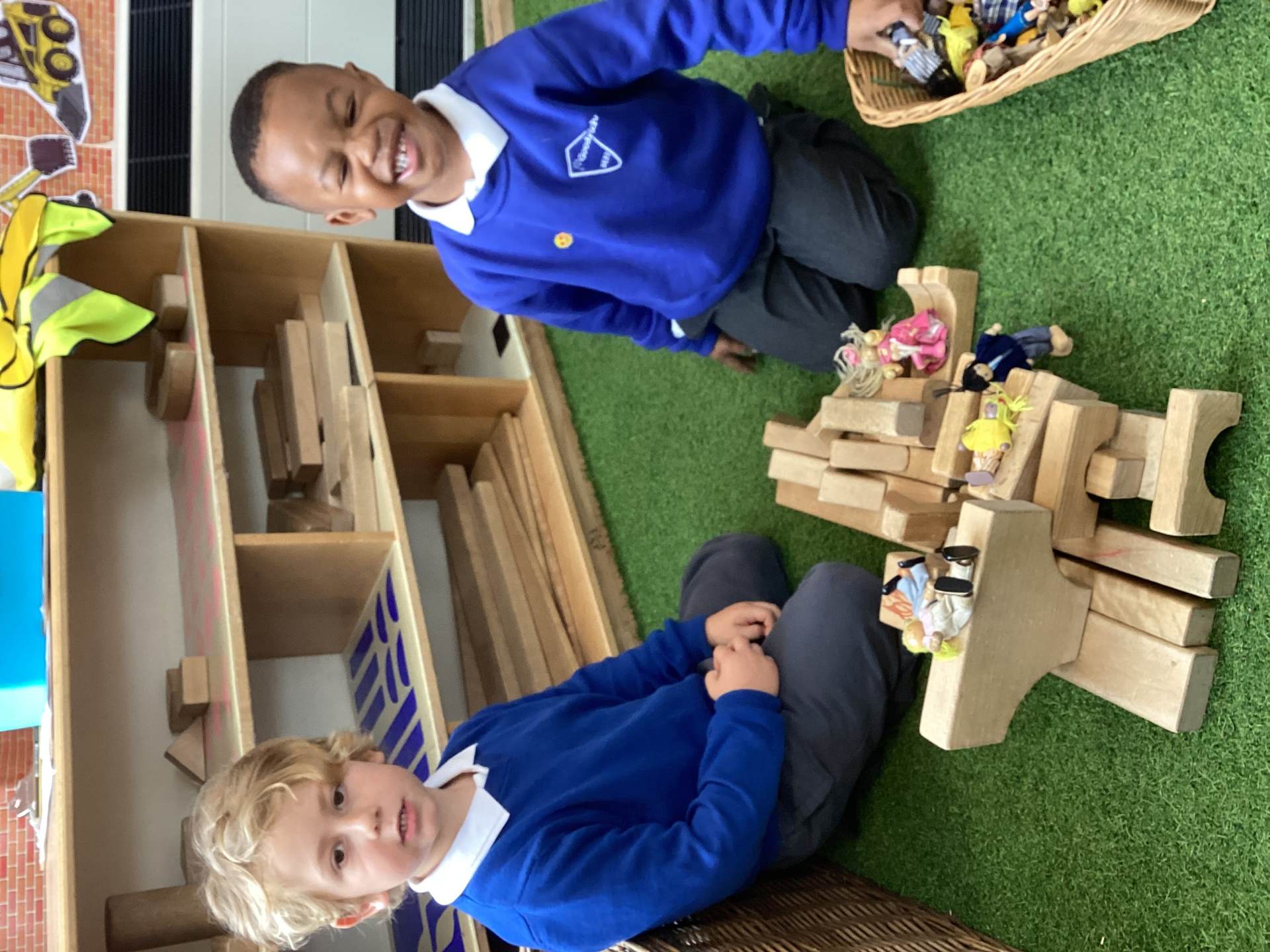
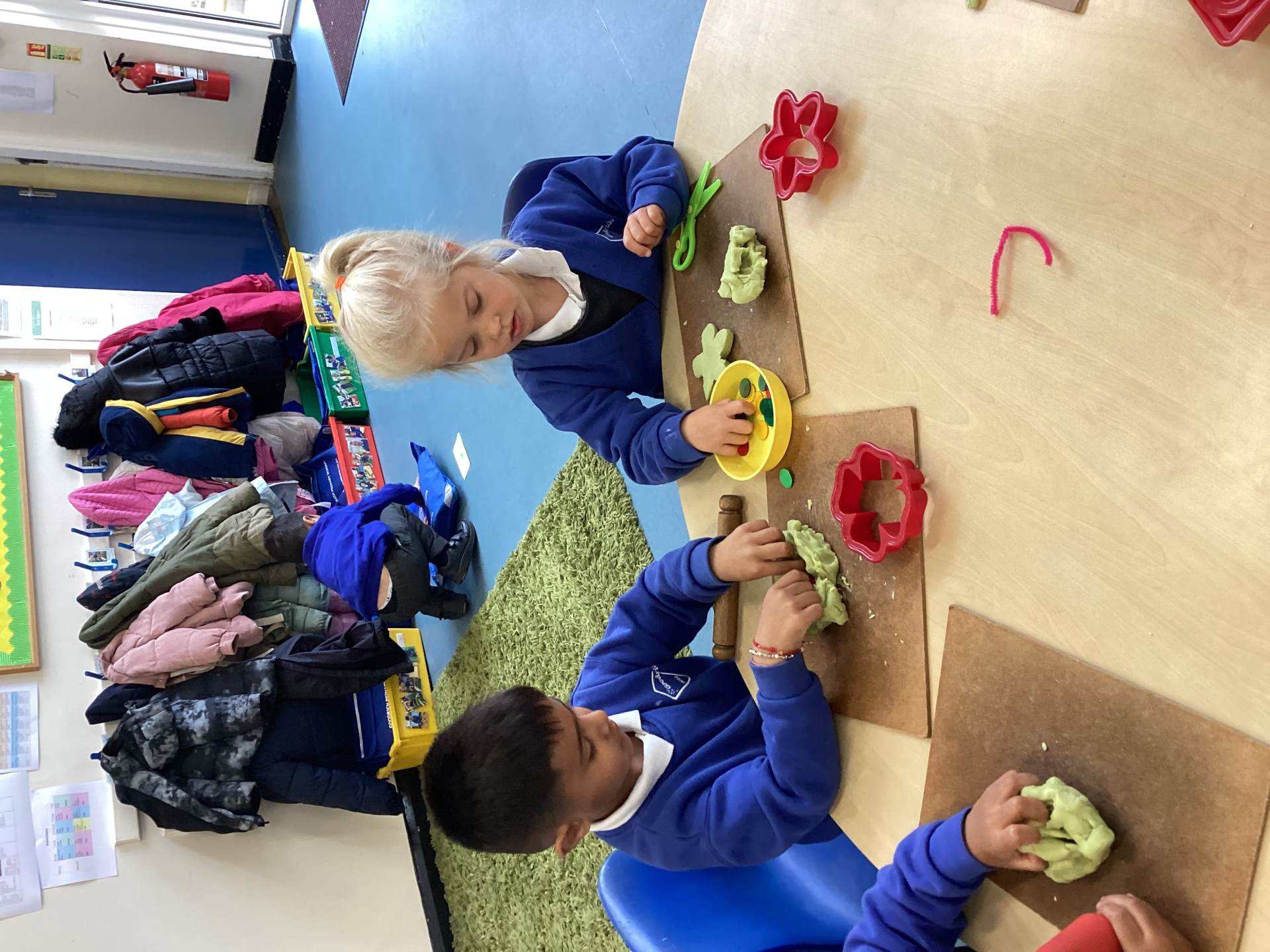
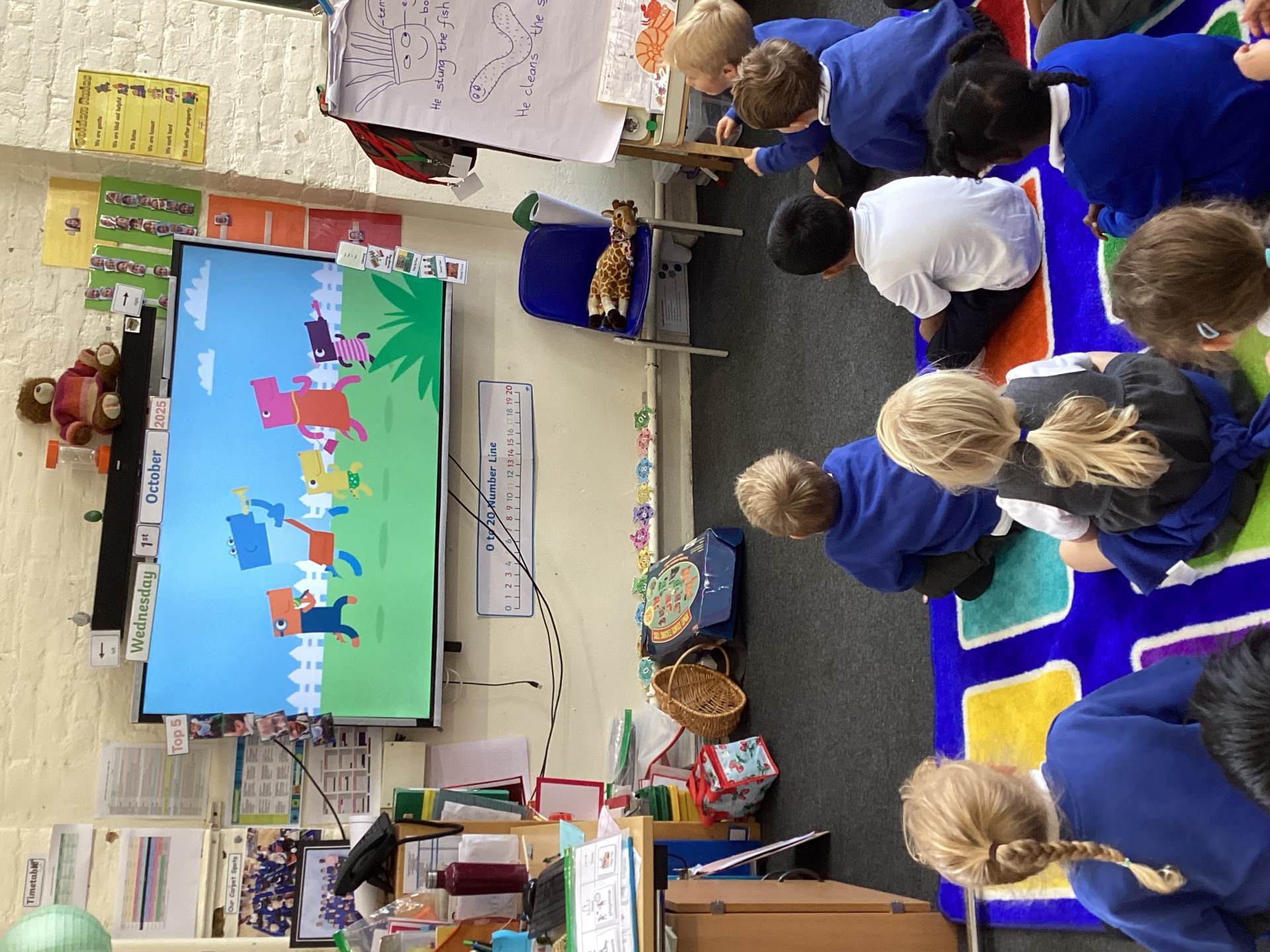
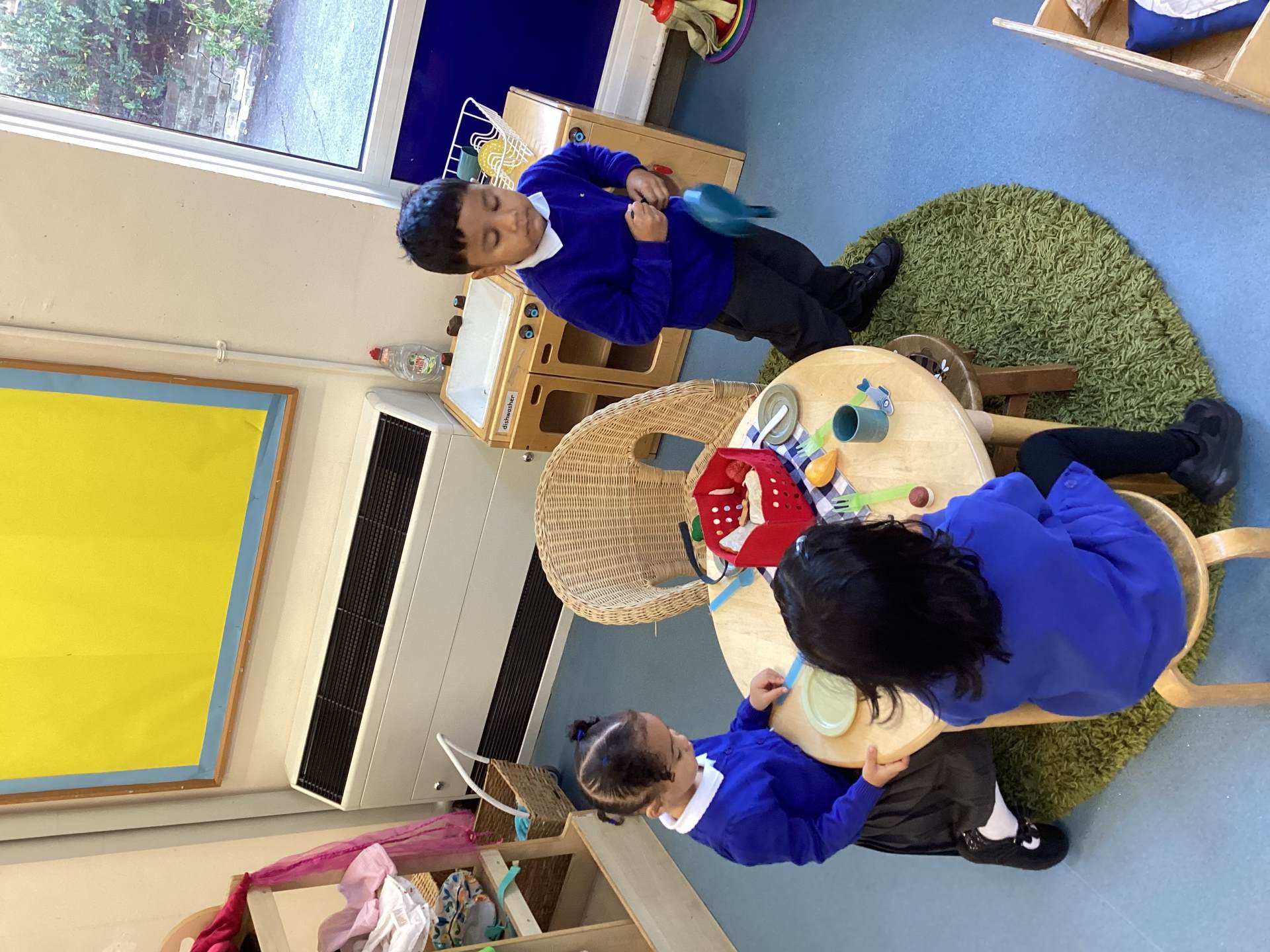
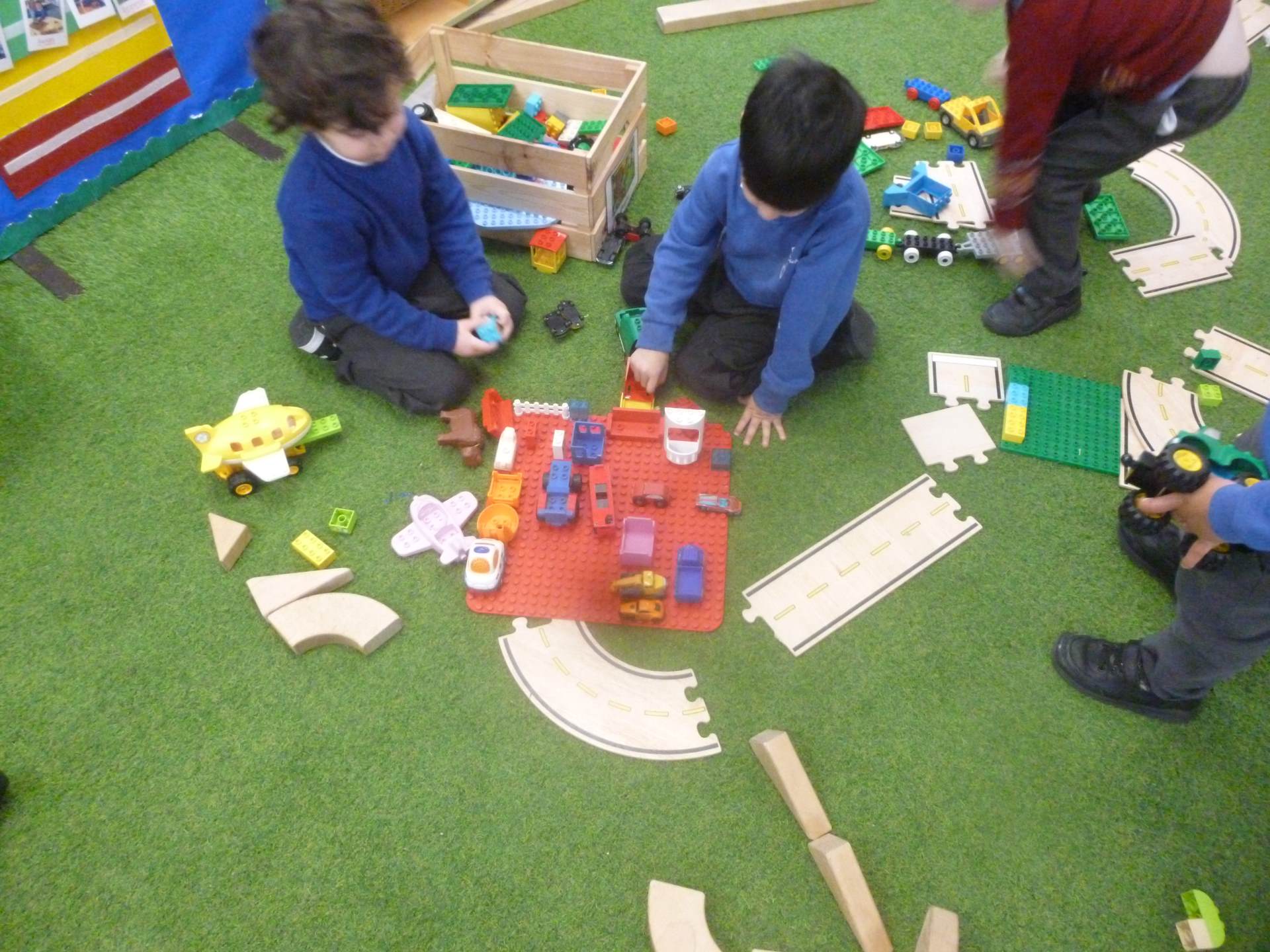
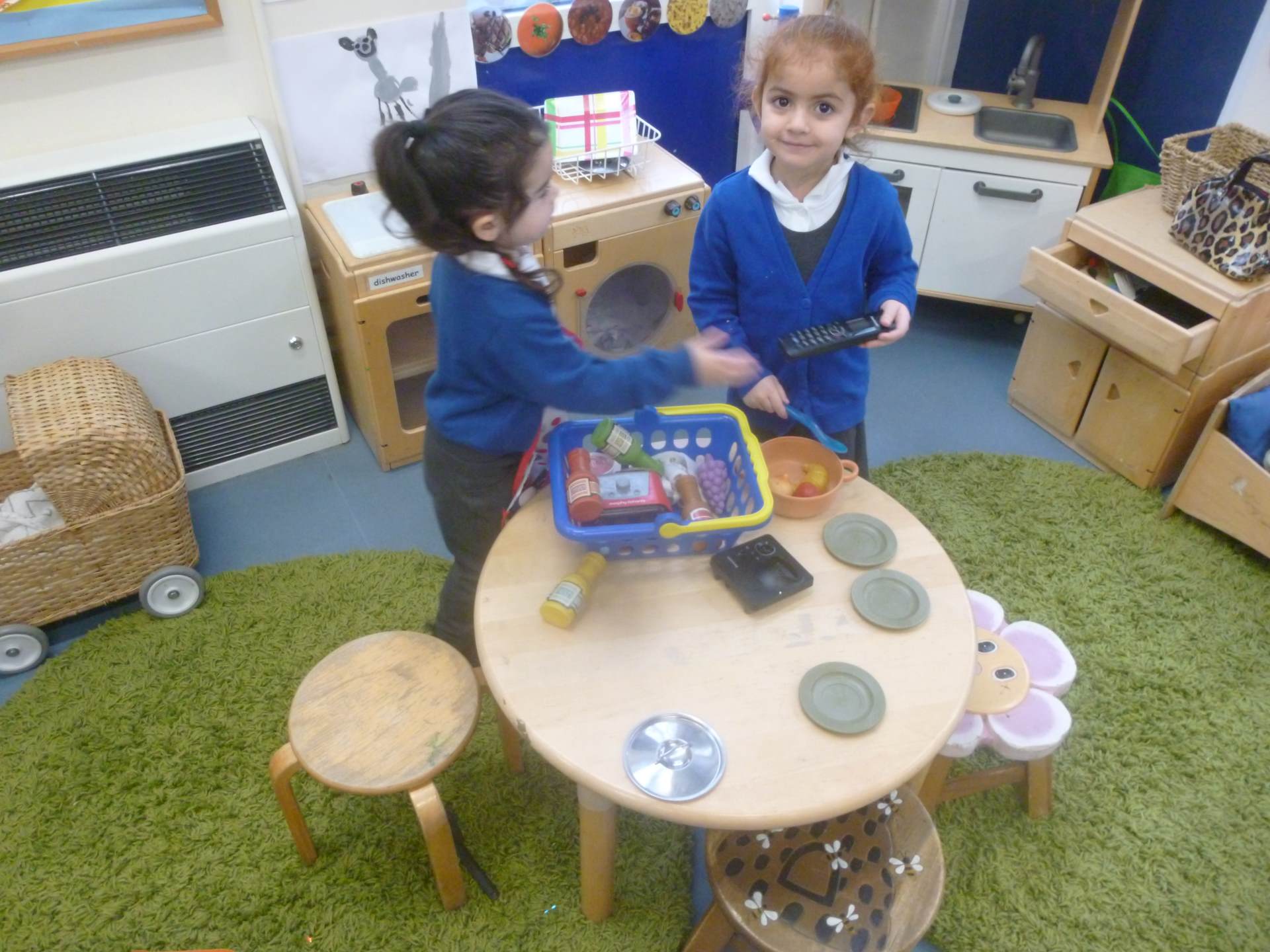
During Early Years, the children begin engaging in PSHE within PSED (Personal, Social and Emotional Development). Children begin to develop a sense of who they are, what they enjoy, what they do well and what they’d like to do better. Children begin to develop their social and emotional skills to allow them to make positive relationships both with their peers as well as with their trusted adults. They learn to negotiate and compromise and begin to resolve conflicts. Children learn to understand their own emotions as well as the emotions of others and begin to recognise how their behaviour can impact their own emotions and the emotions of others. They also learn to begin managing their own emotions. Within Physical development, the children learn about basic health and hygiene through daily routines.
Year 1
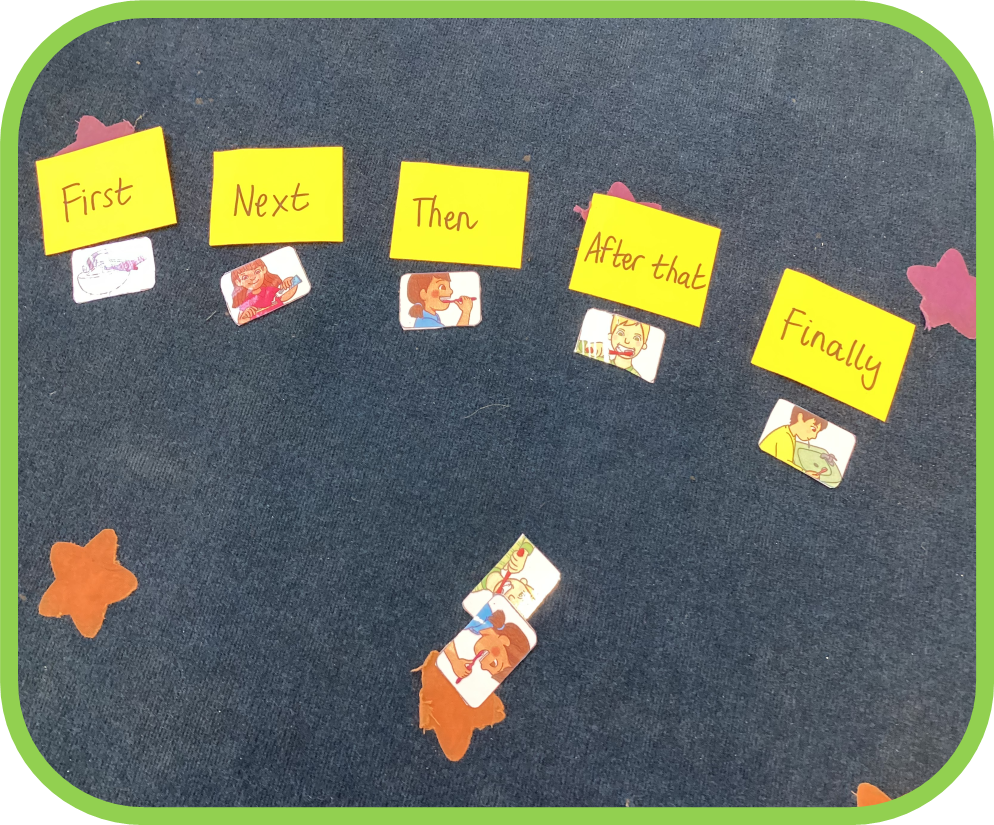
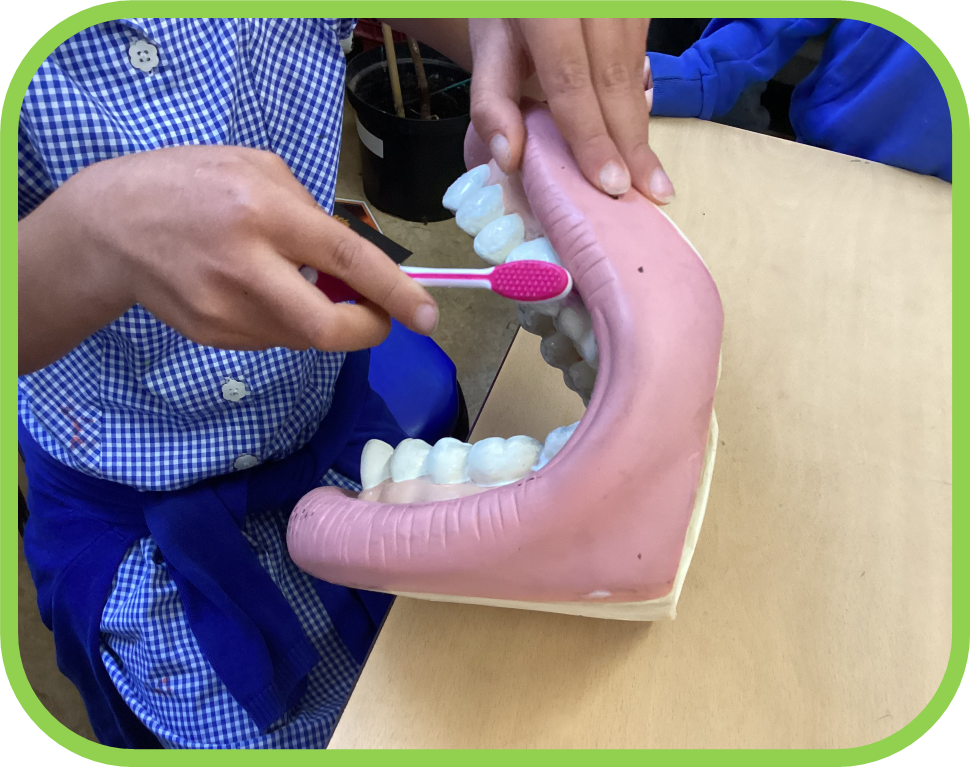
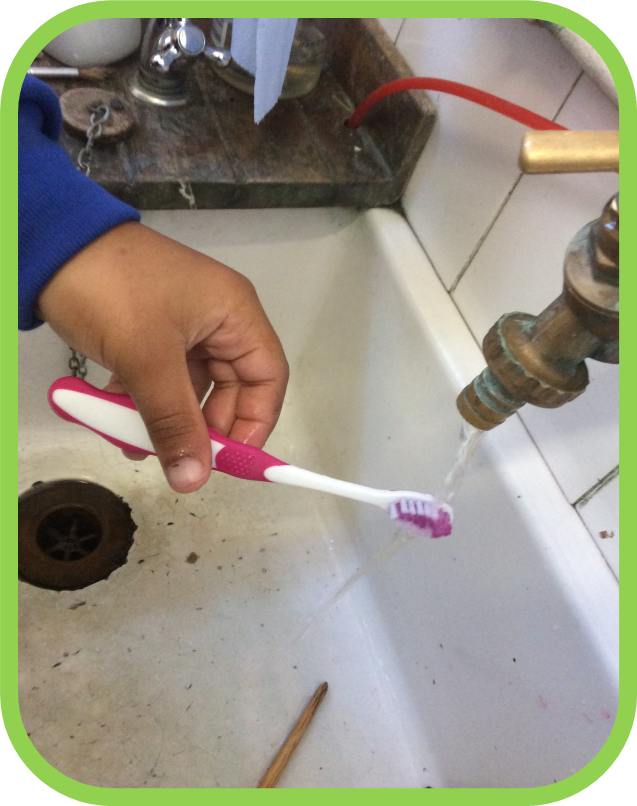
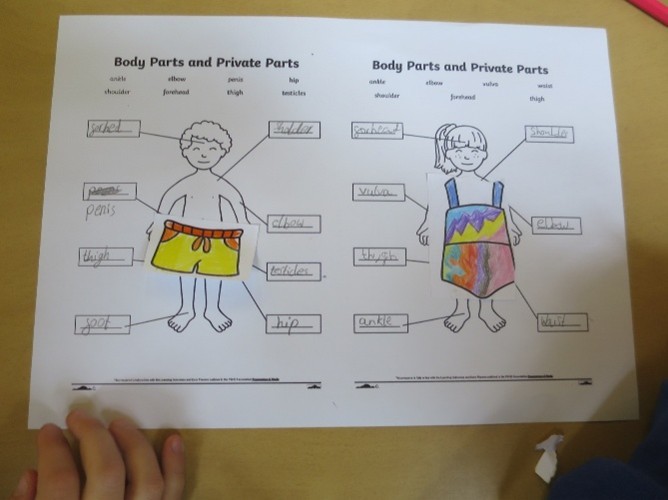
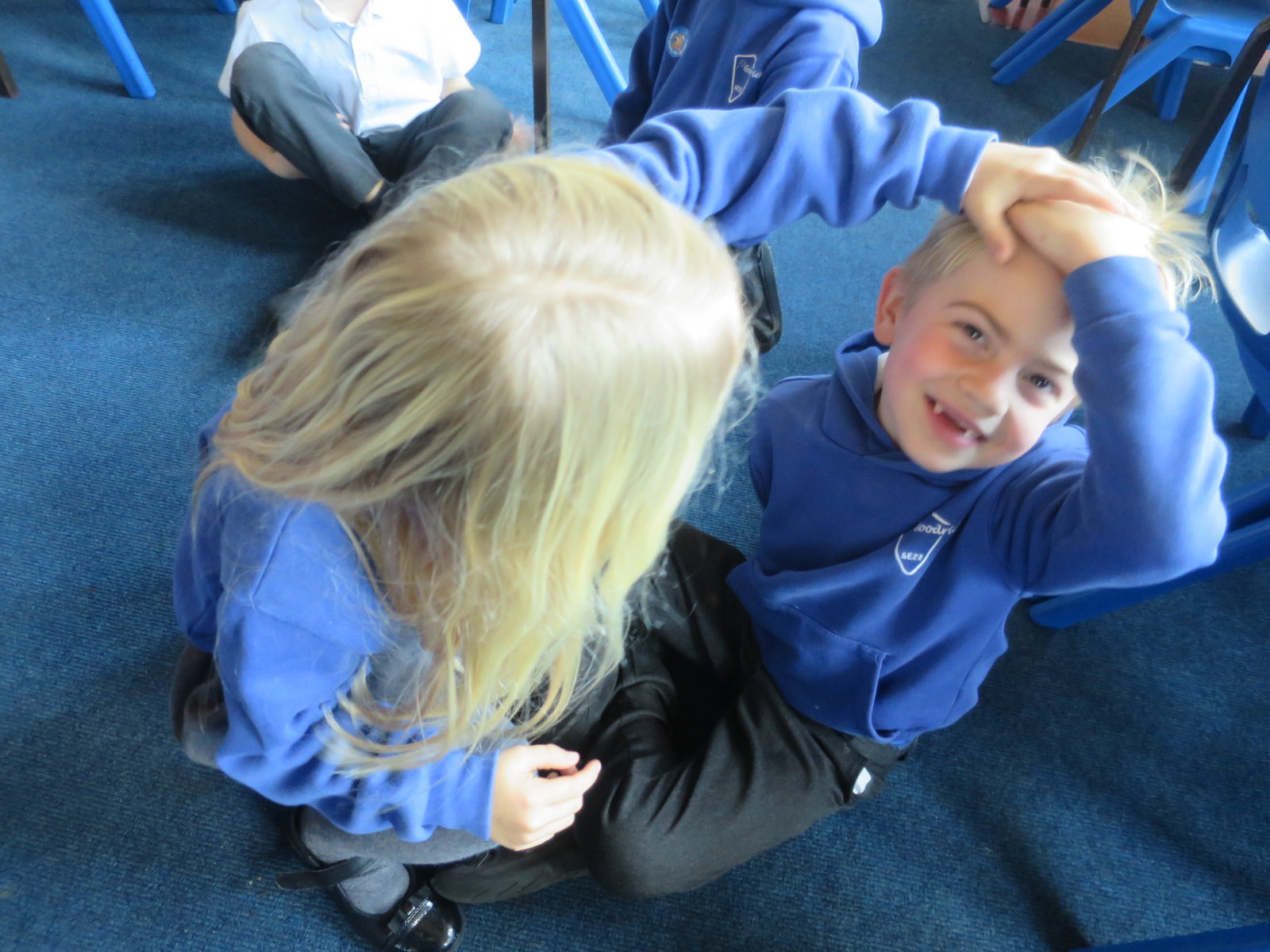
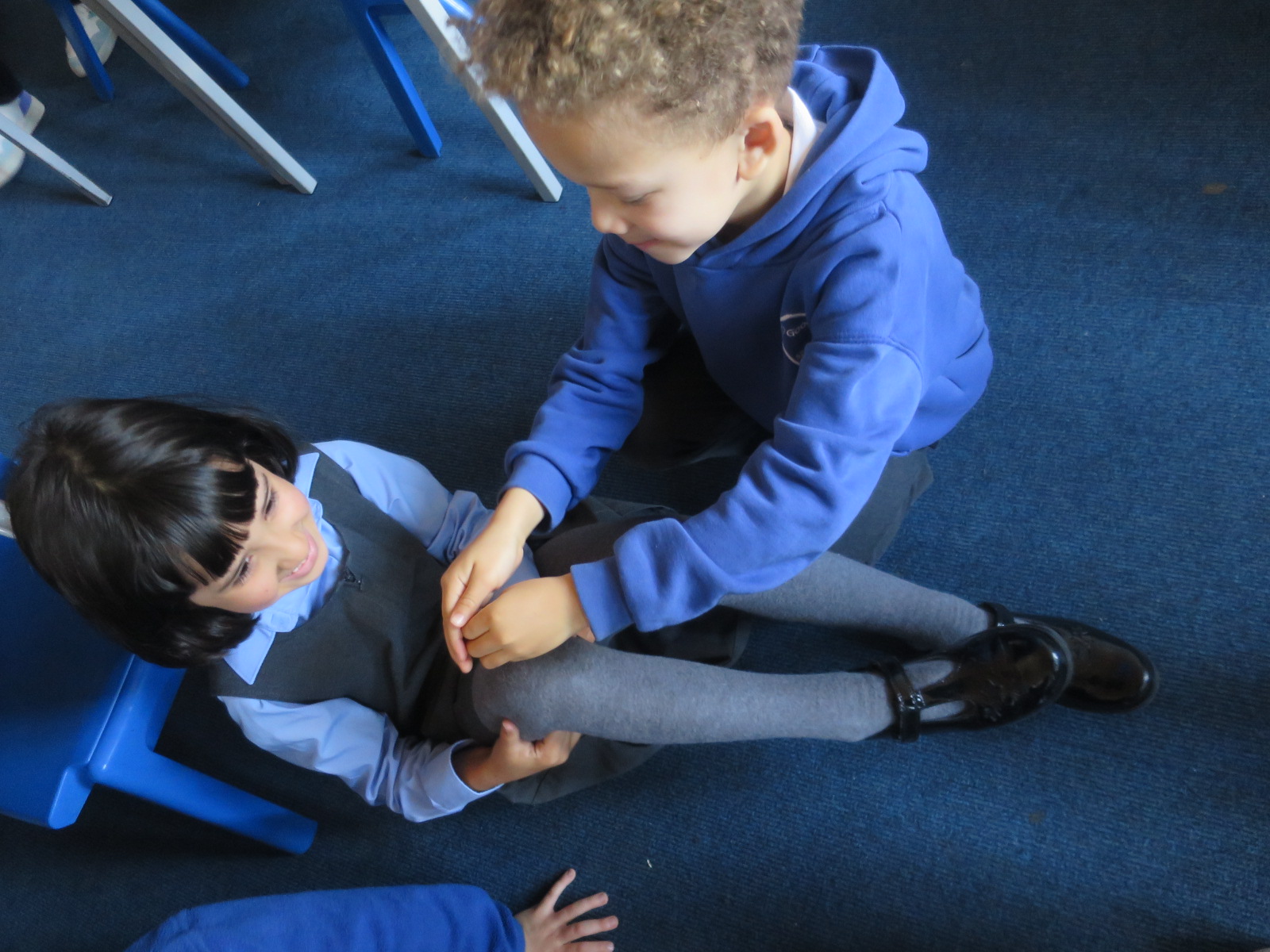
Year 1 follows on from Early Years by helping children understand friendships, feelings and safety. They begin to recognise the difference between secrets and surprises, learn about diversity in simple ways and start to understand how to talk about their emotions. This early grounding introduces the concepts of respect, kindness and personal responsibility, which underpin all later learning.
Year 2
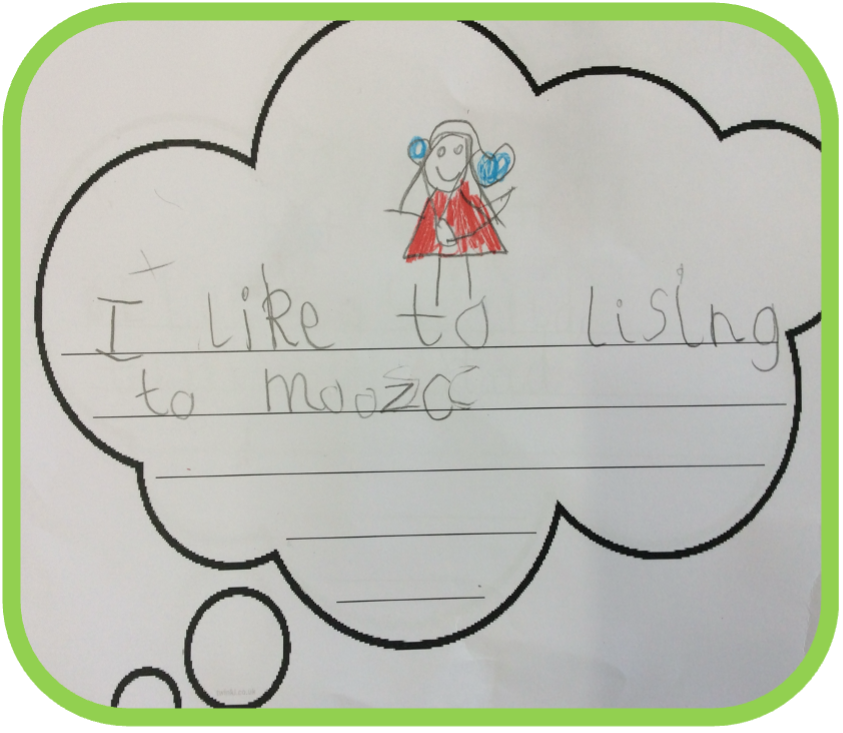
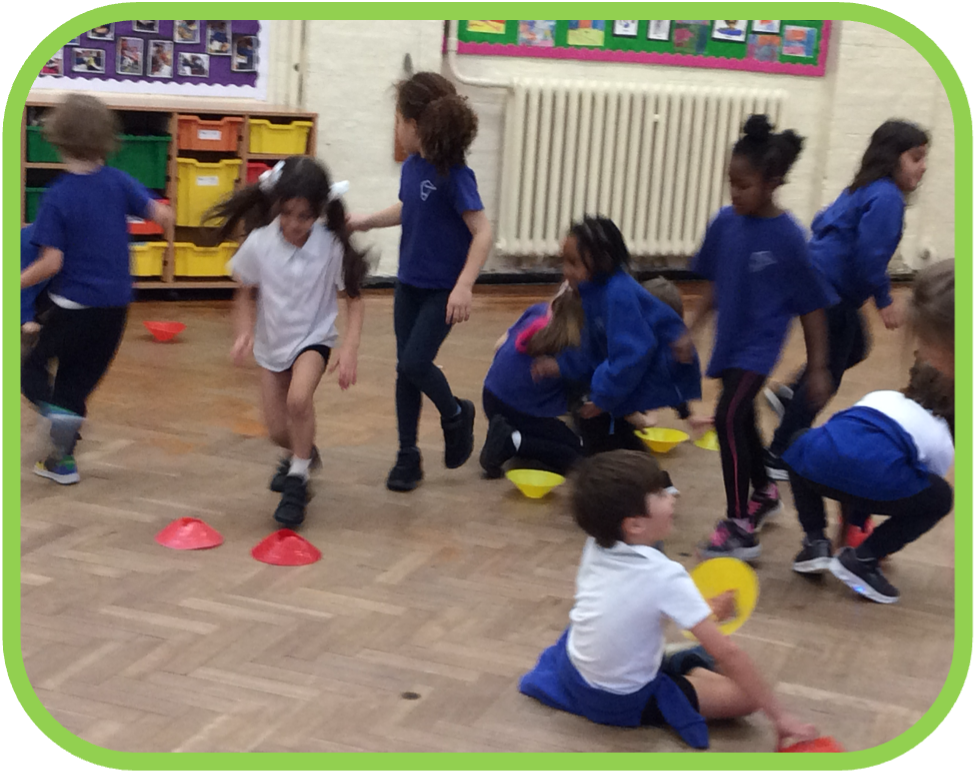
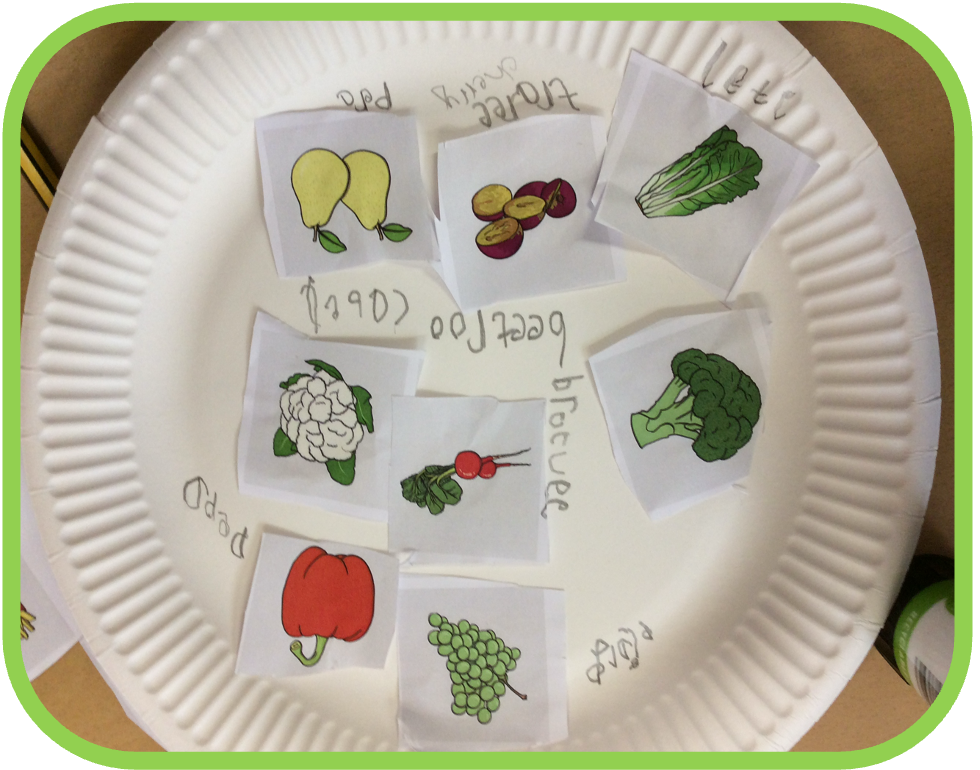
Building on Year 1, Year 2 develops a deeper awareness of truth, fairness and diversity.
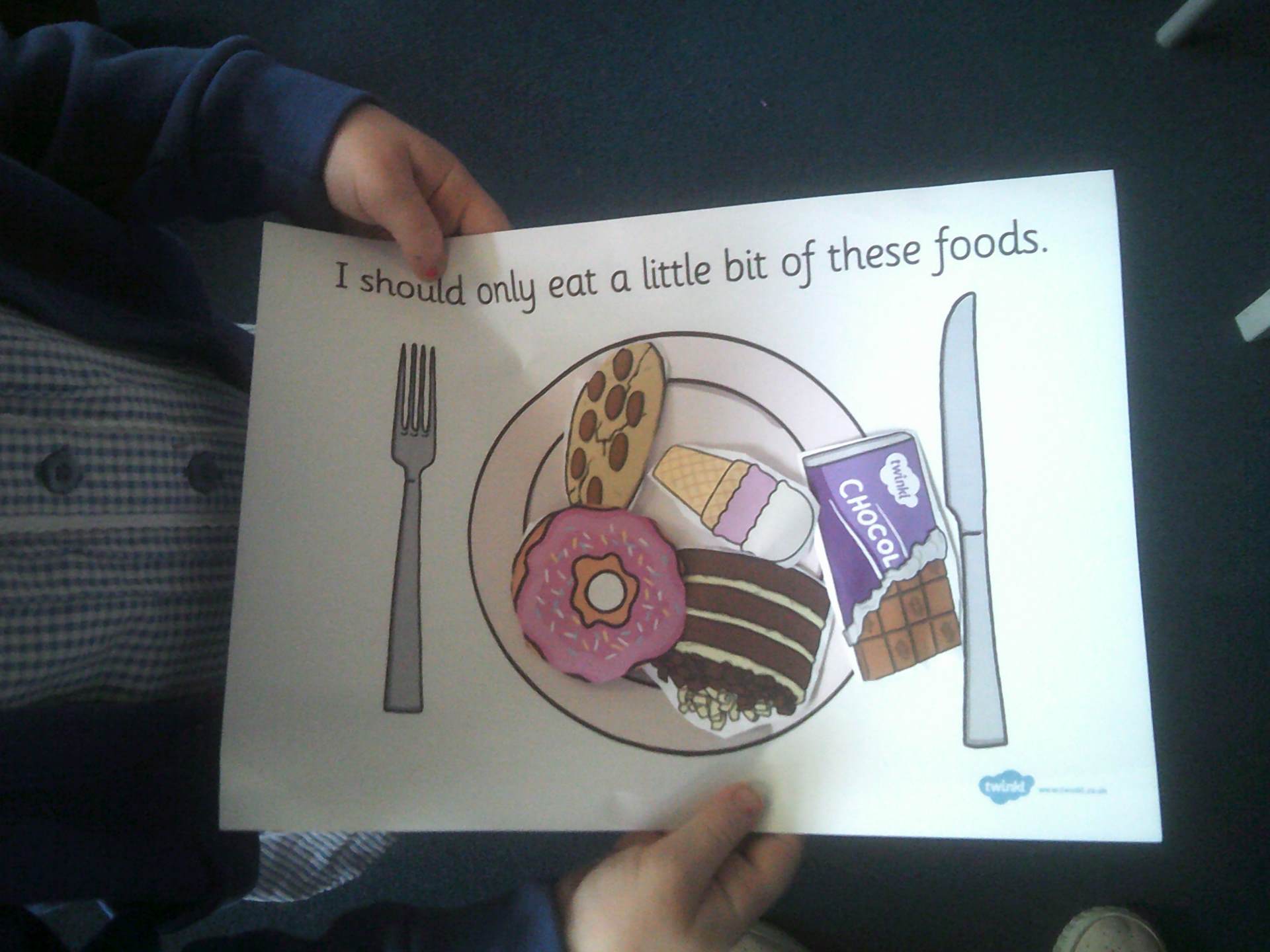
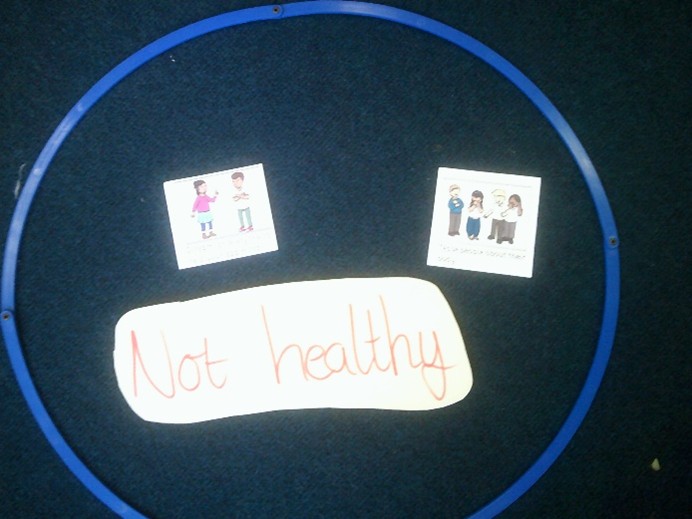
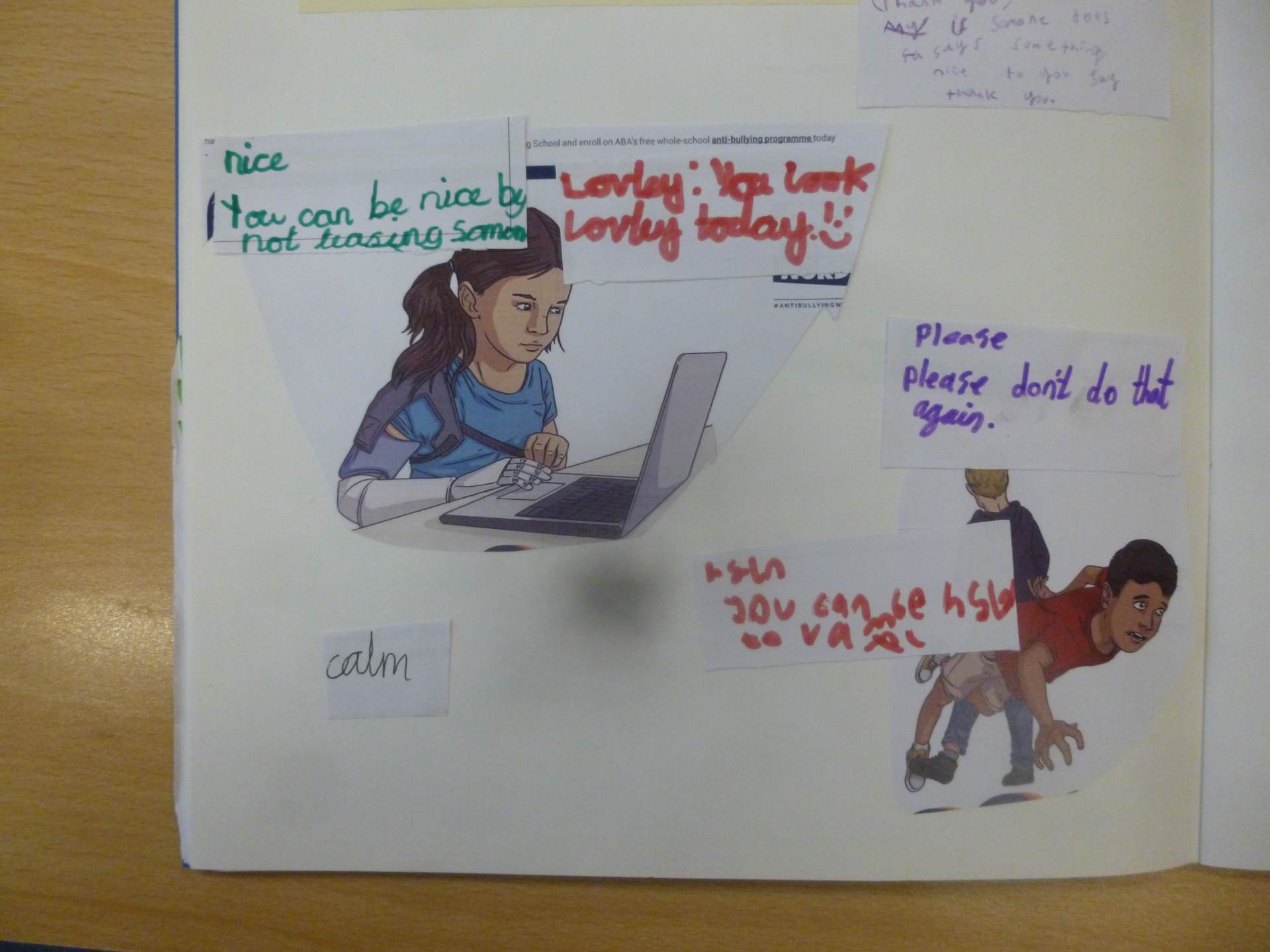
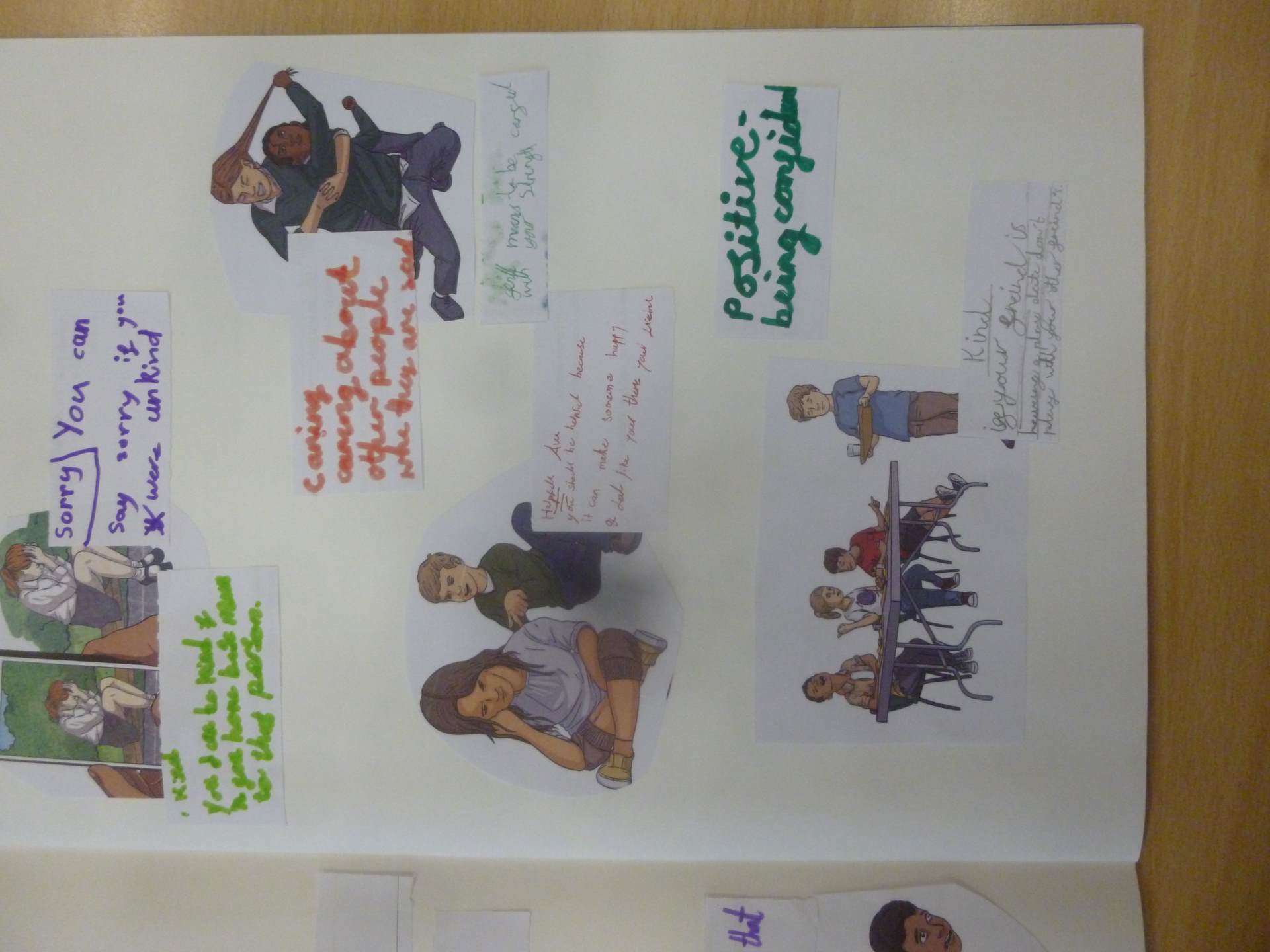
Children explore bullying, conflict and the importance of honesty, while also learning strategies to manage friendship breakdowns and conflict. They begin to understand that not all behaviour is kind or safe and are introduced to the idea of seeking help and support, strengthening their resilience and empathy.
Year 3
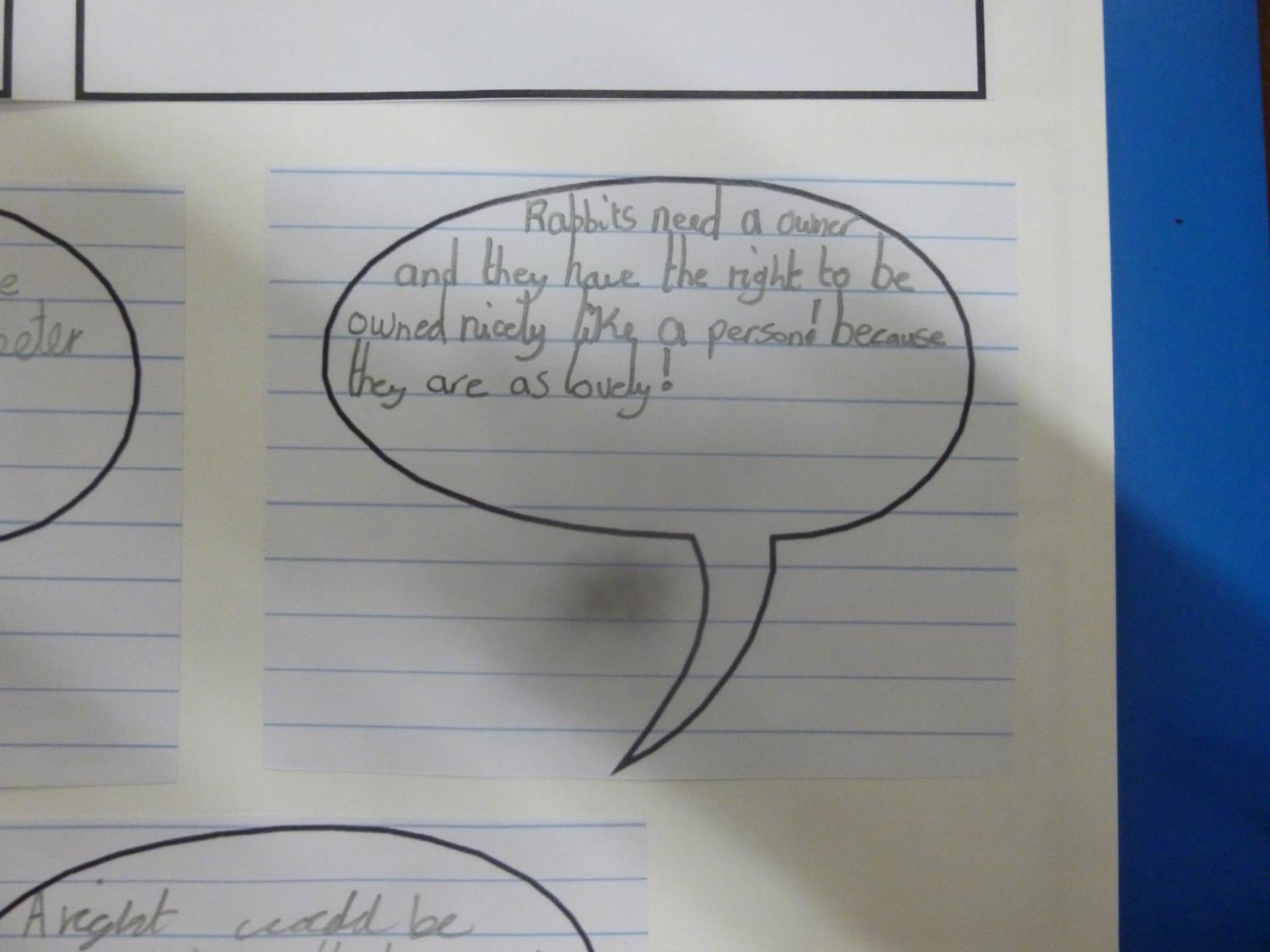
In Year 3, pupils start to link personal identity with wider relationships. They learn about gender, types of families and extended relationships, while also considering their place in a wider community. This builds on earlier lessons about friendship and kindness, encouraging respect for difference and beginning to understand that relationships can take many forms. They also encounter peer pressure, helping them apply strategies to real-life scenarios.
Year 4
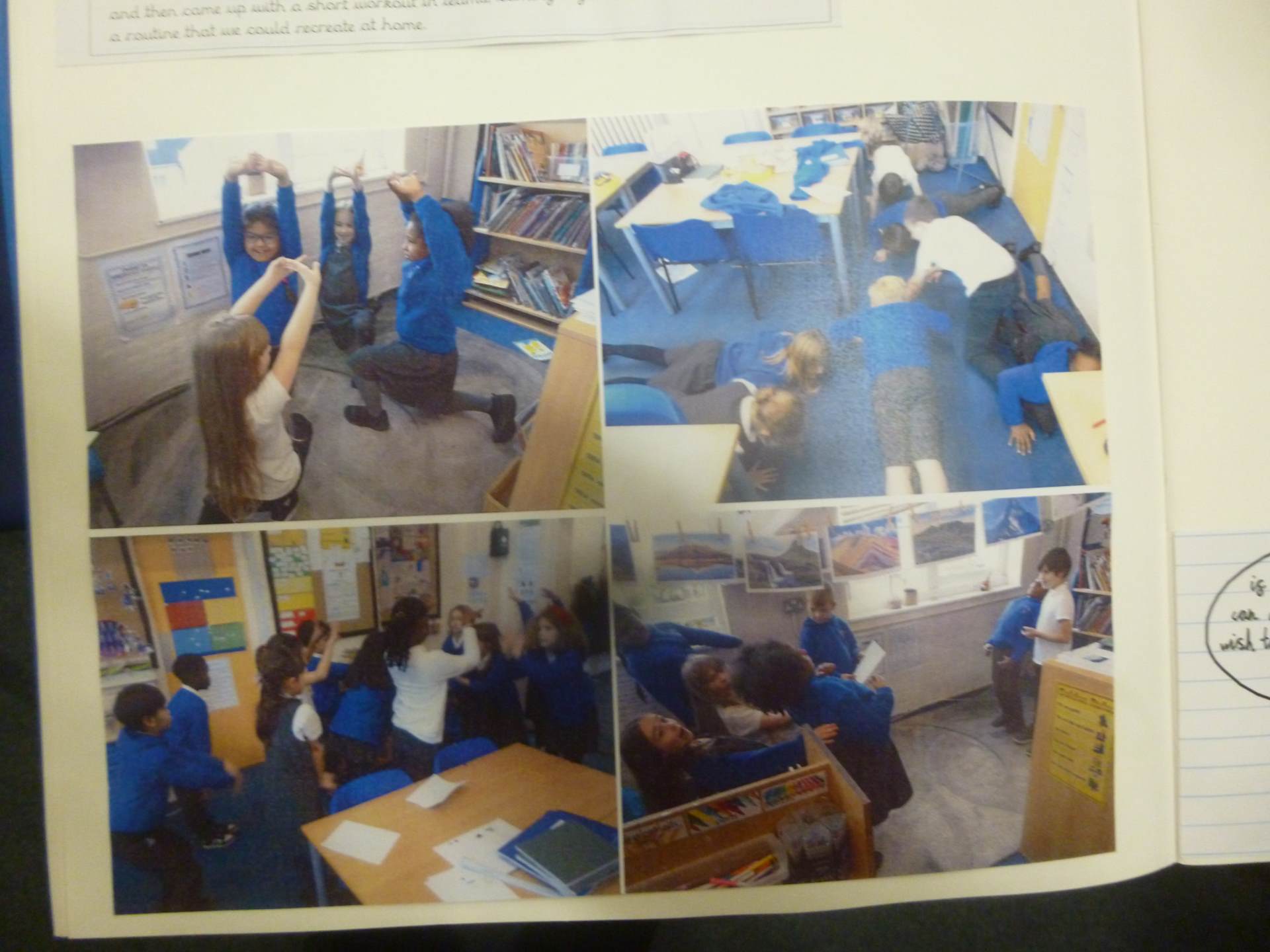
By Year 4, pupils develop a stronger understanding of persuasion, pressure and inclusion.
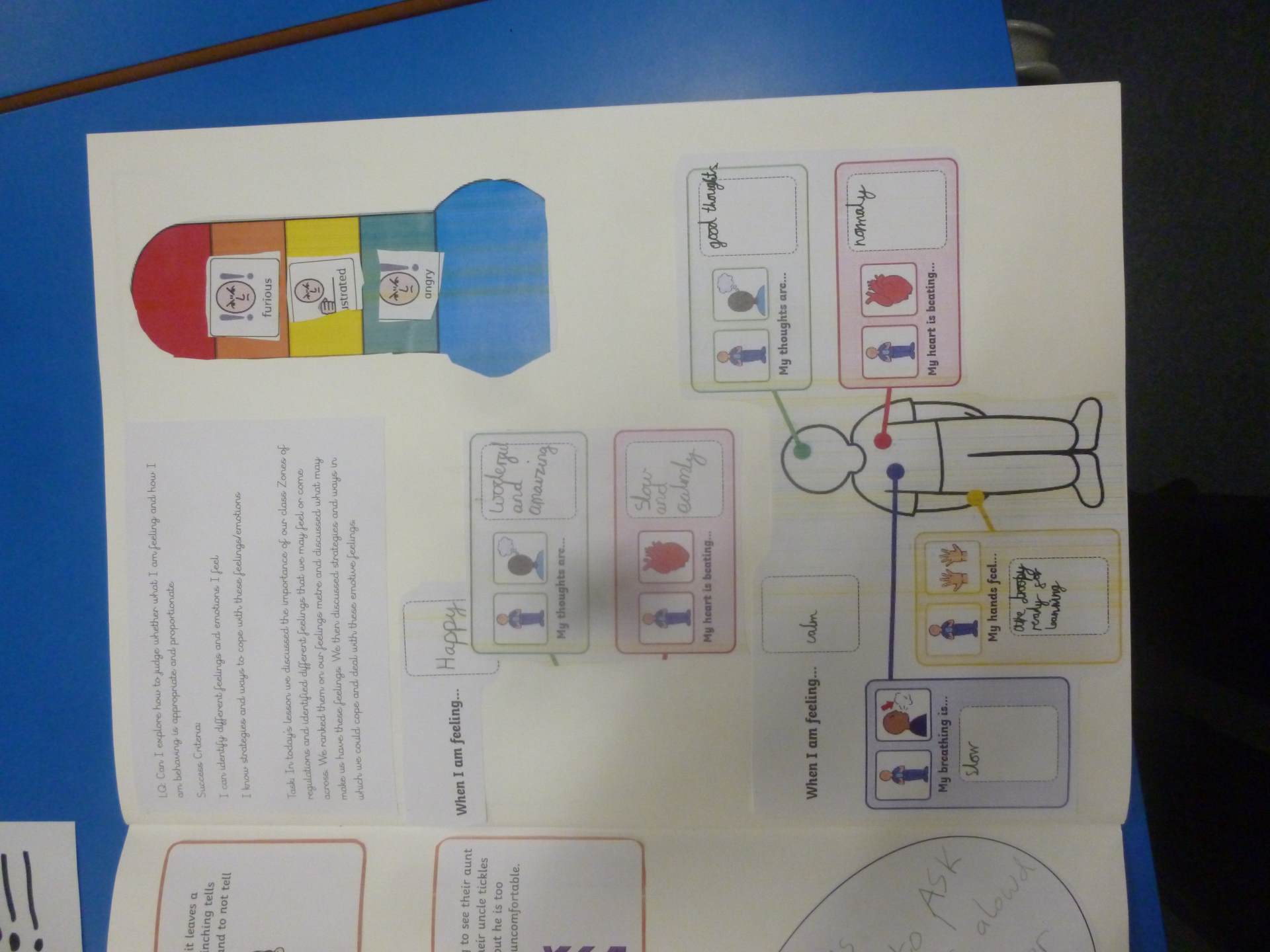
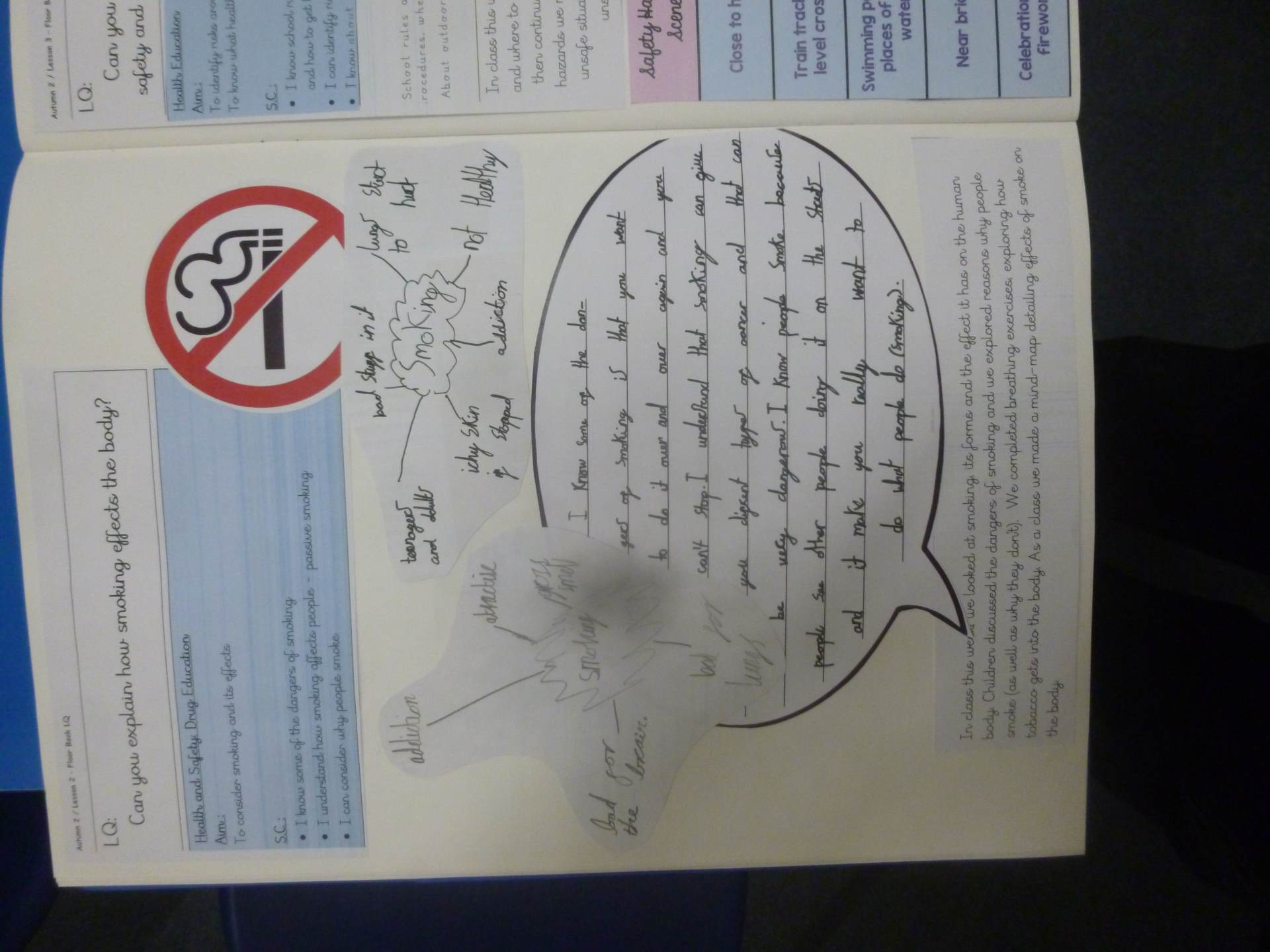
They extend their emotional vocabulary and are taught to judge what kind of behaviour and physical contact is acceptable. This builds directly on the honesty, fairness and bullying awareness learned in Year 2, as children are now expected to apply strategies for managing difficult feelings, resisting pressure and recognising equality and diversity in a broader context.
Year 5
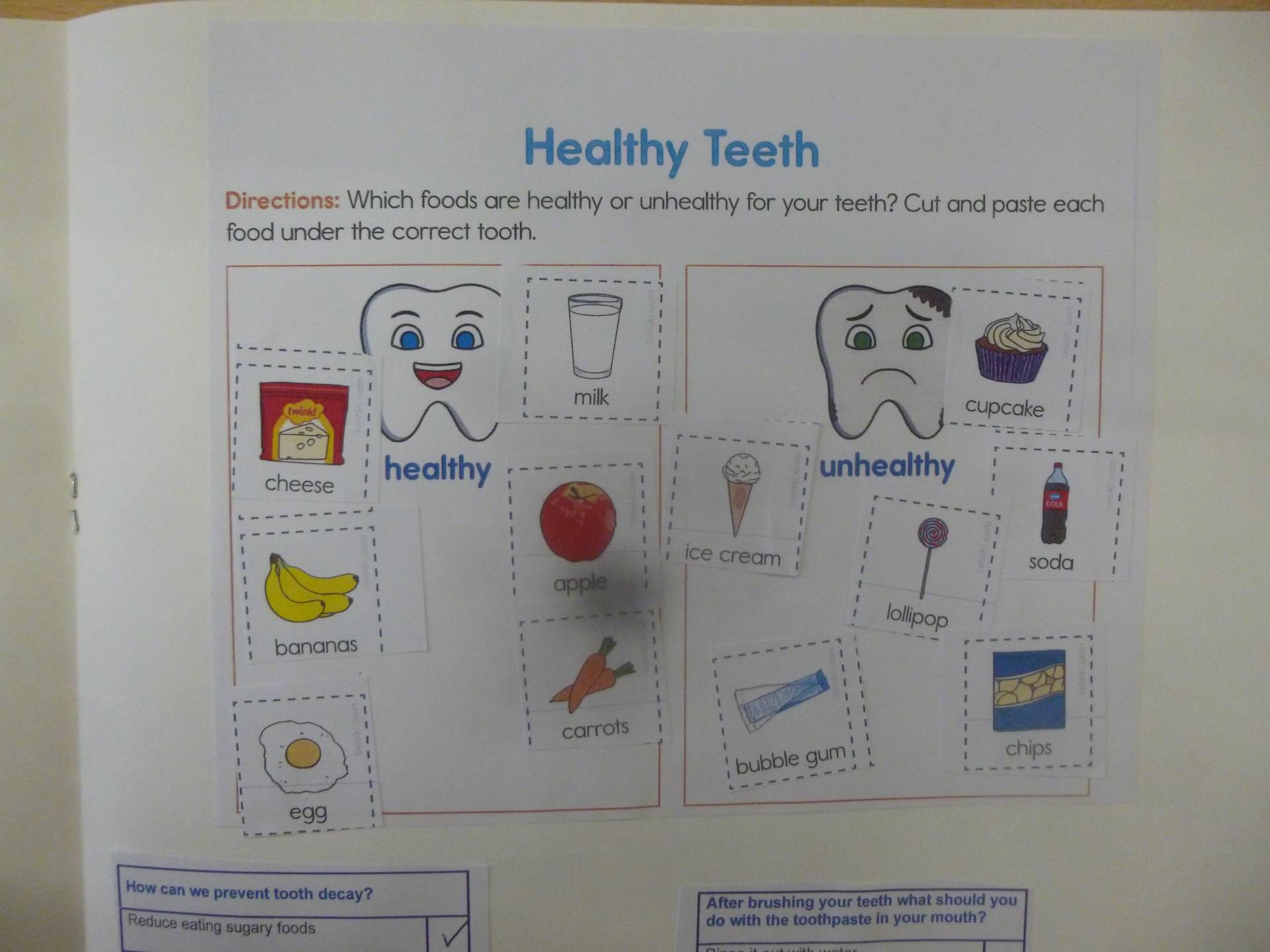
In Year 5, the curriculum focuses on healthy relationships, inclusion and the impact of bullying. Children deepen their understanding of how family life, change and exclusion can affect emotions and wellbeing. They explore discrimination, prejudice and bullying in more complex forms, drawing on the earlier foundations of fairness, inclusion and respect. They are also introduced to strategies for challenging injustice and working collaboratively to bring about positive change.
Year 6
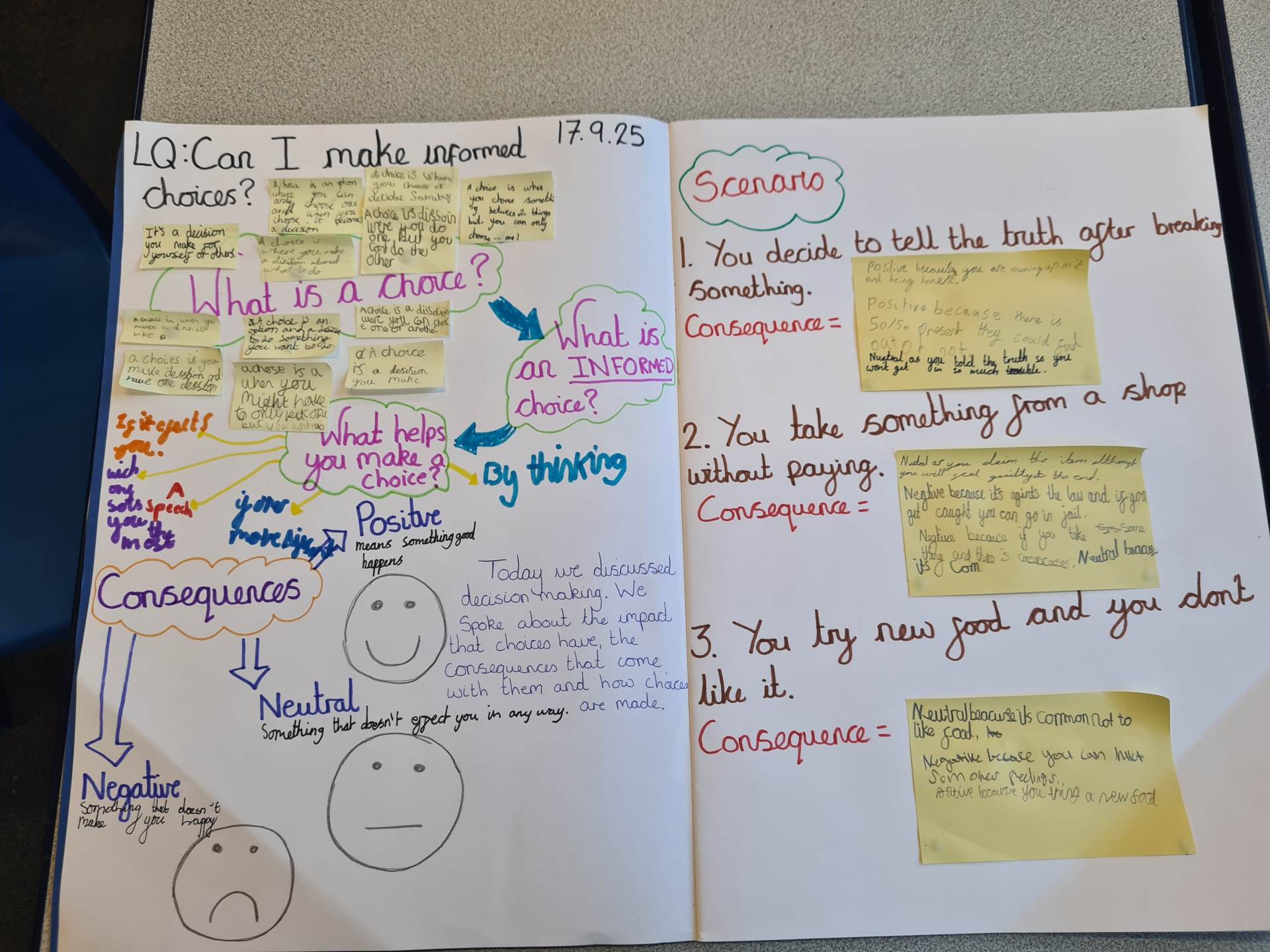
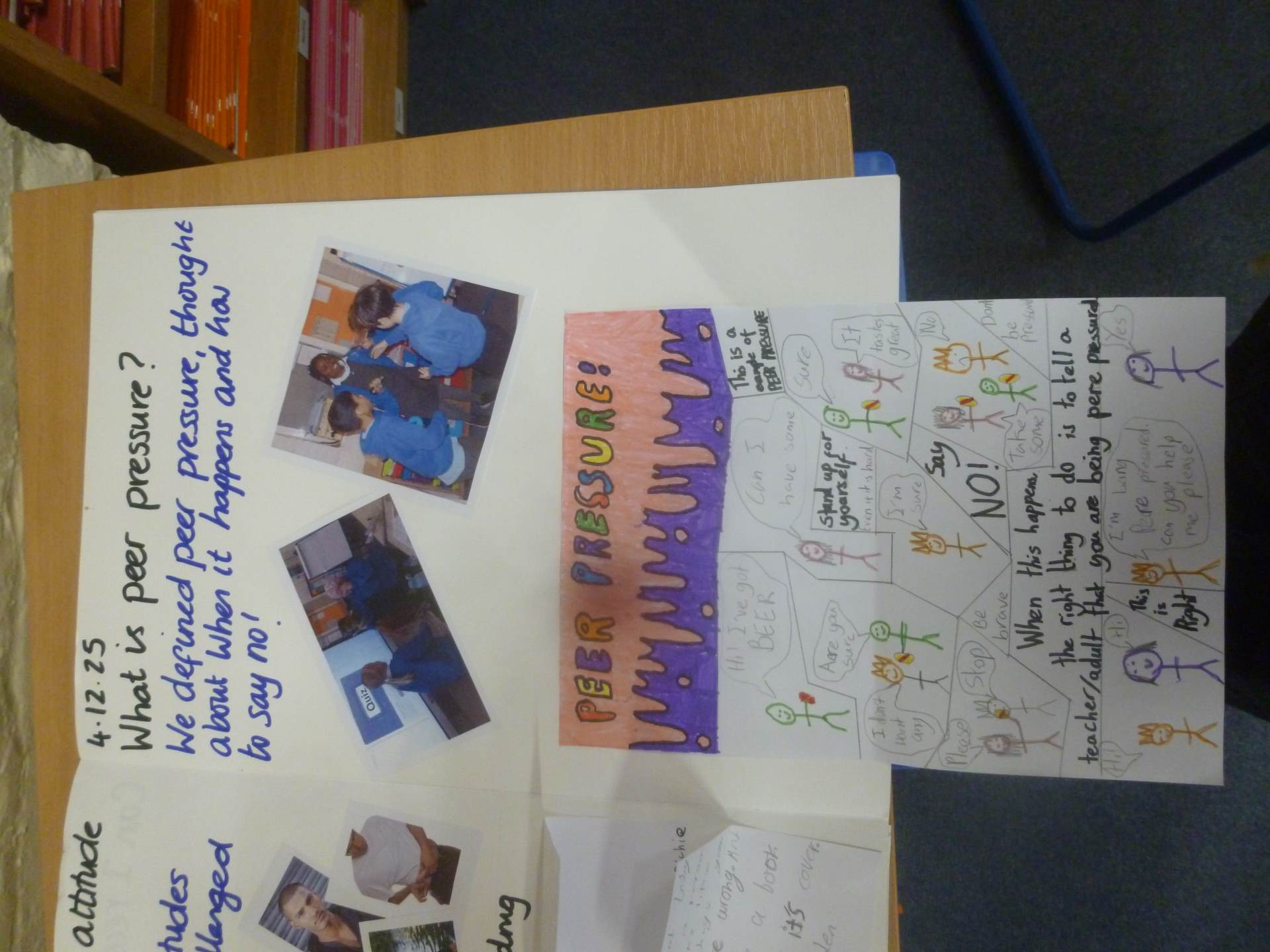
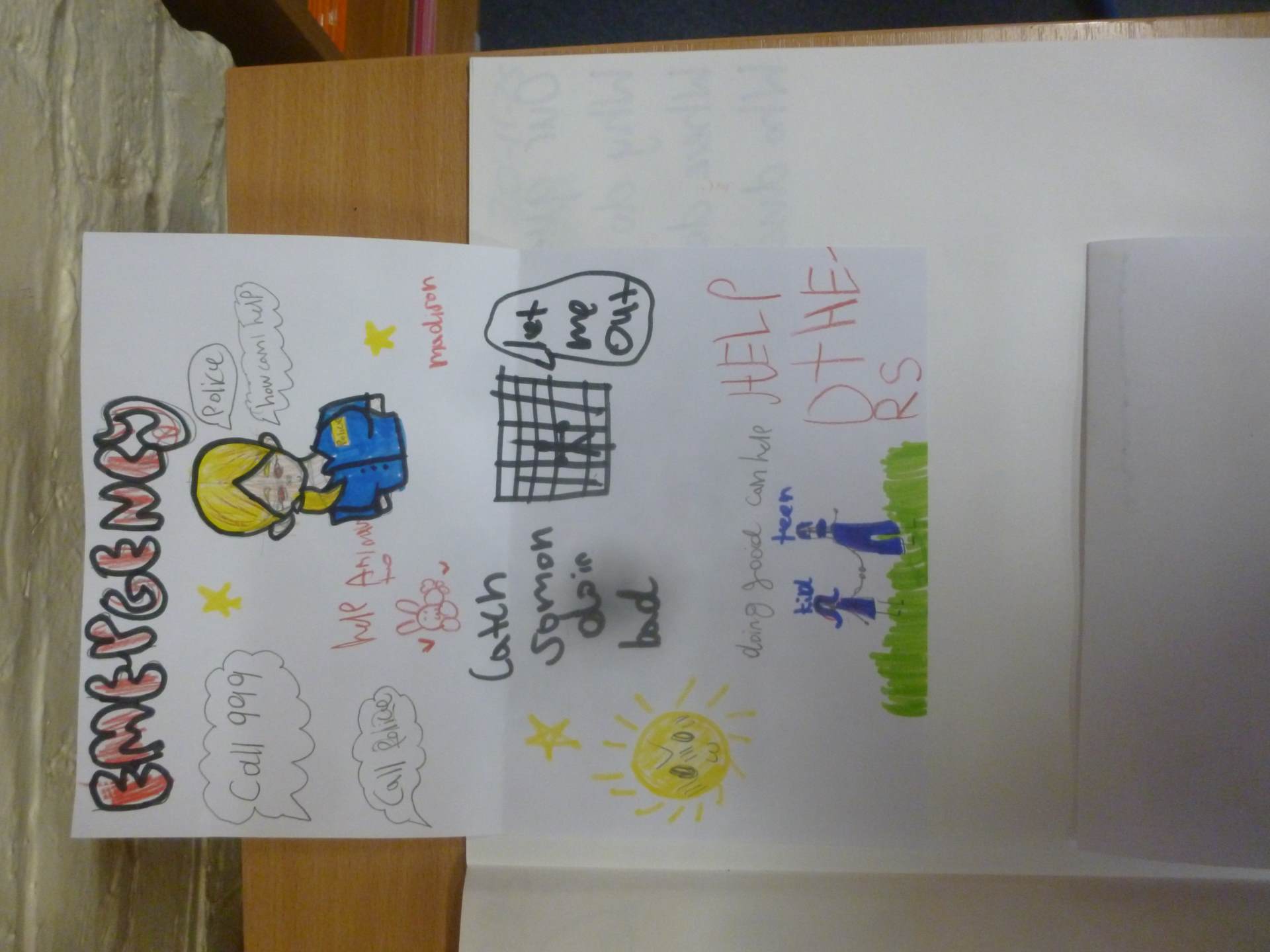
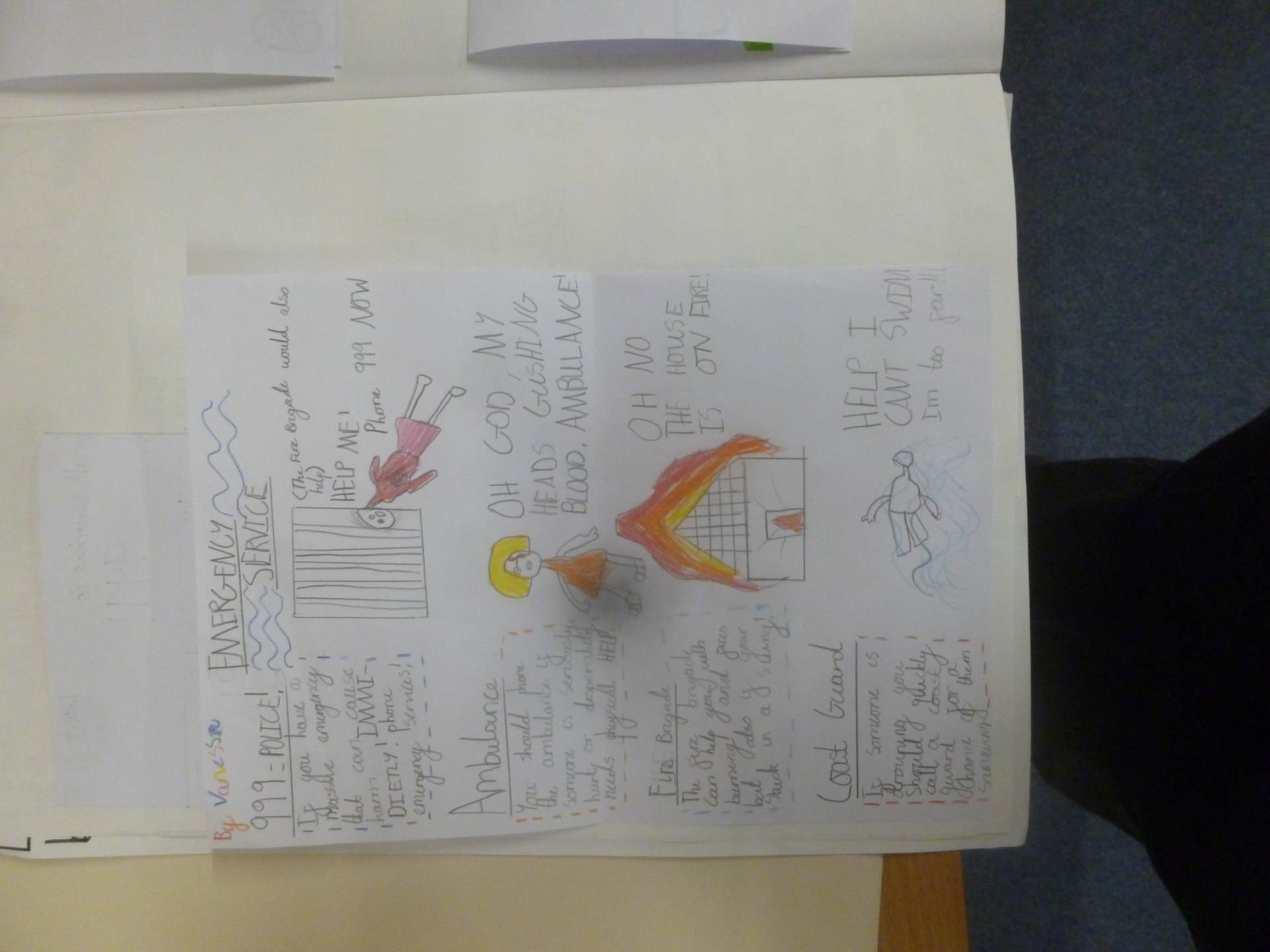
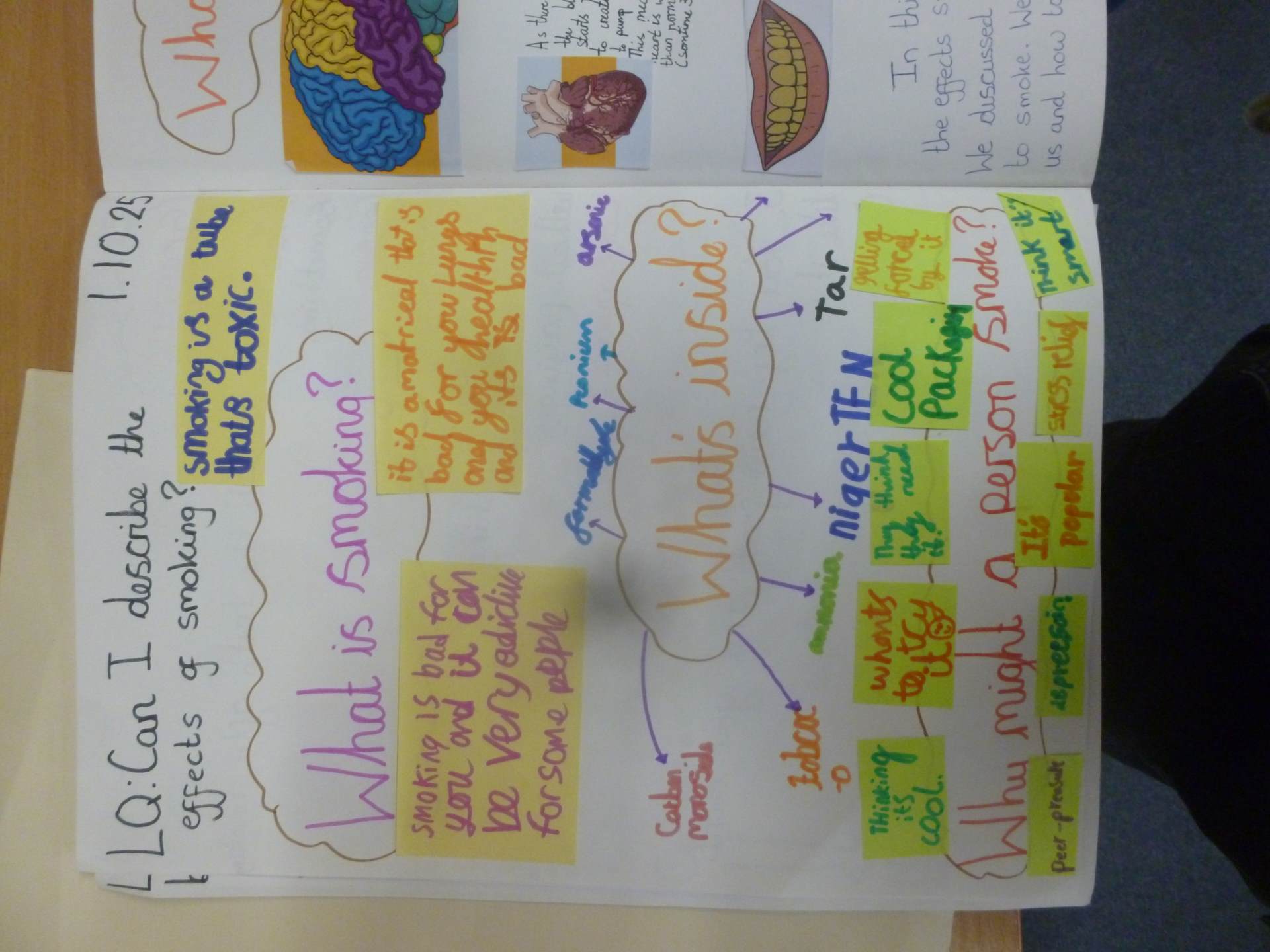
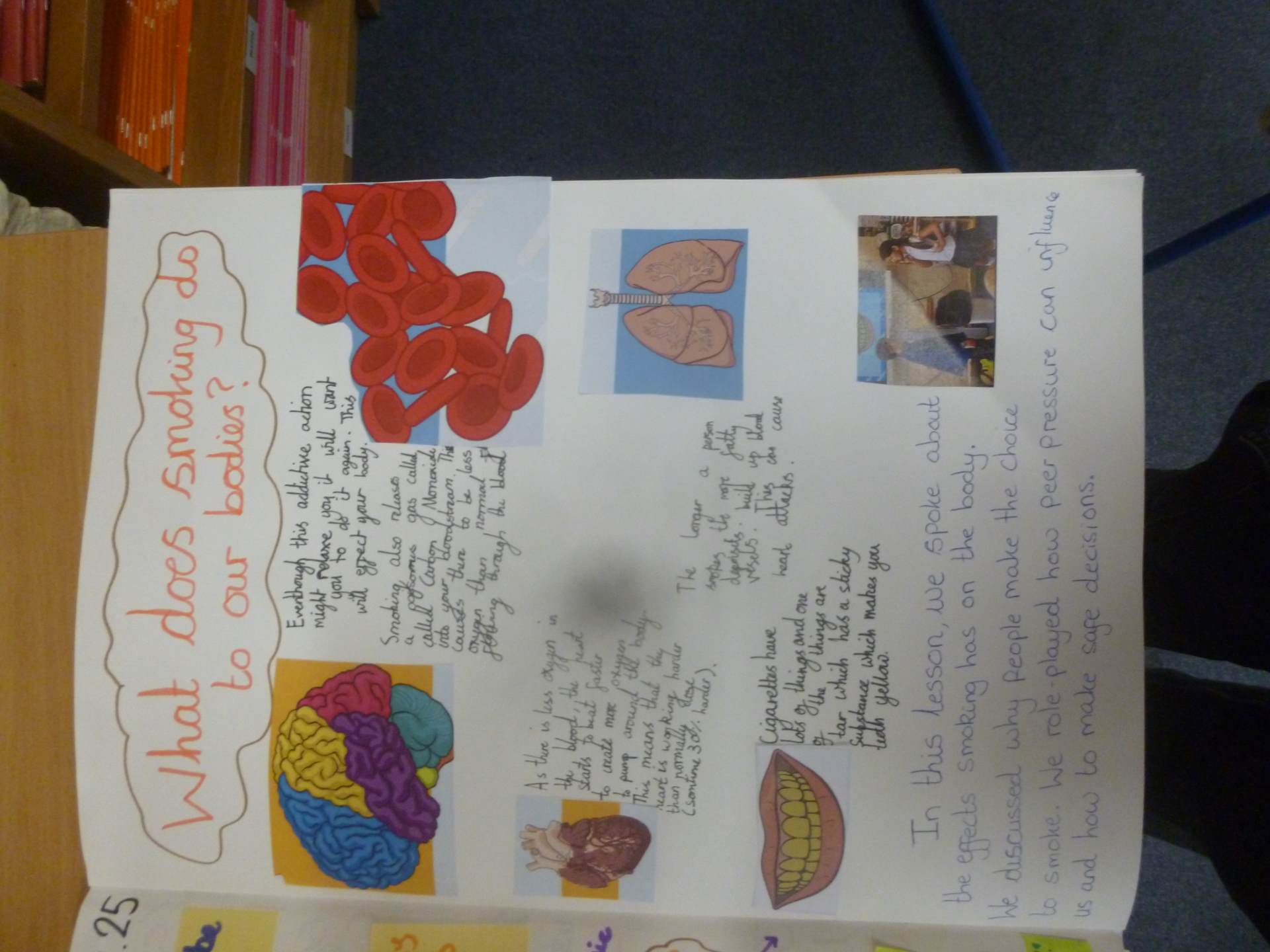
Year 6 consolidates and extends all previous learning, preparing pupils for the transition to secondary school. They handle moral dilemmas, family conflict and peer pressure, with a focus on negotiation, compromise and personal safety. Online safety and harmful behaviours are explored in greater depth, alongside discussions about love, relationships, identity. This builds directly on earlier learning about diversity, bullying and peer influence, helping children develop the maturity, resilience and respect needed for the next stage of their education and personal lives.