Maths is taught everyday and largely follows a structure of a short mental/arithmetic starter followed by the core lesson. Lessons are grouped into units by subject.
The units and order of lessons follow the medium-term plans / schemes of learning as set out in White Rose Maths. Lessons are based on small steps to ensure full and deep understanding.
Lessons follow the mastery structure of starting with varied fluency before moving onto to reasoning and problem-solving. When children are secure in the fluency skills studied in the lesson, they then move onto reasoning and problem-solving tasks which become progressively more challenging.
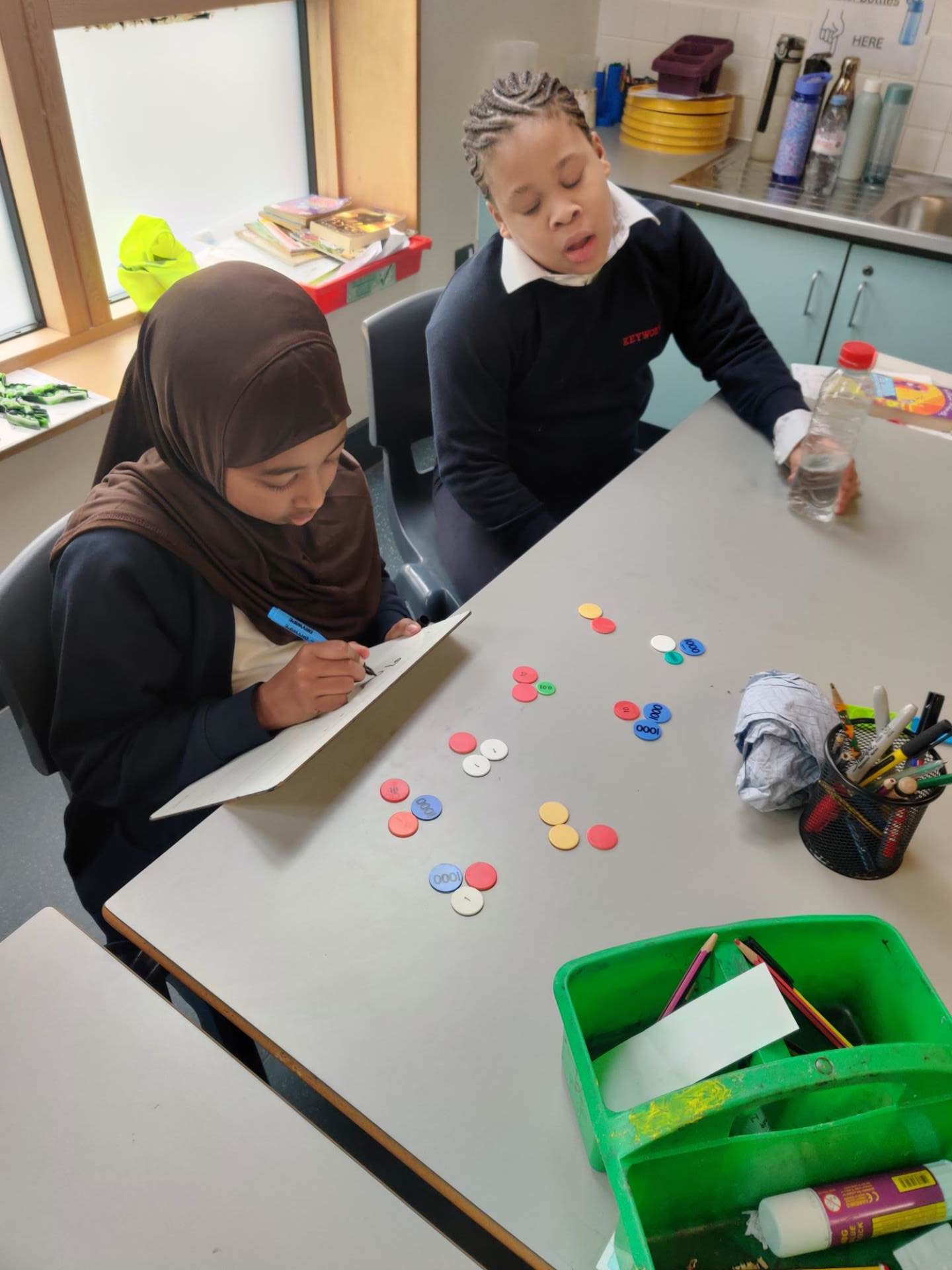
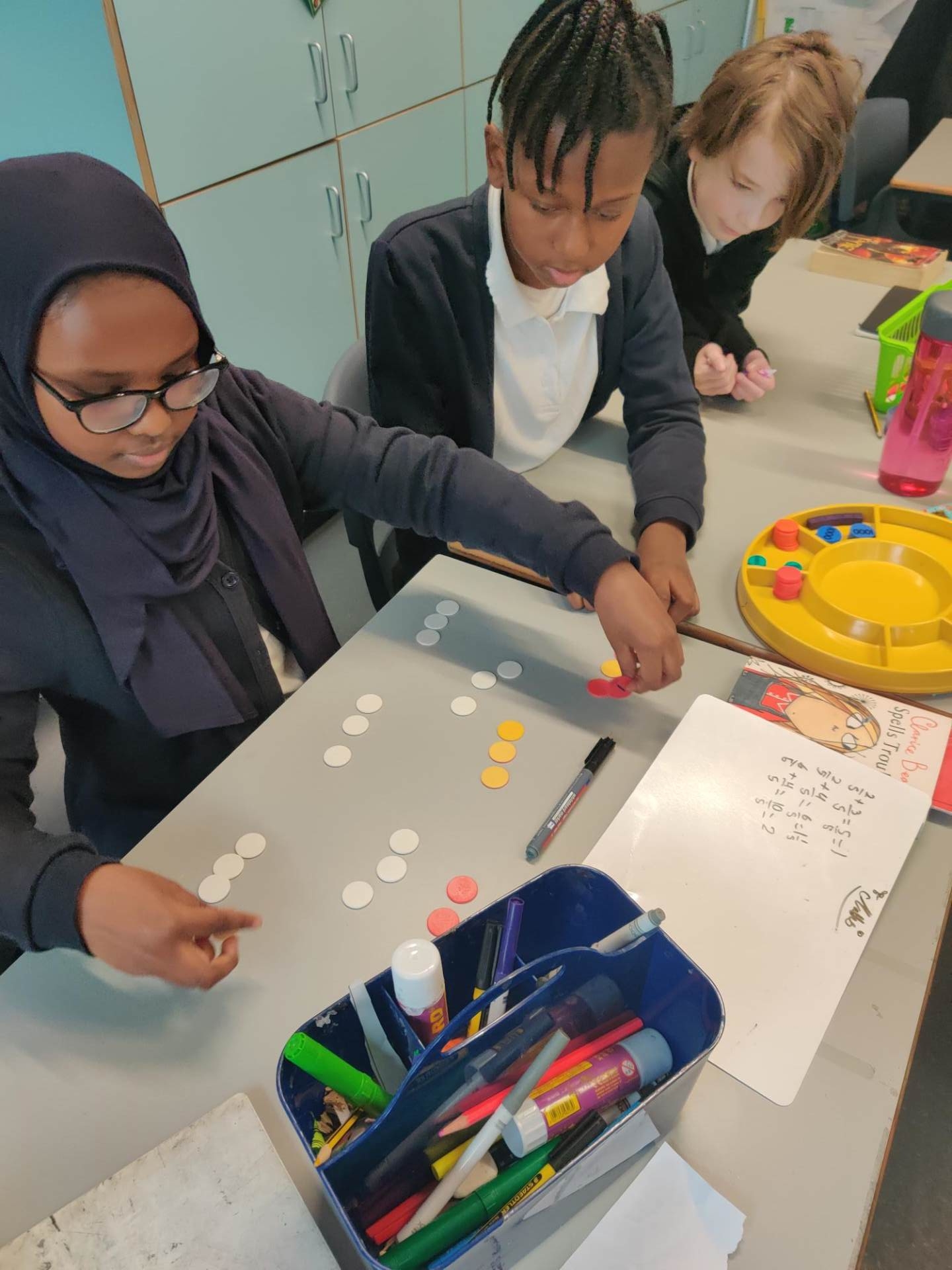
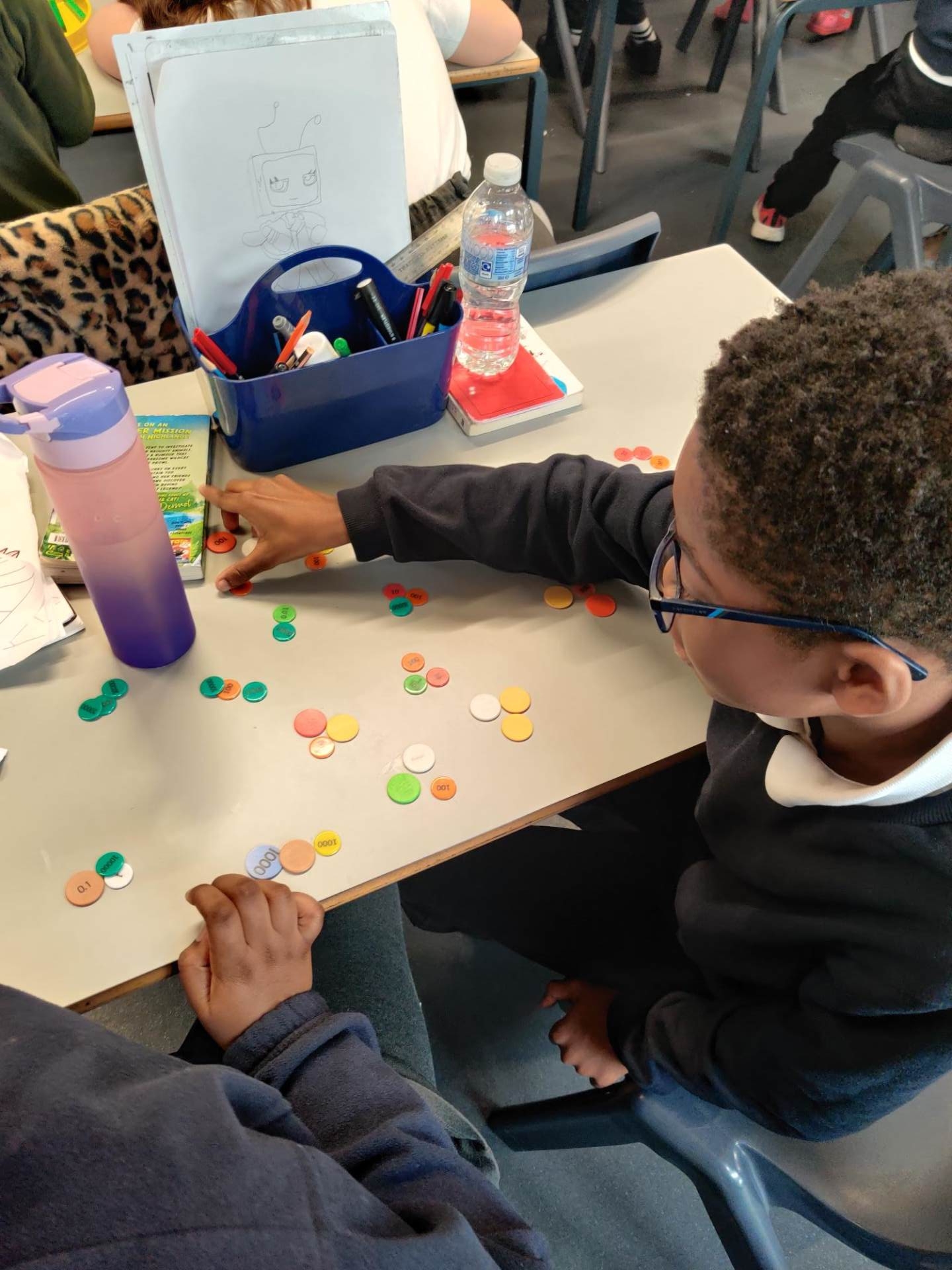
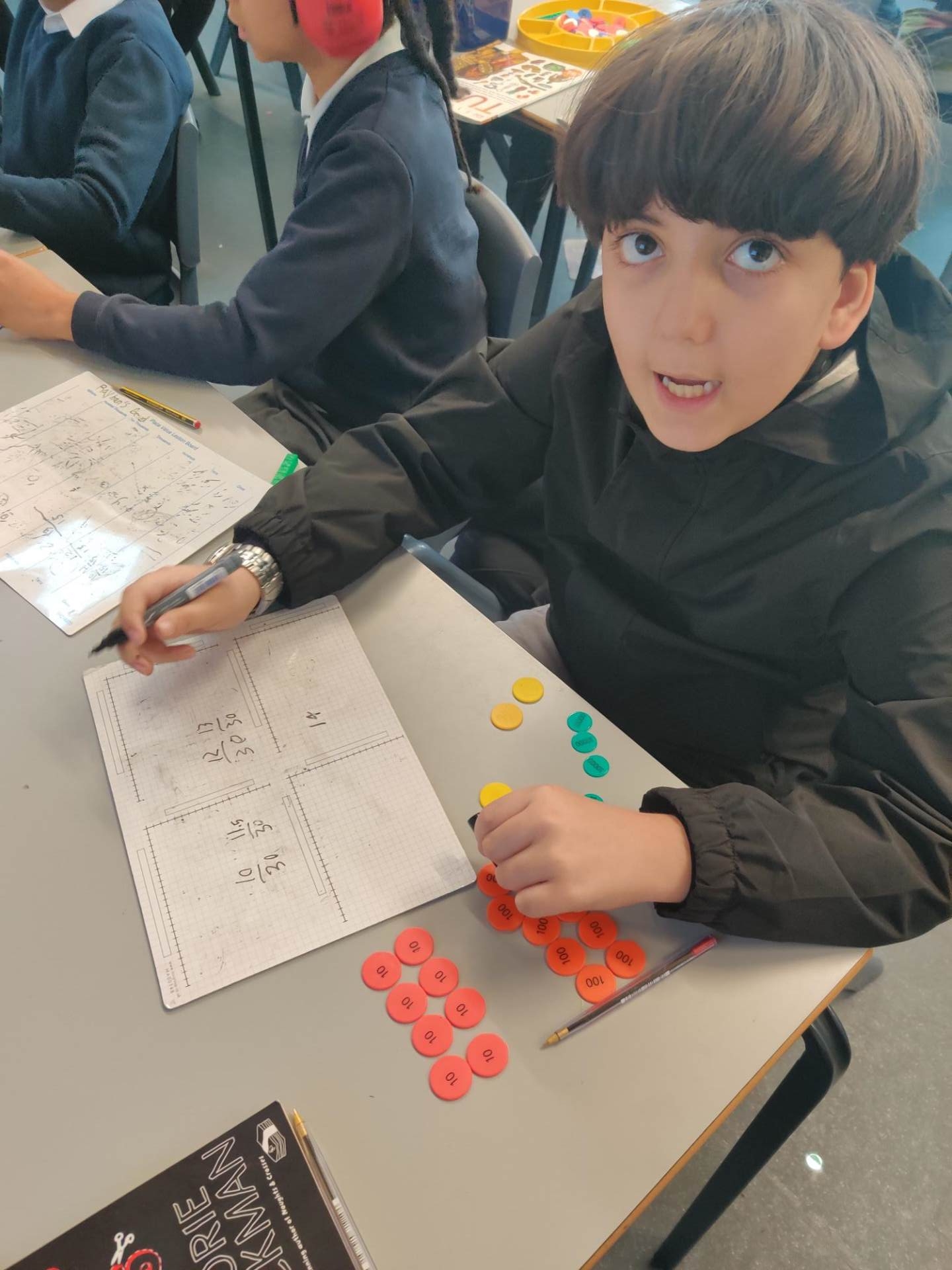
Resources (such as number lines, place value counters, dienes) are available to all pupils in any lesson where relevant and form part of the teaching. During independent work, relevant resources continue to be made available to children to choose from to support their own learning.
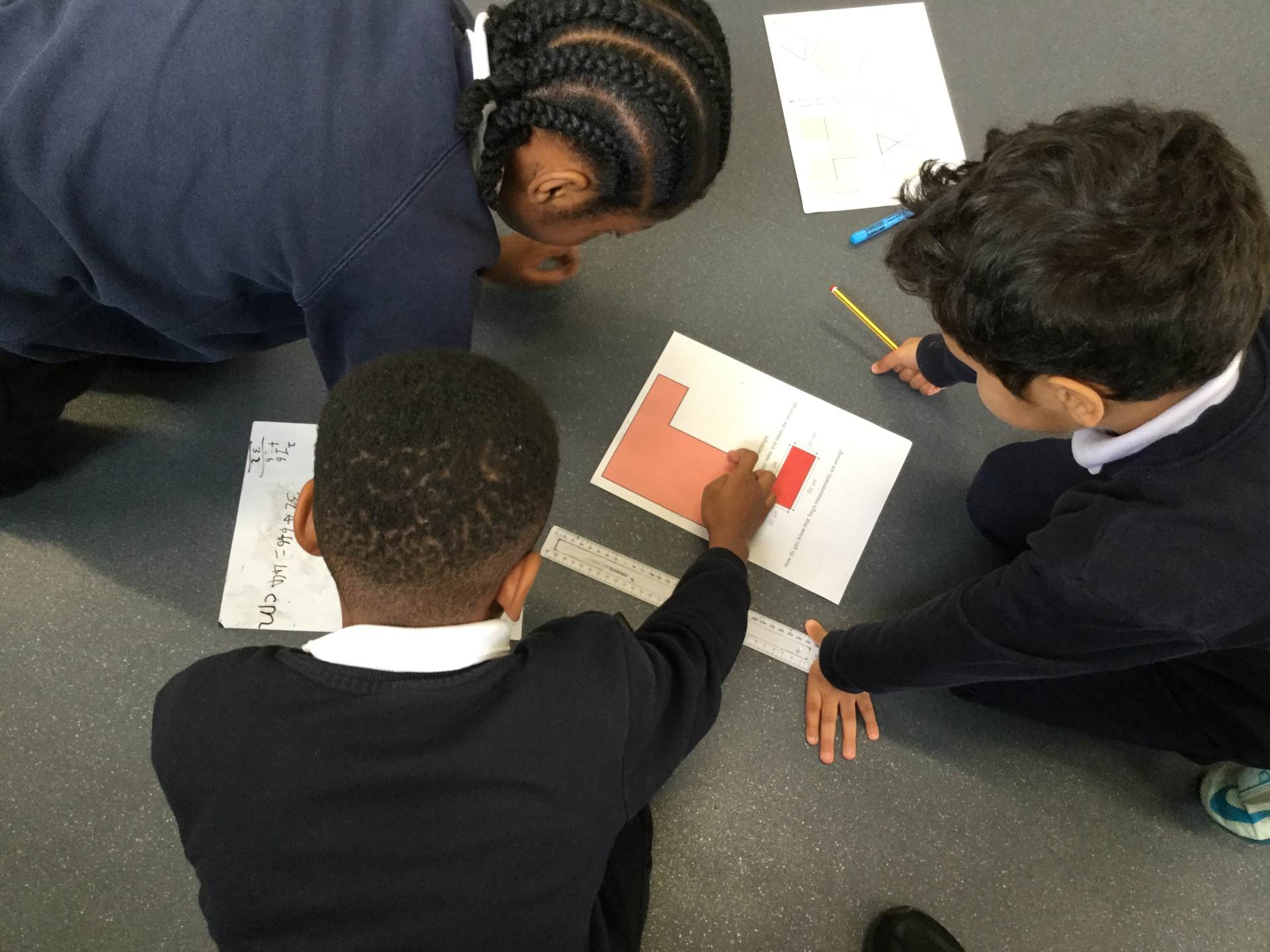
When children have completed the fluency part of a lesson, they work in a group of 3 to mark what they have done. This gives them the opportunity to discuss their answers and confirm their thinking, as well as improving their ability to prove their thinking.
In early years, the children have a short carpet session and Maths is then included in the provision each day both inside and outside.
The children use a variety of toys and practical equipment to explore number, shape and space.
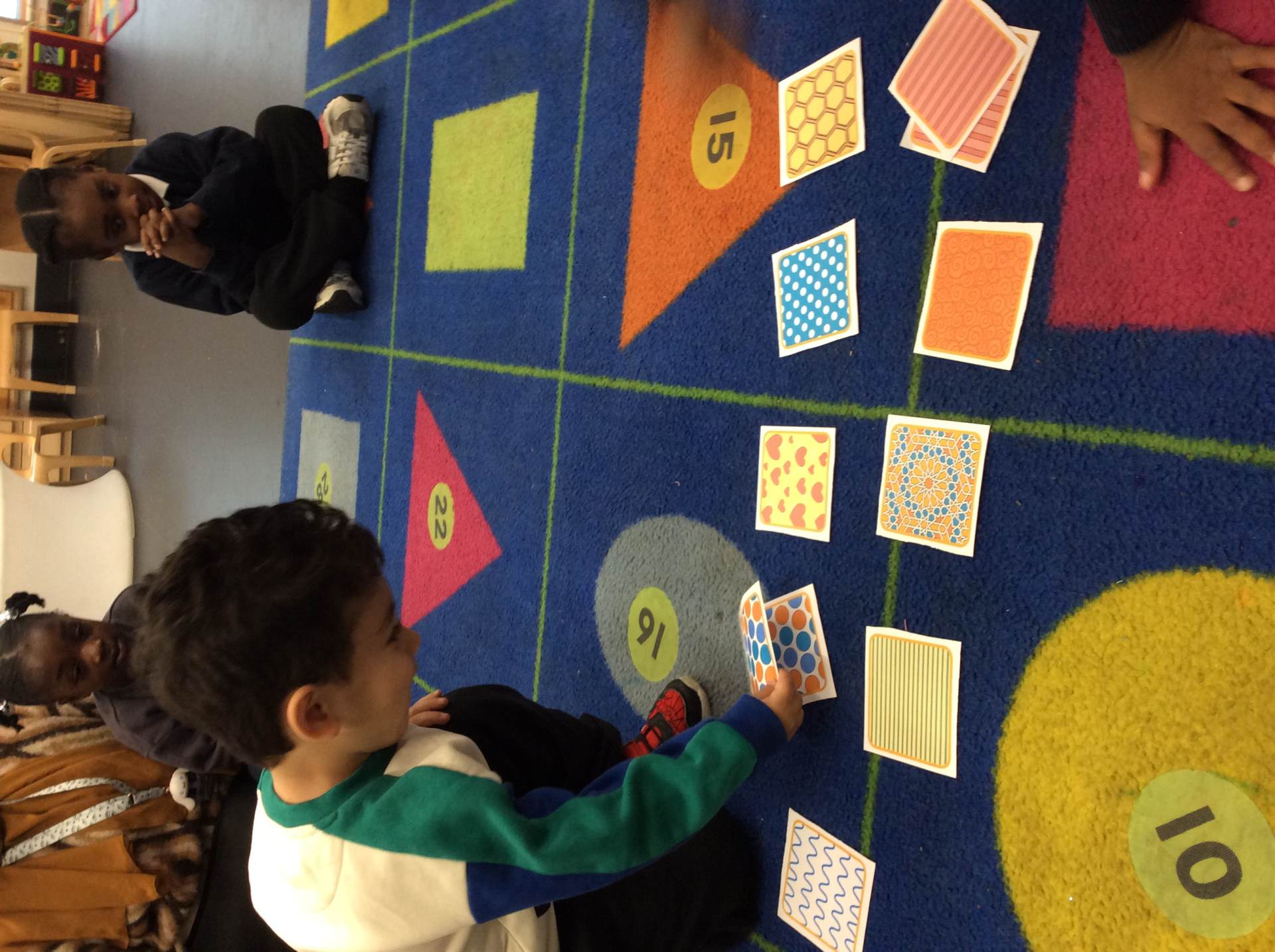
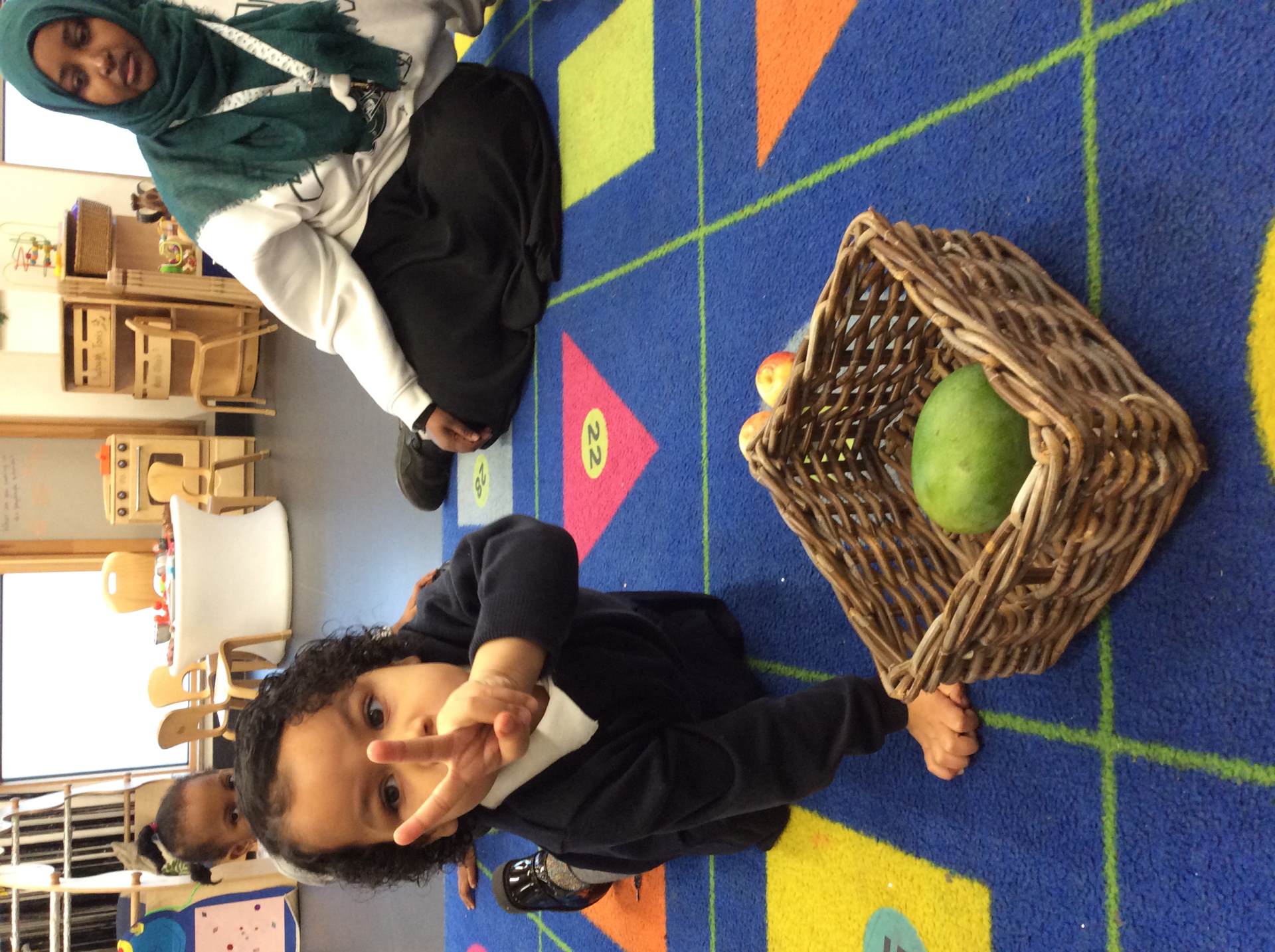
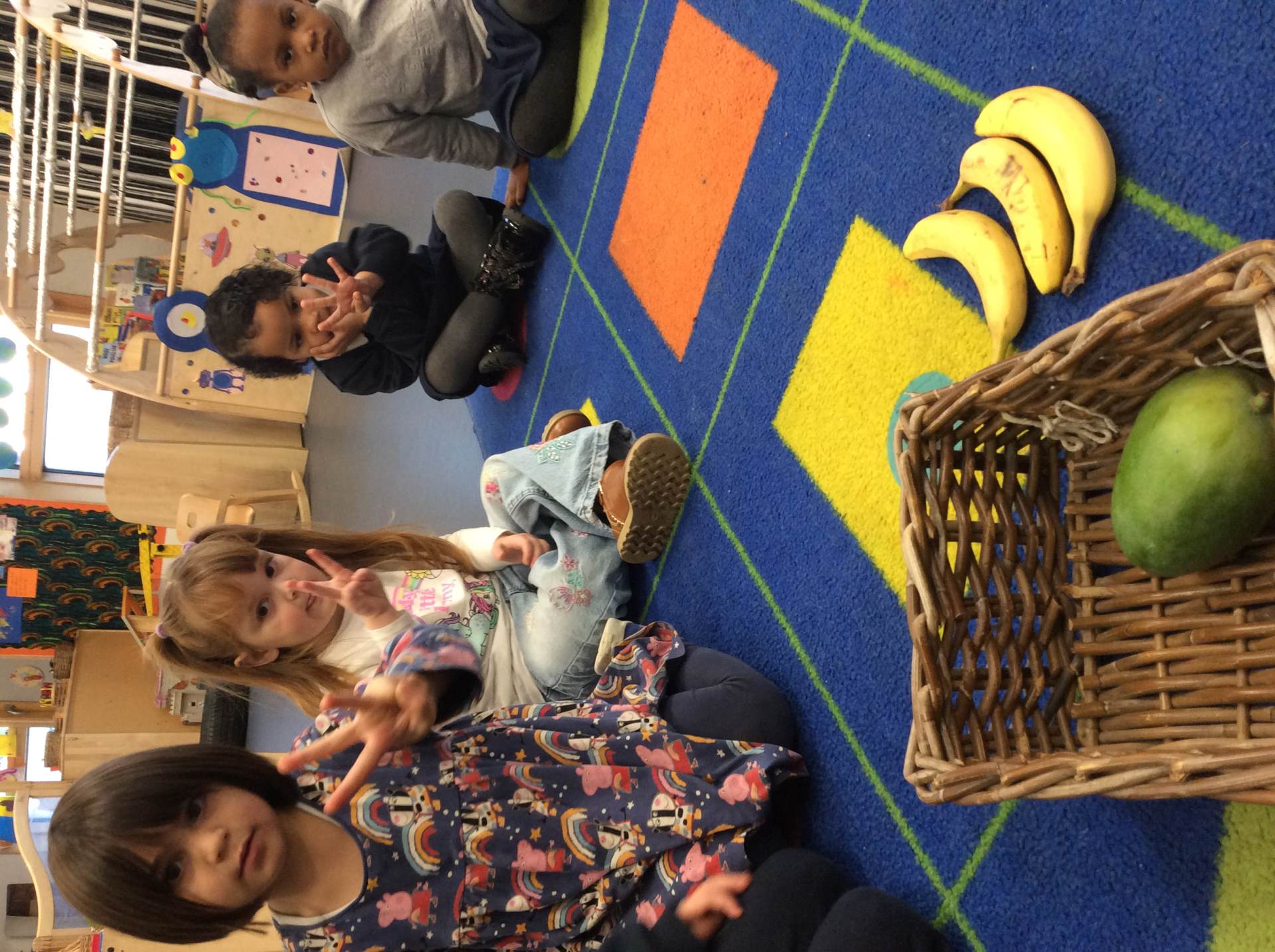
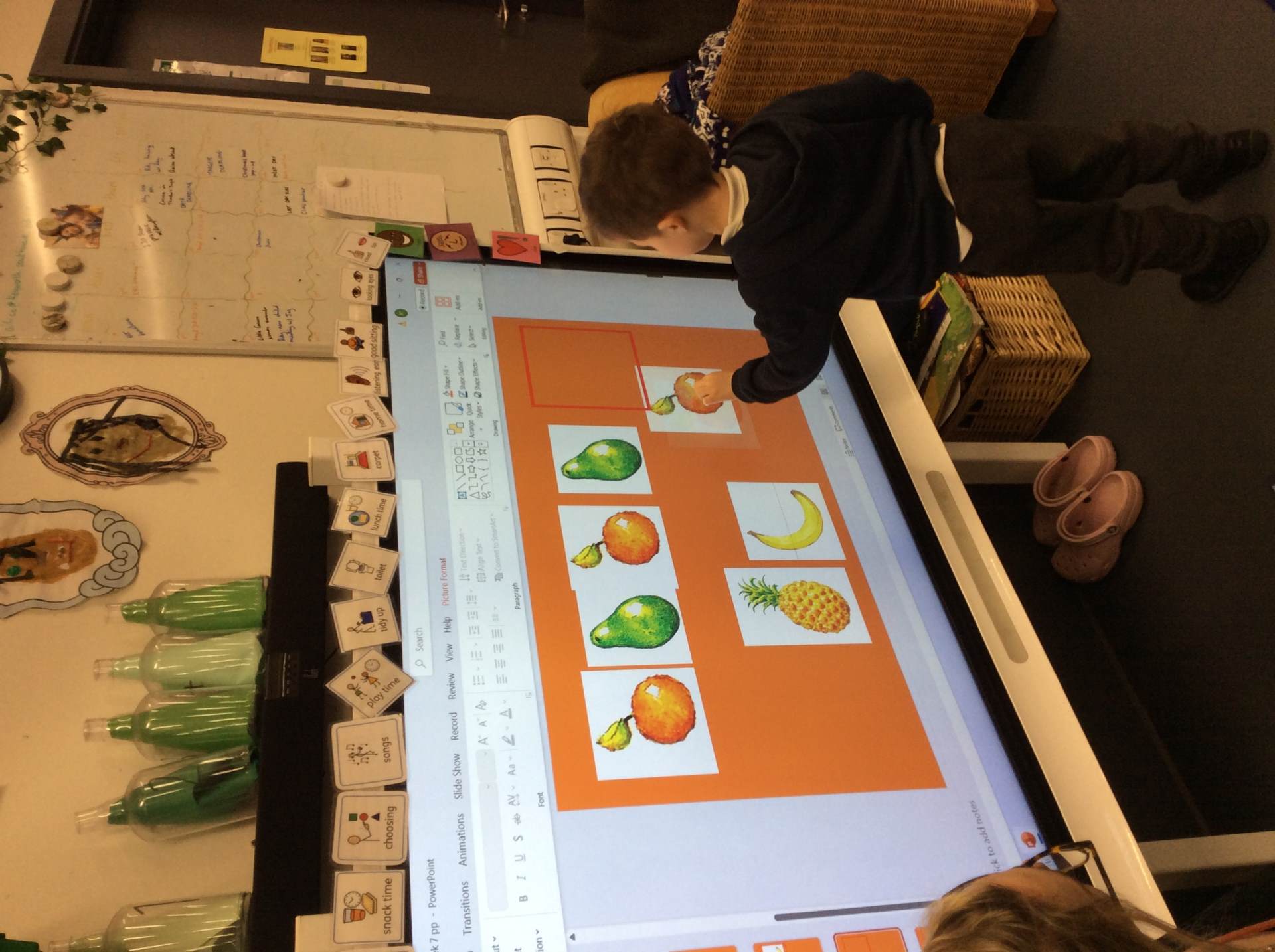
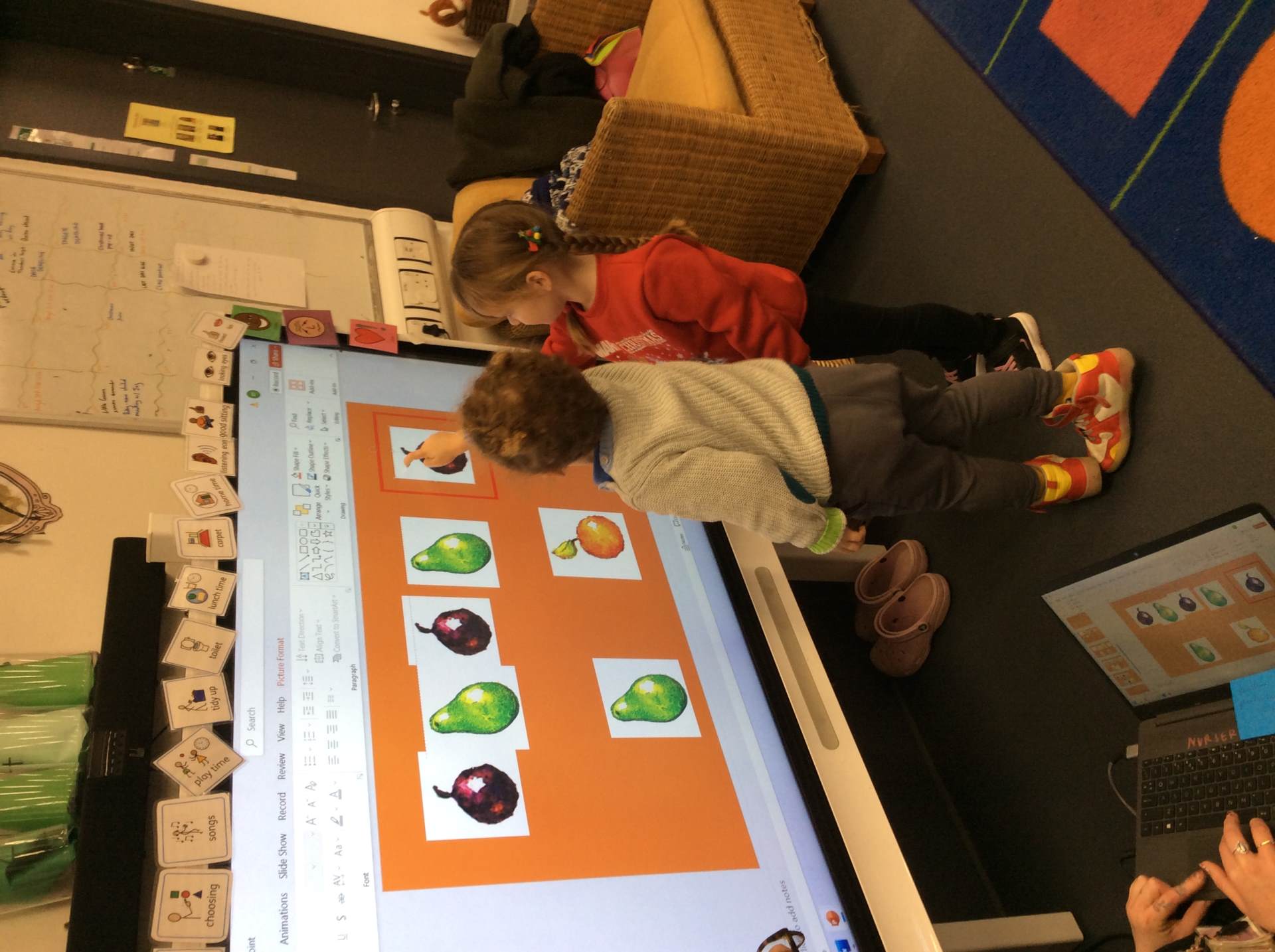
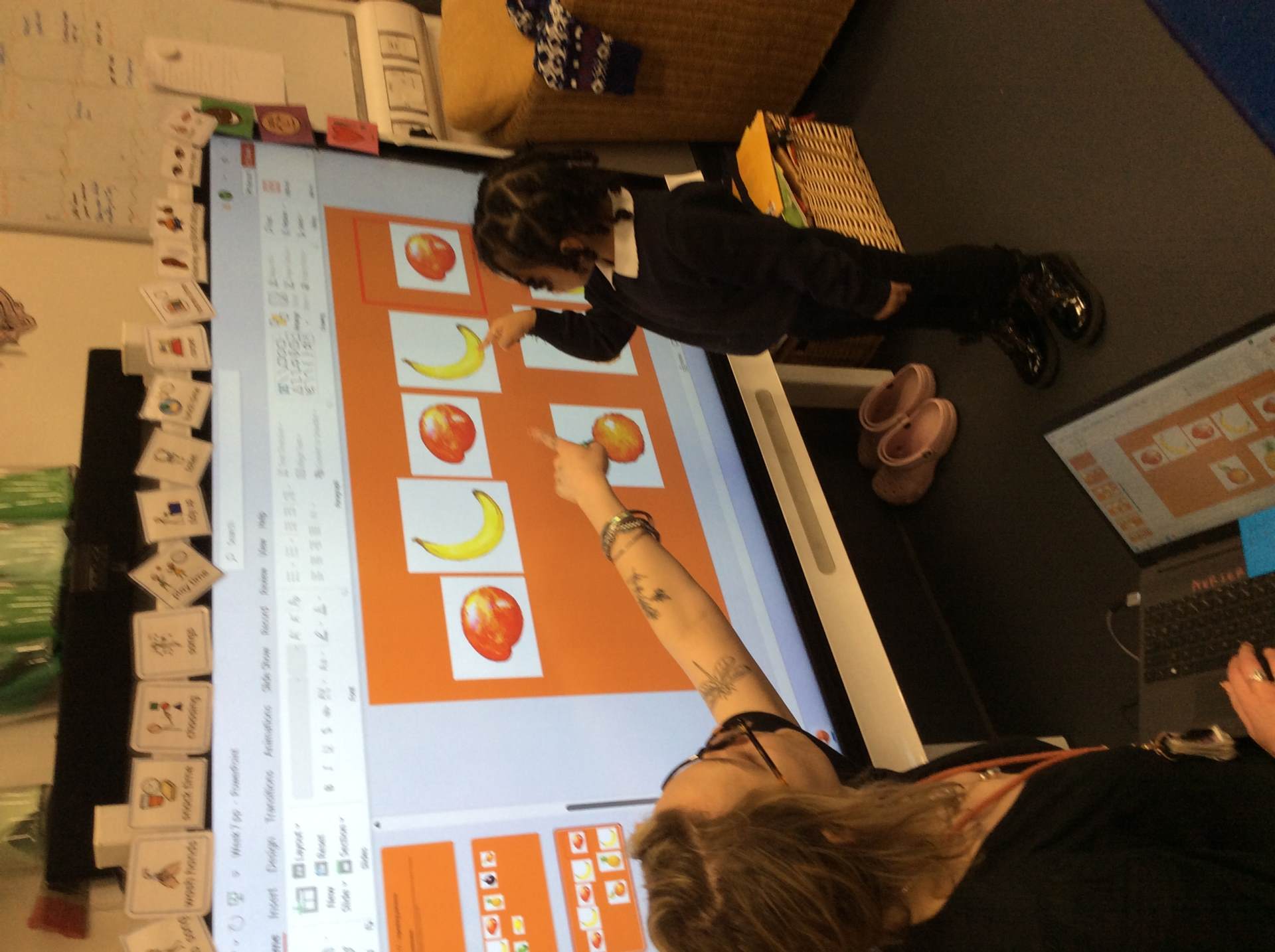
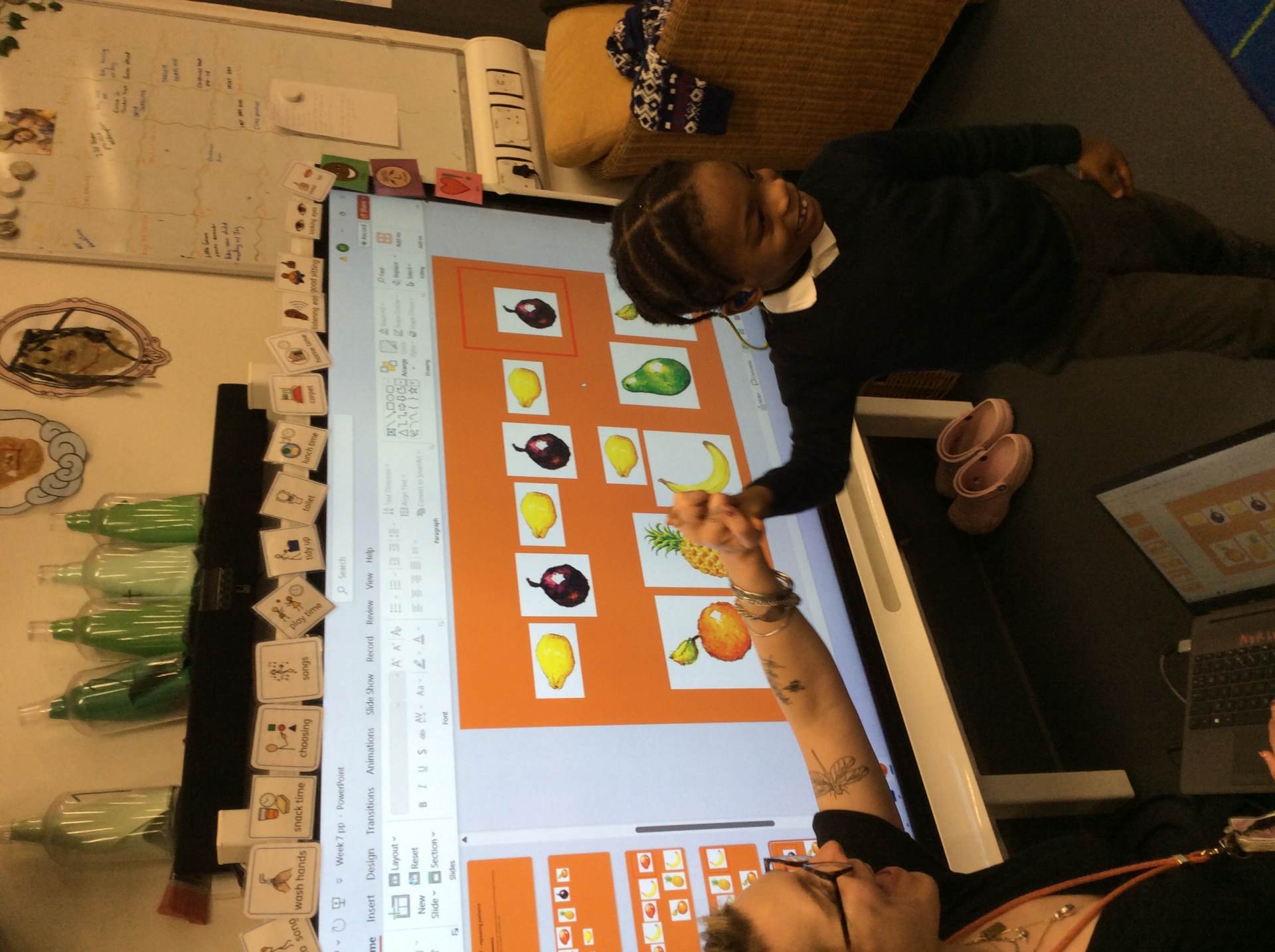
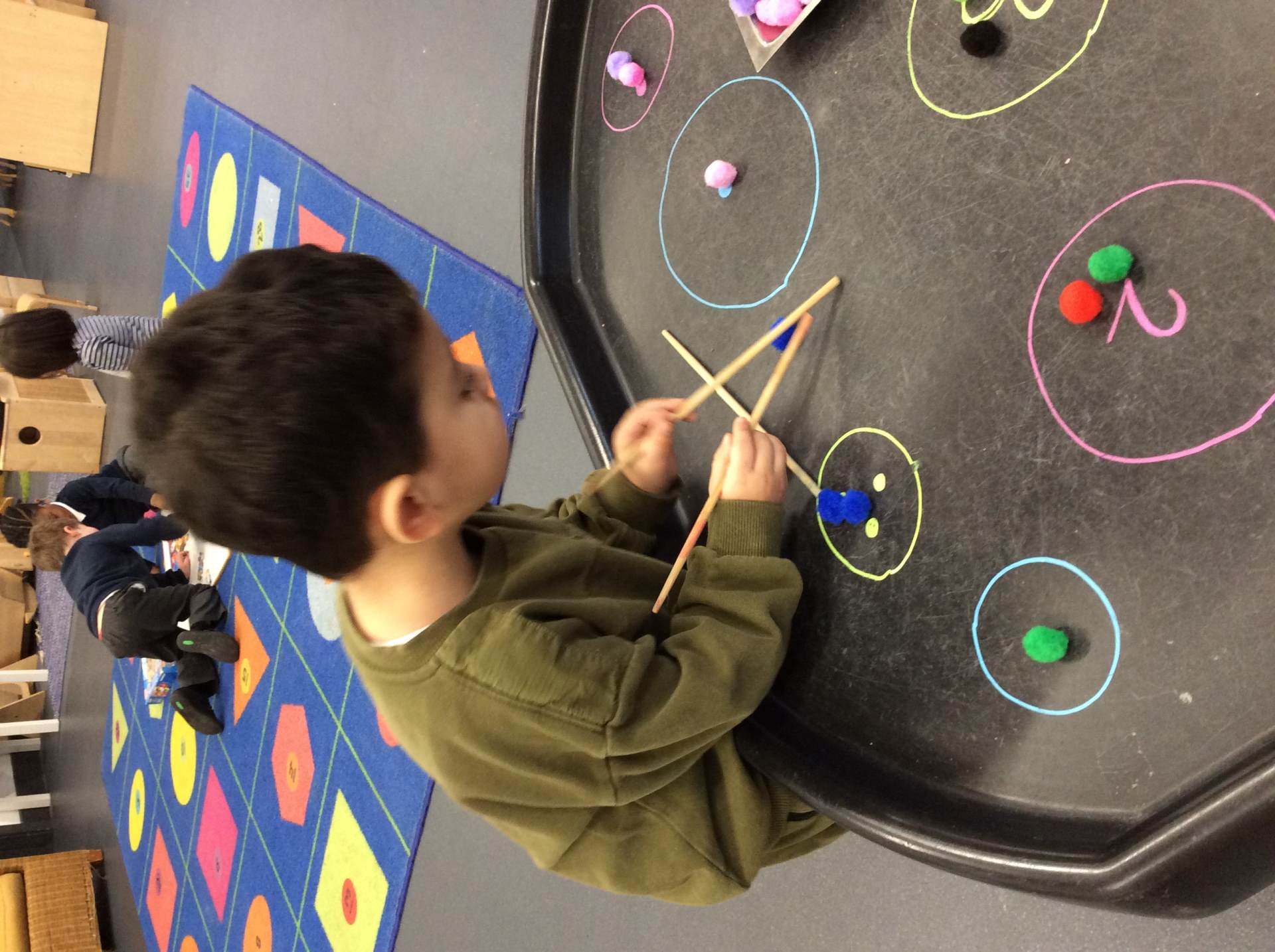
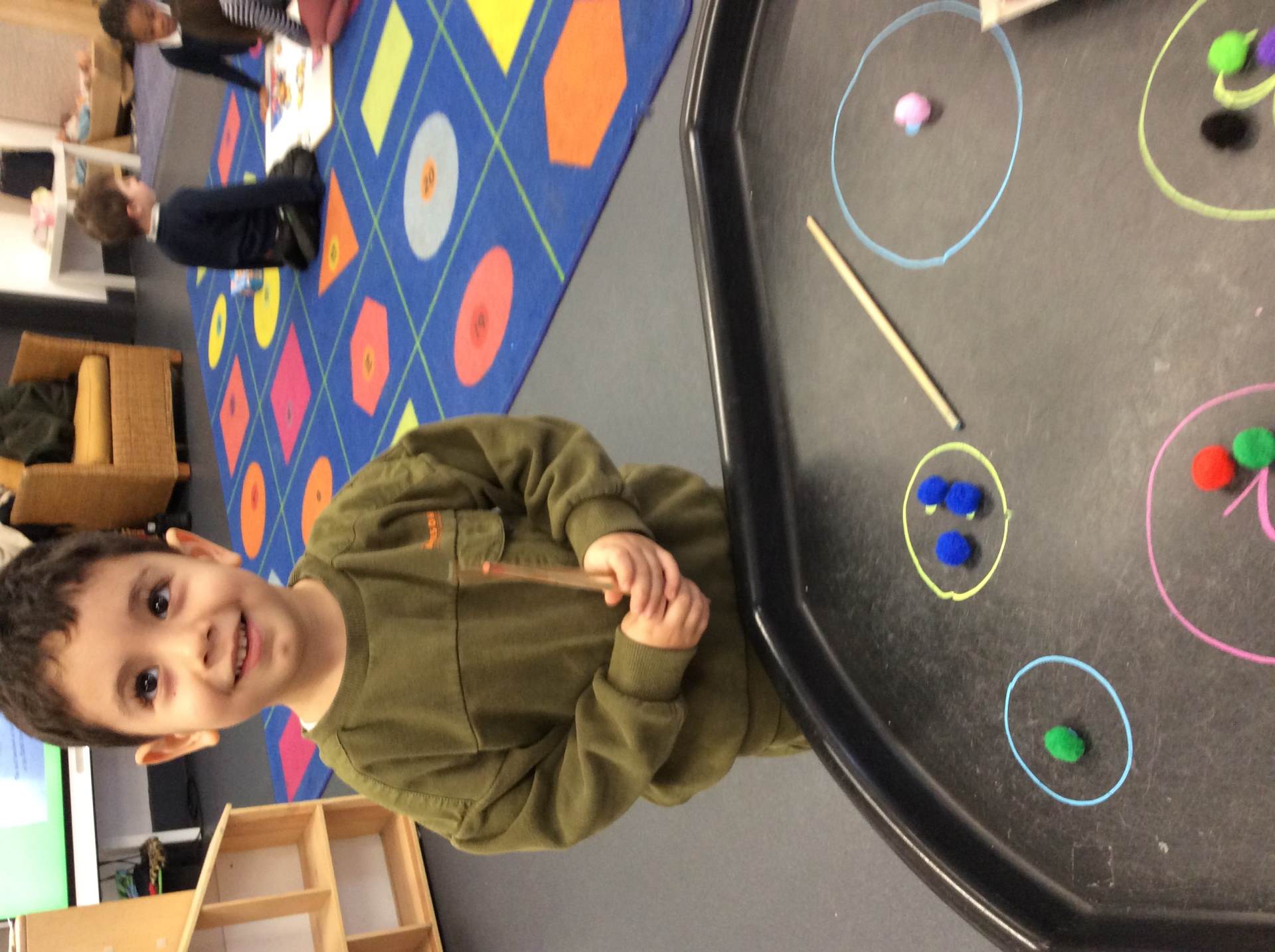
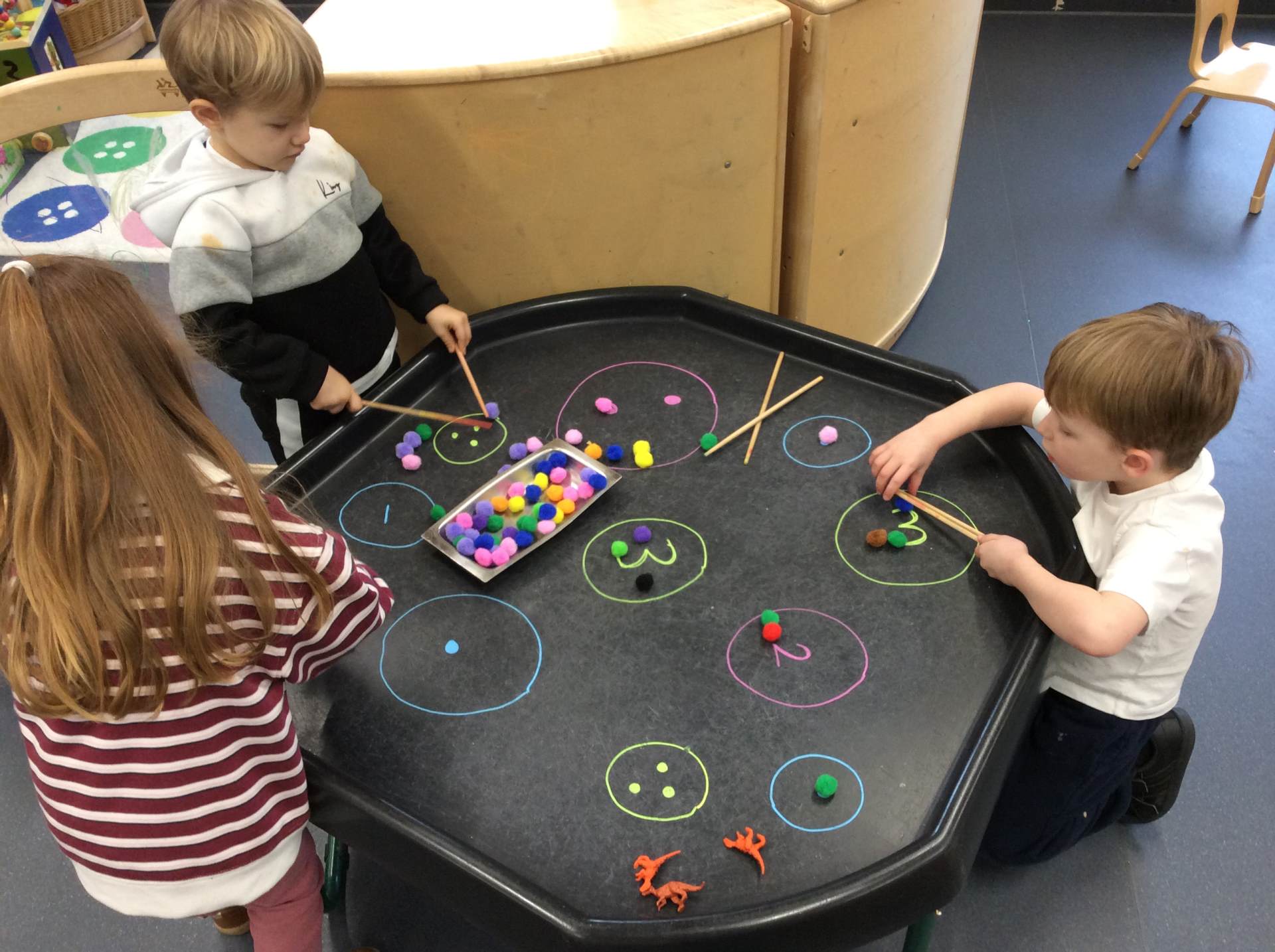
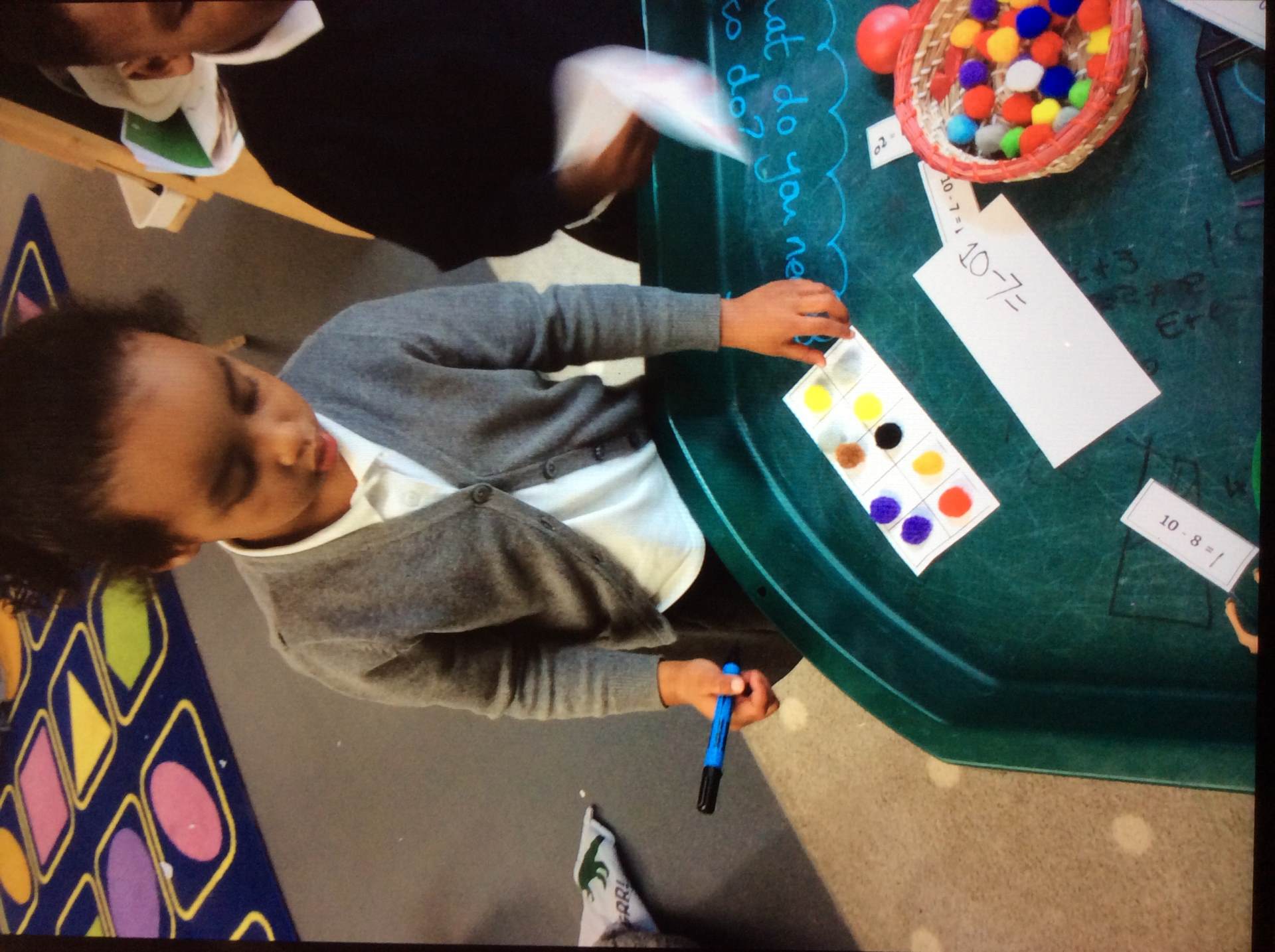
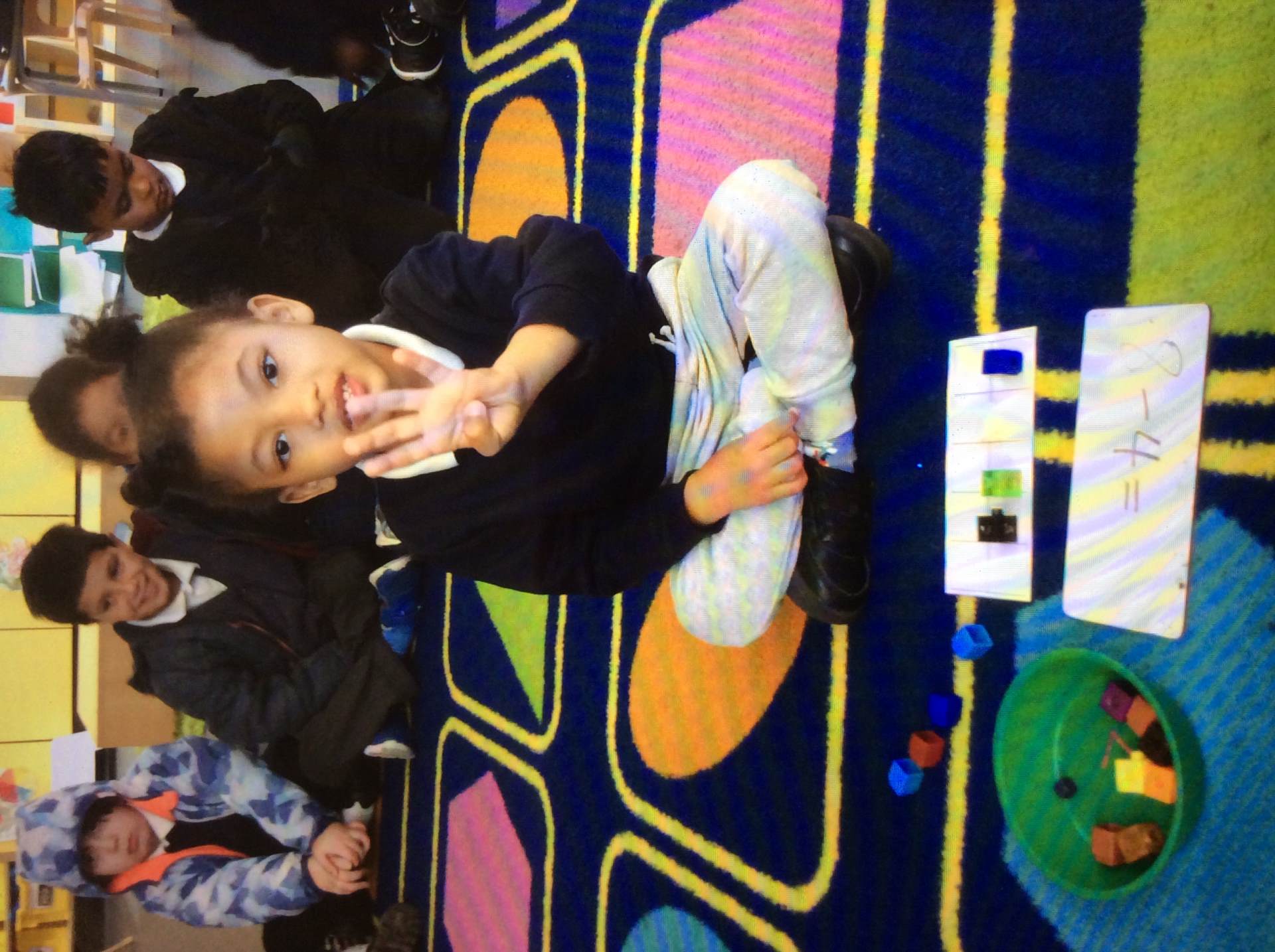
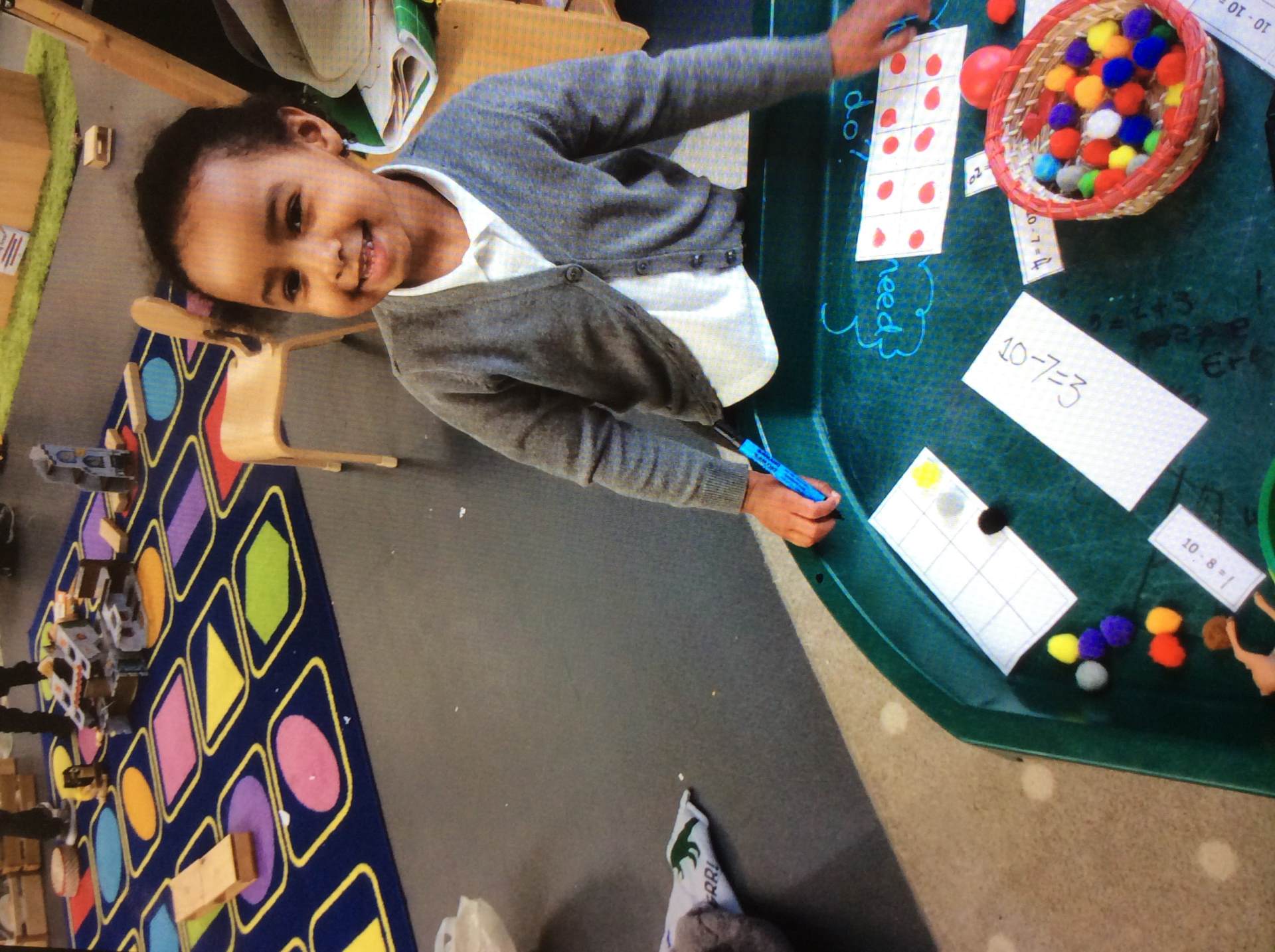
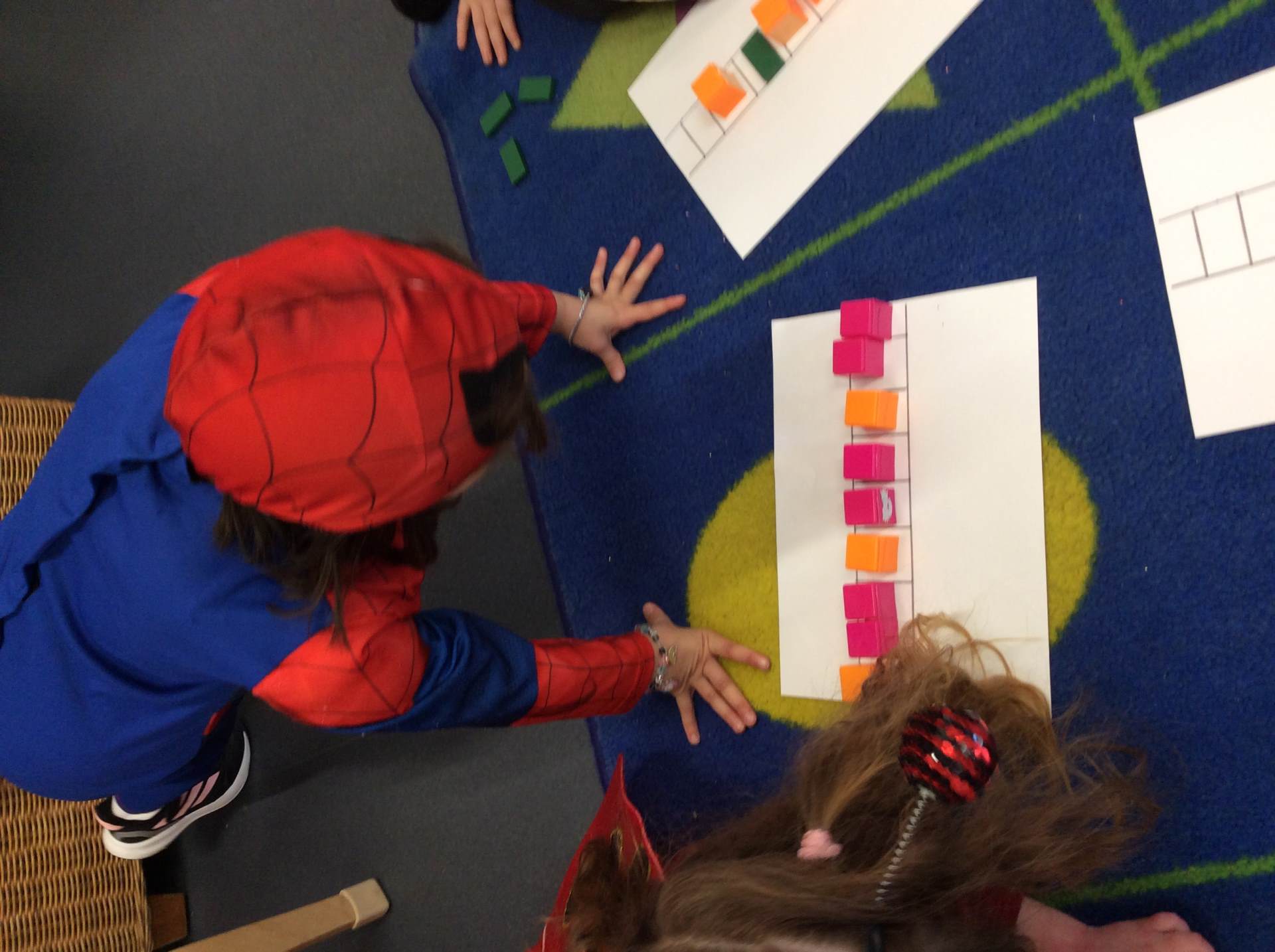
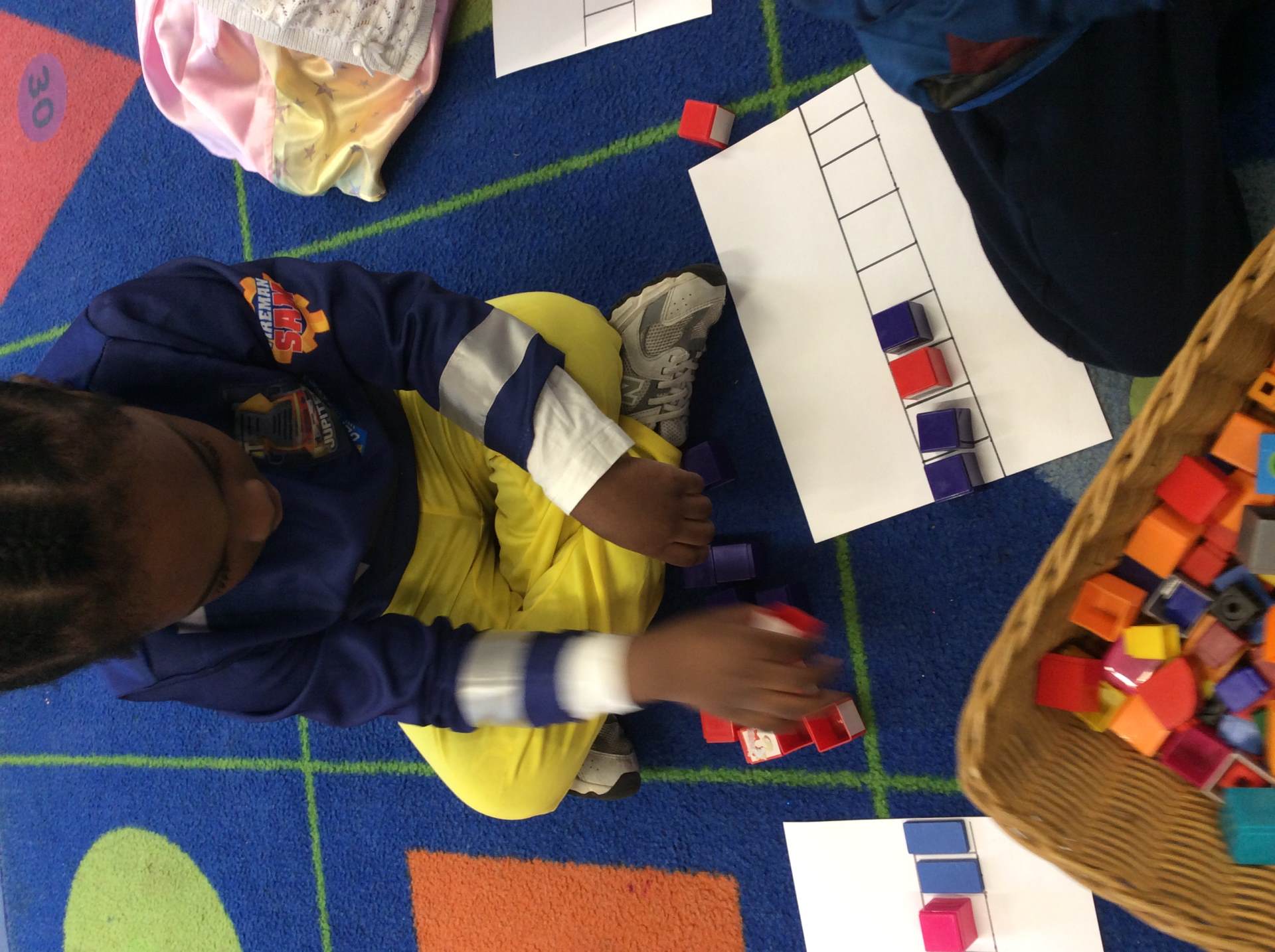
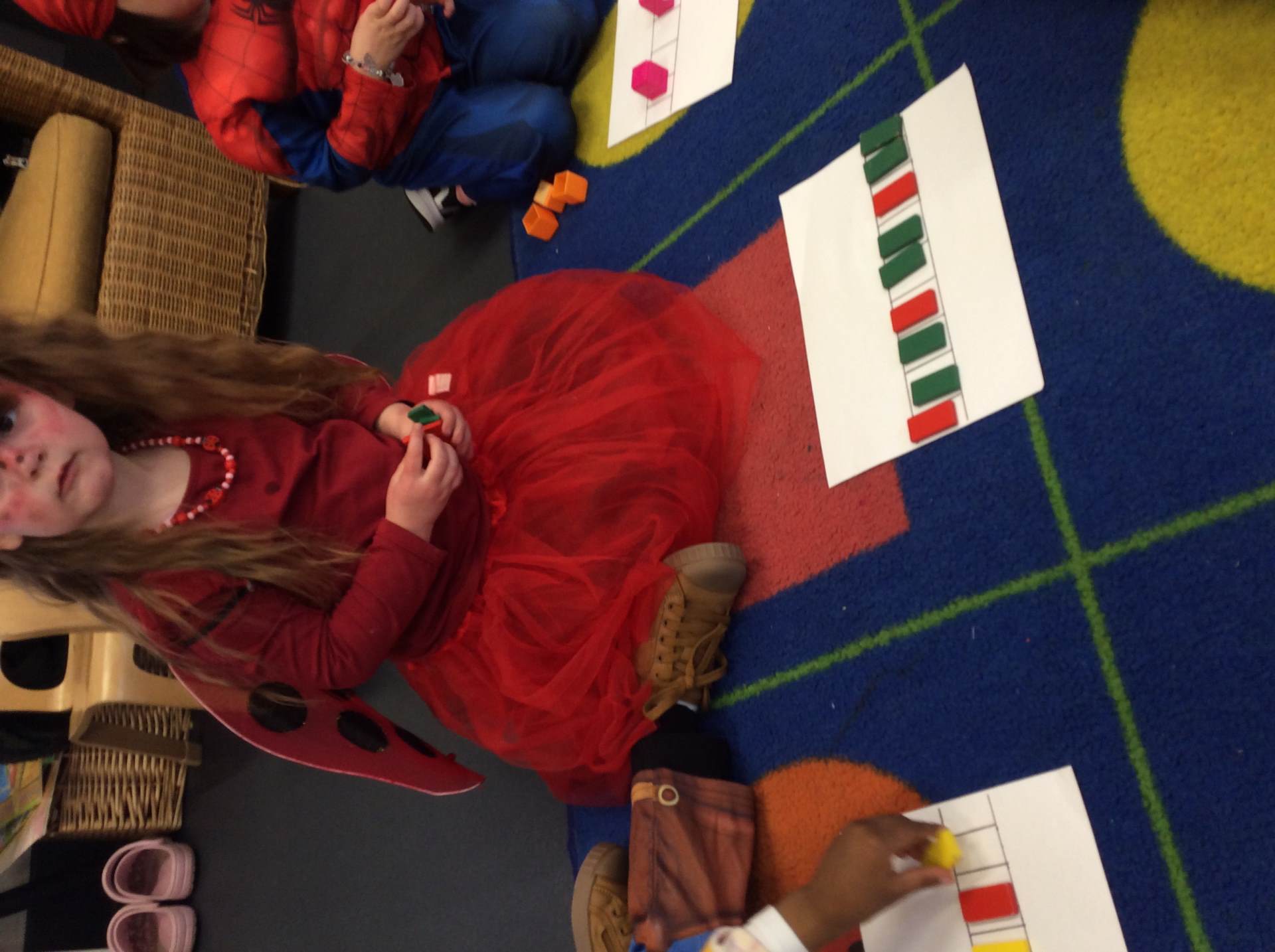
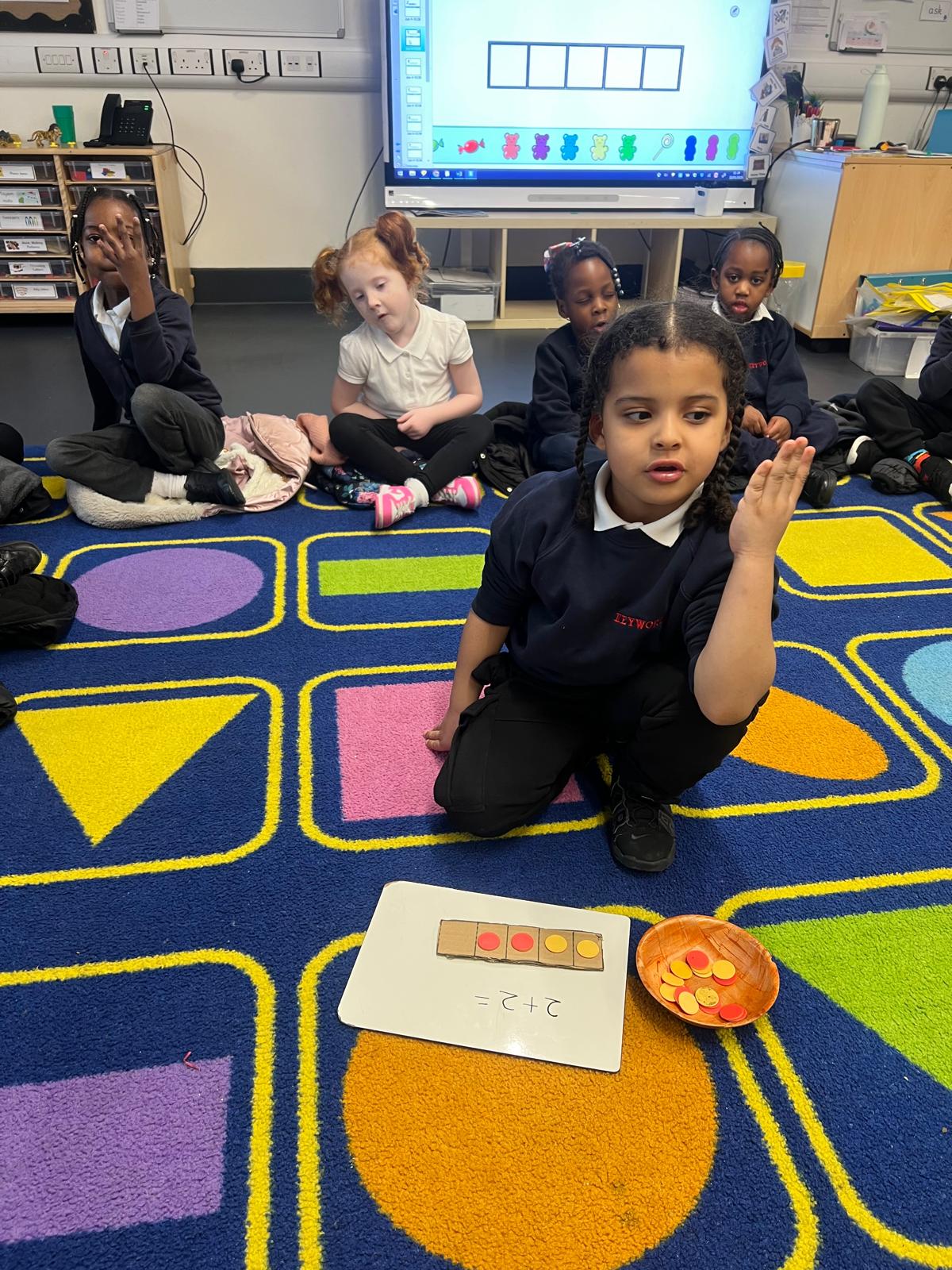
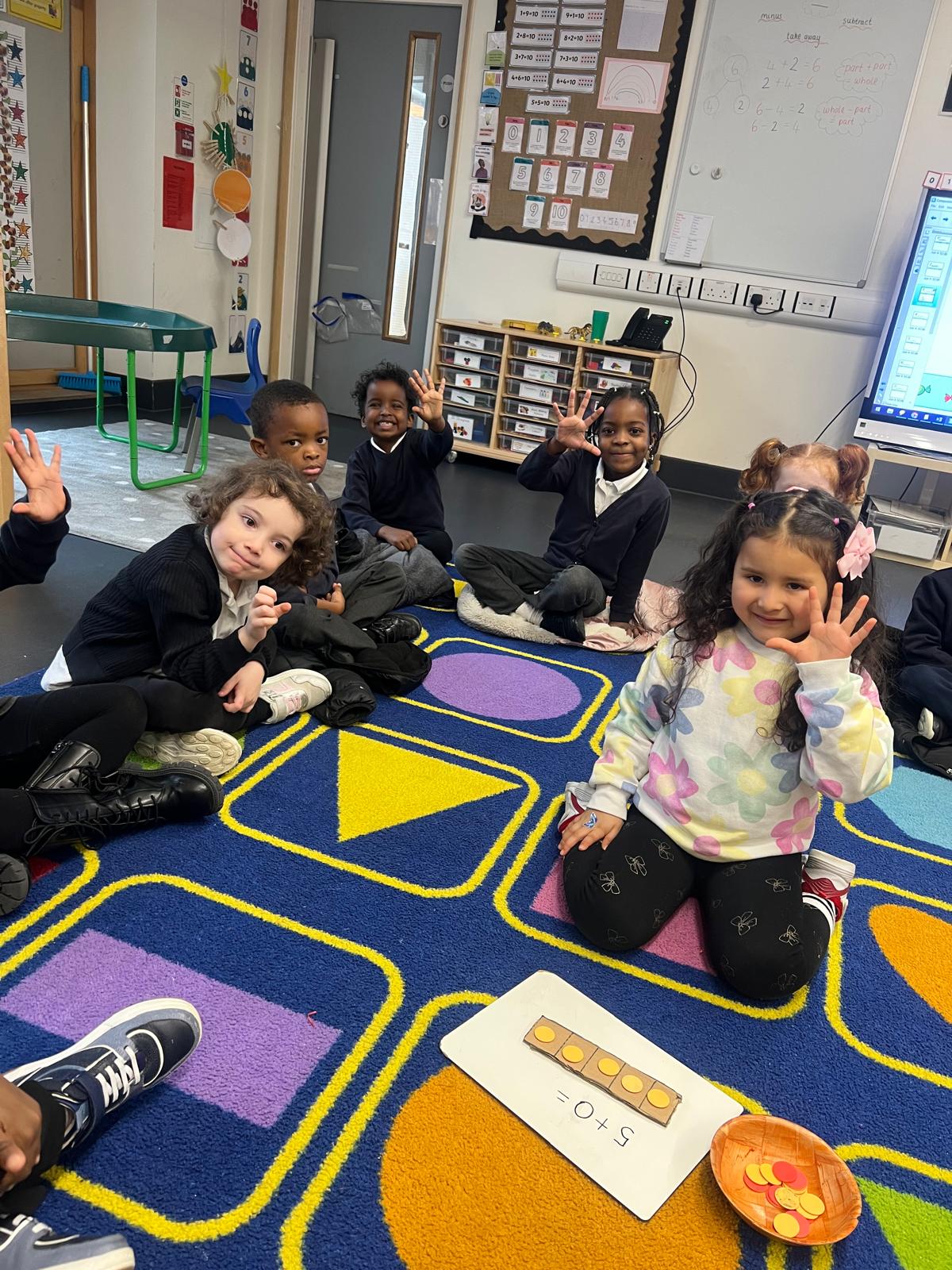
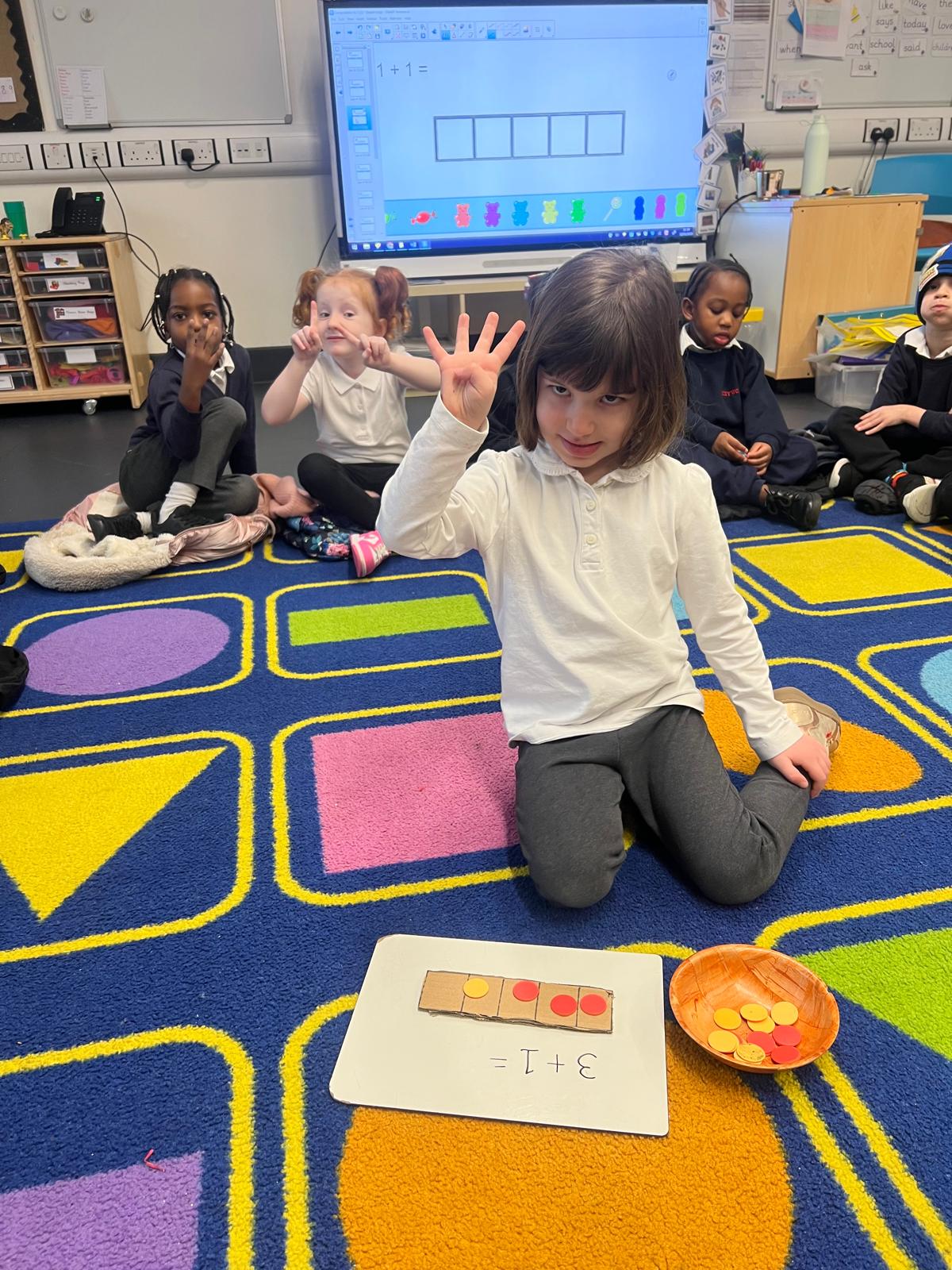
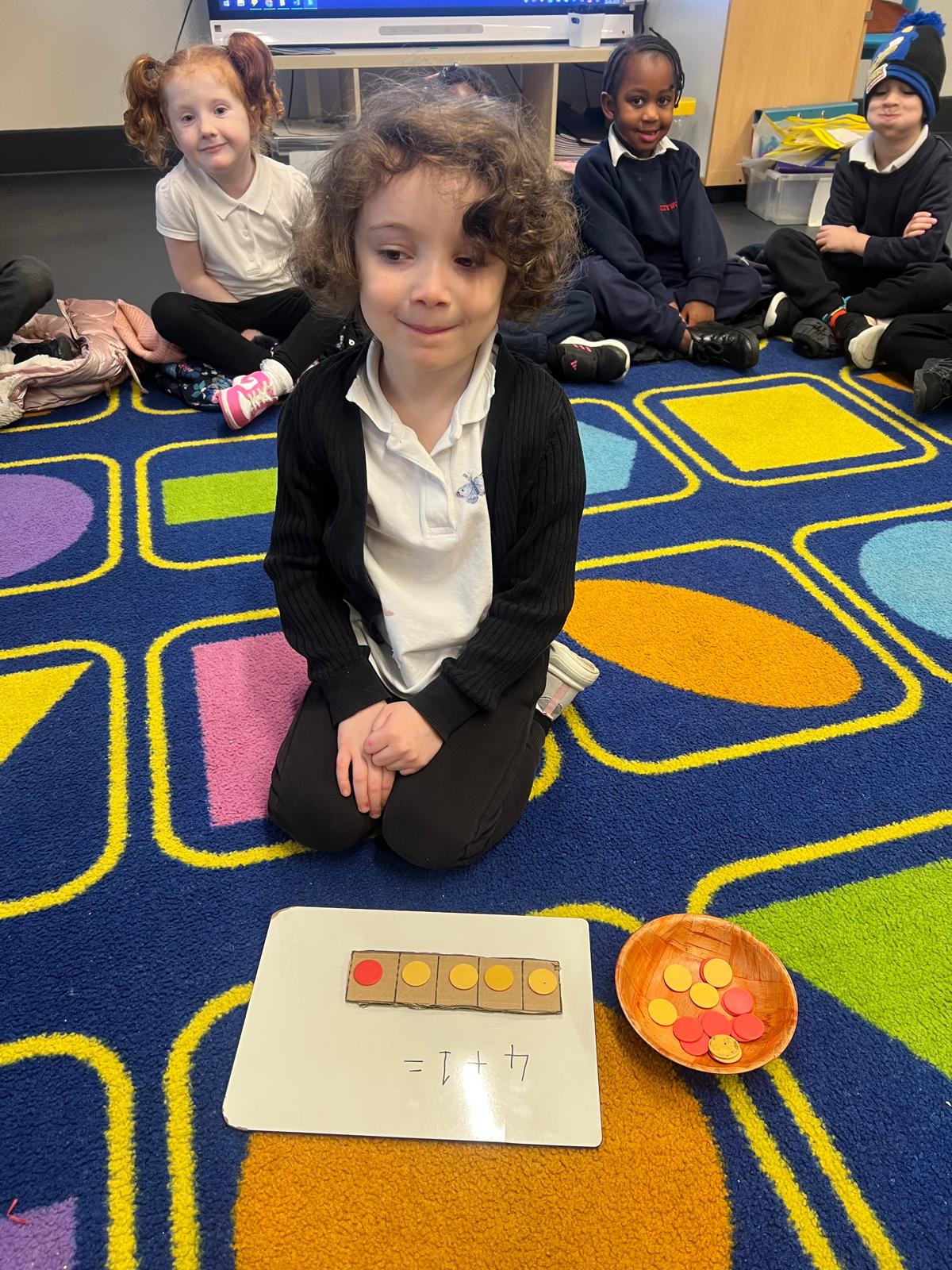
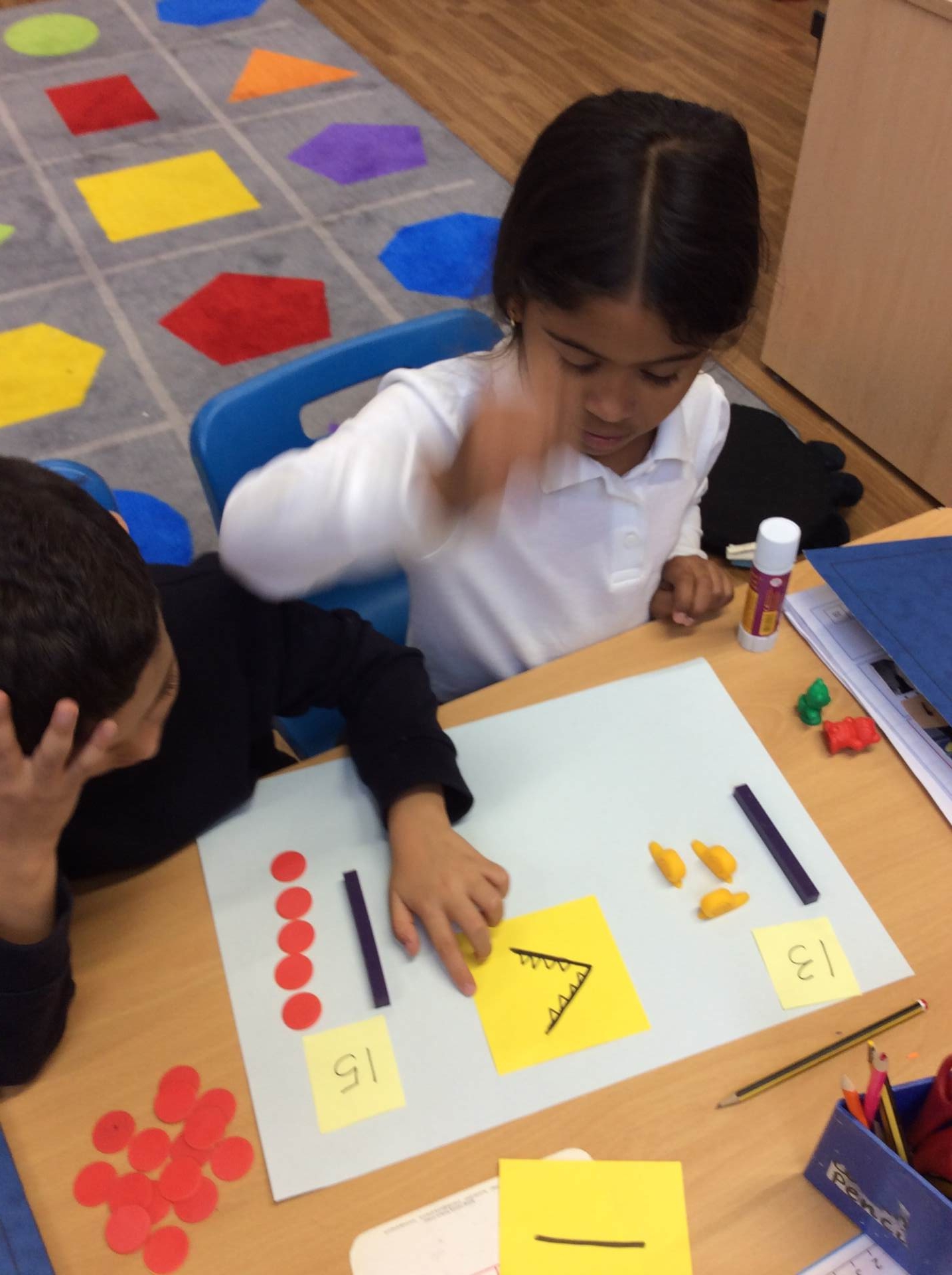
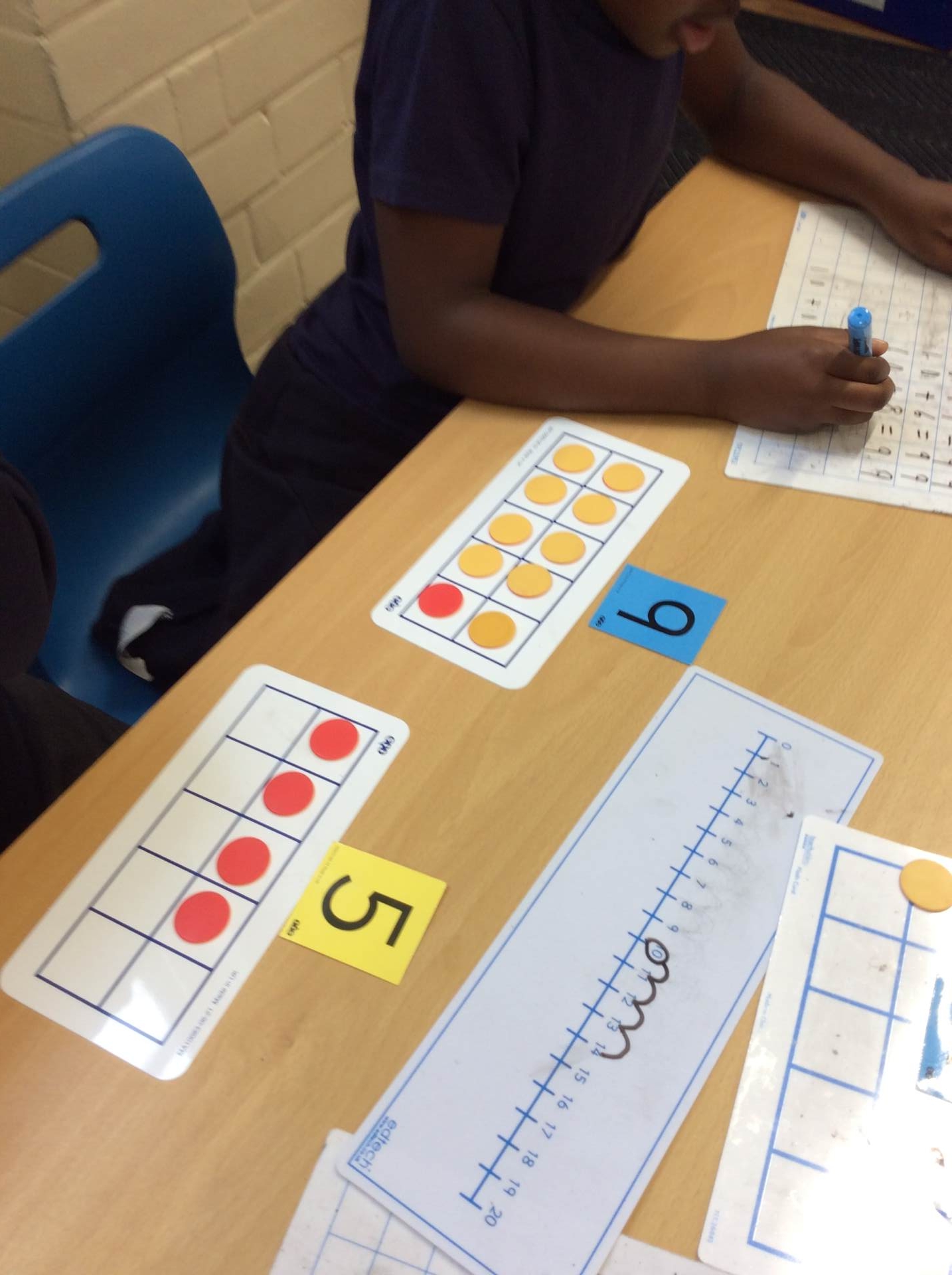
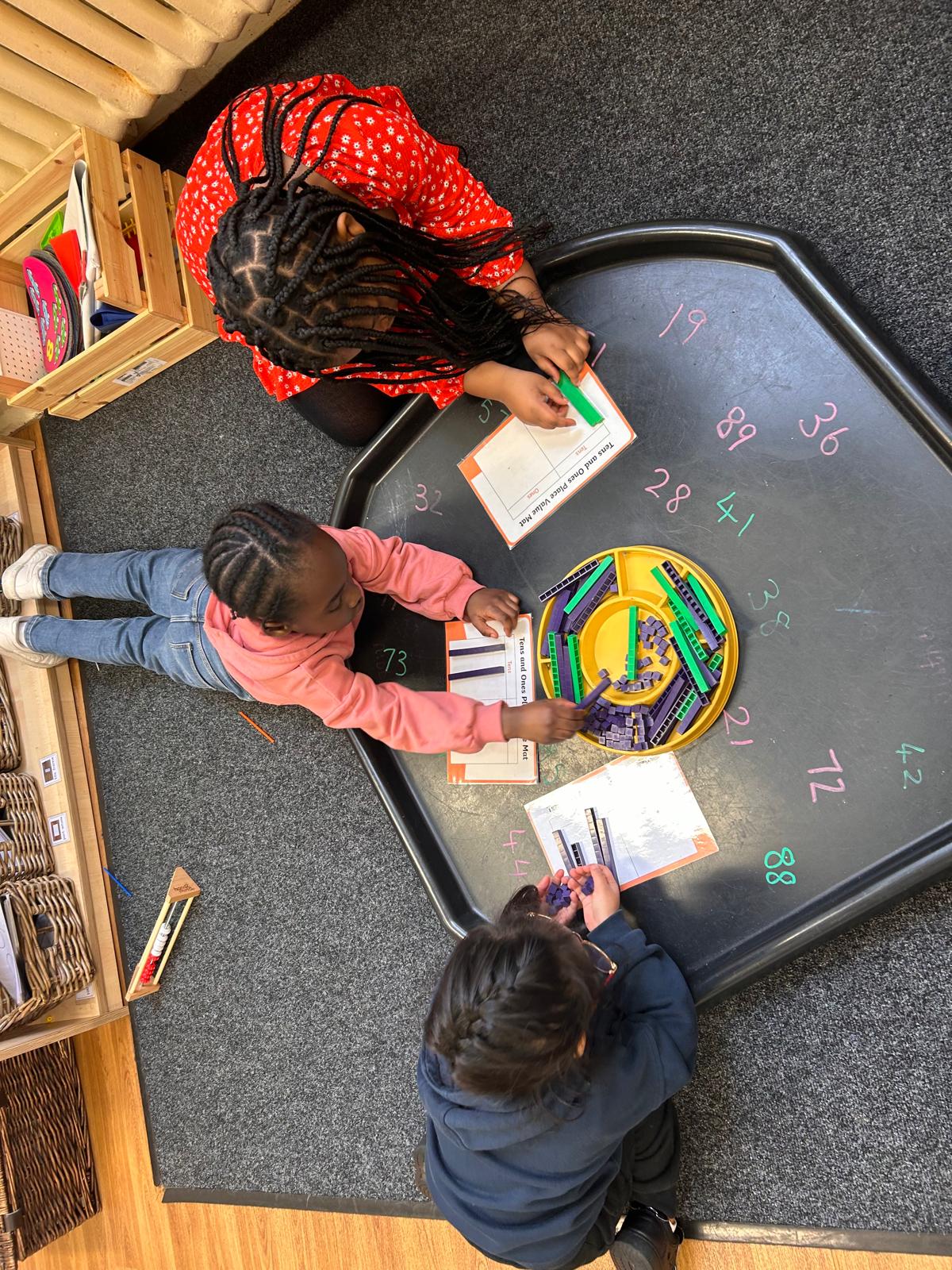
Here are some photos of Reception children subtracting within 10 using ten frames and counters to represent numbers and Nursery children representing numbers to five in different ways.
Maths EYFS Key
Year 1
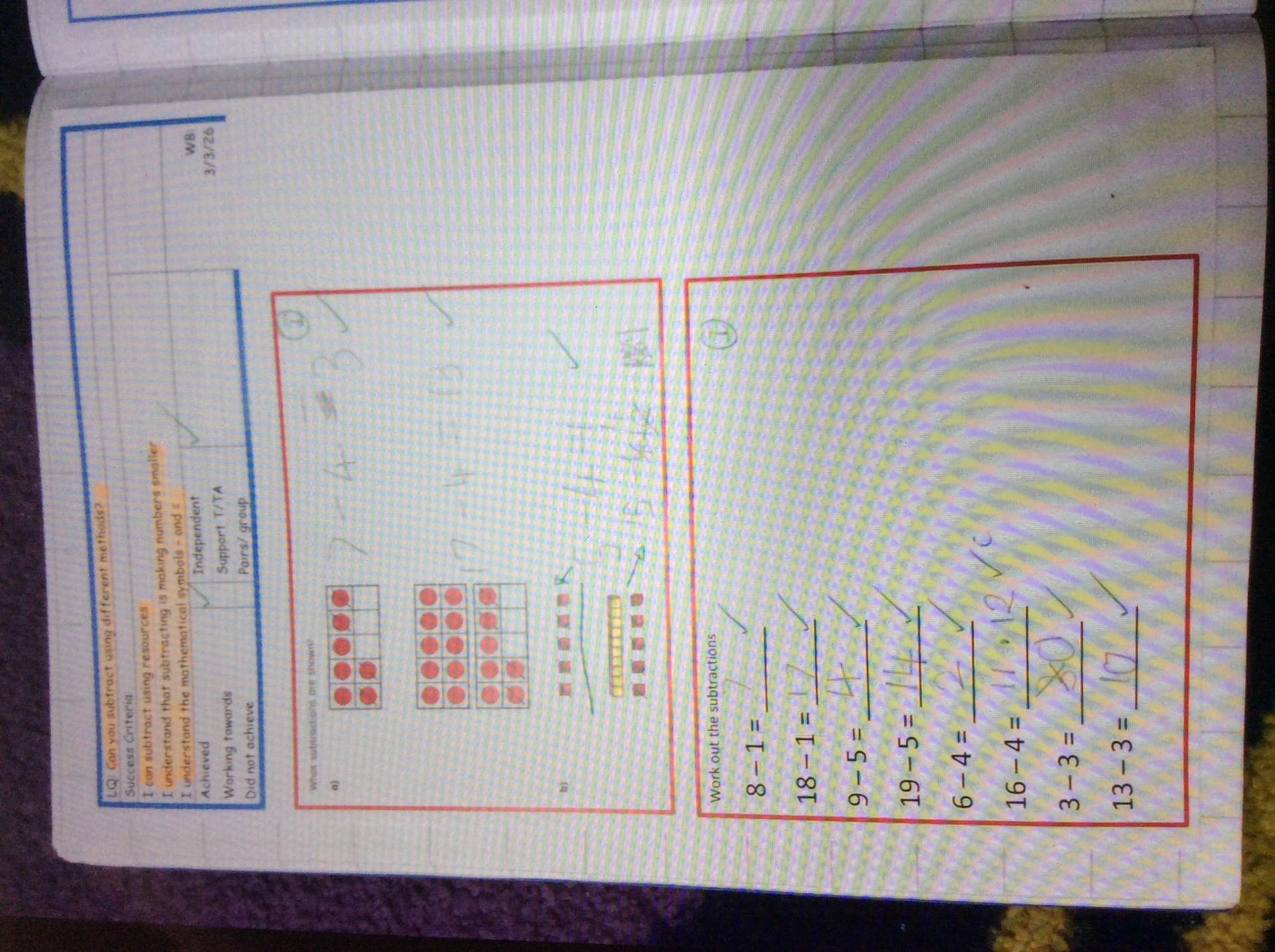
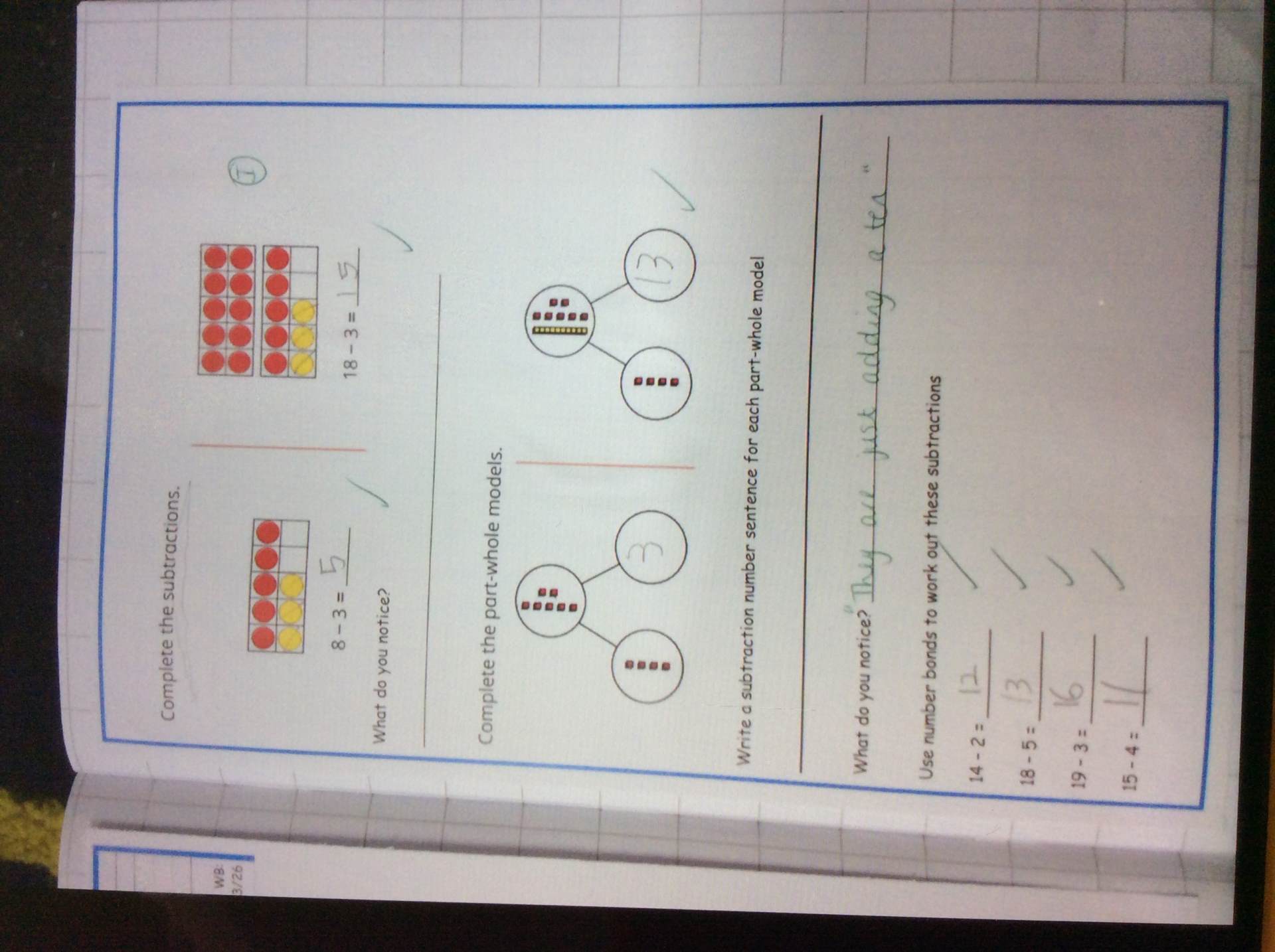
In year 1, the children are taught in a carpet session then they complete a written task with the support of an adult. Maths is also included as part of the provision throughout the week. The main focus in year 1 is place value and addition and subtraction to 100.
Manipulatives are used to support the children's learning. The children in year 1 continue to develop their understanding from Early Years using toys, counters, numicon, tens frames and deinnes.
Here are some photos of the children using resources to find number bonds.
Year 2
In year 2, the children are taught a daily Maths which is followed by a related task. This may be a practical task or book work. There is a focus on multiplication and division including fractions in this year group as well as consolidating the learning from year 1.
In year 2 we can see the children making more use of a variety of manipulatives and practical equipment to enhance and support their learning.
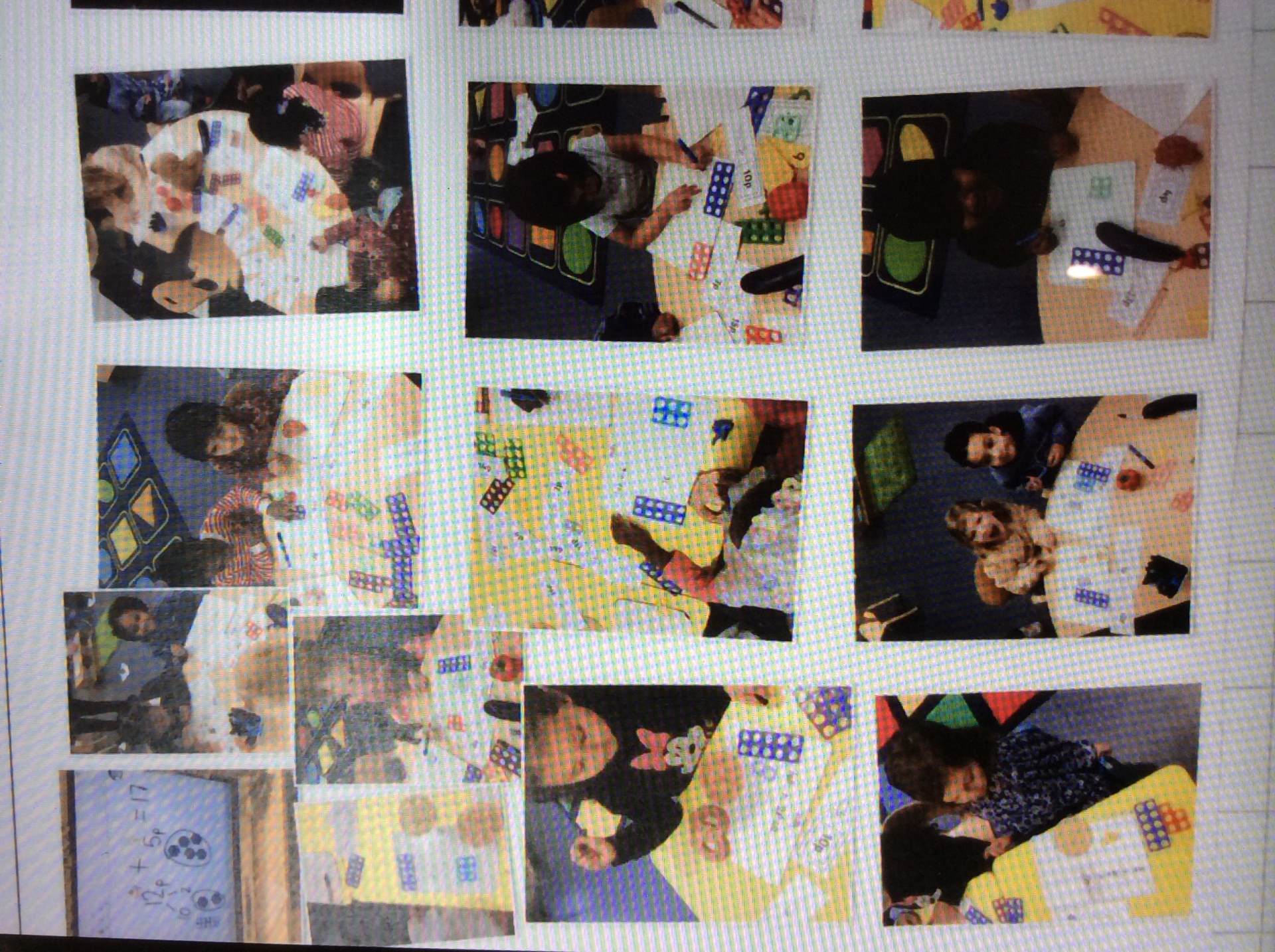
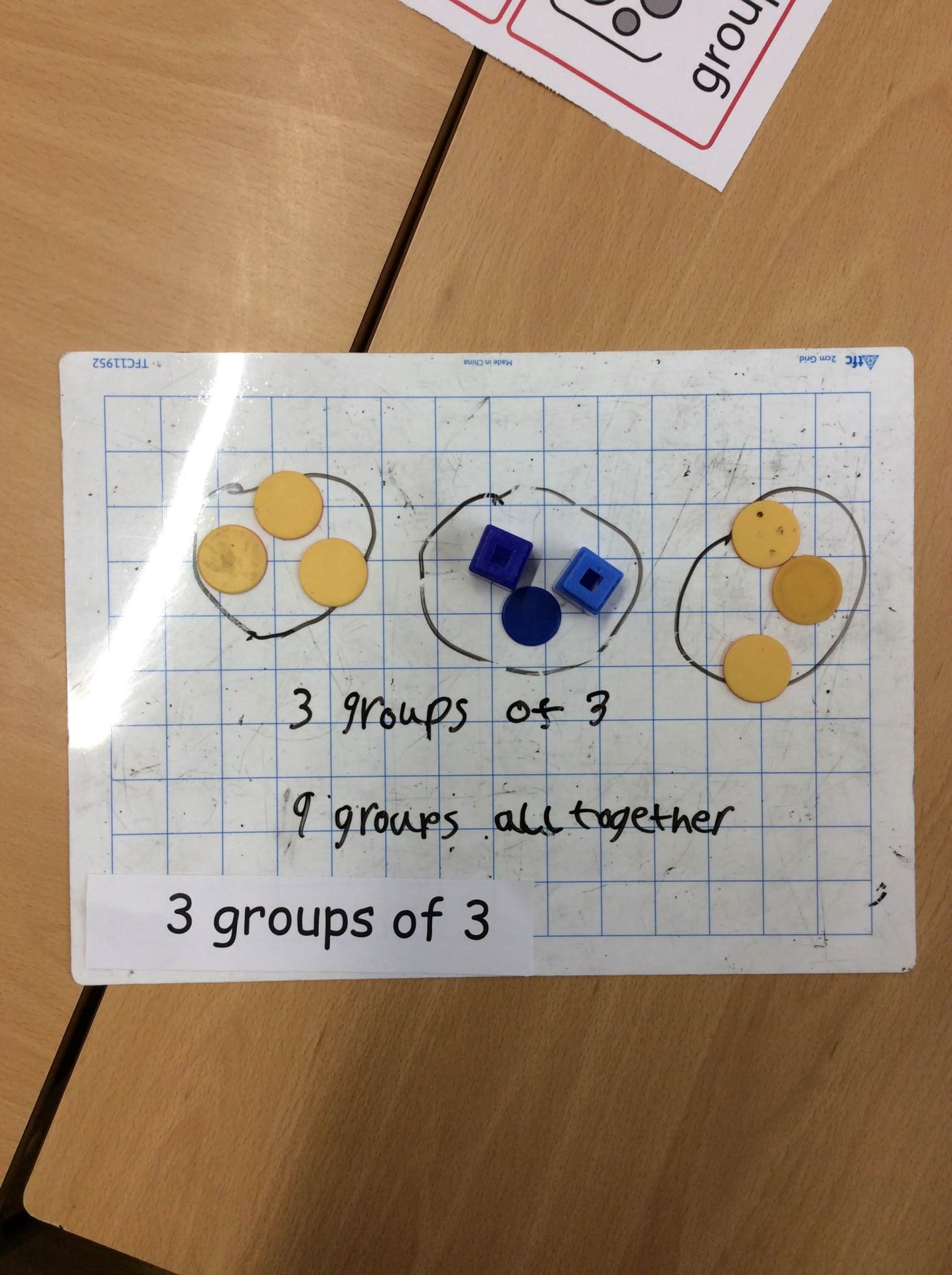
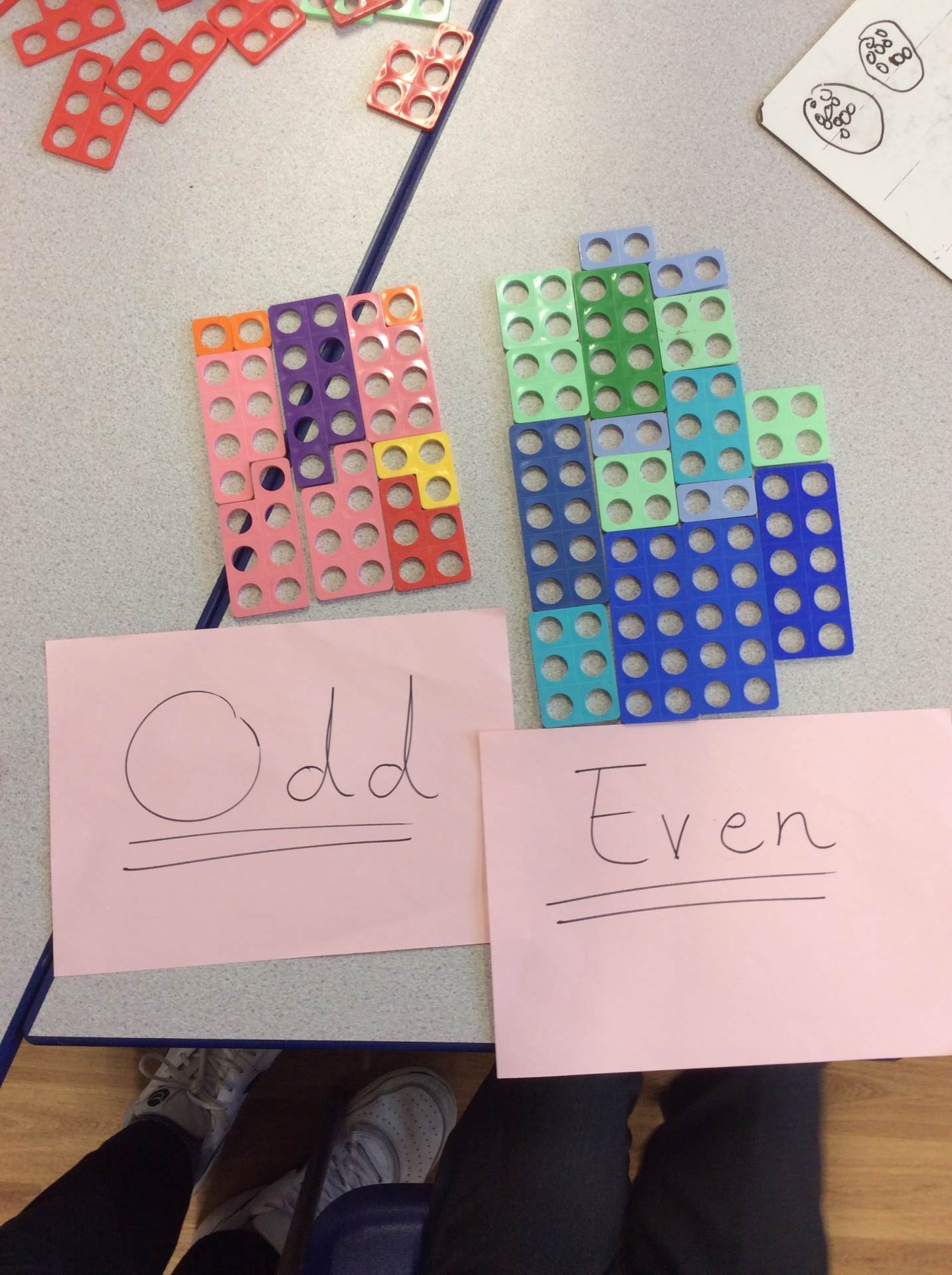
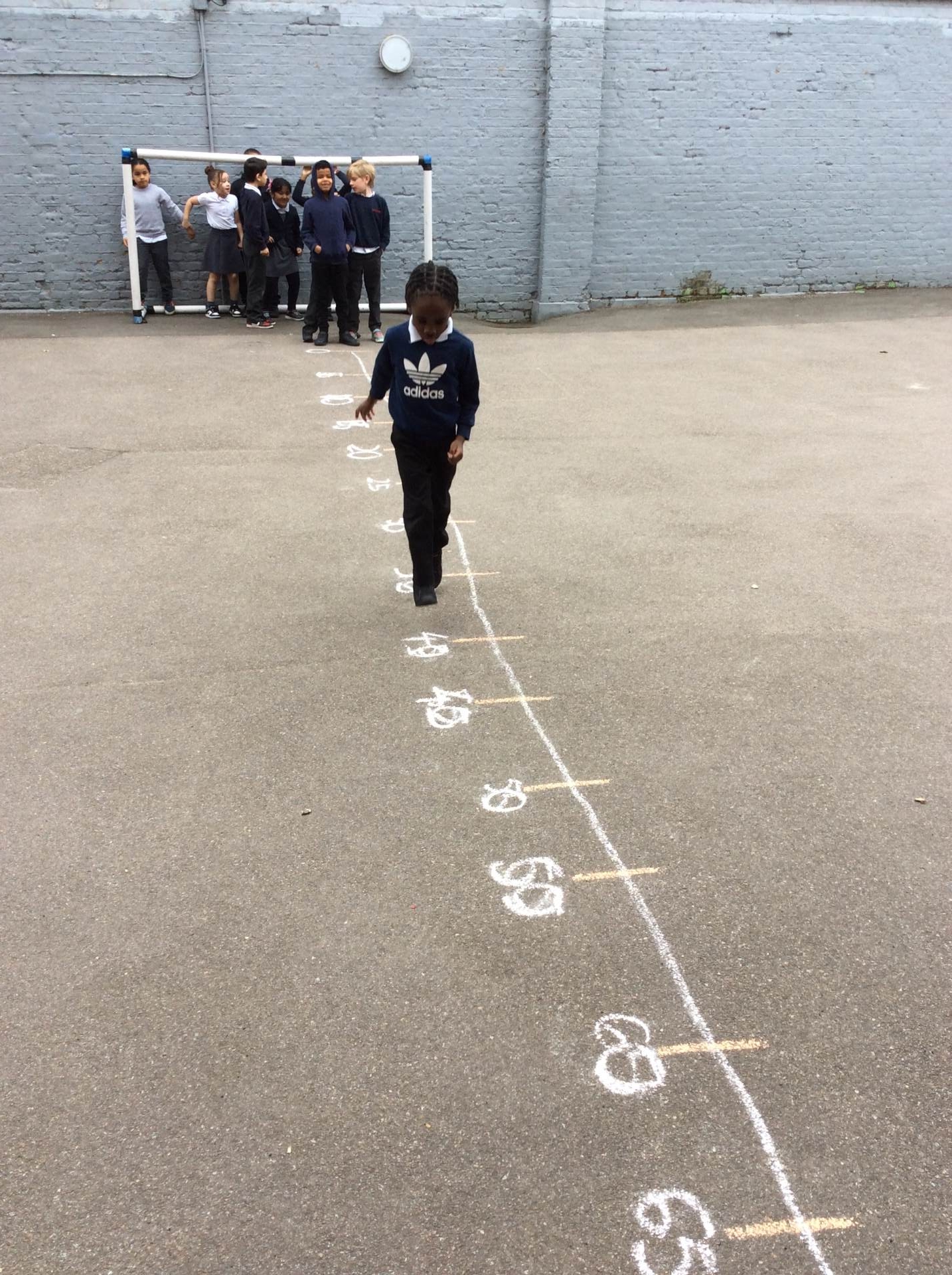
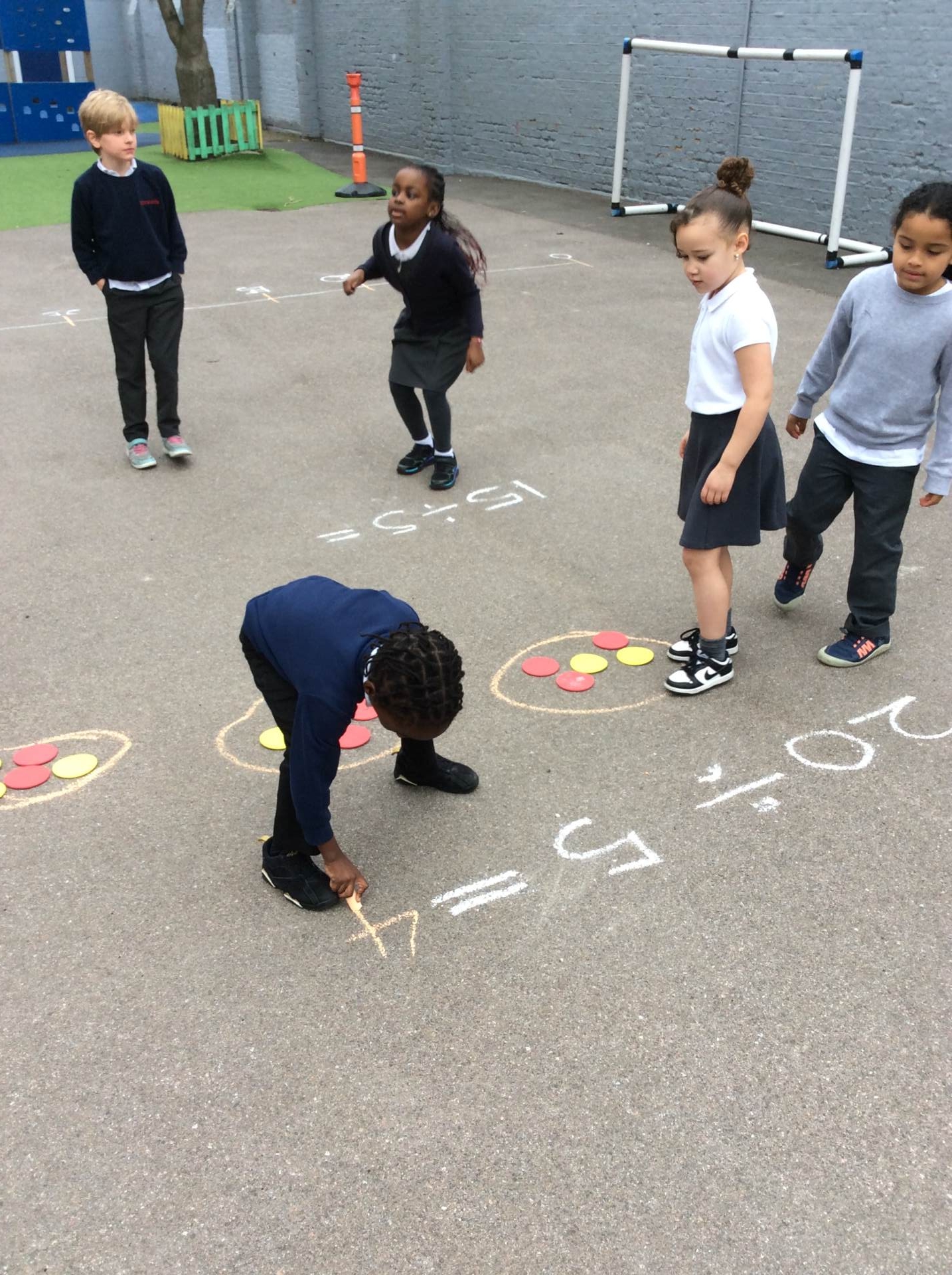
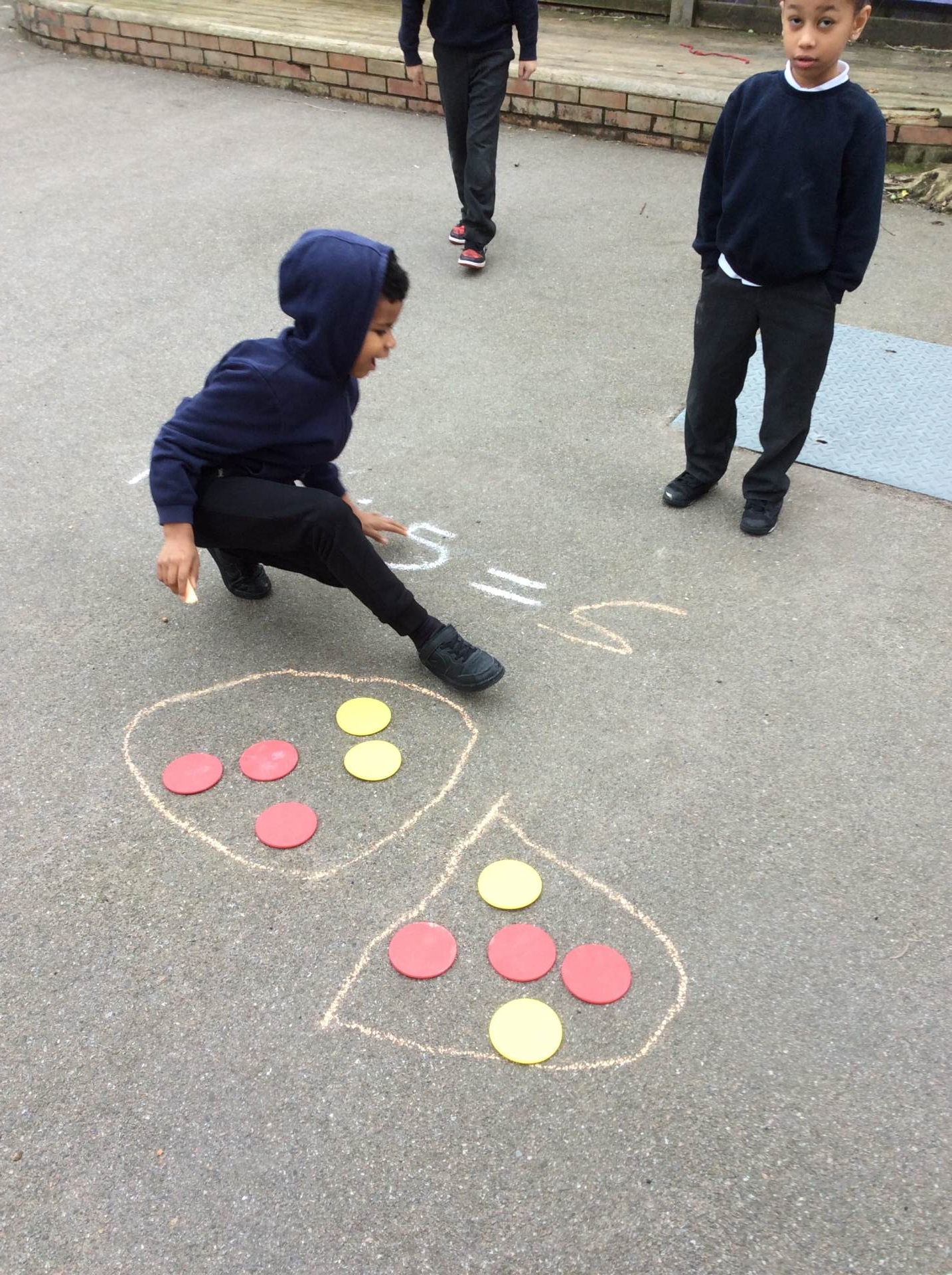
Here are some photos of the children using counters and ten frames to add across a ten, using Numicon to show odd and even numbers, and using the playground to solve division problems.
Year 3
In year 3, the children build on what they have learnt in year 2 with a focus on beginning to understand times tables. The times tables they focus on this year are 2, 3, 4, 5, 8 and 10. They learn to look for patterns and use known facts to help them to recall their times tables.
Fluency questions as well as reasoning and problem solving help develop deeper thinking skills.
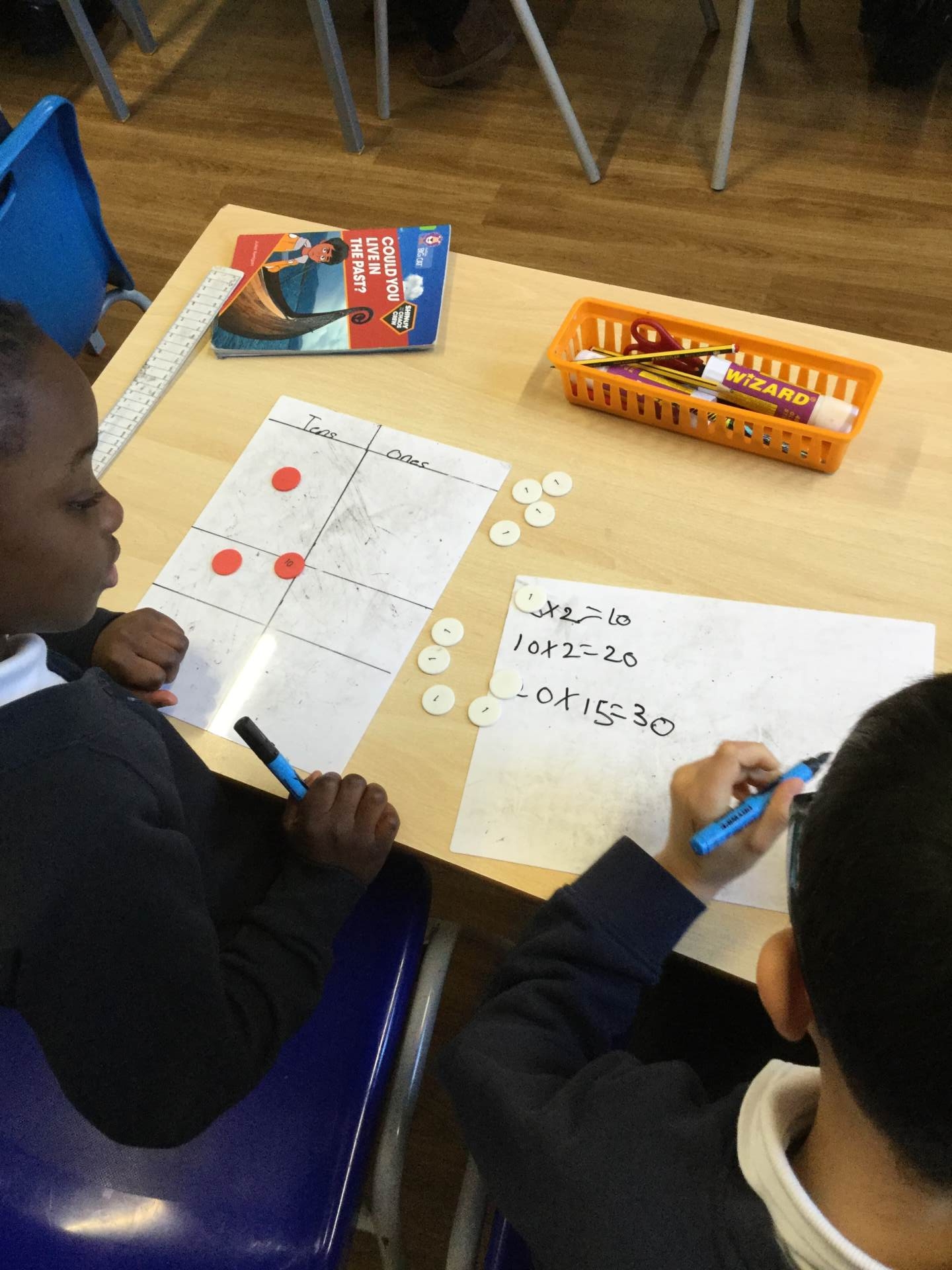
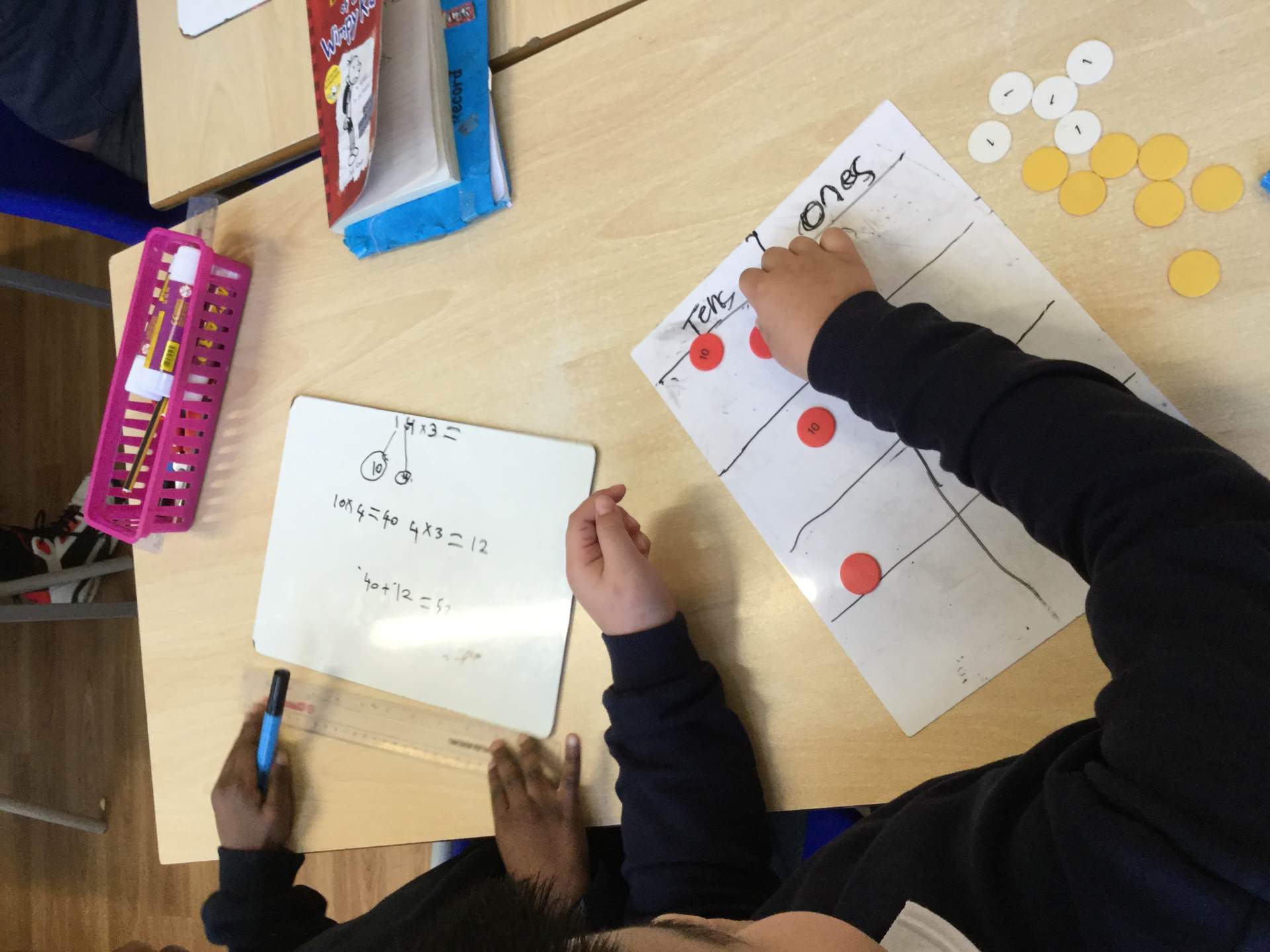
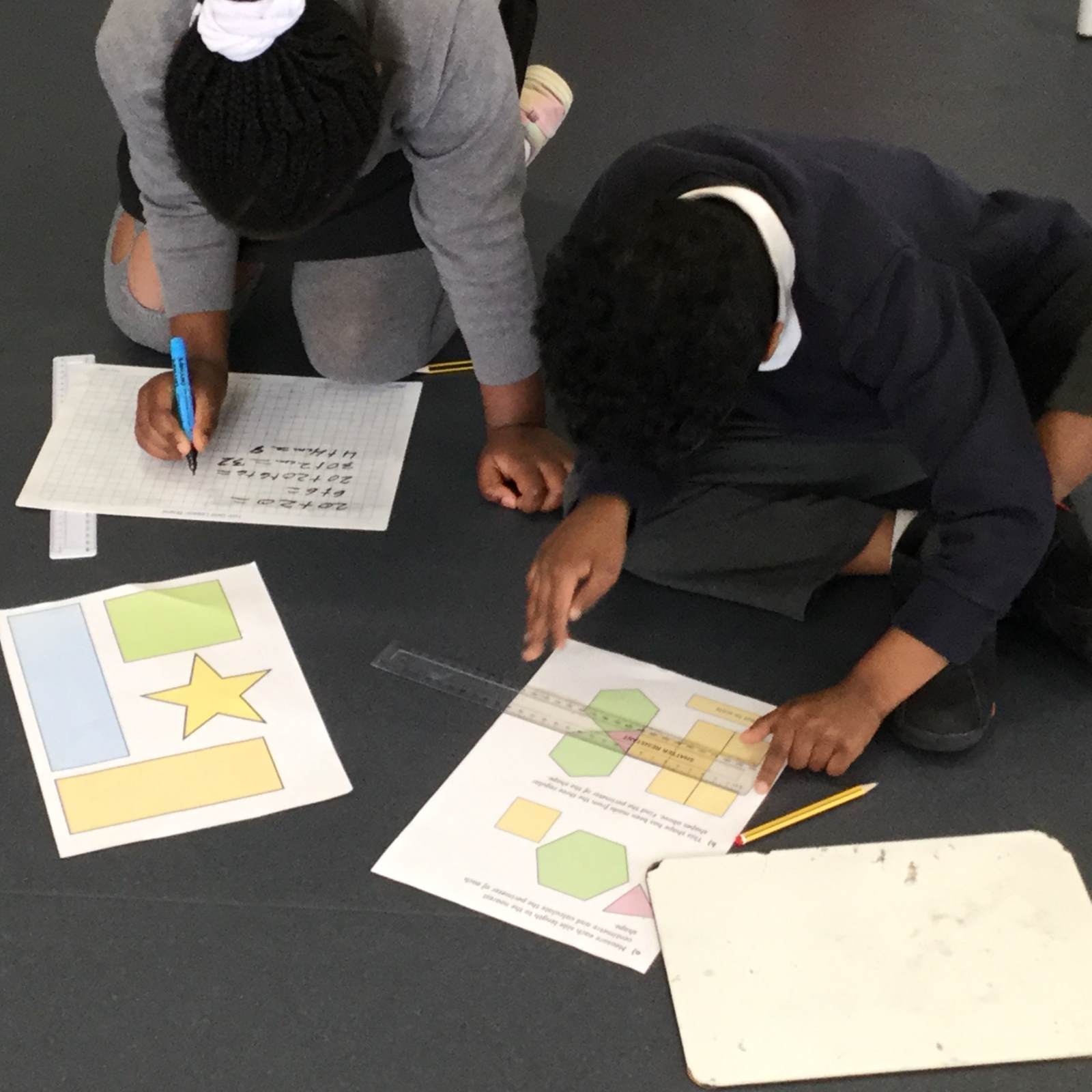
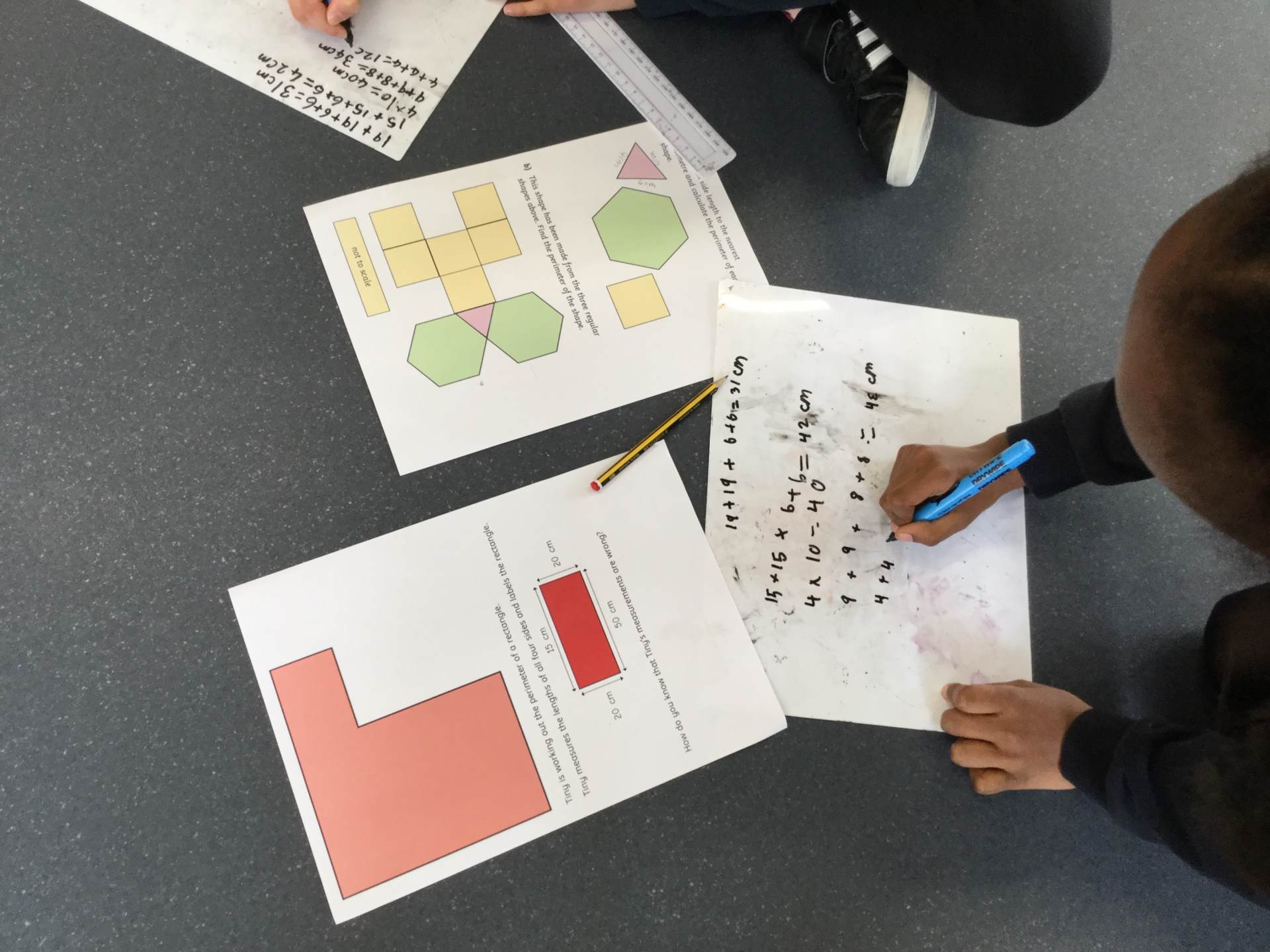
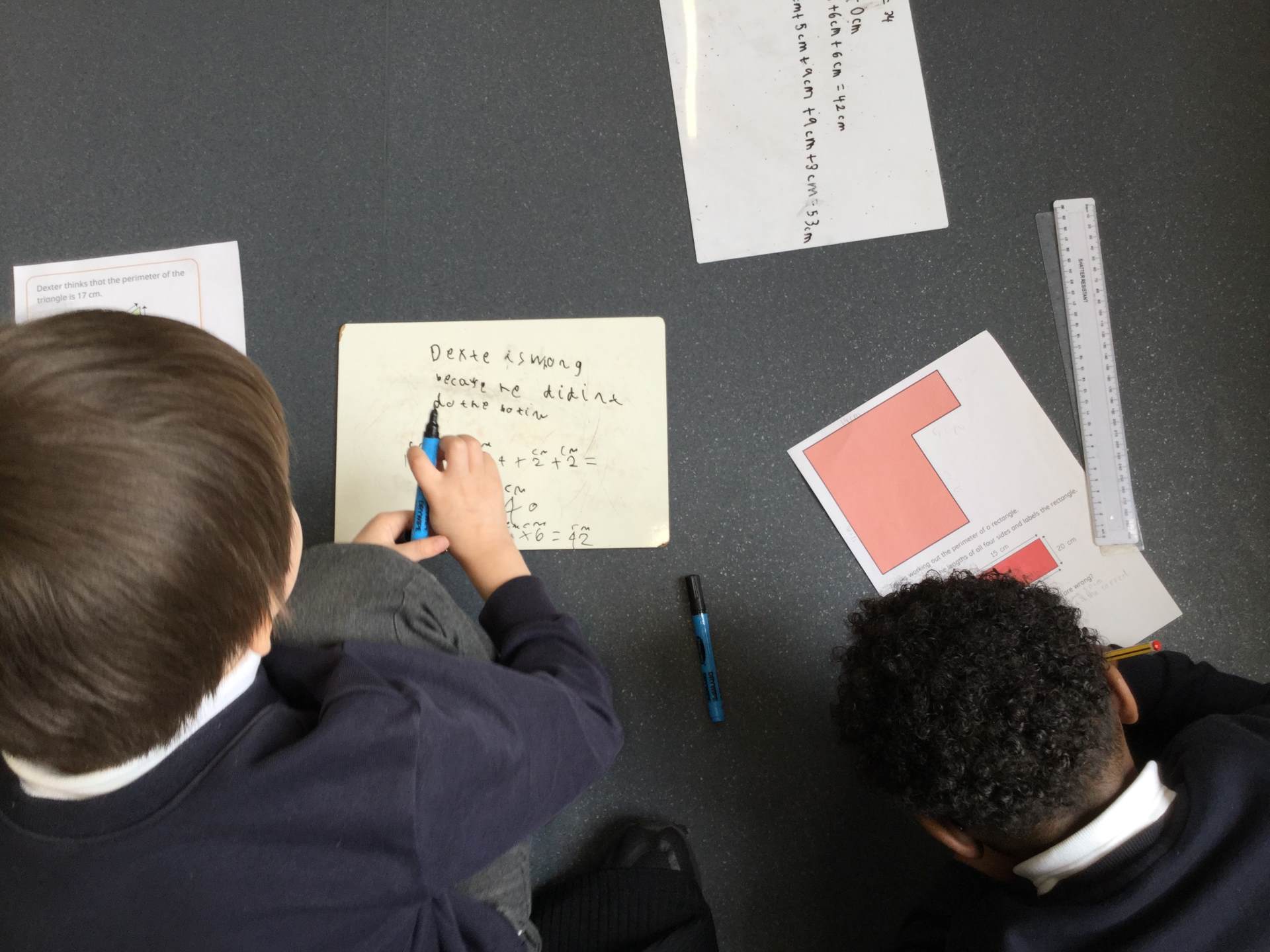
Here are some photos of the children using place value counters to multiply a 2-digit number by a 2-digit number, as well as working with partners to solve problems involving area and perimeter.
Year 4
In year 4, the children will learn the rest of their times tables up to 12x12. At the end of the year there is a statutory times tables check. This year the children are also introduced to decimals, looking at tenths and hundredths.
Year 4 explore fluency, reasoning and problem solving and real life investigations.
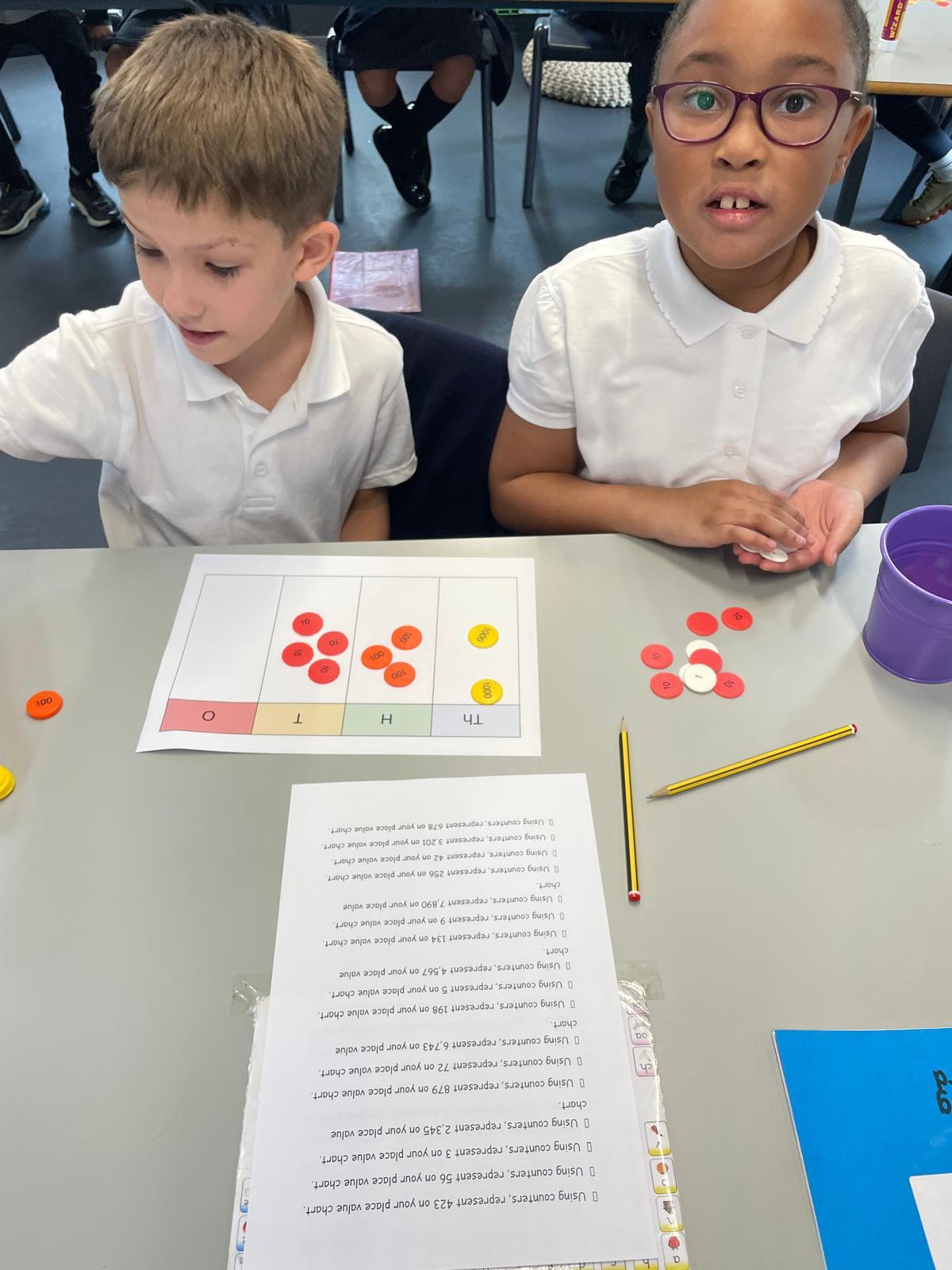
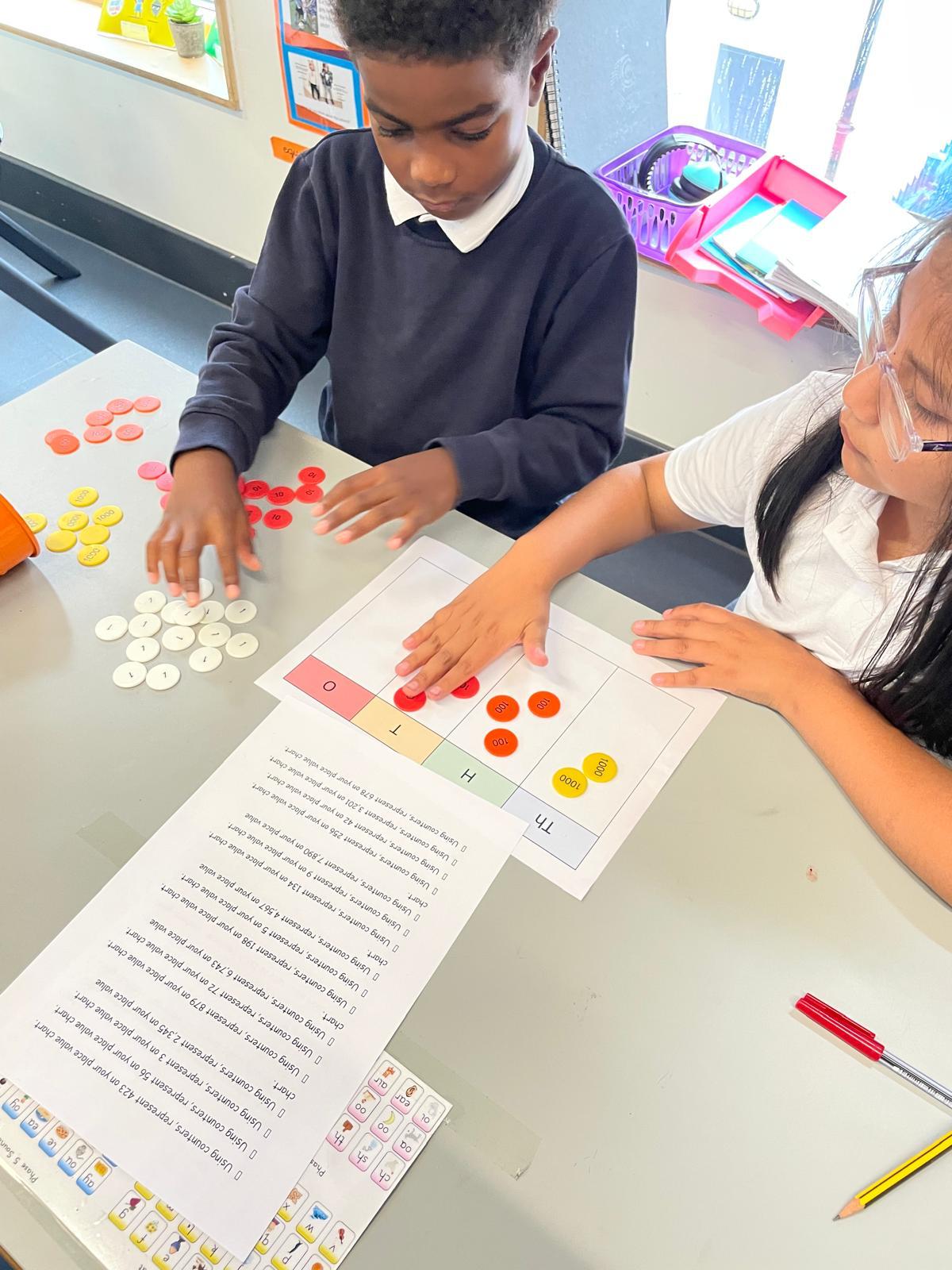
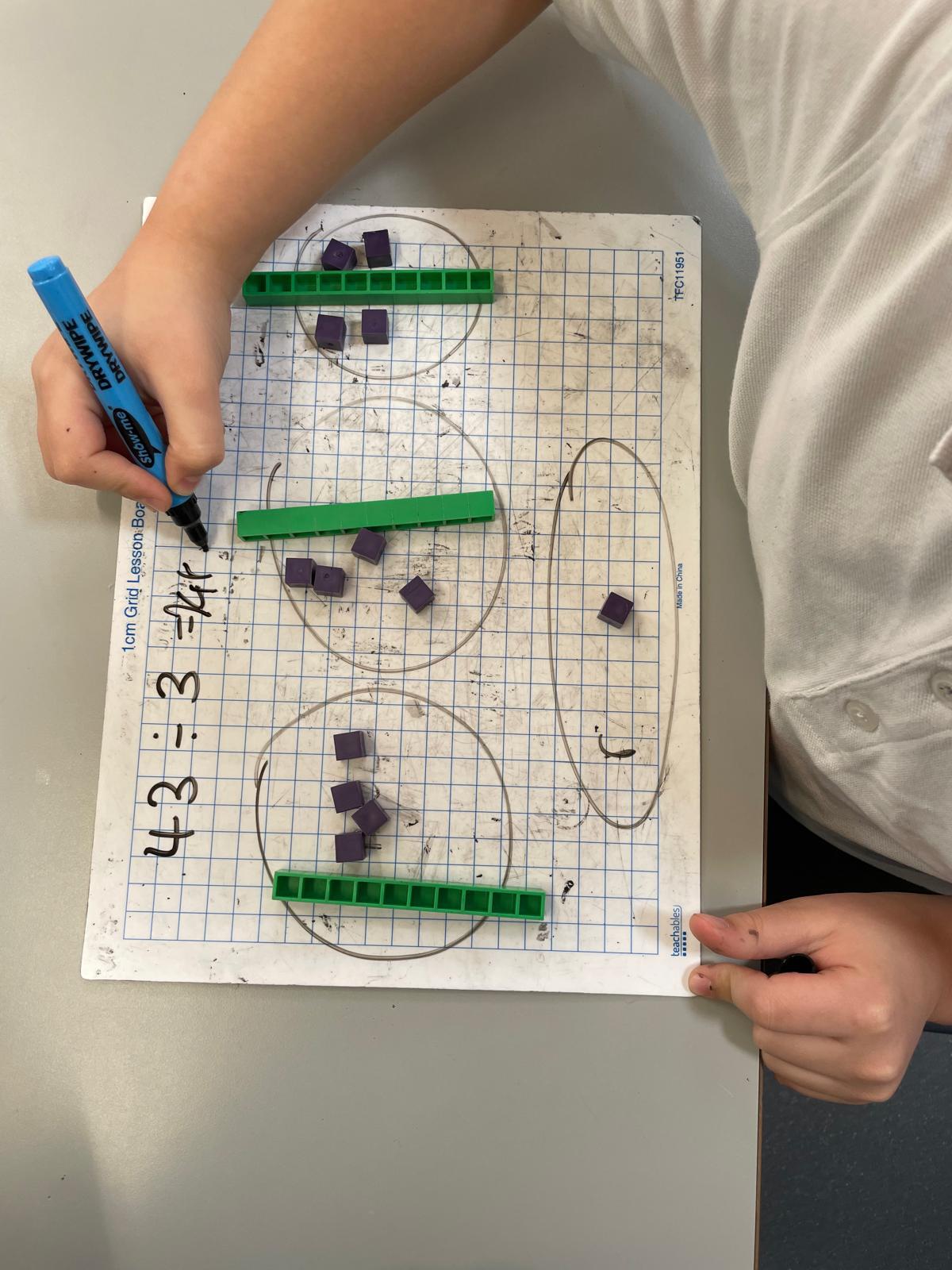
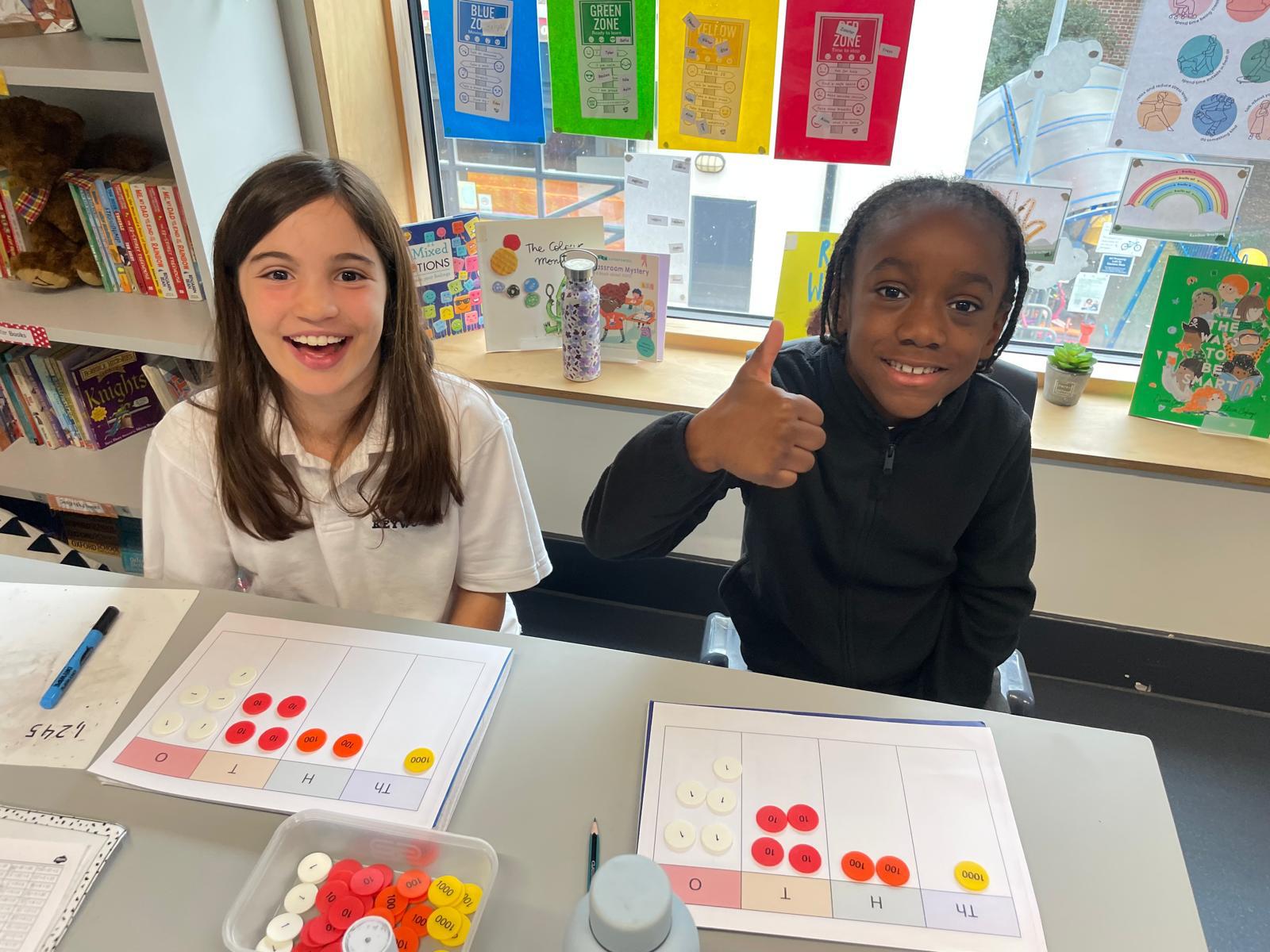
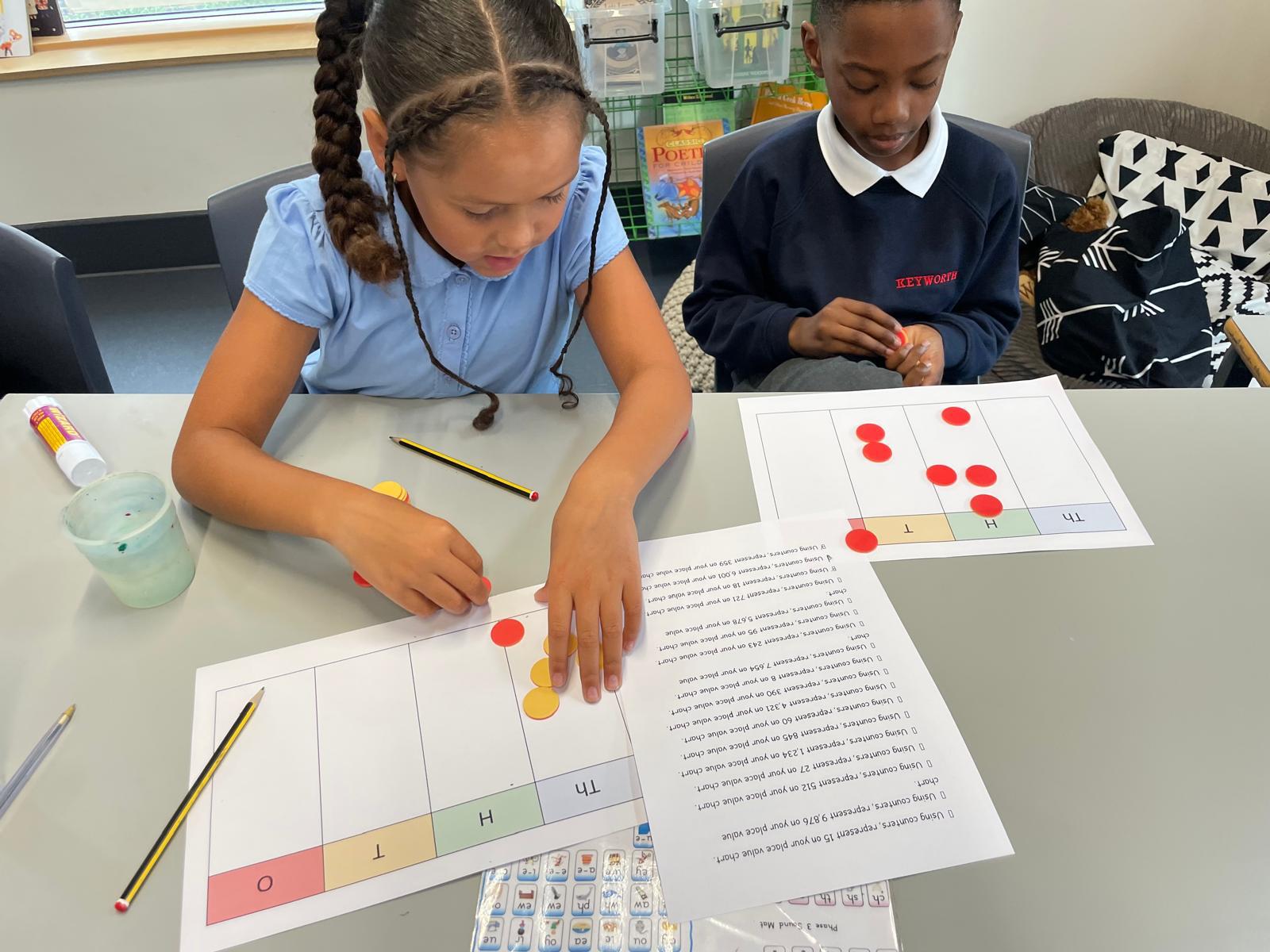
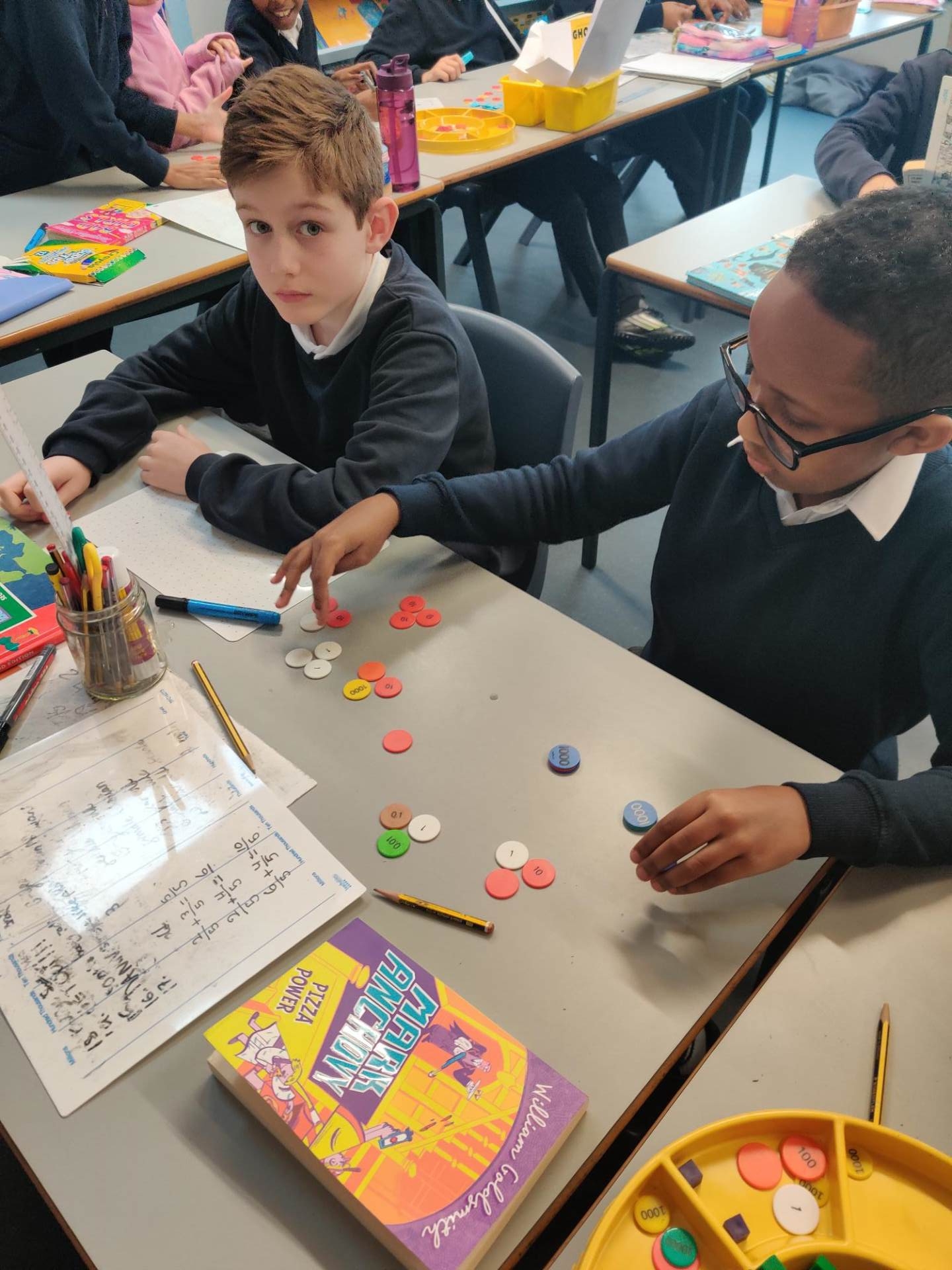
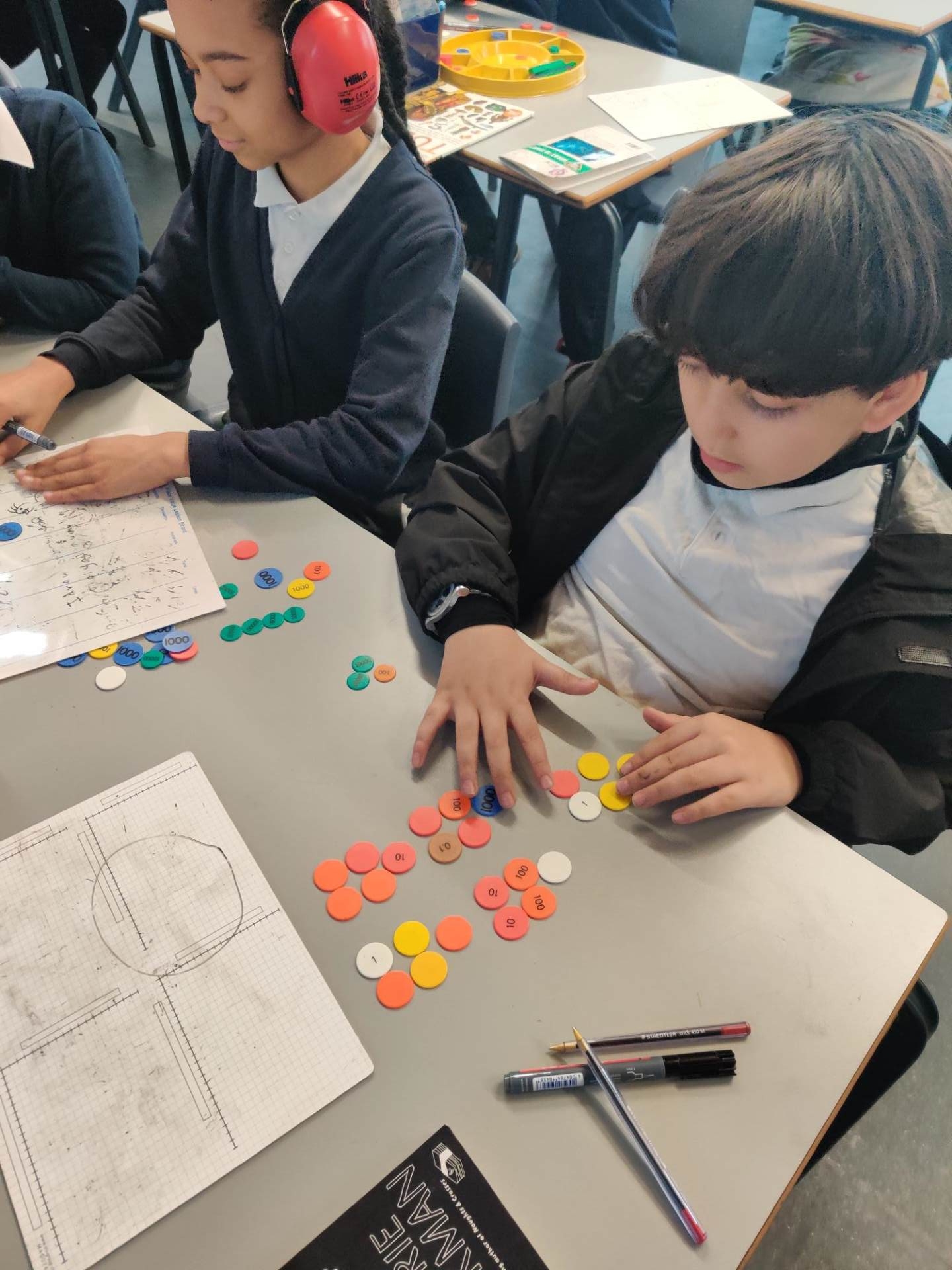
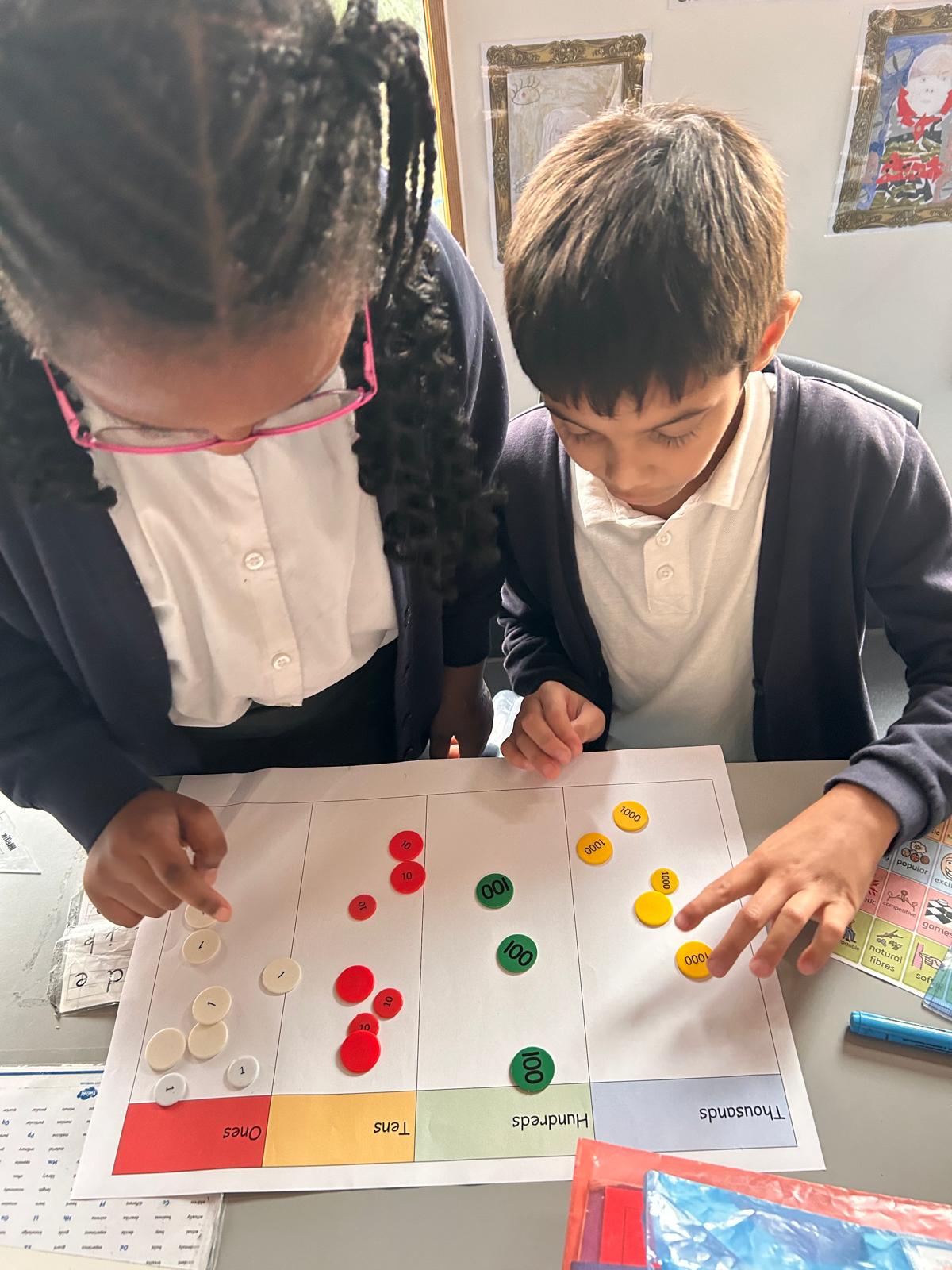
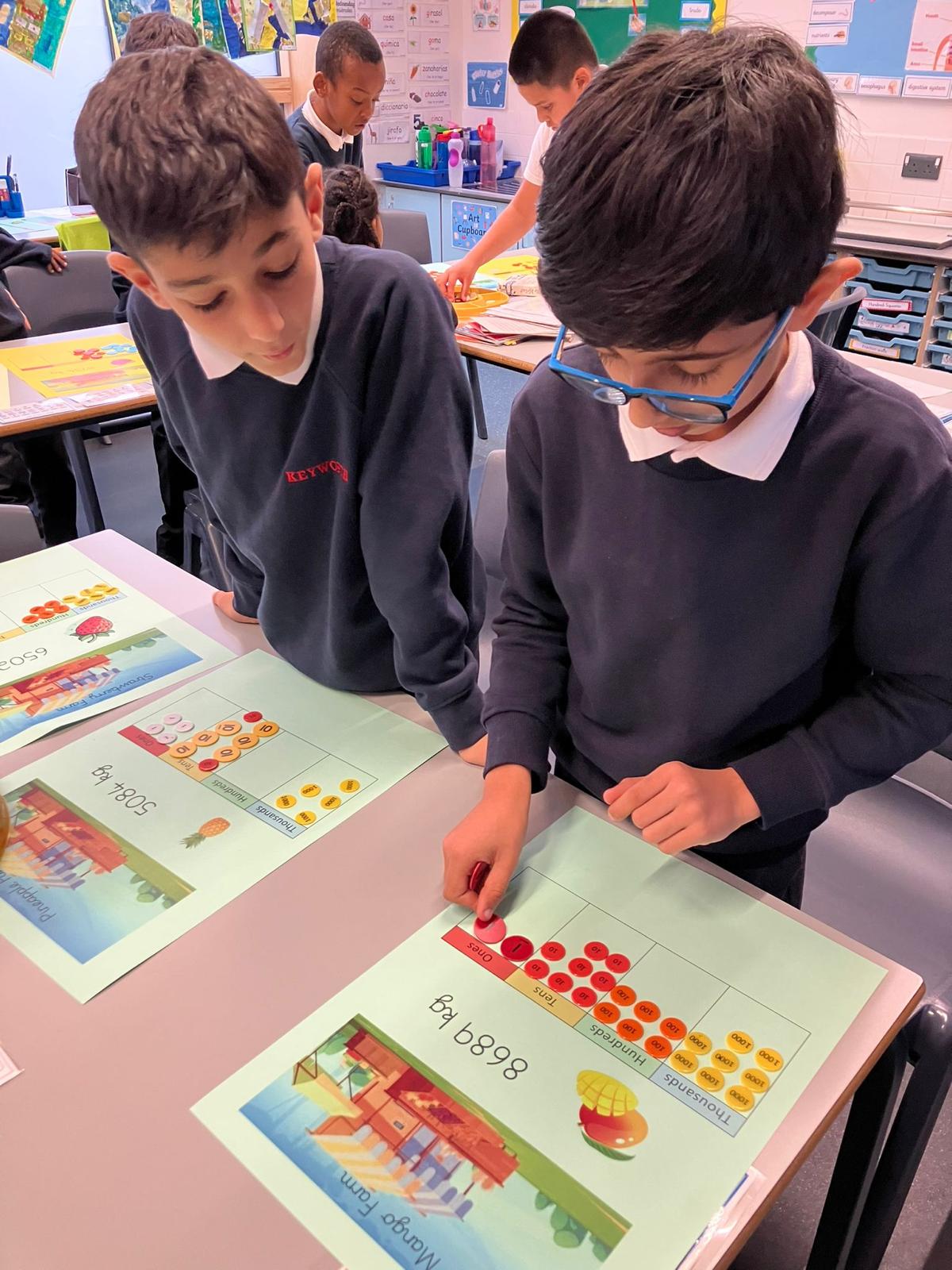
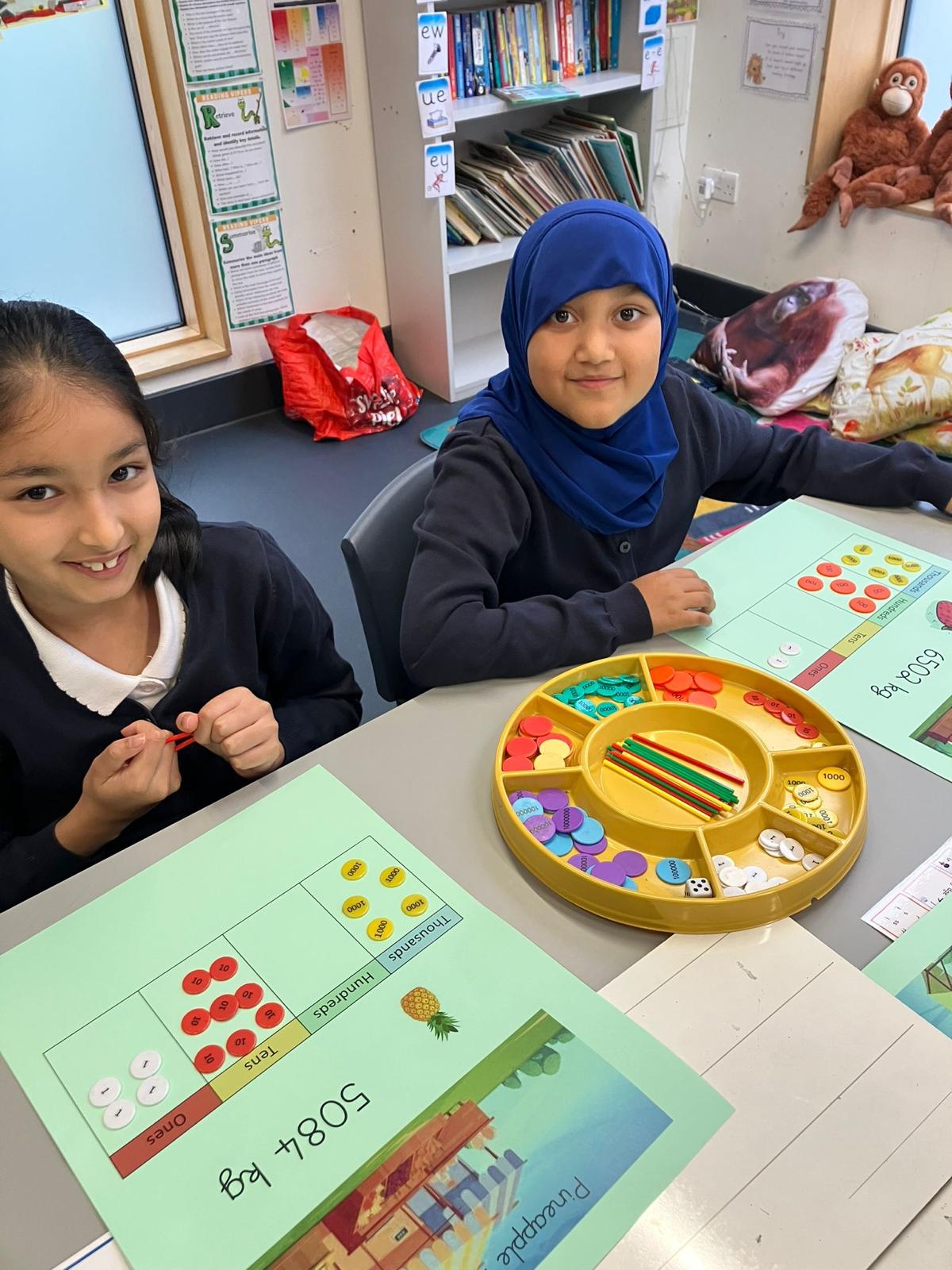
Here are some photos of the children representing 3- and 4-digit numbers on their place value charts, and then dividing 2-digit numbers by sharing.
Year 5
This year, the children will use their knowledge of times tales across lots of areas of the curriculum. They will build on their decimals learning in year 4 and they will be introduced to percentages.
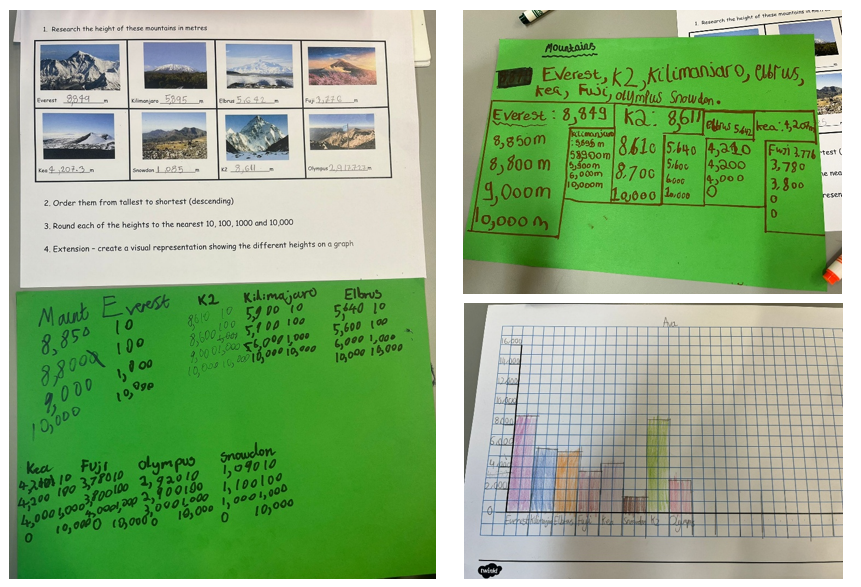
Here are some photos of the children adding and subtracting fractions, as well as partitioning within real-life contexts.
Year 6
In year 6, the children bring all of their learning from KS2 together to consolidate and build on what they know. They are also introduced to ratio and algebra in year 6.
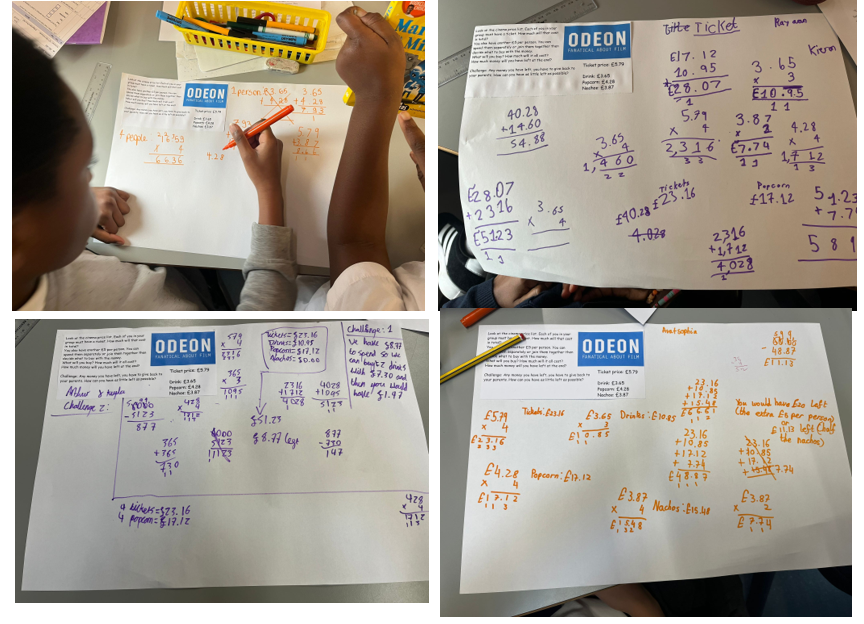
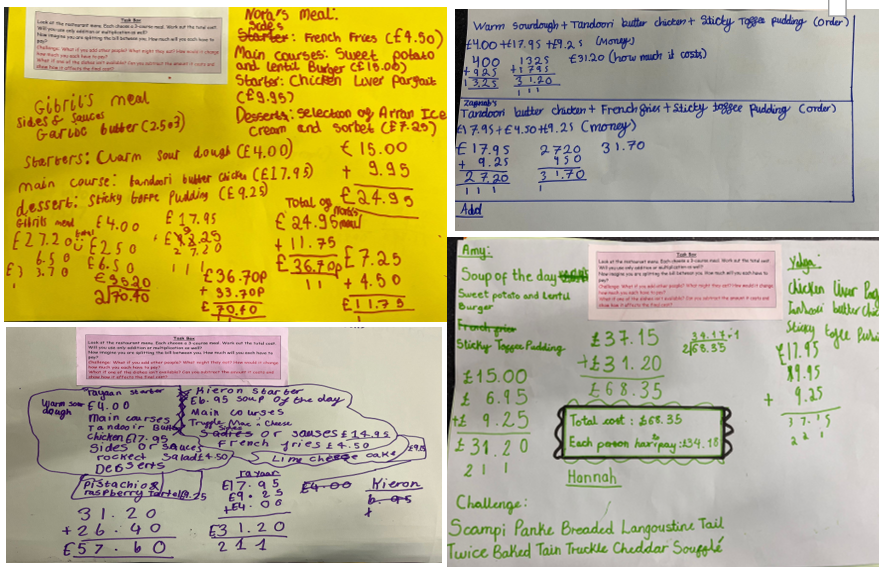
Here are some photos of the children applying the four operations to real life contexts.
Home Learning Scheme
In a bid to help the children improve their mental maths skills, the children are encouraged to practise their Maths at home through Bessemer’s Home Maths Rocket Scheme. The National Curriculum places a huge emphasis on children knowing their number facts and our scheme is designed to encourage the children to practise and learn them at home with your support.
The scheme involves six ‘Rocket Cards’ that are pitched at the expected standard for each year group from Year 1 through to Year 6. All children are given the Maths Rocket of the year group that they are in. For some year groups, the mental starters for the week's Maths lessons relate to the rocket card step they should be practising. However, in Reception, year 1 and year 2 we follow the 'Mastering Number at KS1' program and in years 4 and 5, we follow the 'Mastering Number at KS2' program. The KS1 program focuses on additive relationship and helps ensure all pupils have a secure understanding of number by the time they leave KS1. The KS2 program focuses on multiplicative relationships. This supports pupils to initially learn and understand their times tables before allowing them to embed and deepen their initial understanding.
In KS2 the children receive an optional written piece of Maths homework to support the objective. Every Friday, the children are given questions to answer in relation to this objective to see how well it has been achieved.