History
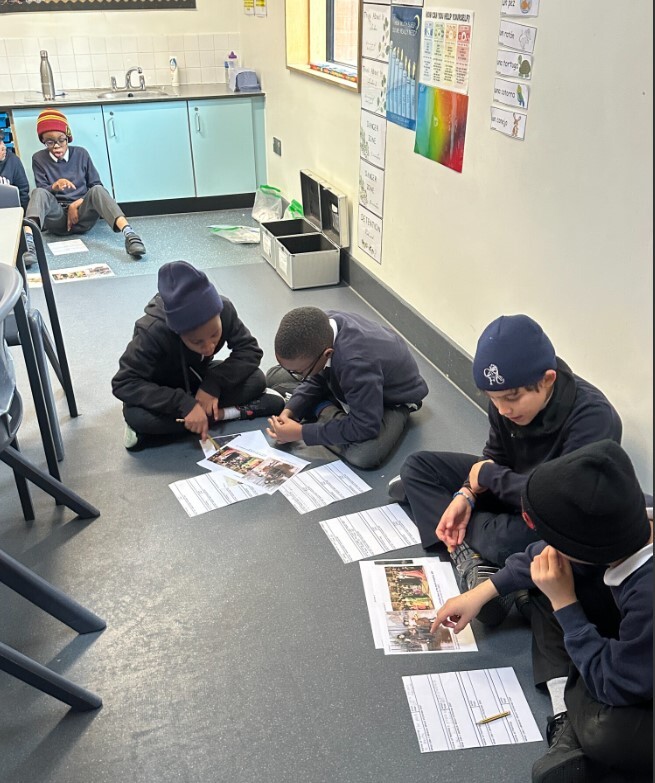
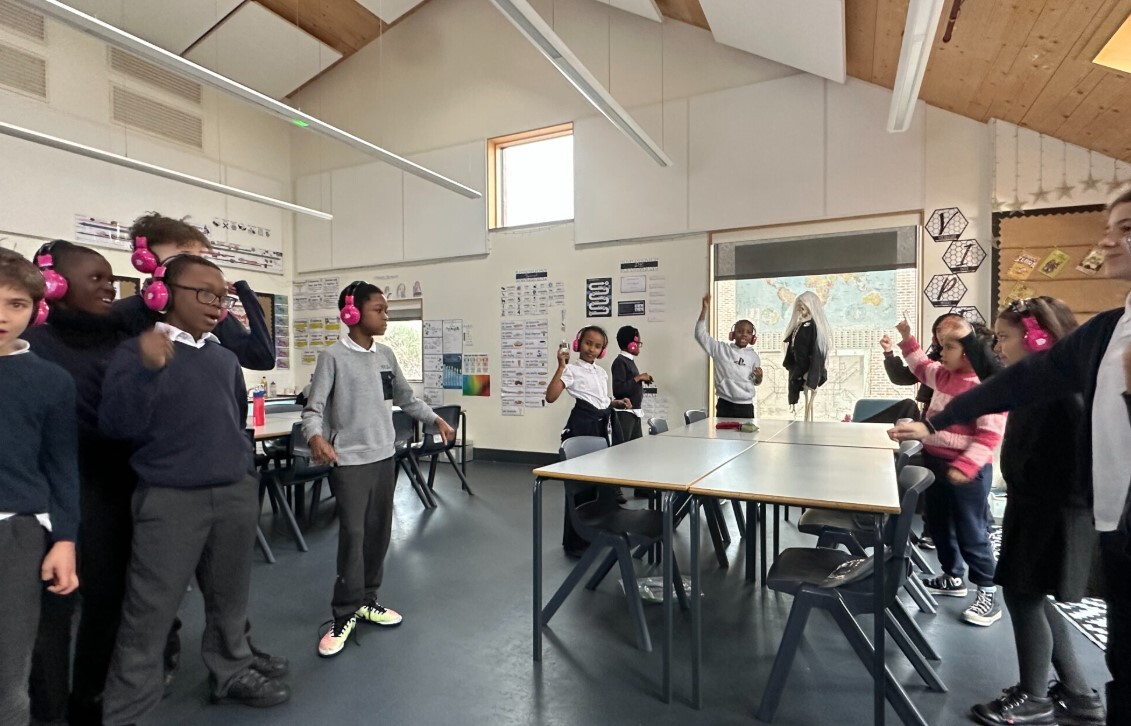
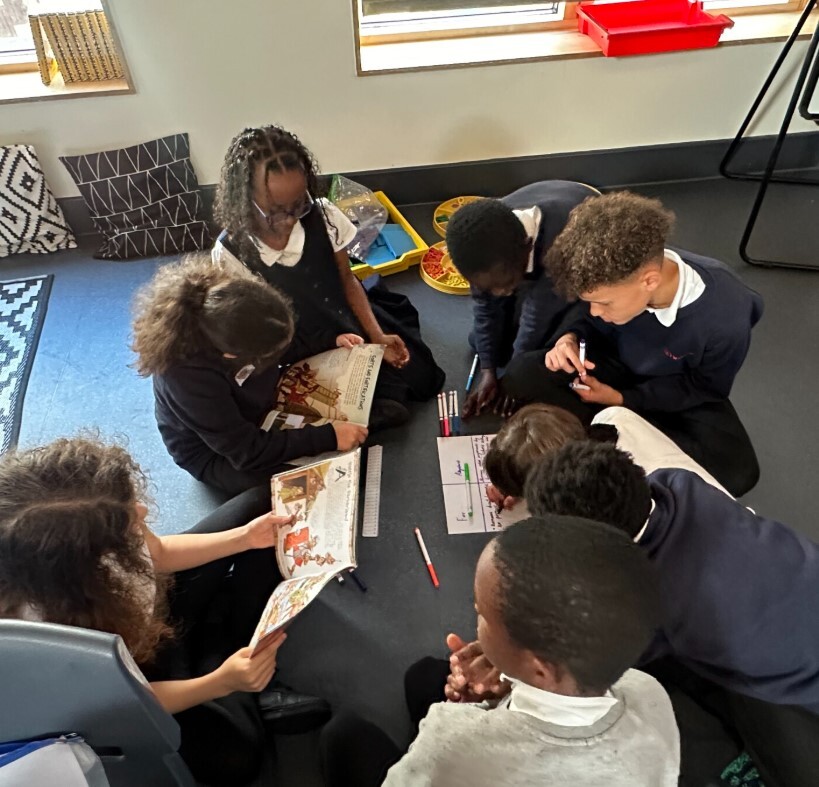
Our history curriculum is creative, practical and supports children to be knowledgeable learners and active communicators.
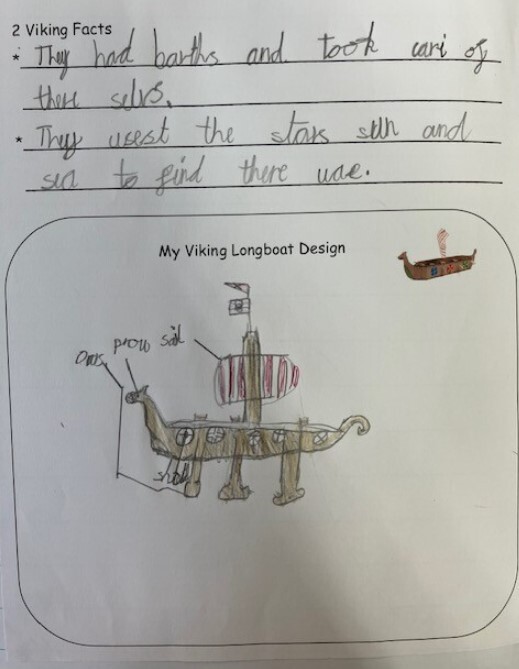
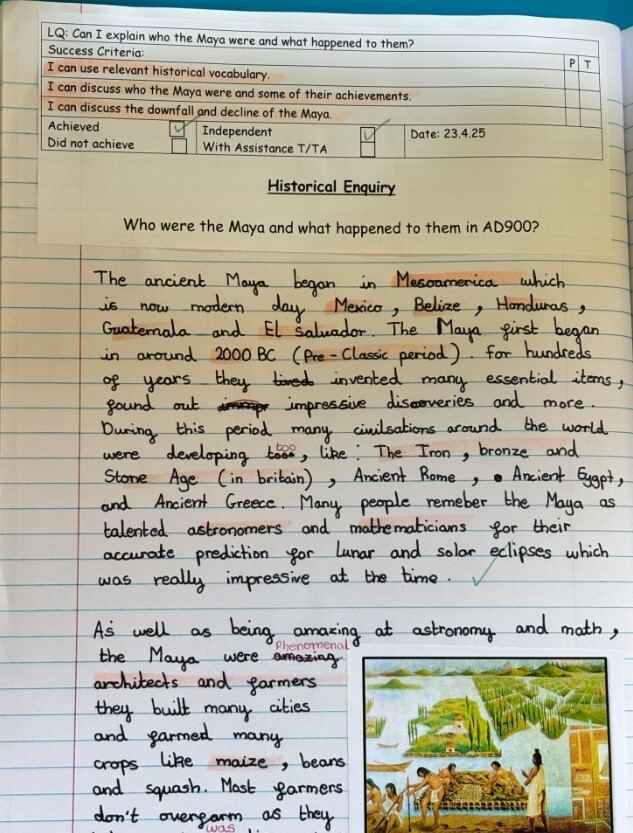
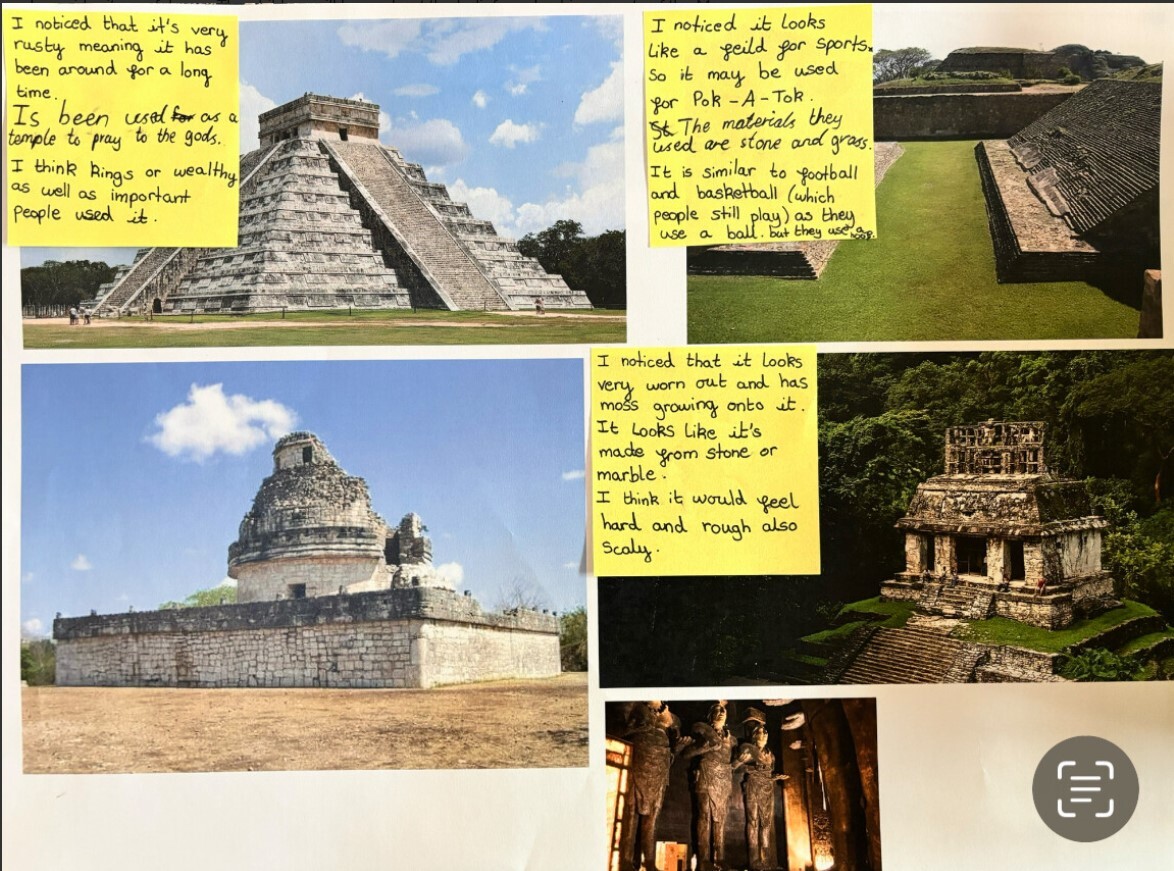
The history curriculum has historical skills and factual knowledge at its core. It reflects the aims and content of the National Curriculum, at each key stage. This begins in the Early Years with the ‘Understanding the World’ strand of the EYFS framework. We want them to be able to recall this knowledge in order to show understanding of key features of a particular period, while making connections and comparisons between periods of history.
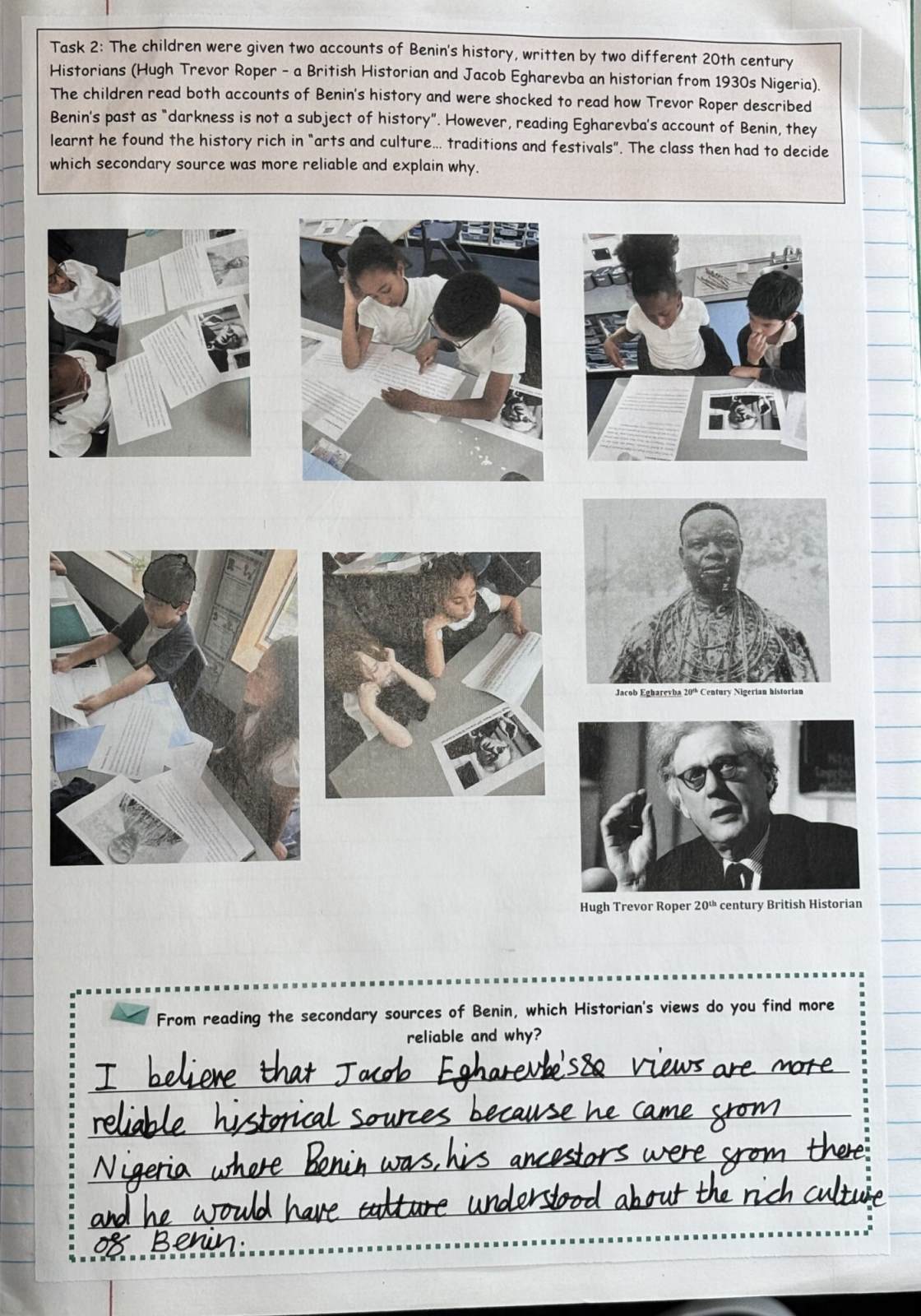
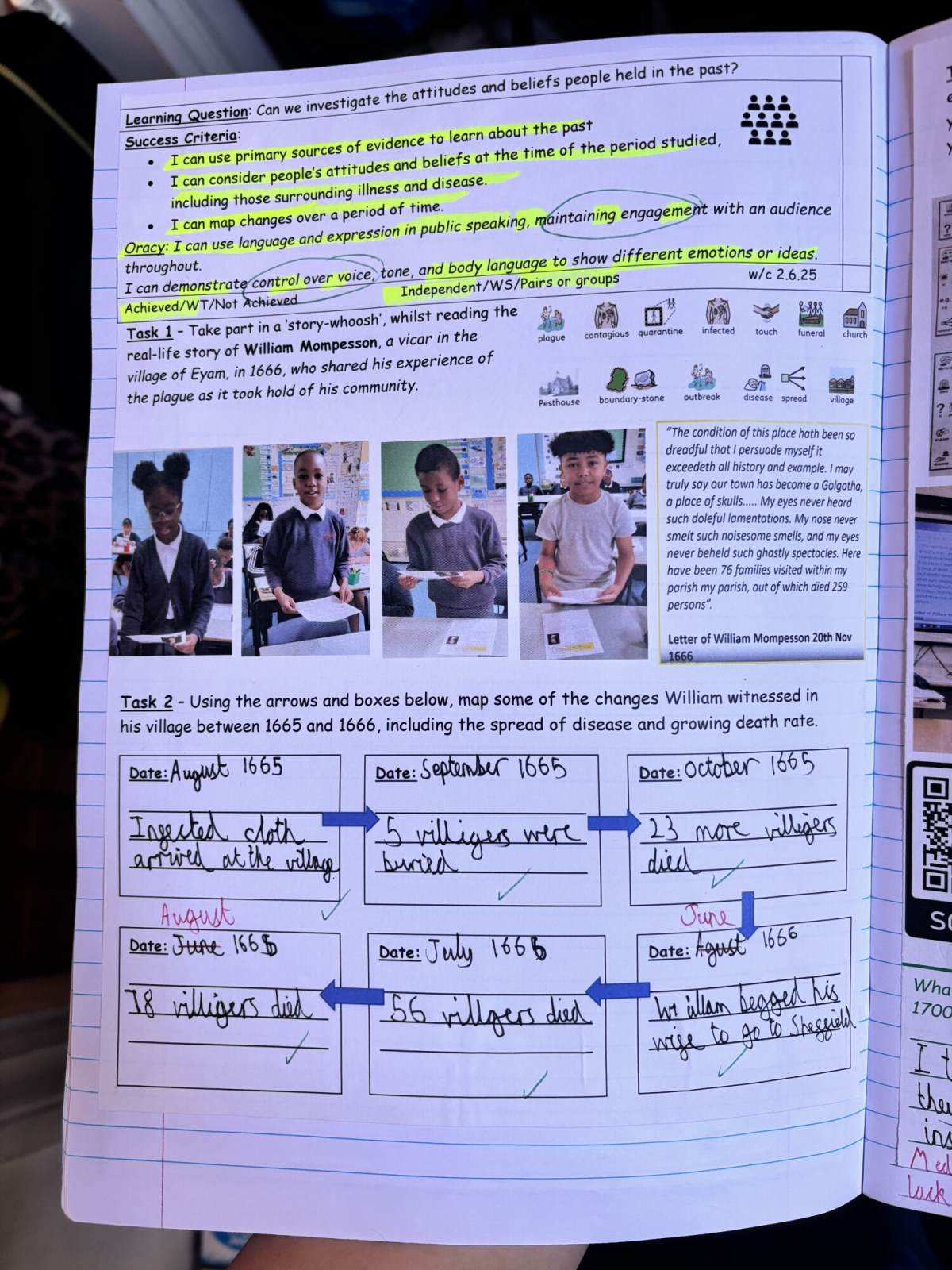
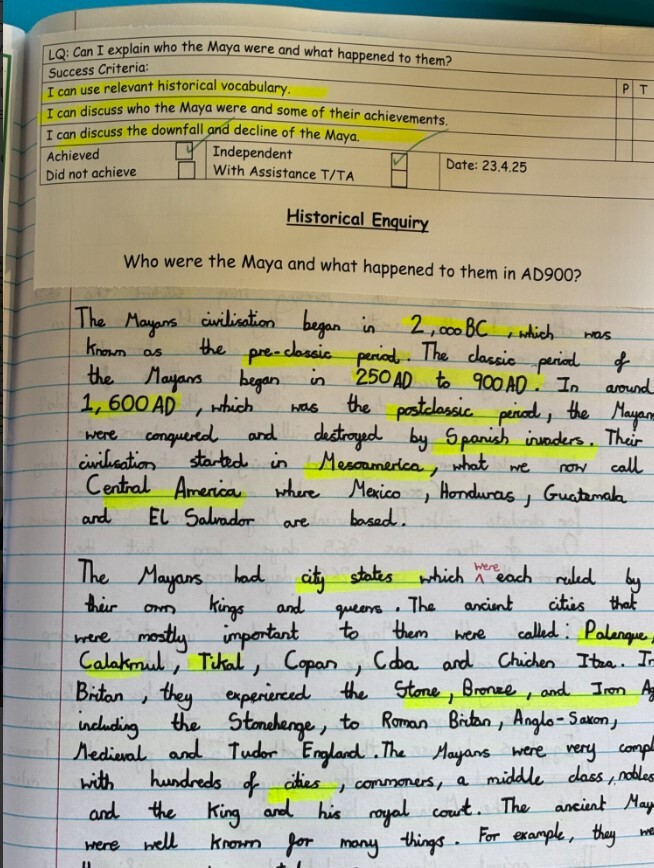
Regular opportunities are given to children to revisit previous learning through termly learning reviews and quizzes. Children should build on key skills throughout their time at school, such as asking questions, using evidence to answer questions, and draw conclusions from primary and secondary source material. Throughout the history topics, children should have an understanding of how historians know about and debate the past.
-
History Curriculum Overview
download_for_offline
↑
download_for_offlineHistory Curriculum Overview
- History Curriculum Statement download_for_offline
download_for_offlineHistory Curriculum Statement
- History Progression Map download_for_offline
download_for_offlineHistory Progression Map
- History Progression Map EYFS download_for_offline
download_for_offlineHistory Progression Map EYFS
Learning Across the Year Groups
Year 1
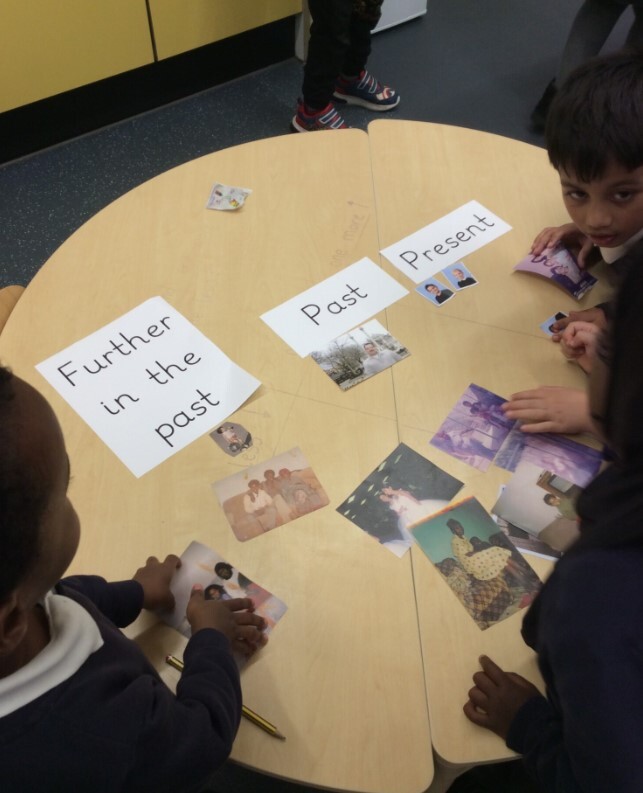
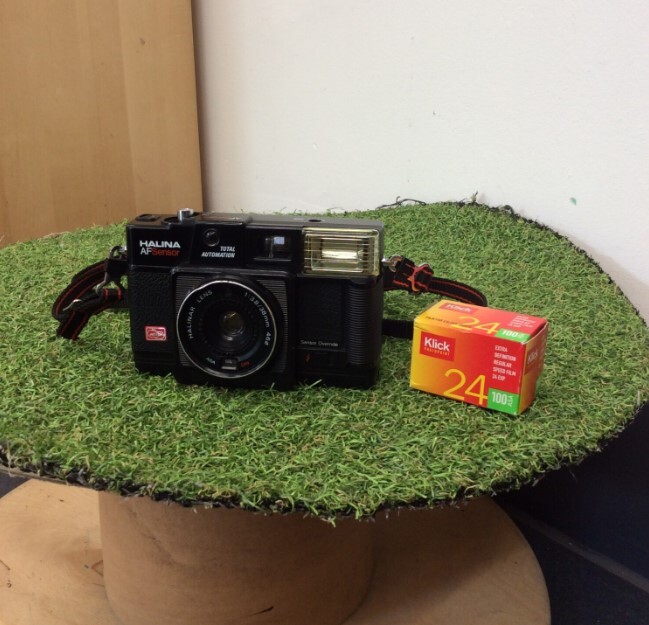
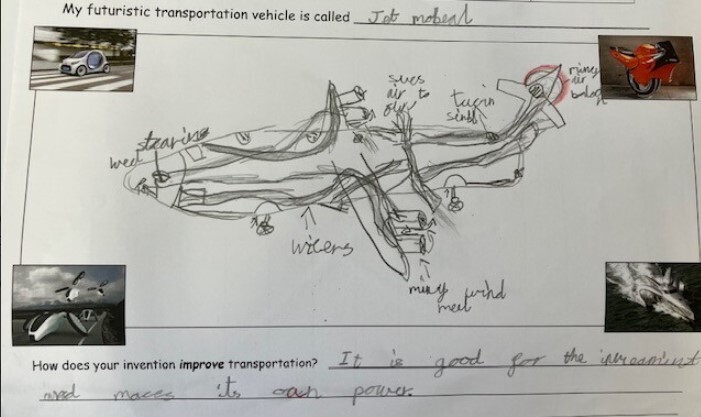
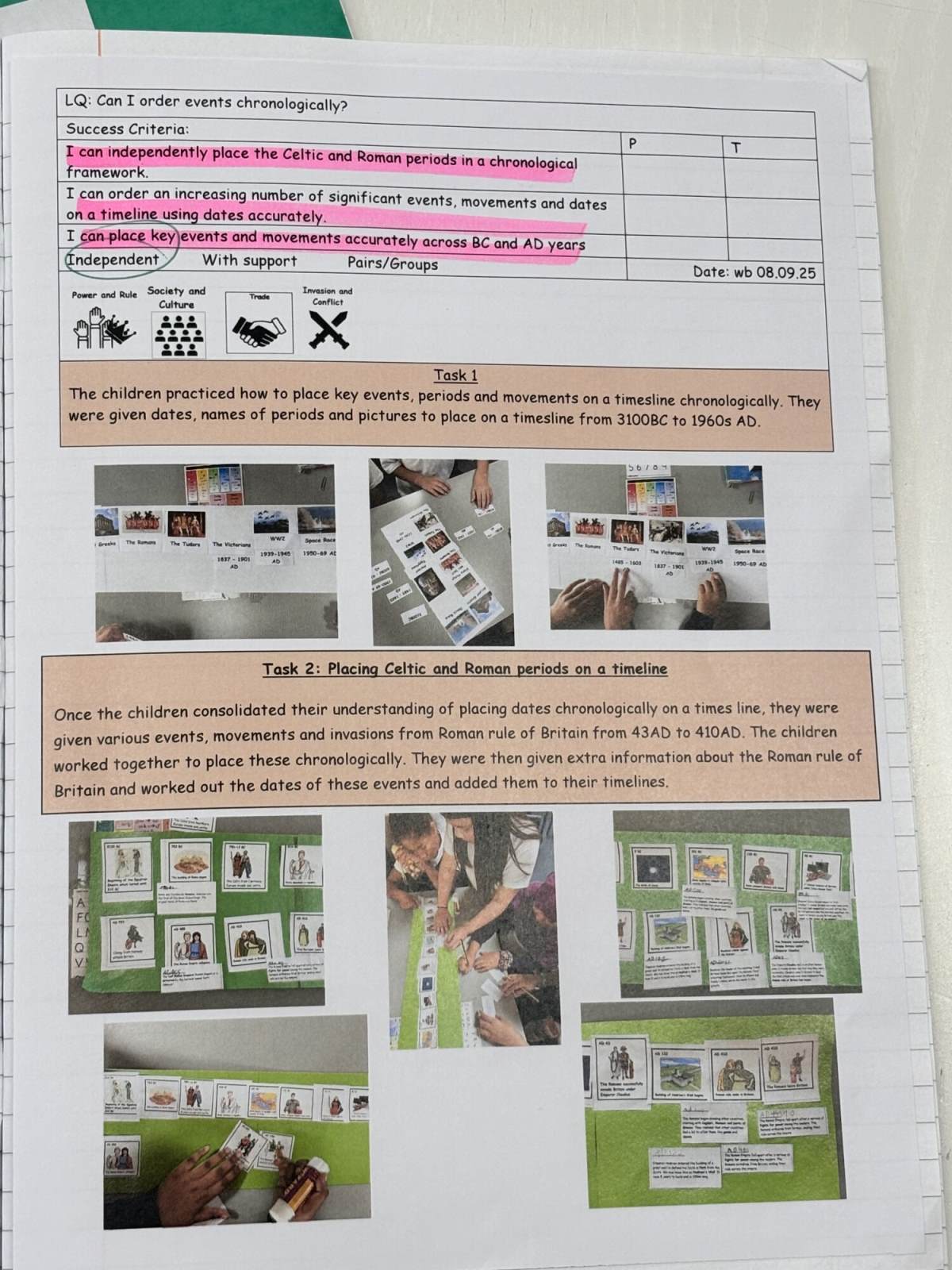
In Year 1, our children begin to develop an awareness of the past, using common words and phrases relating to the passing of time. Through topics such as Our Grandparents, A Local Study: London – Now and Past, and The History of Flight, they begin to place people and events in a simple chronological framework.
Substantive concepts such as Invasion and Conflict, Power and Rule, and Achievements and Legacy are introduced and referred to where relevant. Pupils identify similarities and differences between ways of life in different periods within living memory and use simple historical vocabulary (e.g., old, new, past, present, before, and after). They start to ask and answer questions, drawing on stories and simple sources to develop their understanding of key features of events.
Year 2
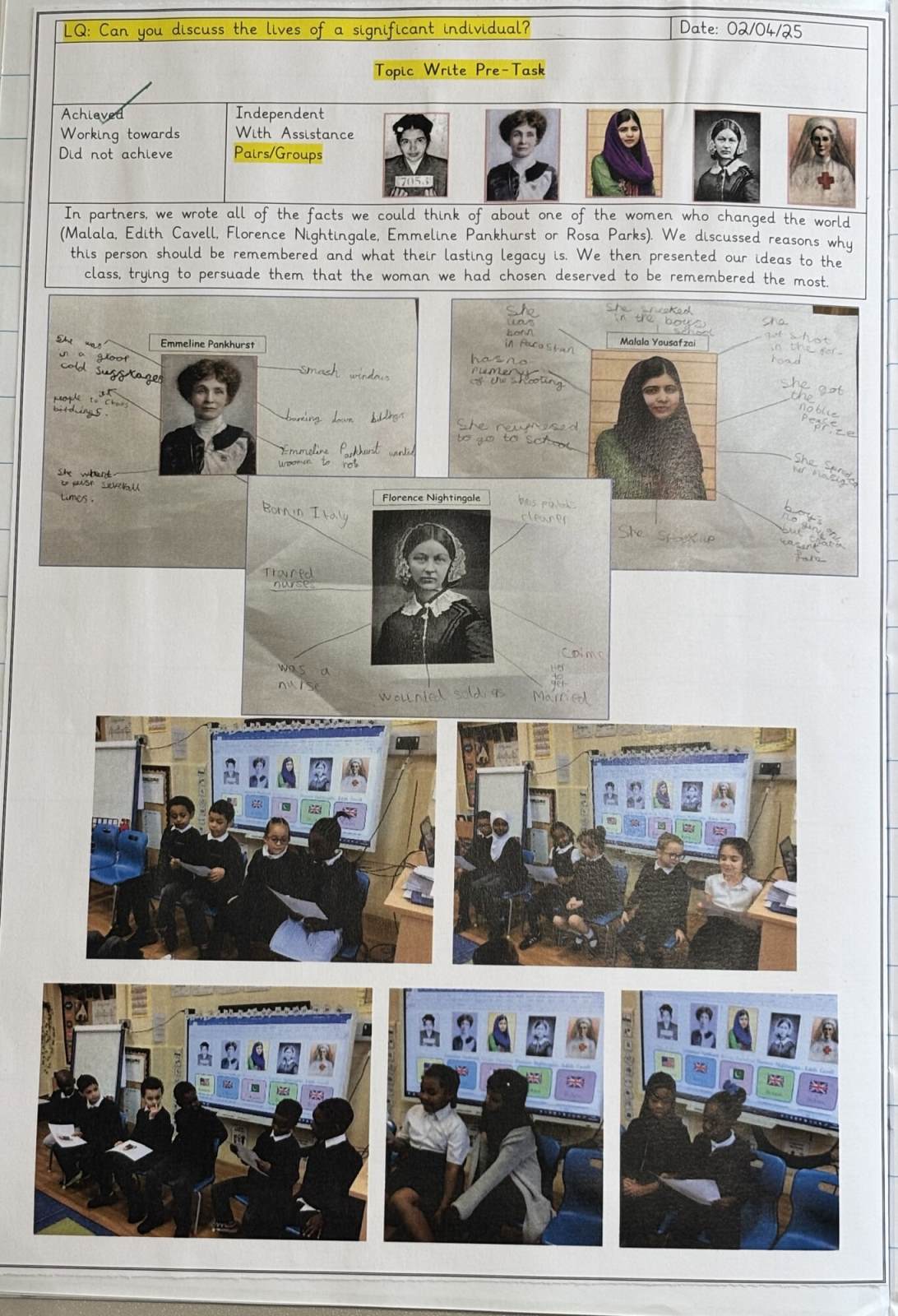
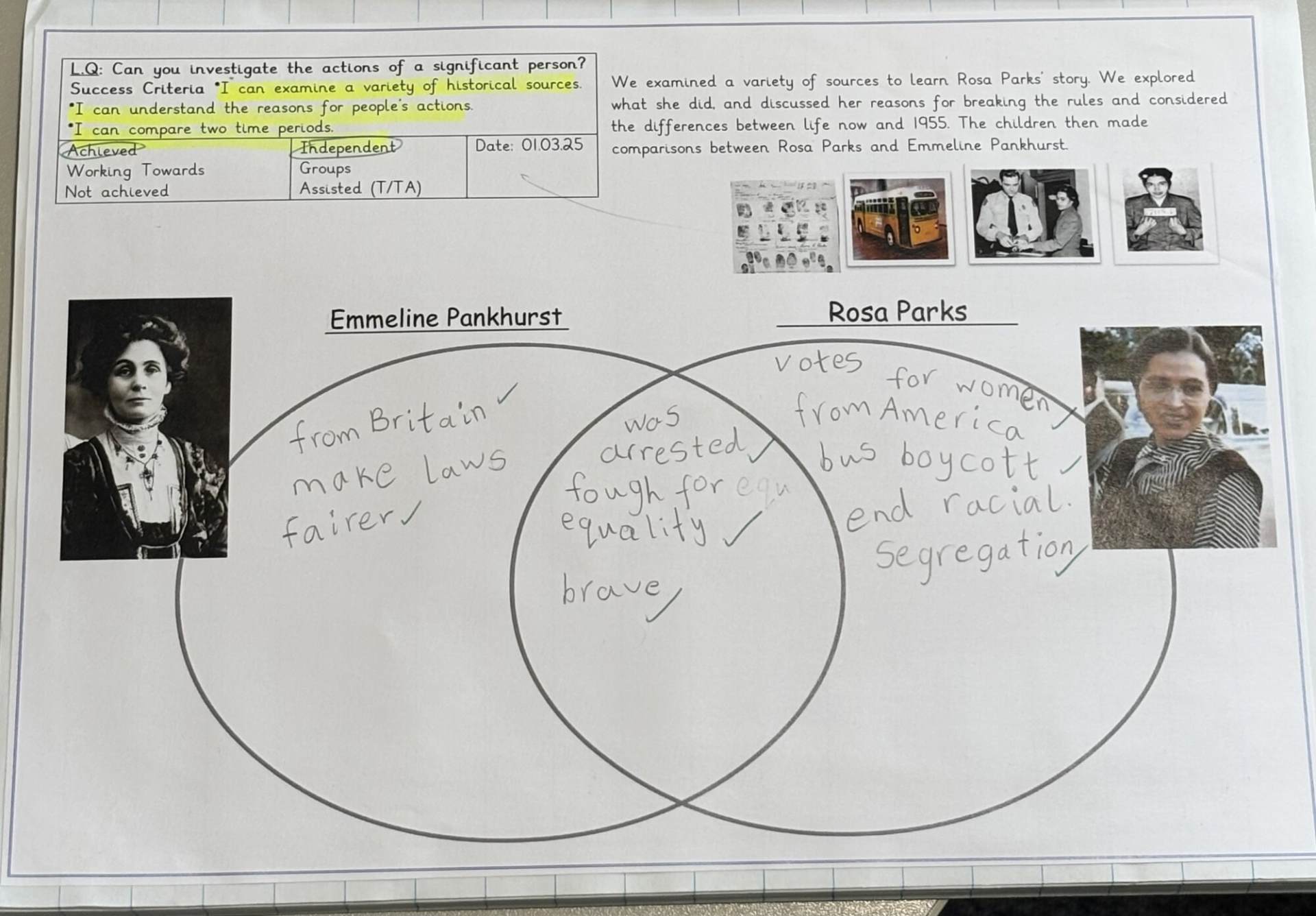
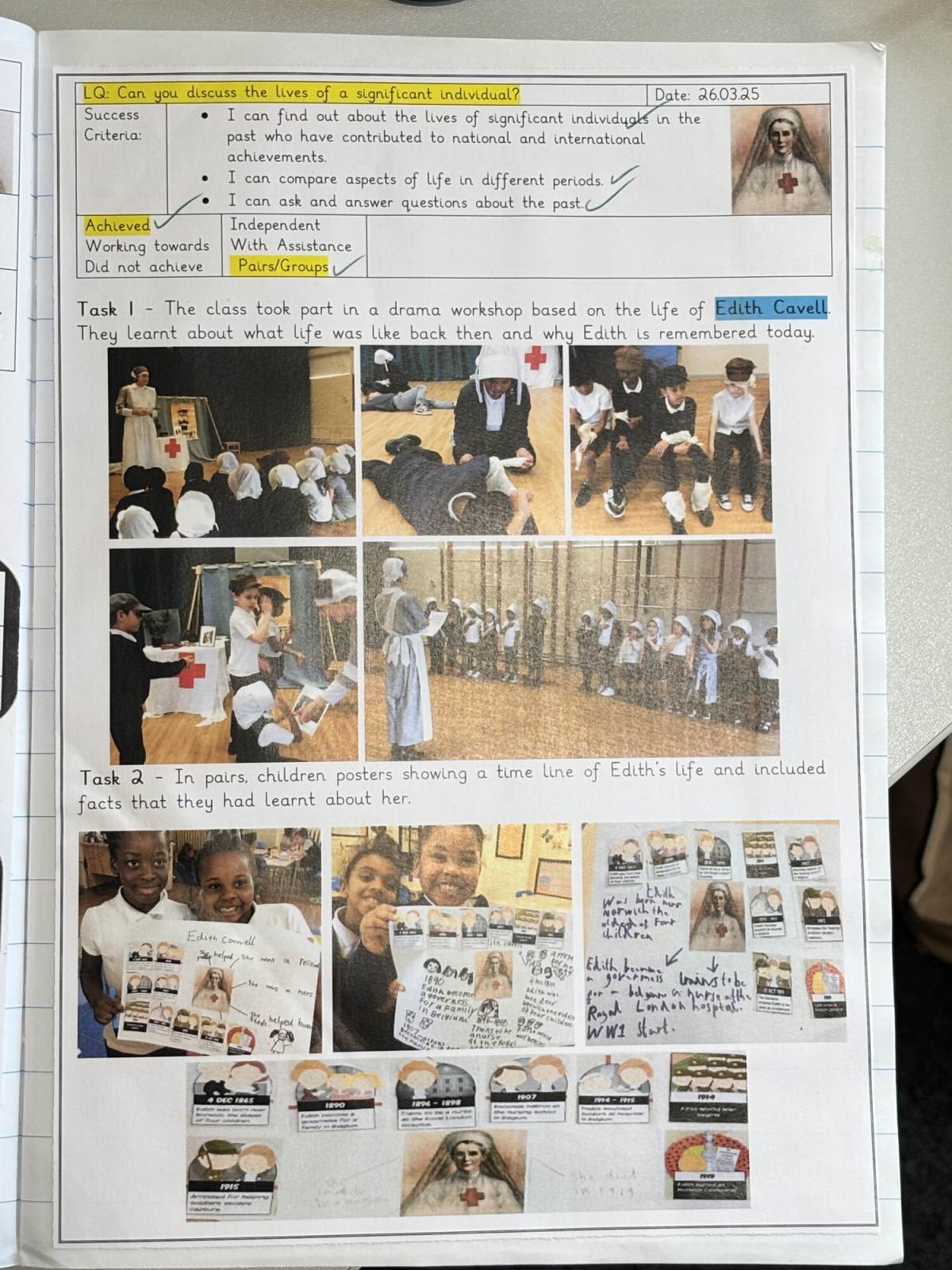
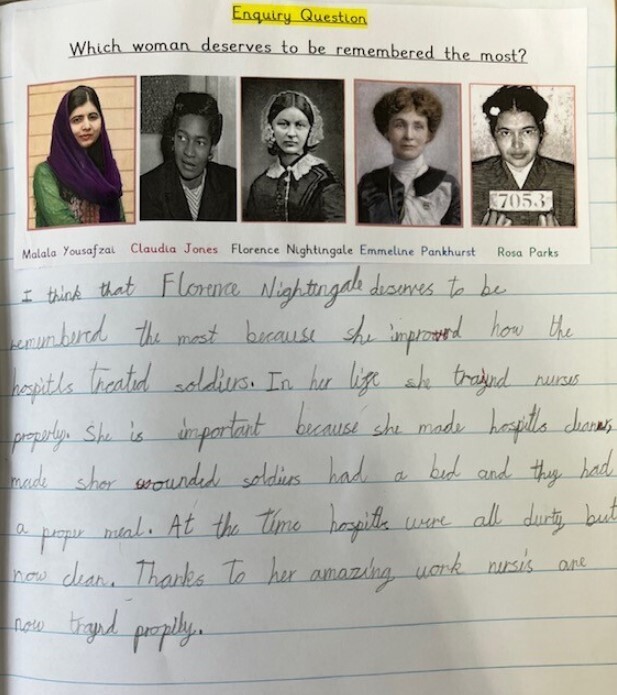
Year 2 builds upon this foundation, with pupils studying The Great Fire of London, Women Who Change the World, and Adventures in Travel. They continue to develop chronological understanding and a wider historical vocabulary, while also recognising different ways the past can be represented.
They begin to use sources more confidently to identify cause and consequence, as well as similarities and differences, laying the foundations for critical inquiry. Substantive concepts are revisited and explored to build connections across unit.
Year 3
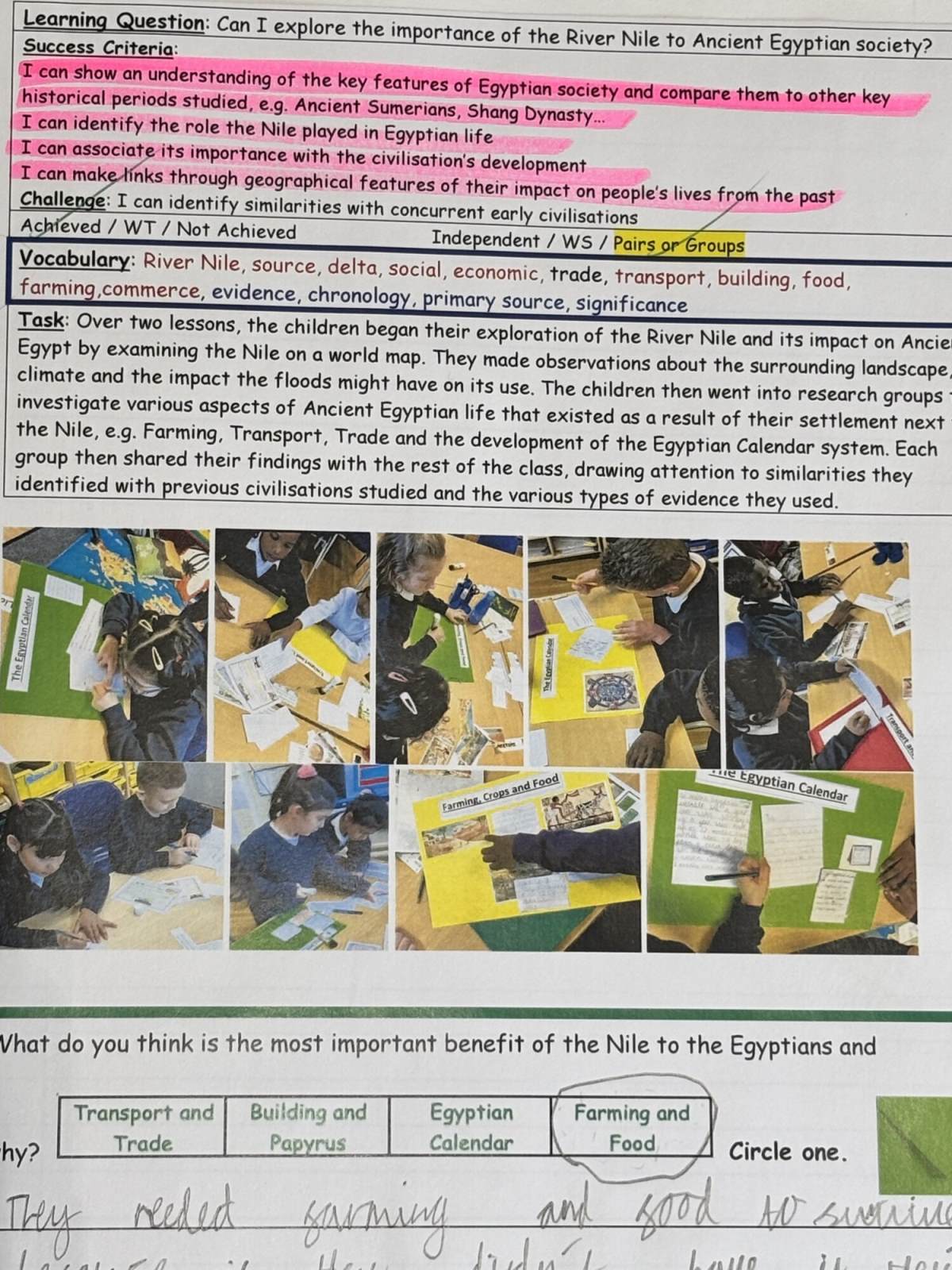
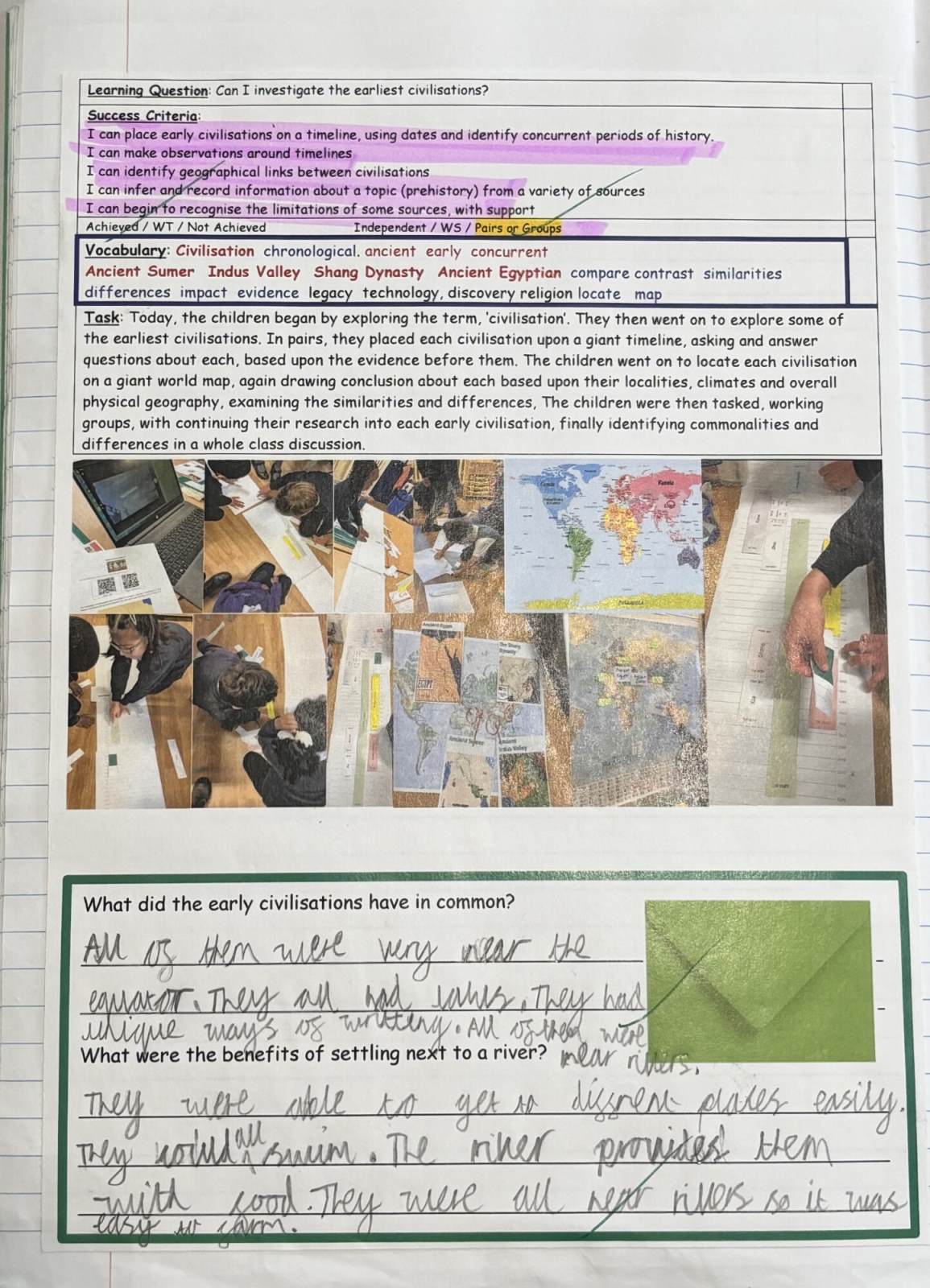
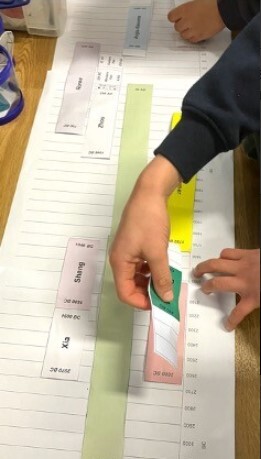
In Year 3, our children broaden their historical perspective with the study of earlier civilisations such as the Stone Age to Iron Age and Ancient Egyptians. They extend their chronological framework and deepen their understanding of Society and Culture, Power and Rule, and Legacy.
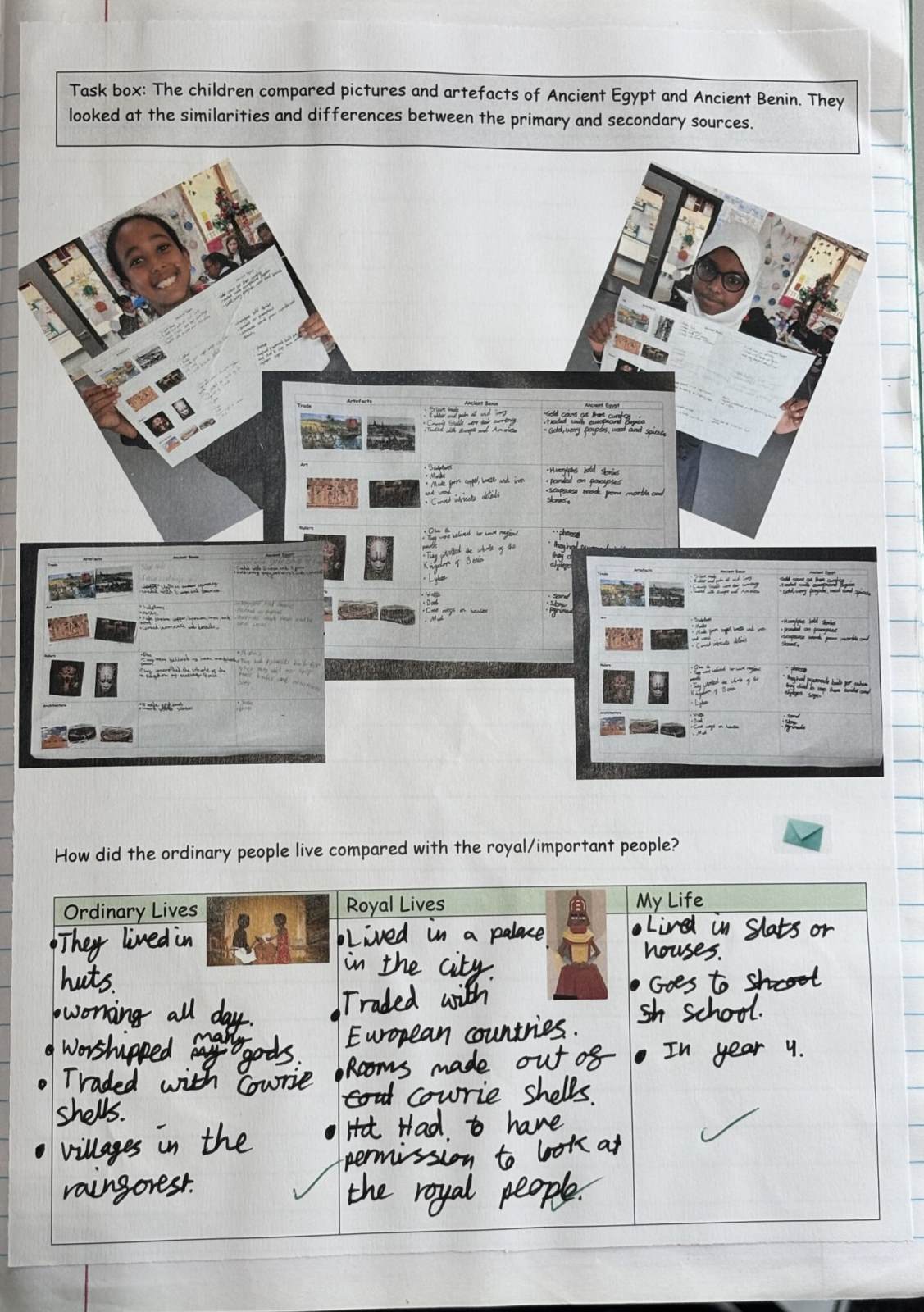
The disciplinary skills they use to investigate and understand the past continue to develop as they consider cause and consequence more carefully, examine how people and events have influenced life today, and begin to explore how interpretations of the past may differ. They start to use a wider range of sources and can distinguish between primary and secondary evidence.
Year 4
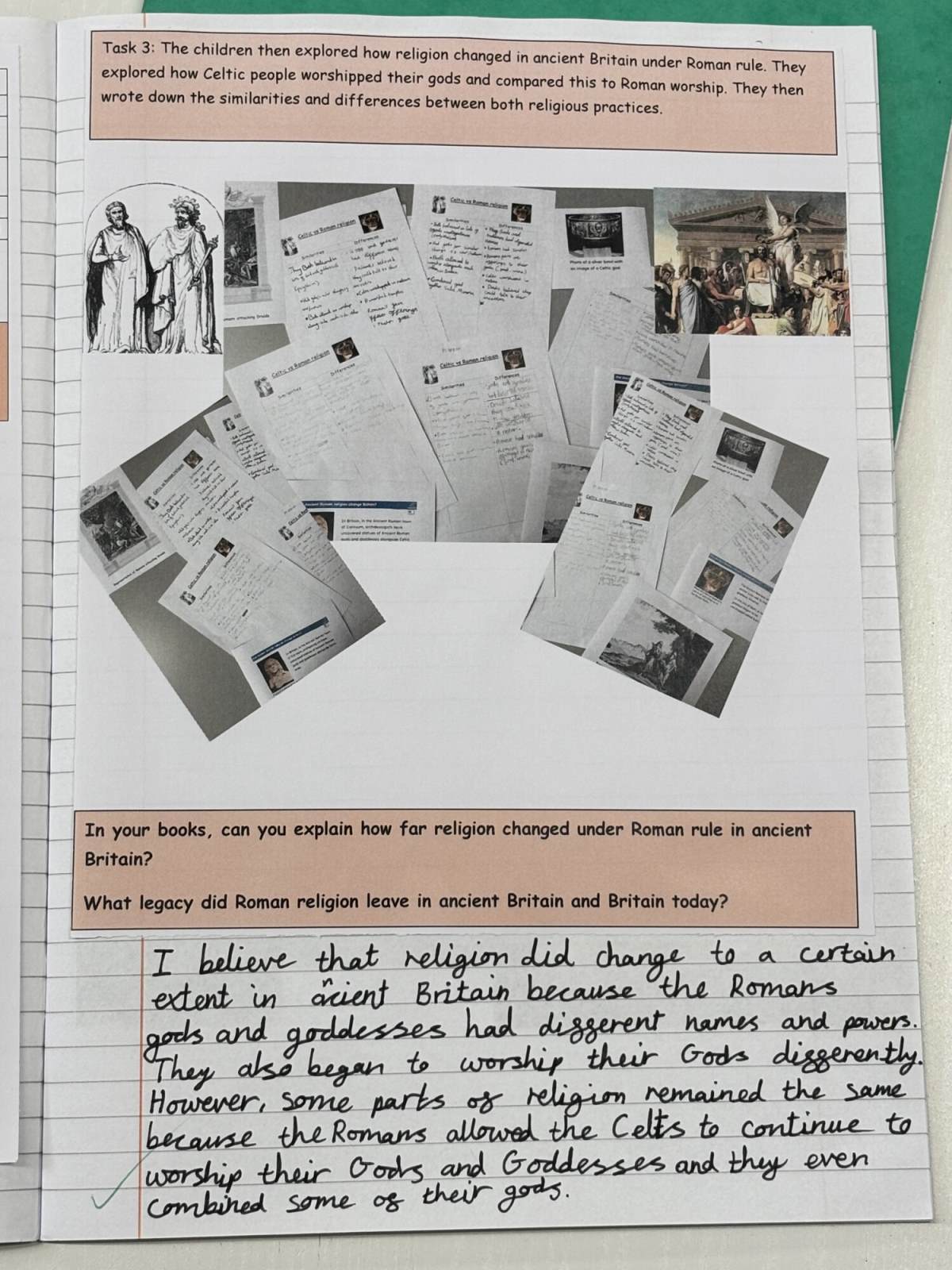
Year 4 children investigate The Romans and later carry out a local history study: London at War, enabling them to connect local history with wider national and global contexts. They revisit substantive concepts such as Invasion and Conflict, Power and Rule, and Legacy, referring to prior learning to deepen their understanding of these topics.
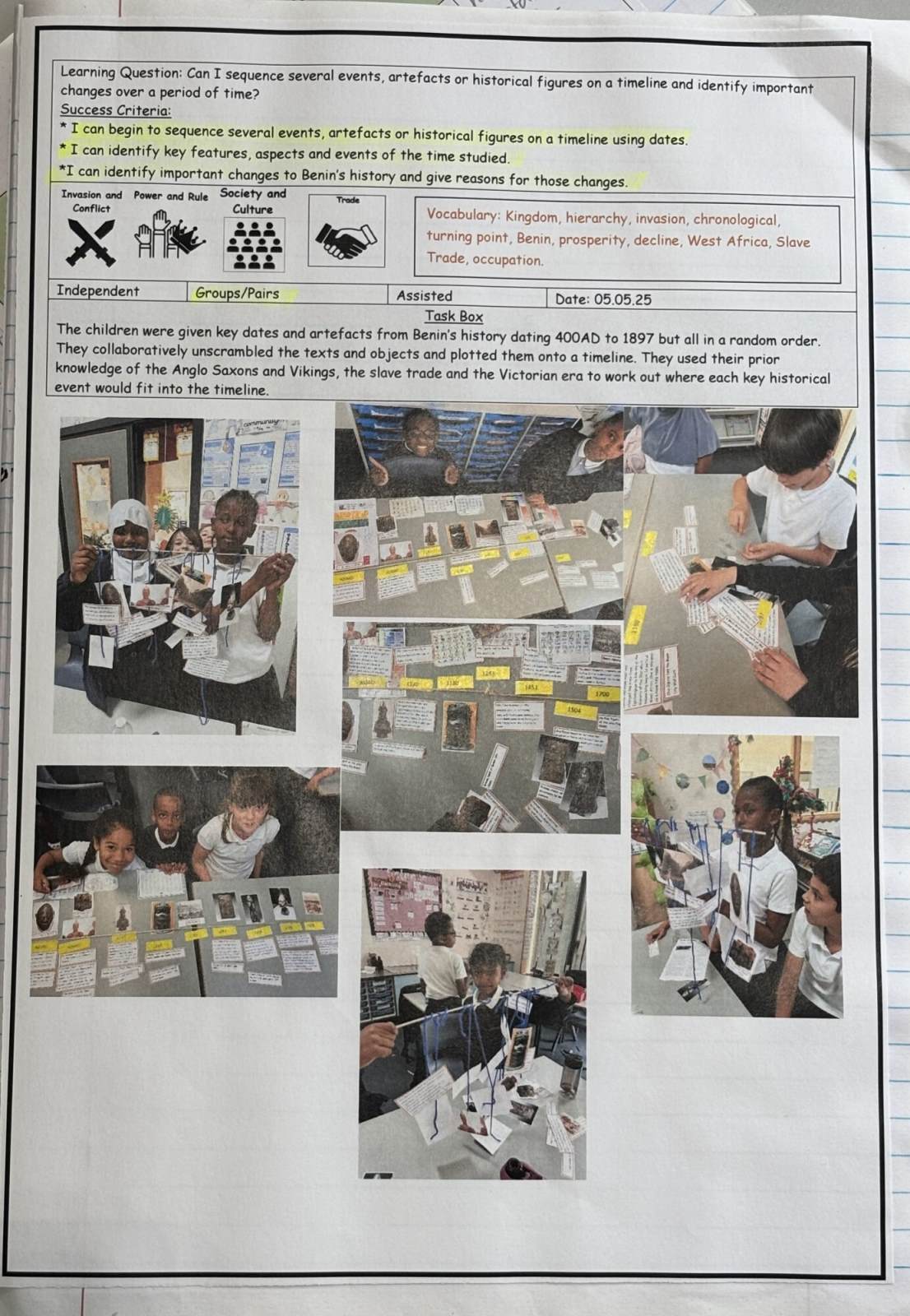
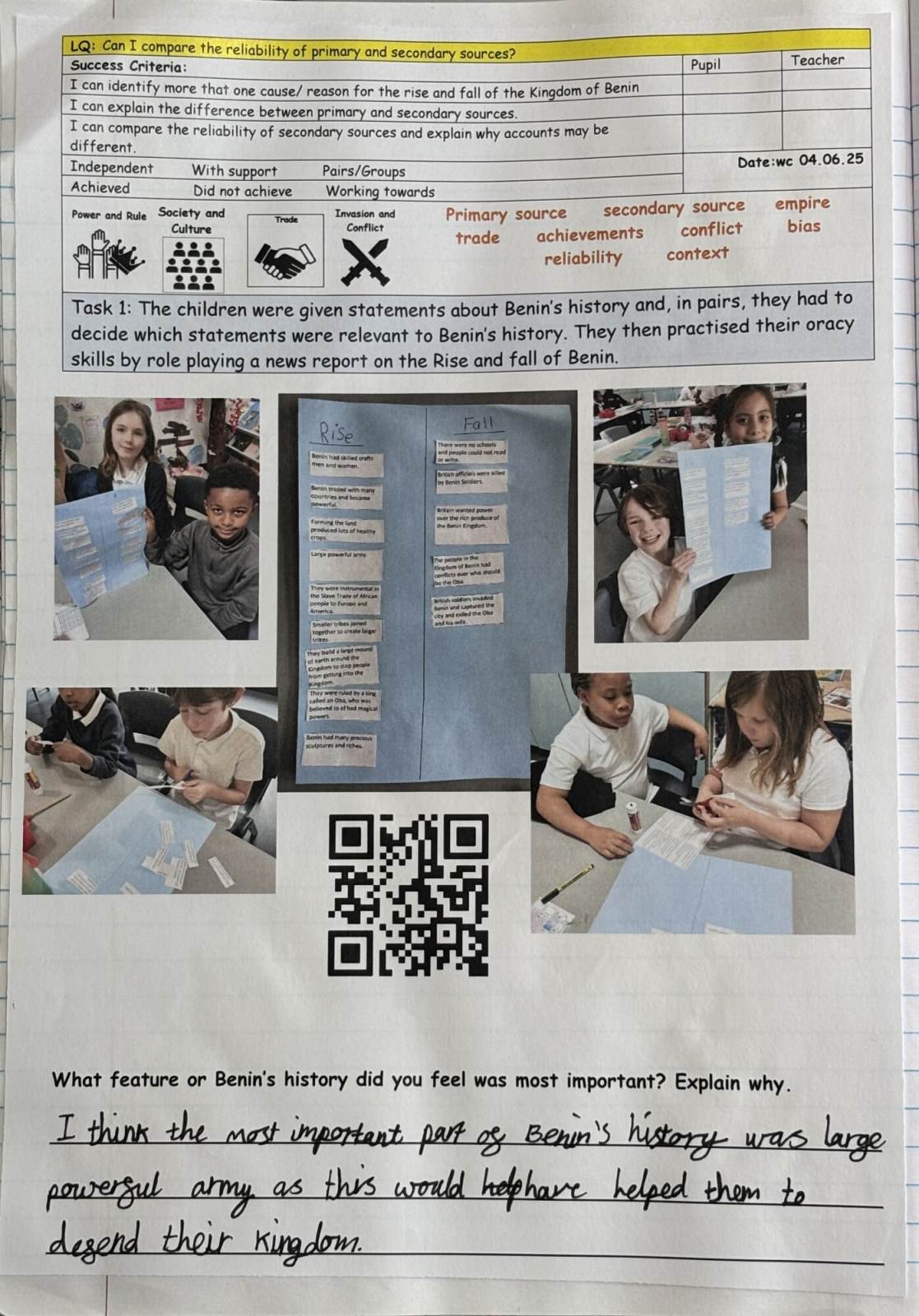
The children refine their disciplinary skills by comparing periods, analysing reasons for events, and evaluating their consequences. They also begin to identify important changes over time and give reasons for those changes. They investigate different historical accounts of events and begin to explain why they might be different.
Year 5
In Year 5, children study The Victorians and The Romans, making stronger links across British and world history. Substantive concepts are revisited with increasing sophistication, and disciplinary skills are further developed as children evaluate sources more critically, construct explanations of cause and consequence, and consider how interpretations of the past are shaped.
They apply their chronological understanding to compare and contrast different societies, including those from different periods in history. They explore continuity and change over various lengths of time, using different sources of evidence to support their learning (e.g., census records or maps).
Year 6
- History Curriculum Statement download_for_offline