English
Reading
Whilst word reading and phonics are important; we know that you cannot have reading without comprehension and vice versa. Information about word reading can be found in the phonics section of the website.
-
Reading Intent Implementation Impact Statement
download_for_offline
download_for_offlineReading Intent Implementation Impact Statement
- Reading Progression Map download_for_offline
download_for_offlineReading Progression Map
- The Reading Framework download_for_offline
download_for_offlineThe Reading Framework
High-Quality Texts
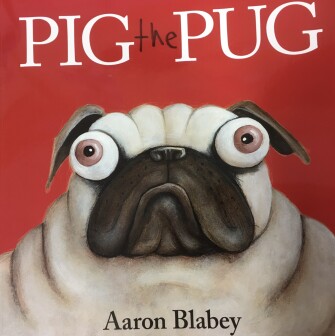
Each year group has a carefully selected collection of core books, which are used in both writing and reading sessions. These texts have been chosen based on the ‘Plagues of Reading’ to ensure that children are provided with high-quality texts across a broad range of genres, rich in language. Each of the chosen texts increases in complexity as pupils move up through the school.
Comprehension
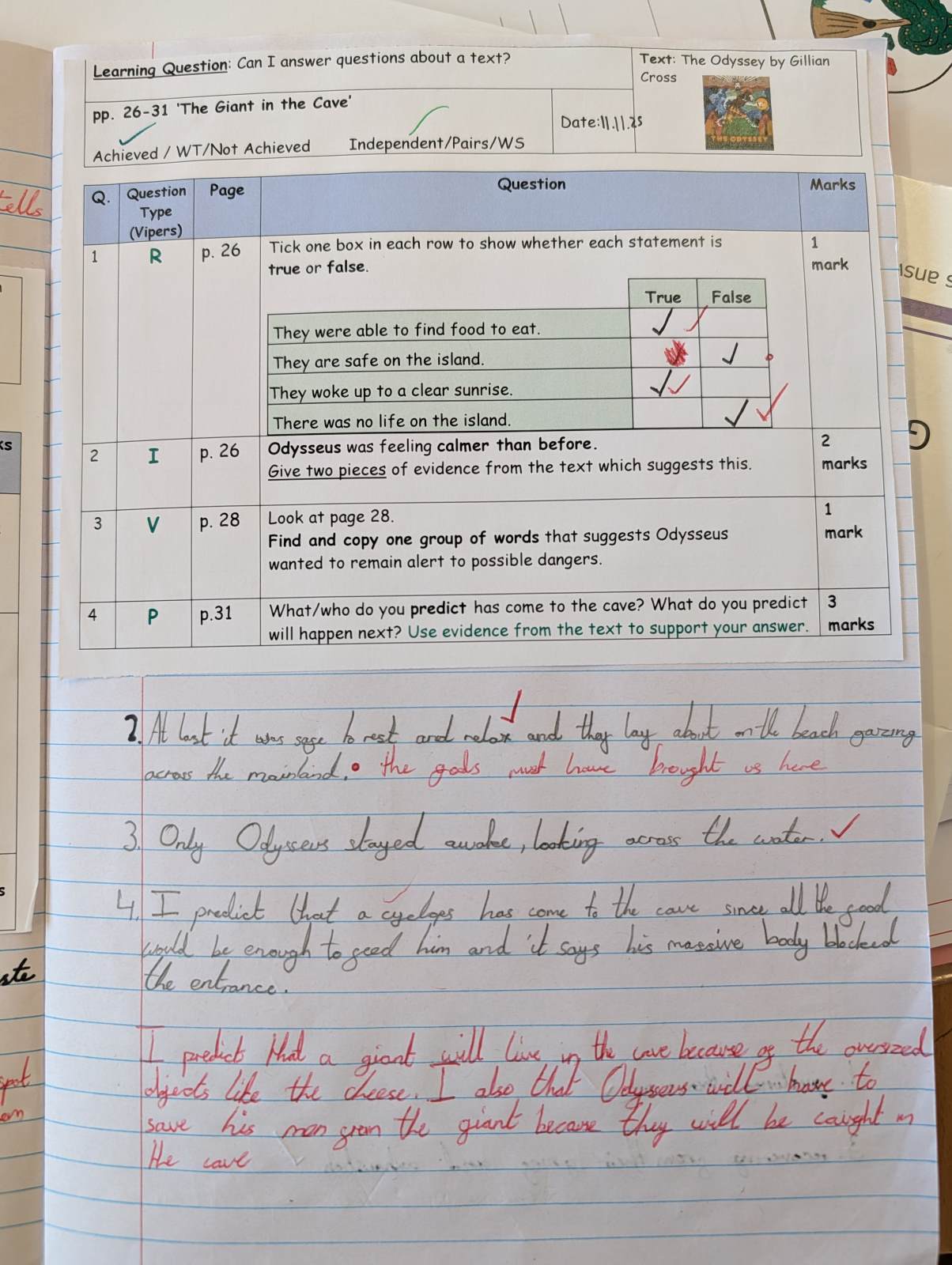
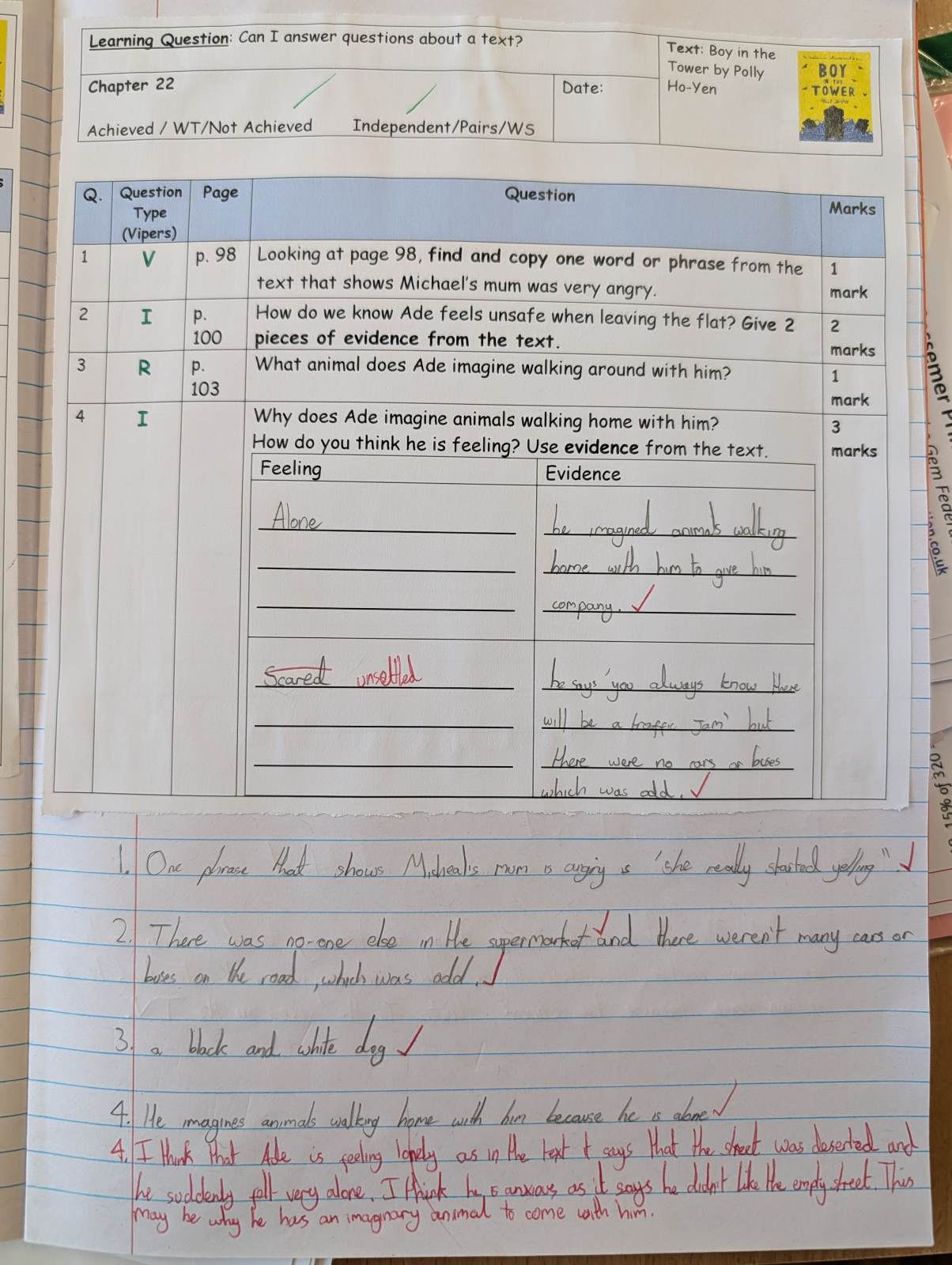
Comprehension is an essential skill in reading. Children in the Gem Federation begin to learn key strategies and skills for comprehension from as early as two years old. Across the school, children are taught seven key comprehension skills, known as VIPERS. These are taught in a variety of sessions, from story time and Book Chat in Nursery to whole-class reading and Book Club sessions in KS2.
The VIPERS skills taught are:
- Vocabulary
- Inference
- Prediction
- Evaluation
- Retrieval
- Sequencing
- Summarising (KS2 only)
Daily Story Time
Each class has daily story time at some point during the day. These books are chosen by the class and read by the teacher. Children love daily story time; it is an integral part of our day.
Book Chat
At the Gem Federation, we pride ourselves on giving children plenty of opportunities to develop their language skills and to foster a love of reading. Book Chat begins in Nursery and is a key part of our reading curriculum.
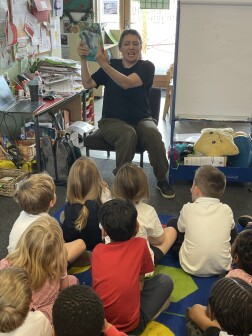
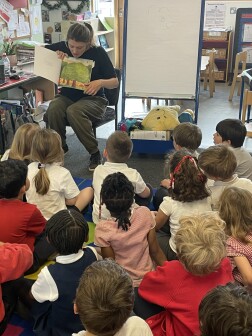
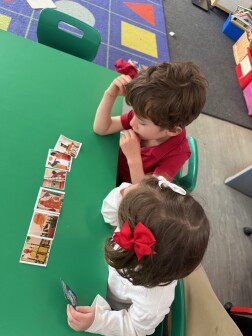
These sessions take place weekly in small groups, and children revisit the same book over five to six sessions. Each session focuses on a different reading skill—for example, turning pages one at a time, understanding that text is read from left to right, or following along with the words as they are read. These targeted skills help children become fully immersed in a text, exploring vocabulary and storytelling in greater detail. Throughout these sessions, the questions are carefully planned to ensure that children are asked a variety of questions relating to each of the VIPERS skills.
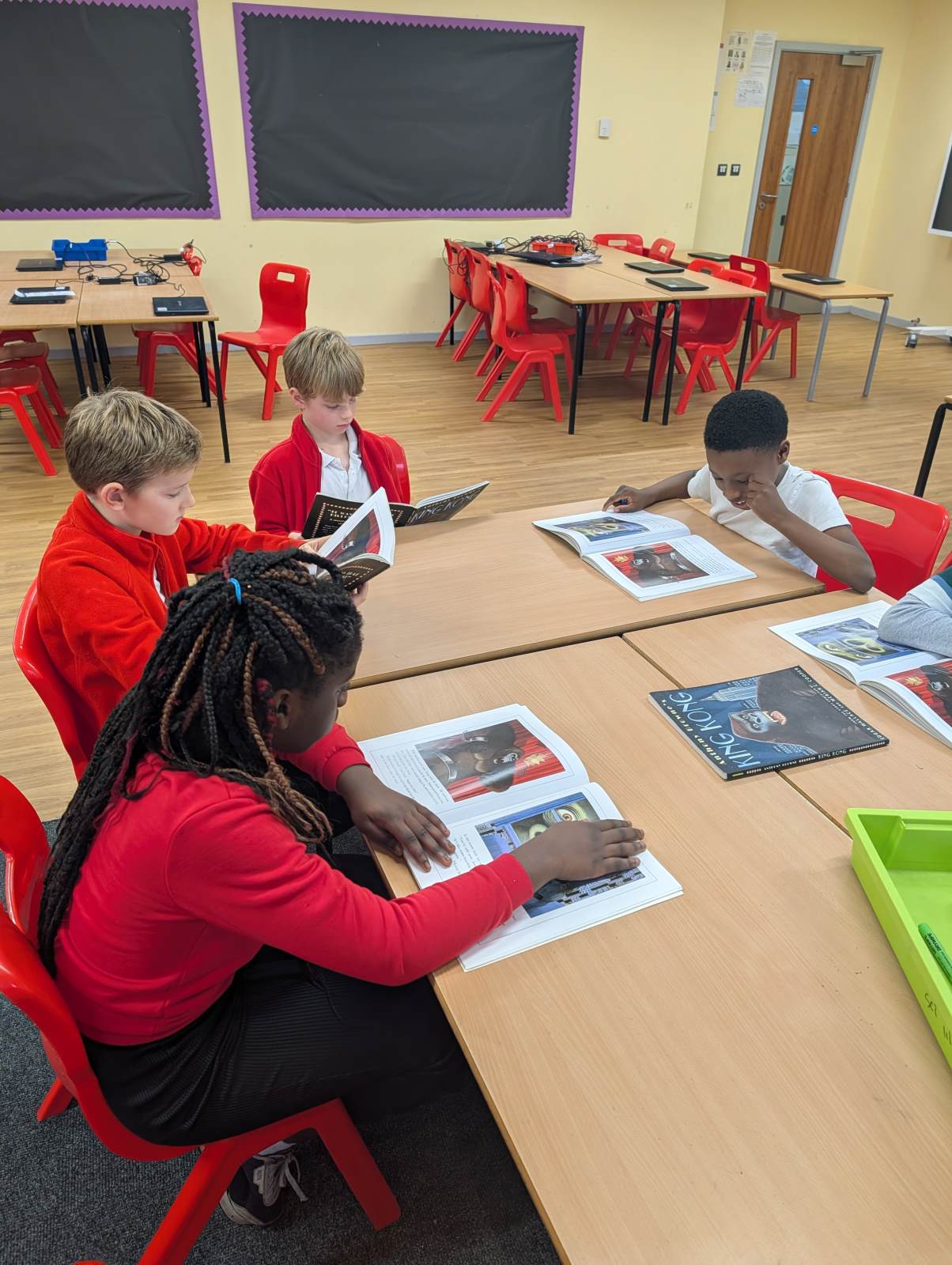
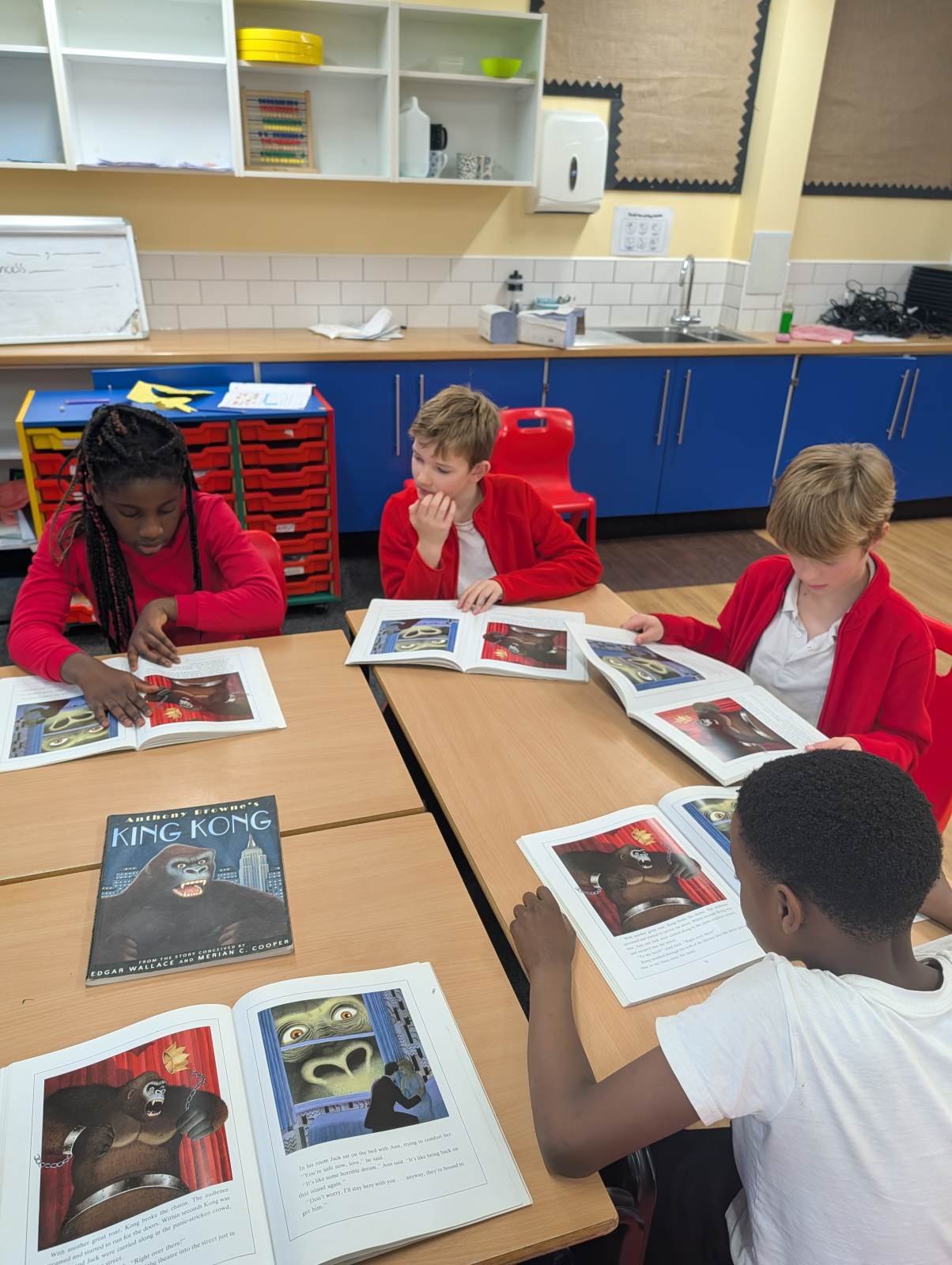
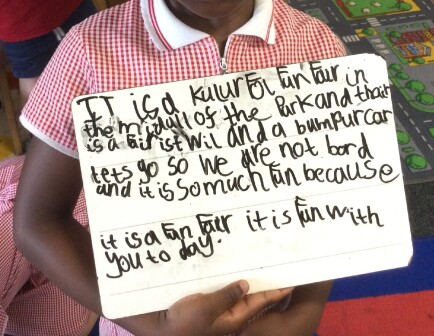
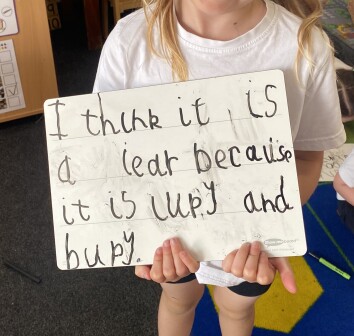
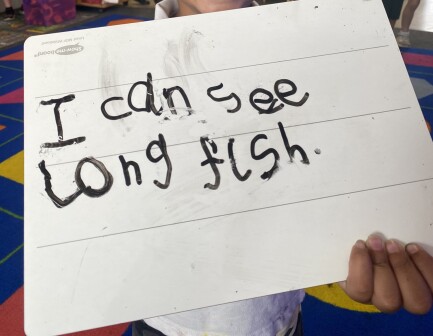
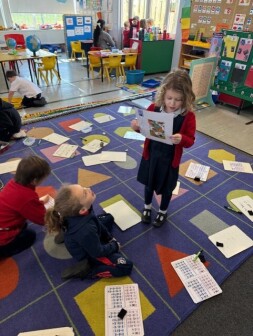
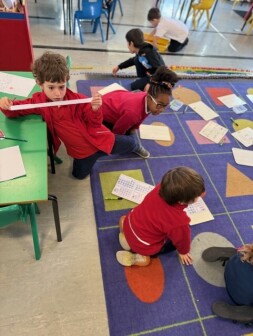
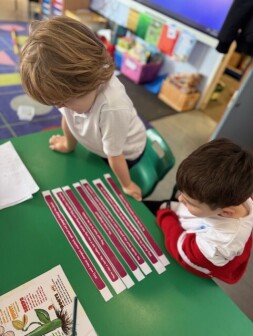
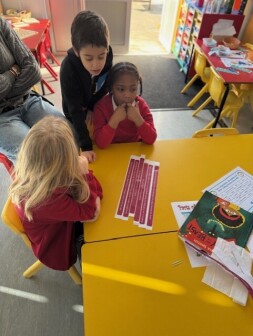
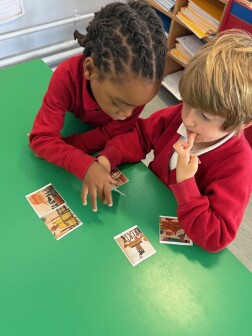
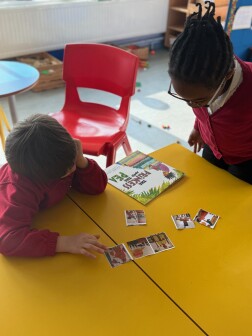
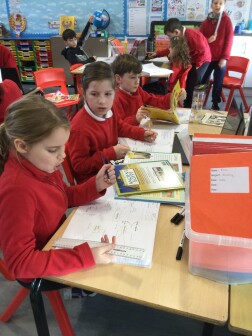
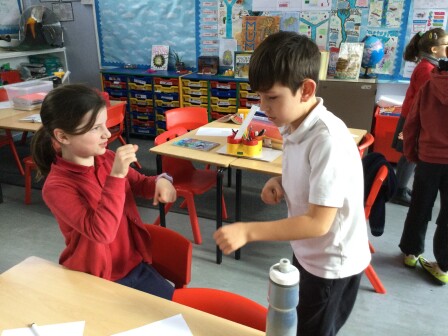
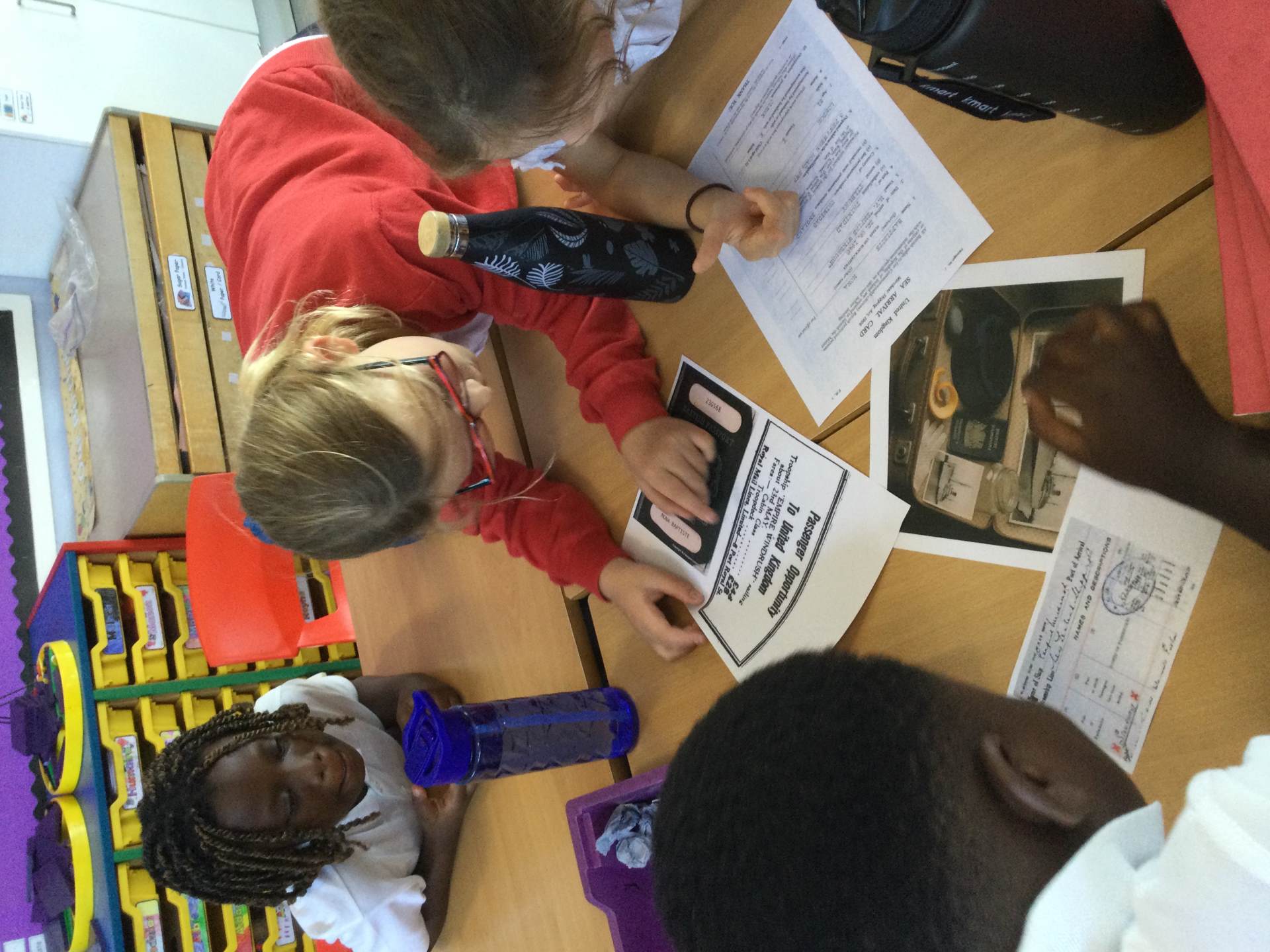
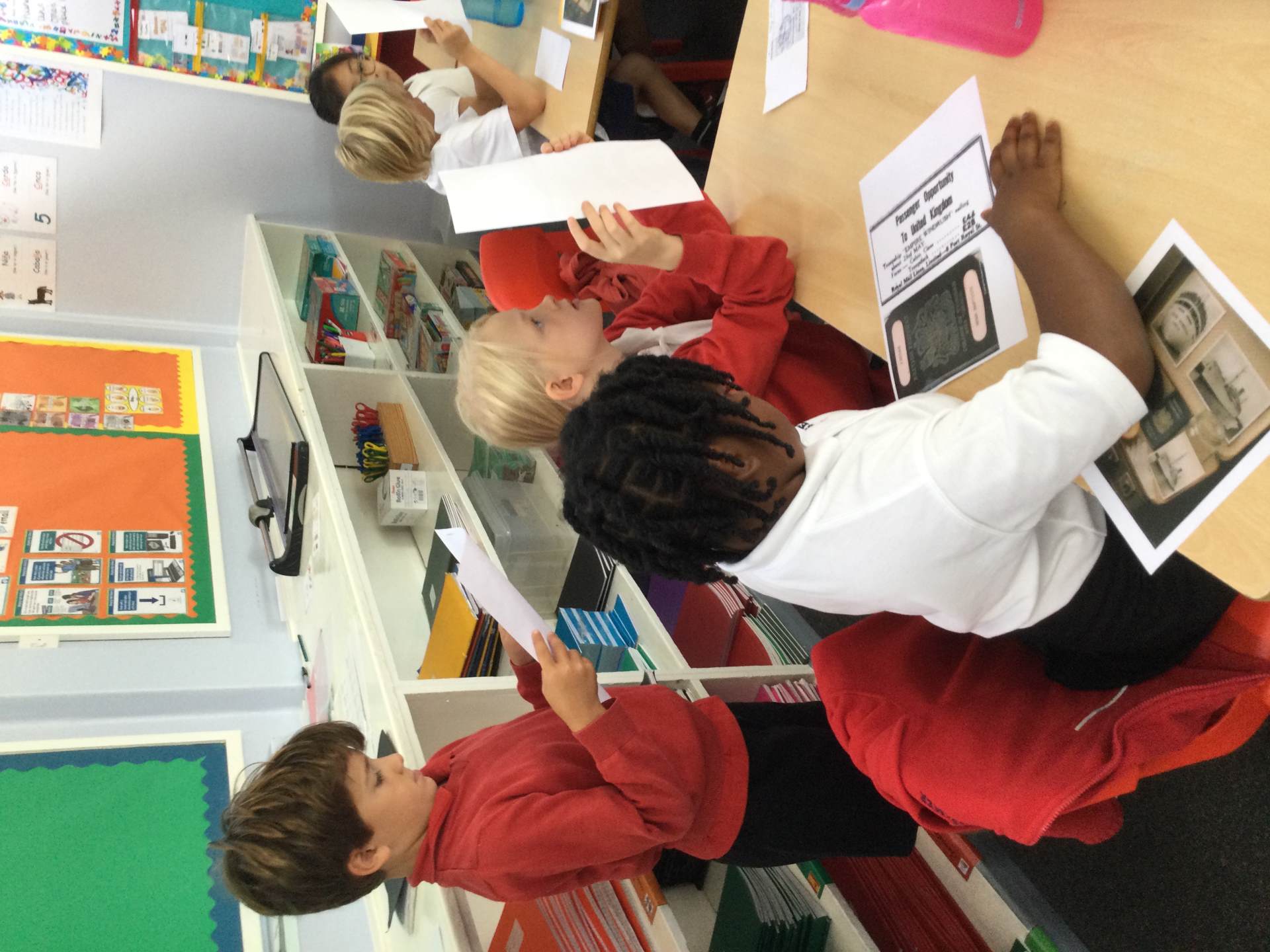
Children absolutely love Book Chat. In simple terms, it is an opportunity to share and talk about a book while the teacher gently guides the conversation to support their reading development and comprehension. As you can see from the photographs, it truly is one of the highlights of the children’s week.
Whole-Class Reading
From Years 2 to 6, children are taught comprehension skills as a whole class. Teachers model strategies for answering questions that relate to one of the seven VIPERS skills. During the sessions, children practise answering comprehension questions related to their core literacy book and have the opportunity to ‘uplevel’ one of the more challenging questions together in each session.
These sessions focus on the skills and strategies needed to comprehend texts, with a large proportion of the lesson based around discussion and linking the text to pupils’ wider experiences and knowledge.
Book Club
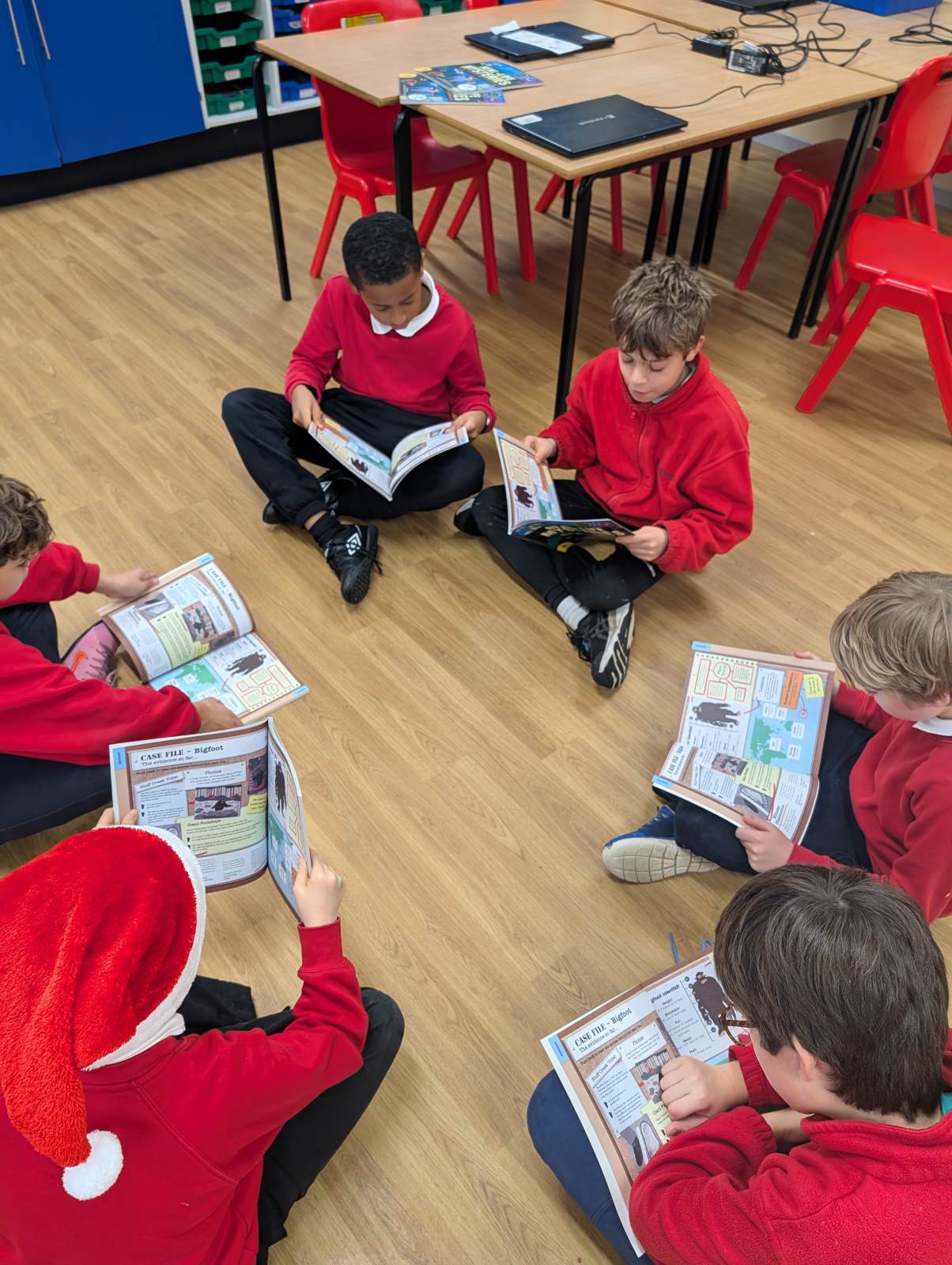
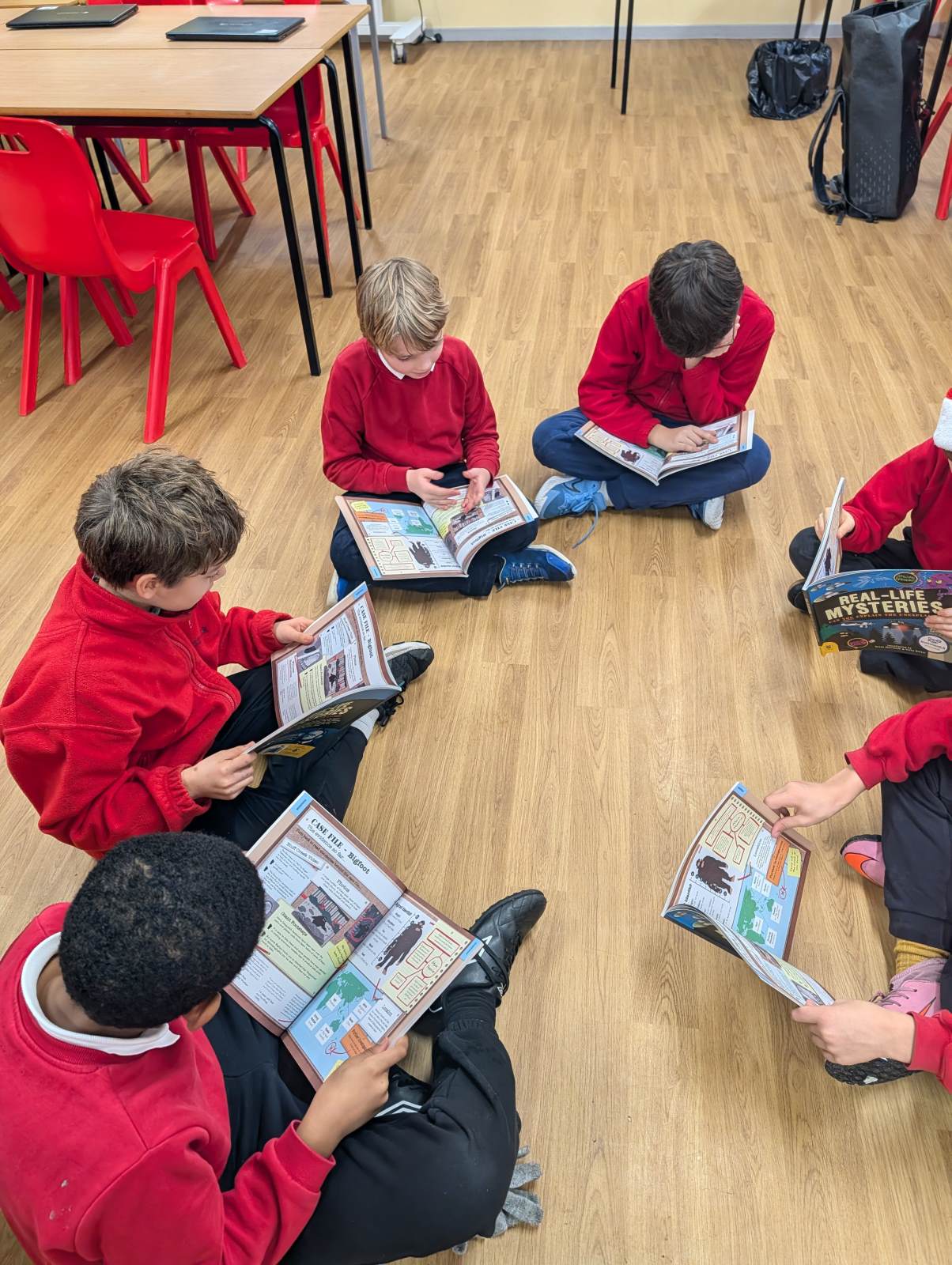
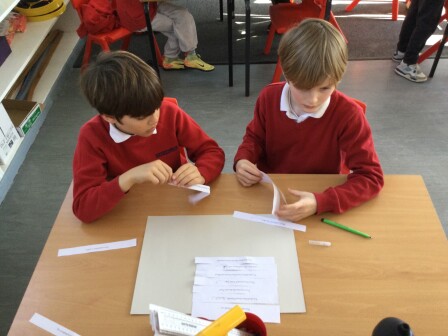
From Year 3, children also take part in weekly Book Club activities. They work in small groups to read a section of a text and are given a question to discuss among themselves. This develops not only their comprehension and understanding but also their oracy skills through group discussion.
It is also an opportunity to expand pupils’ reading repertoire, motivate them to read more or try new genres, and provide greater challenge for those who are confident readers. It also helps to foster confidence in those who may otherwise struggle or who are not yet finding as much enjoyment in reading.
Reading for Pleasure
We foster a love of reading among our children through a range of approaches, including:
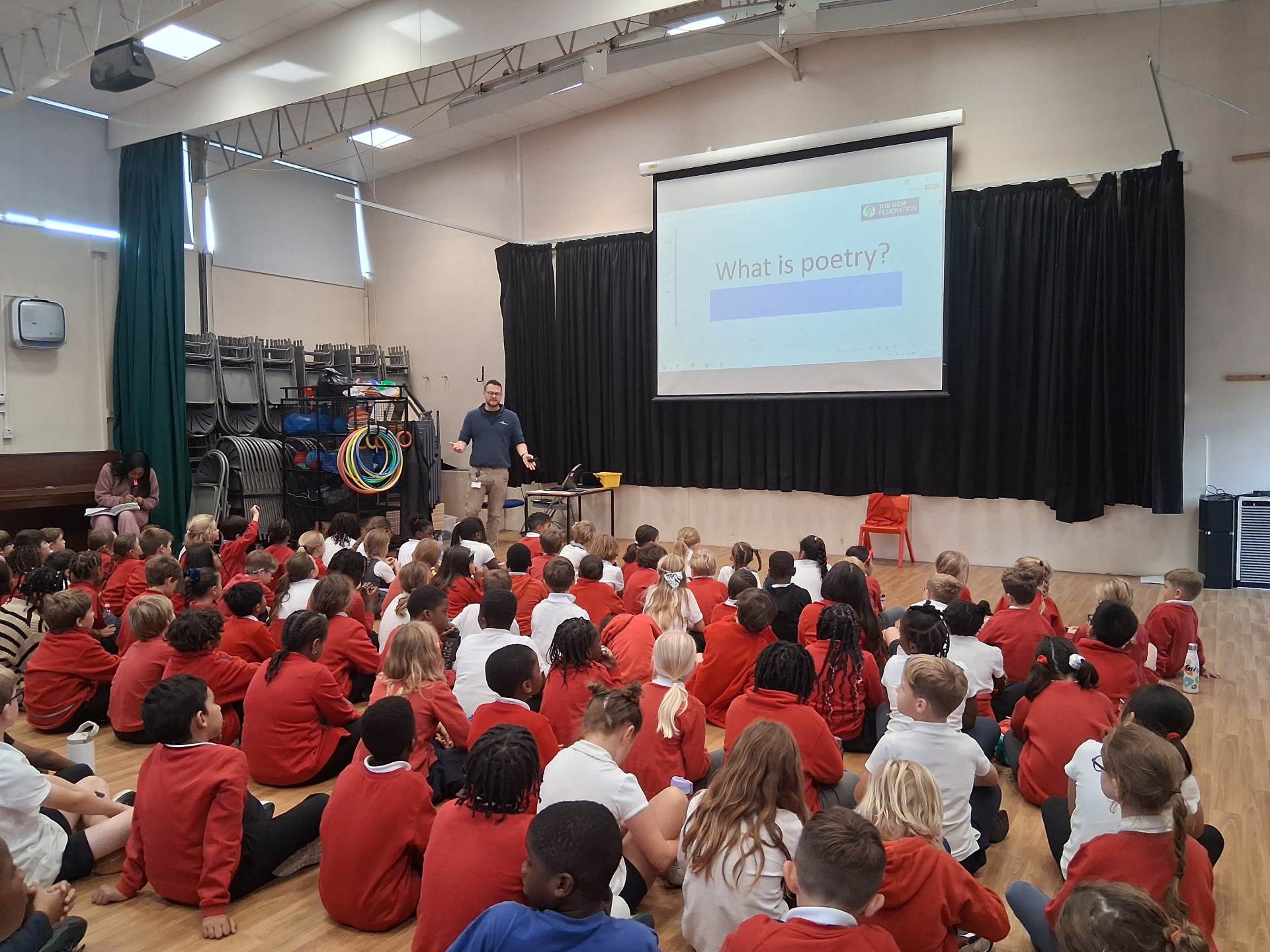
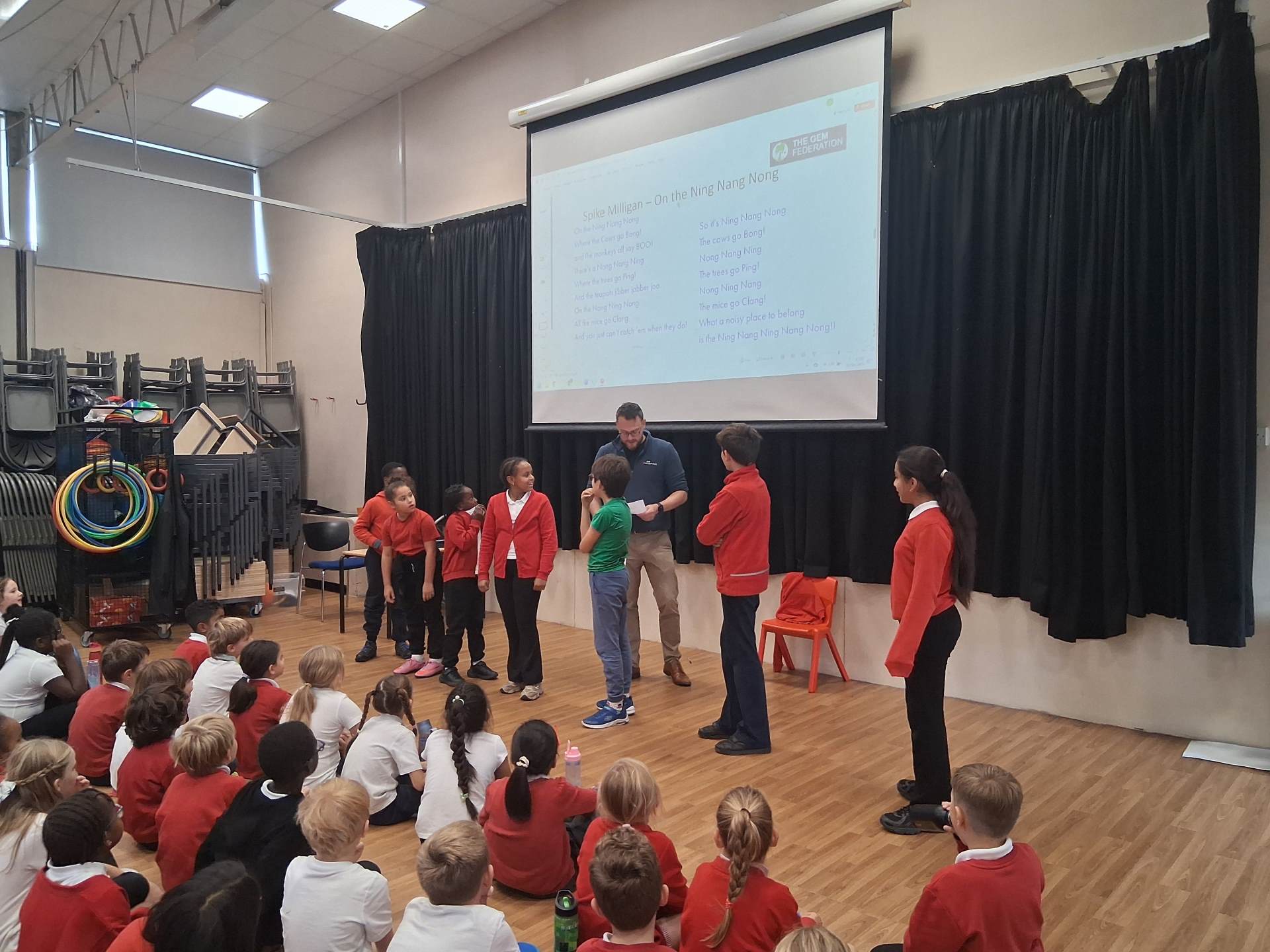
- Celebration days such as World Book Day and National Poetry Day
- Author talks and visits
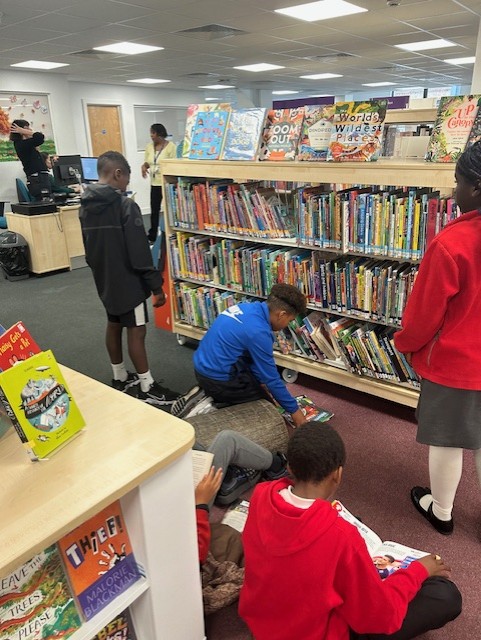
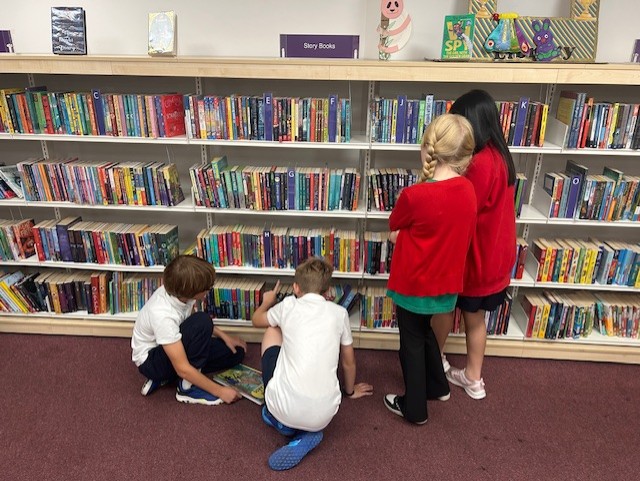
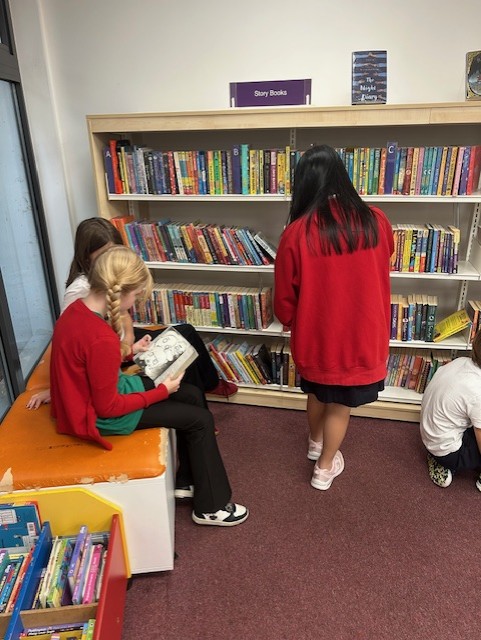
- Library visits
- Cosy and inviting book corners in all classes
- Book giveaways
- Certificates for home reading
Home Reading Policy
We expect children to read at least five times a week at home using their home reader. Parents are required to sign when their child has read to them and, where possible, leave a comment.
Children who are following the phonics scheme will read with a member of school staff once a week and will receive a comment in green pen outlining a simple target or something to practise for next time.
- Any lost books or reading diaries will incur a £5.00 charge, which must be paid to the office before a new book can be issued.
- Home reading is an integral part of your child’s progress. We actively encourage children to read a wide range of books and would love parents to help foster a lifelong love of reading.
Writing
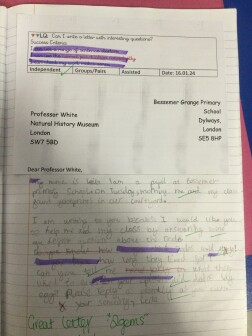
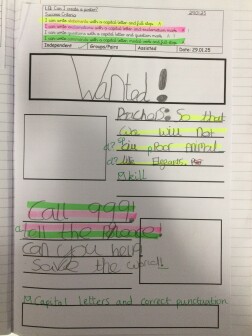
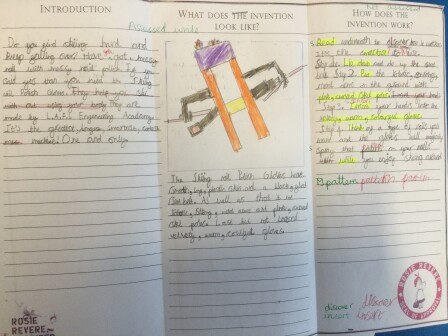
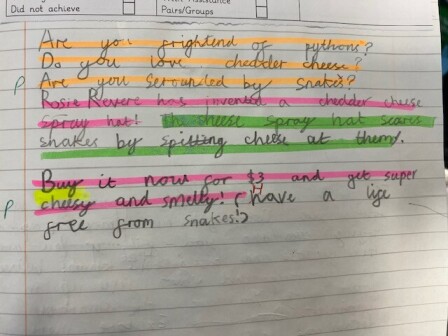
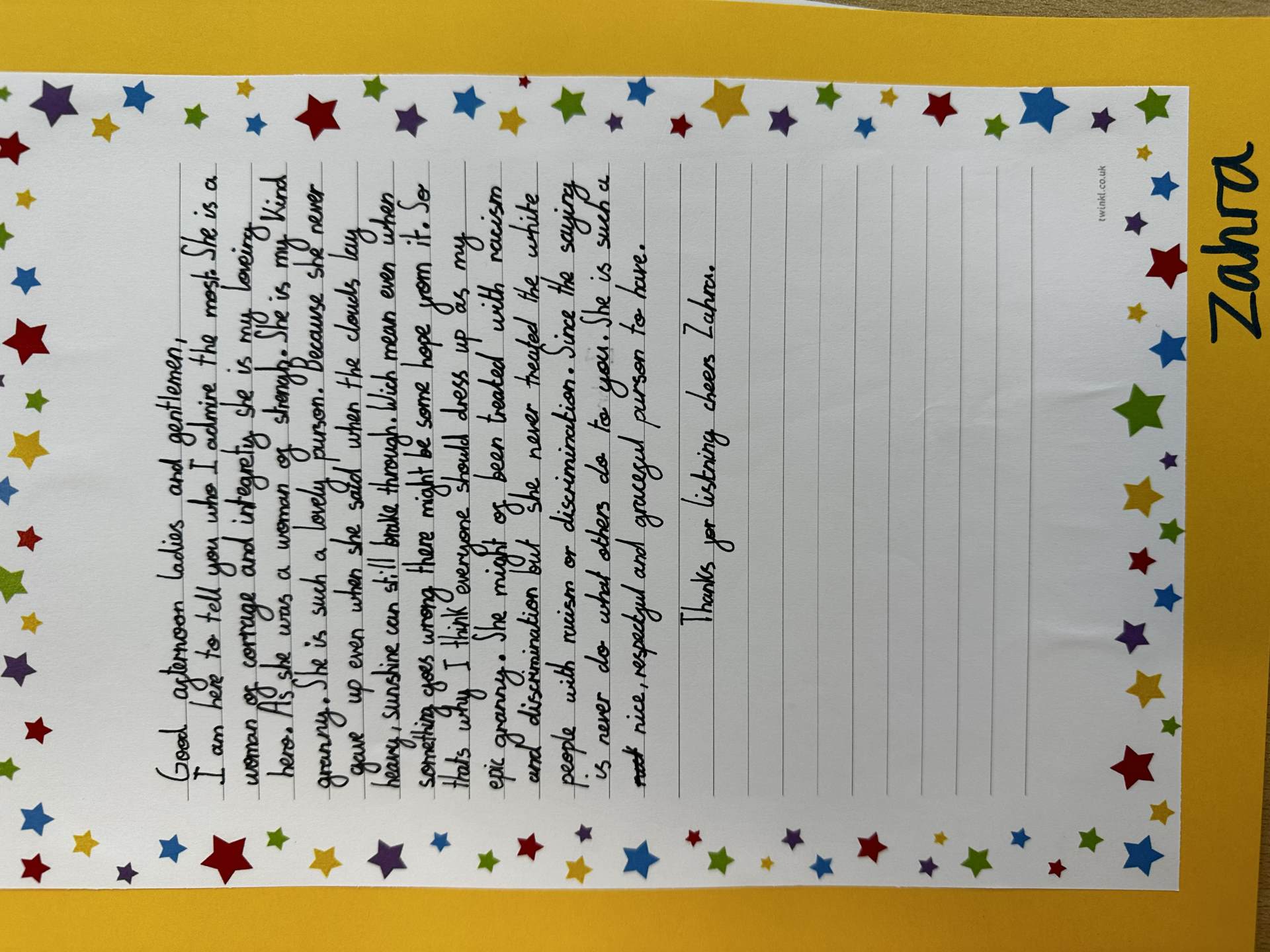
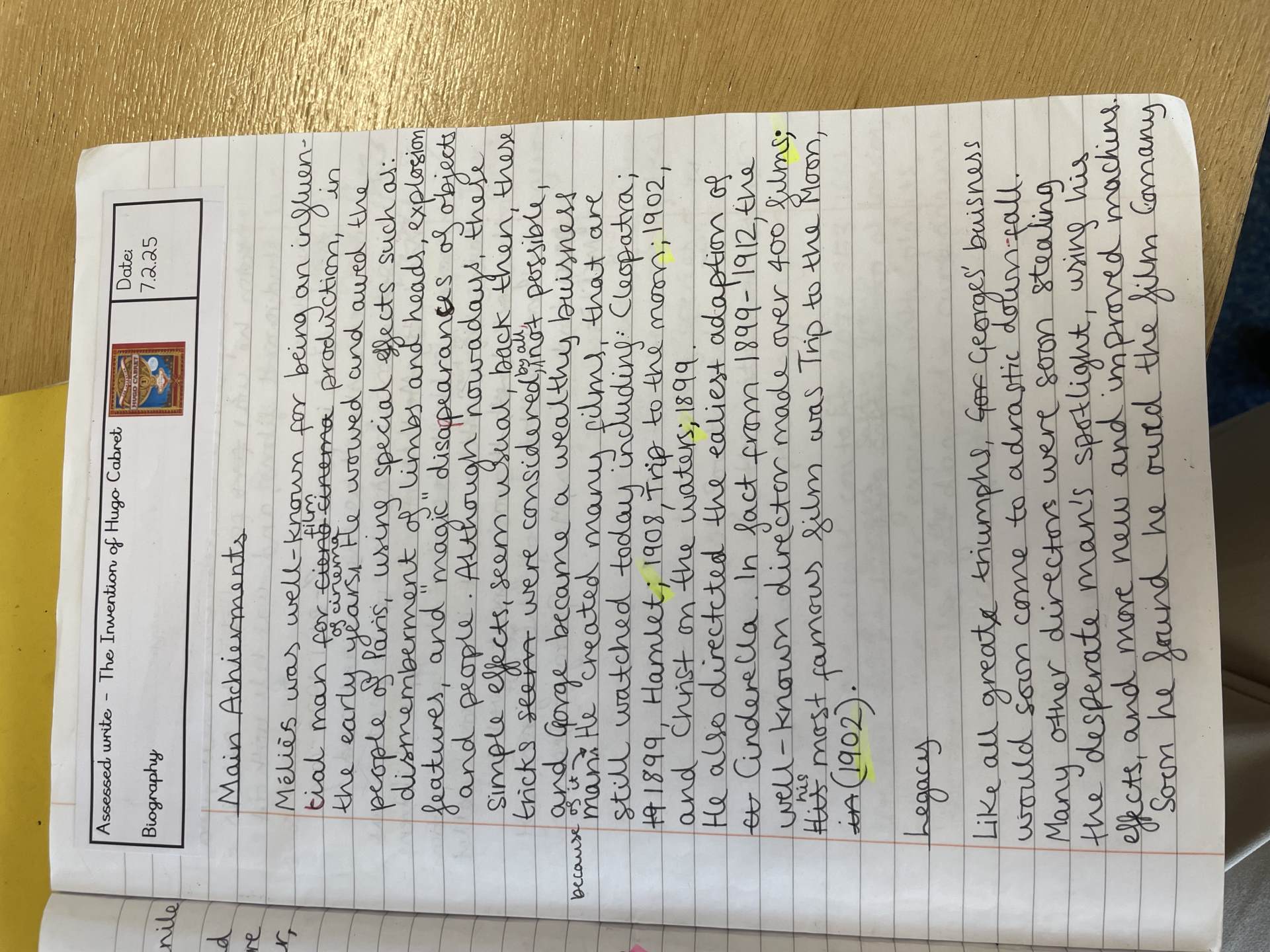
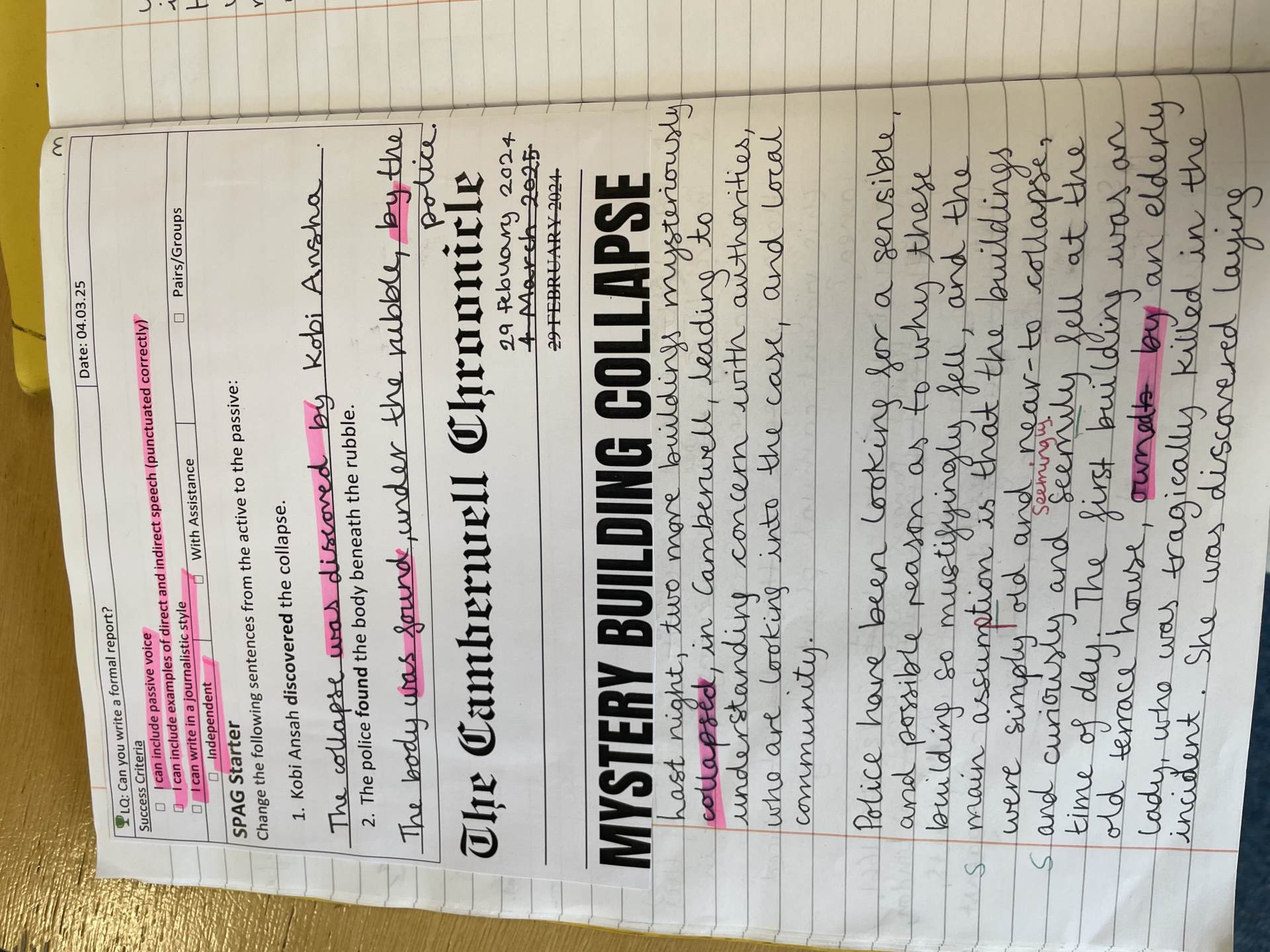
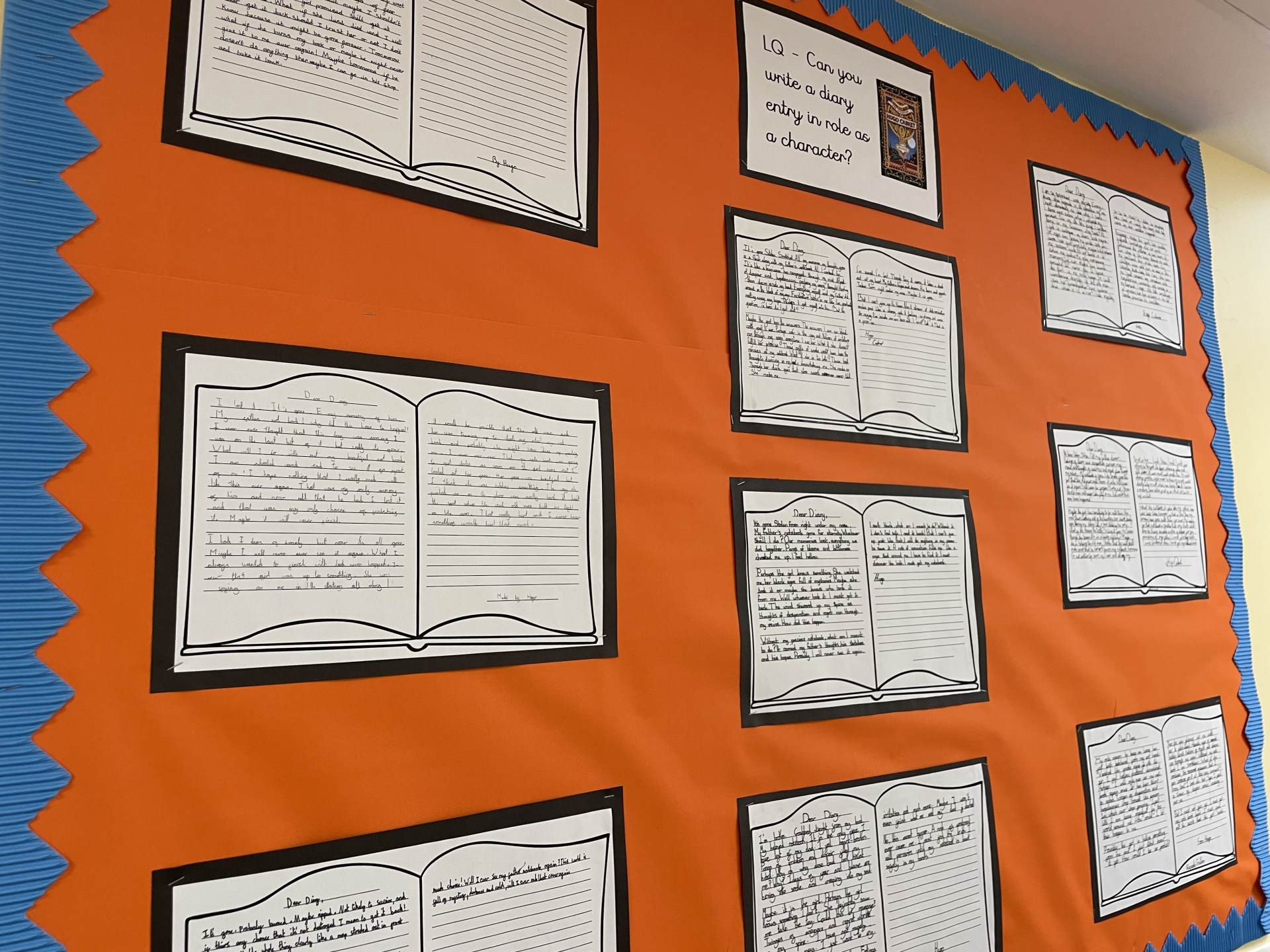
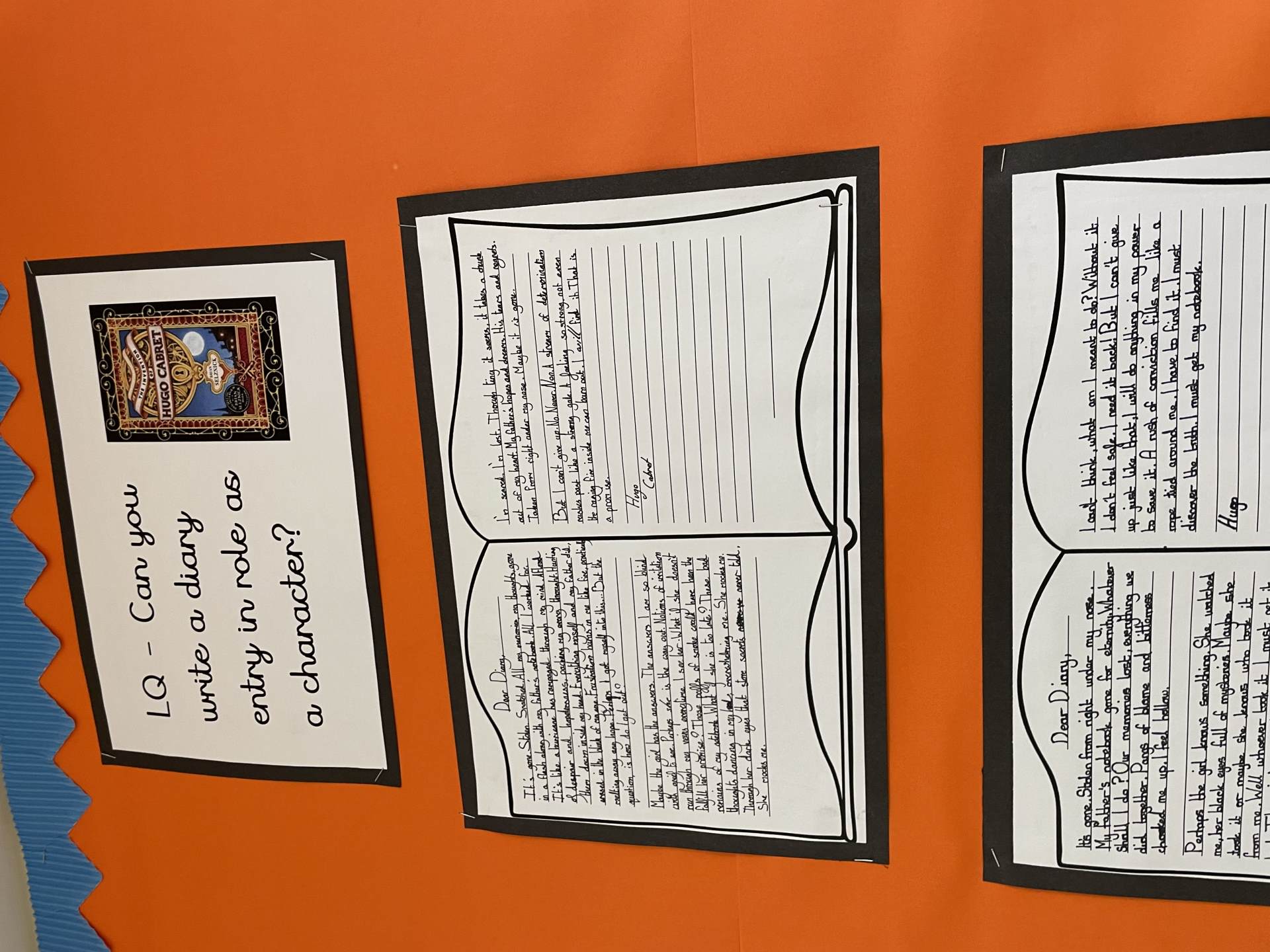
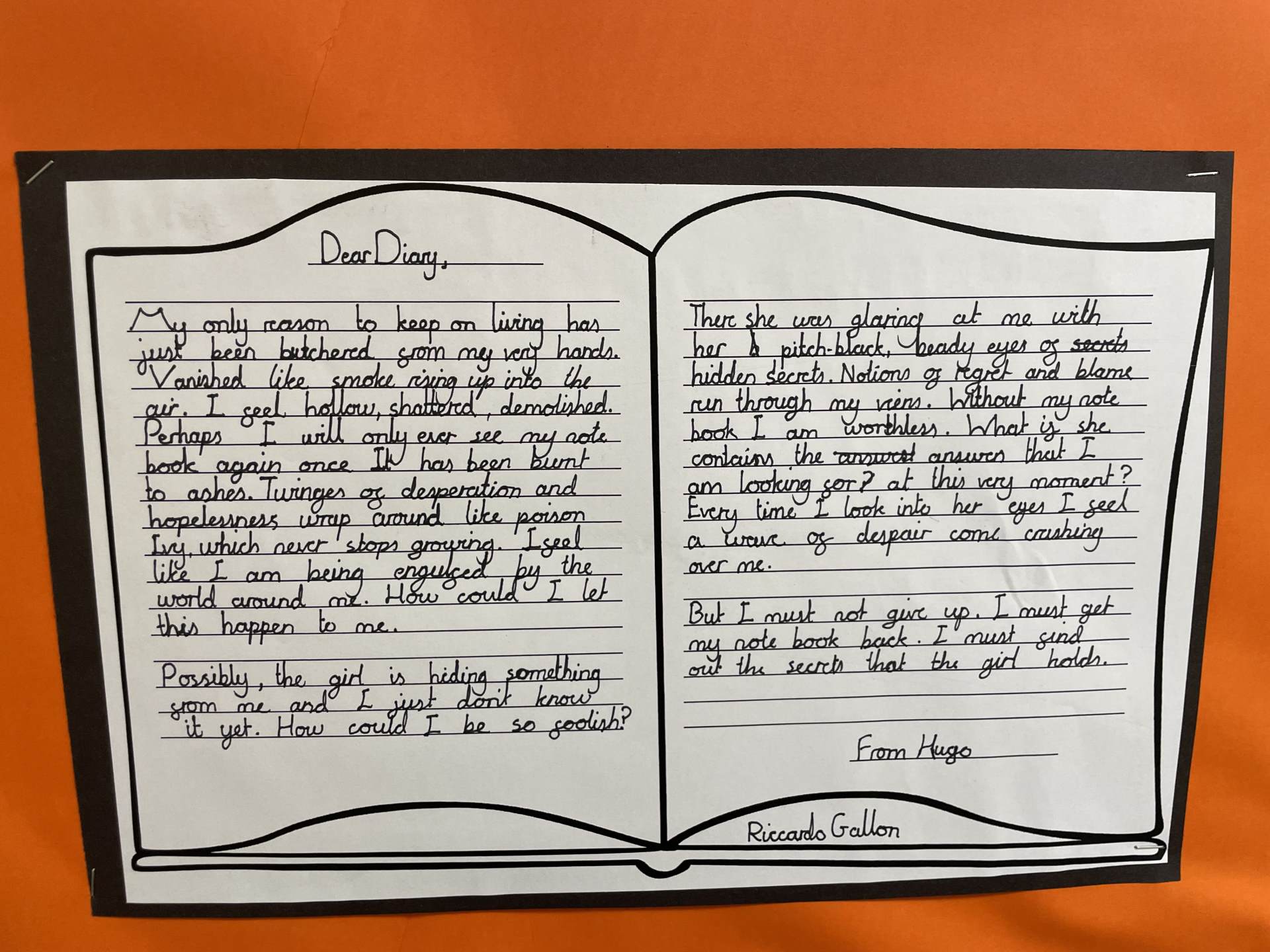
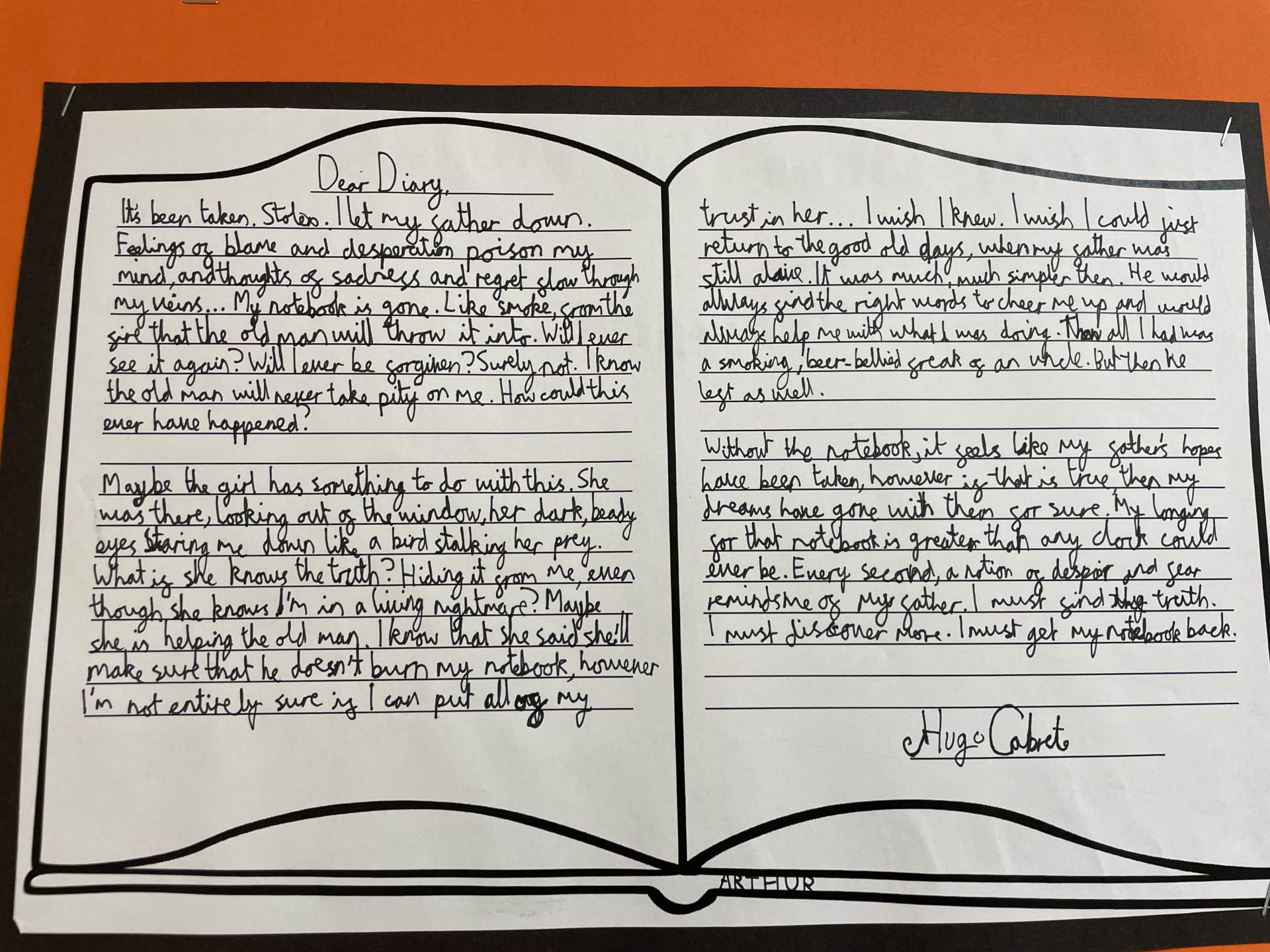
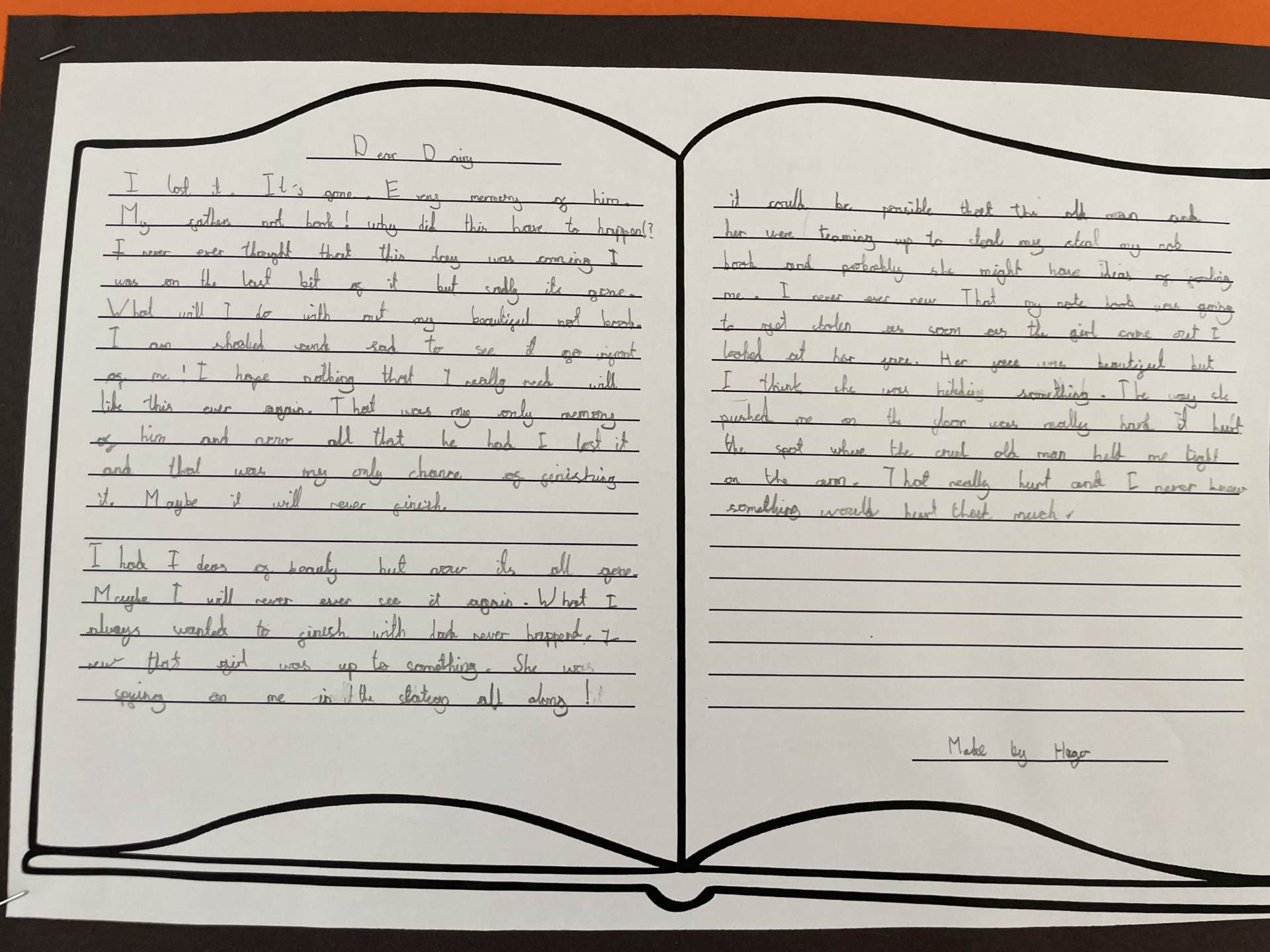
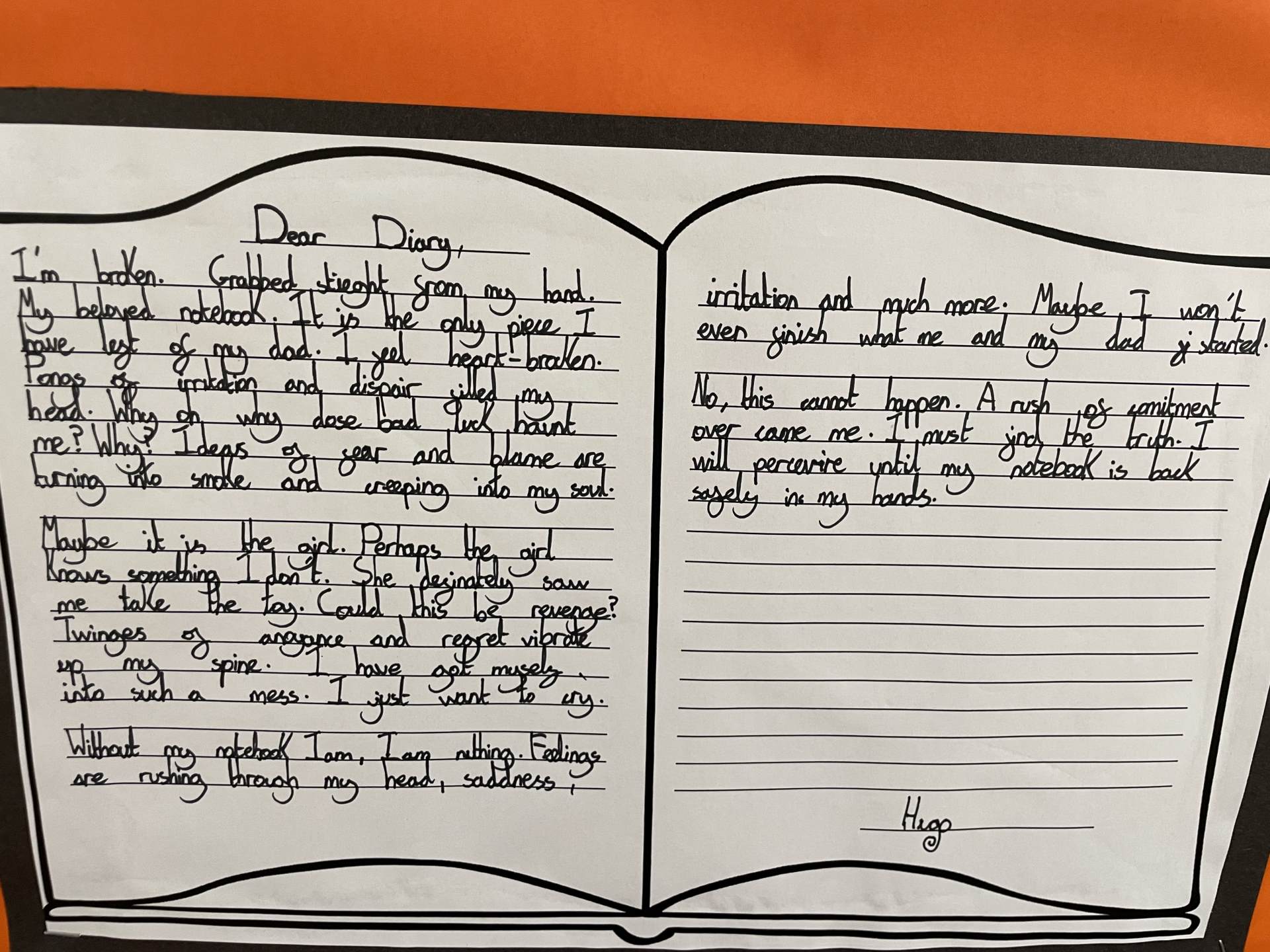
At the Gem Federation, we are inclusive and believe that our writing curriculum should prepare all children for the next stage of learning, whether this be to a new year group, a new key stage or when they transition into secondary school. Our curriculum is constructed to be ambitious and designed to give all learners, no matter the individual need, ability or background, the knowledge and skills they require to succeed in life; it is coherently planned and sequenced in order to fulfil this aim.
We have high expectations of all children and intend for them to leave Year 6 as confident, fluent, independent writers who not only understand the purpose and importance of writing within the wider society but that they positively engage in the process; taking pride and personal responsibility for their part in this.
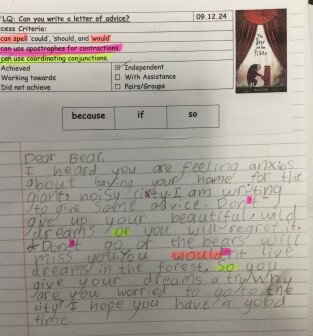
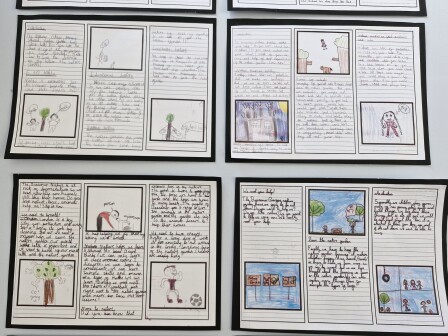
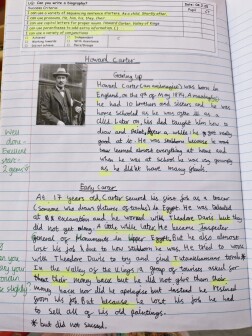
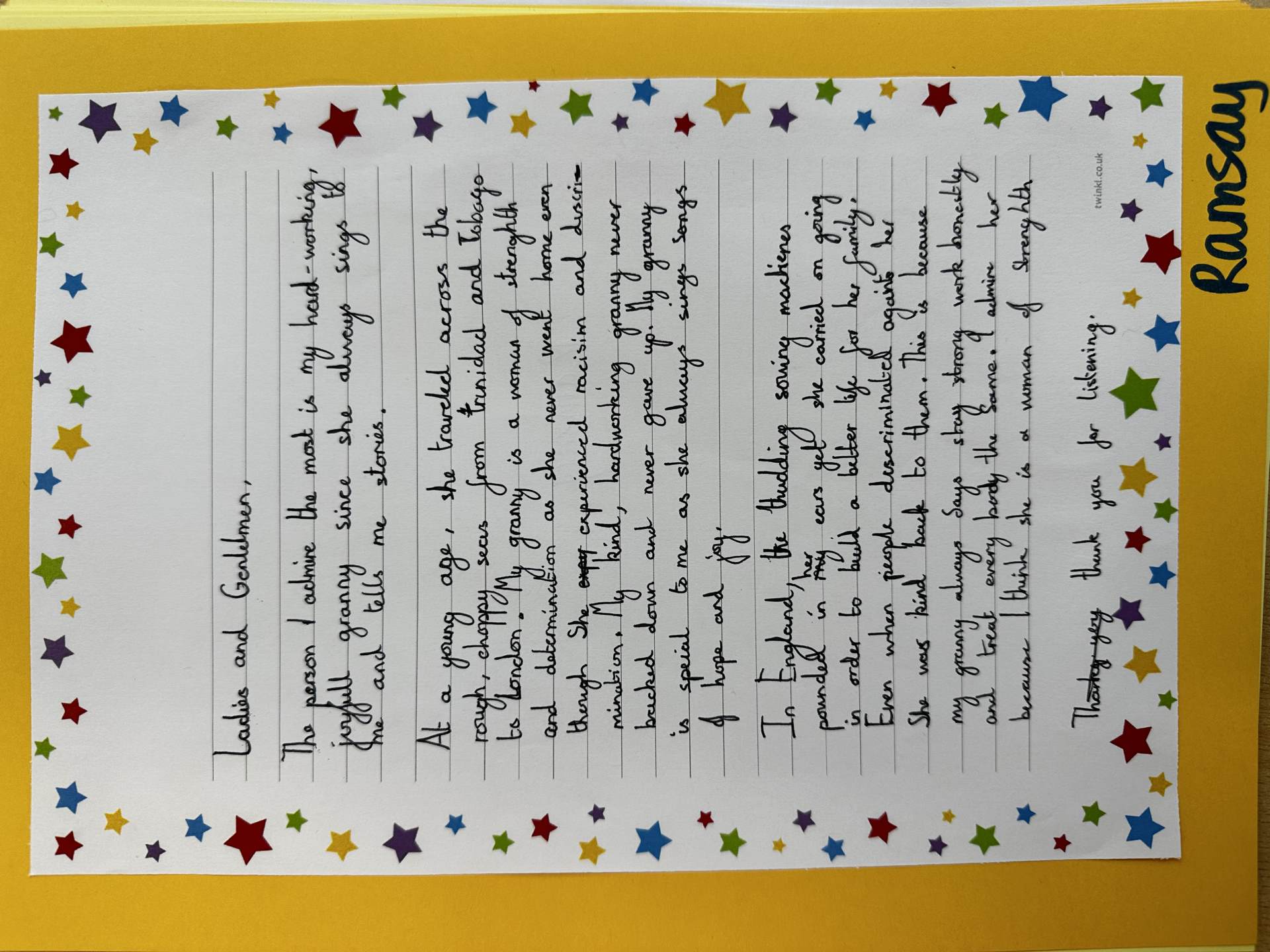
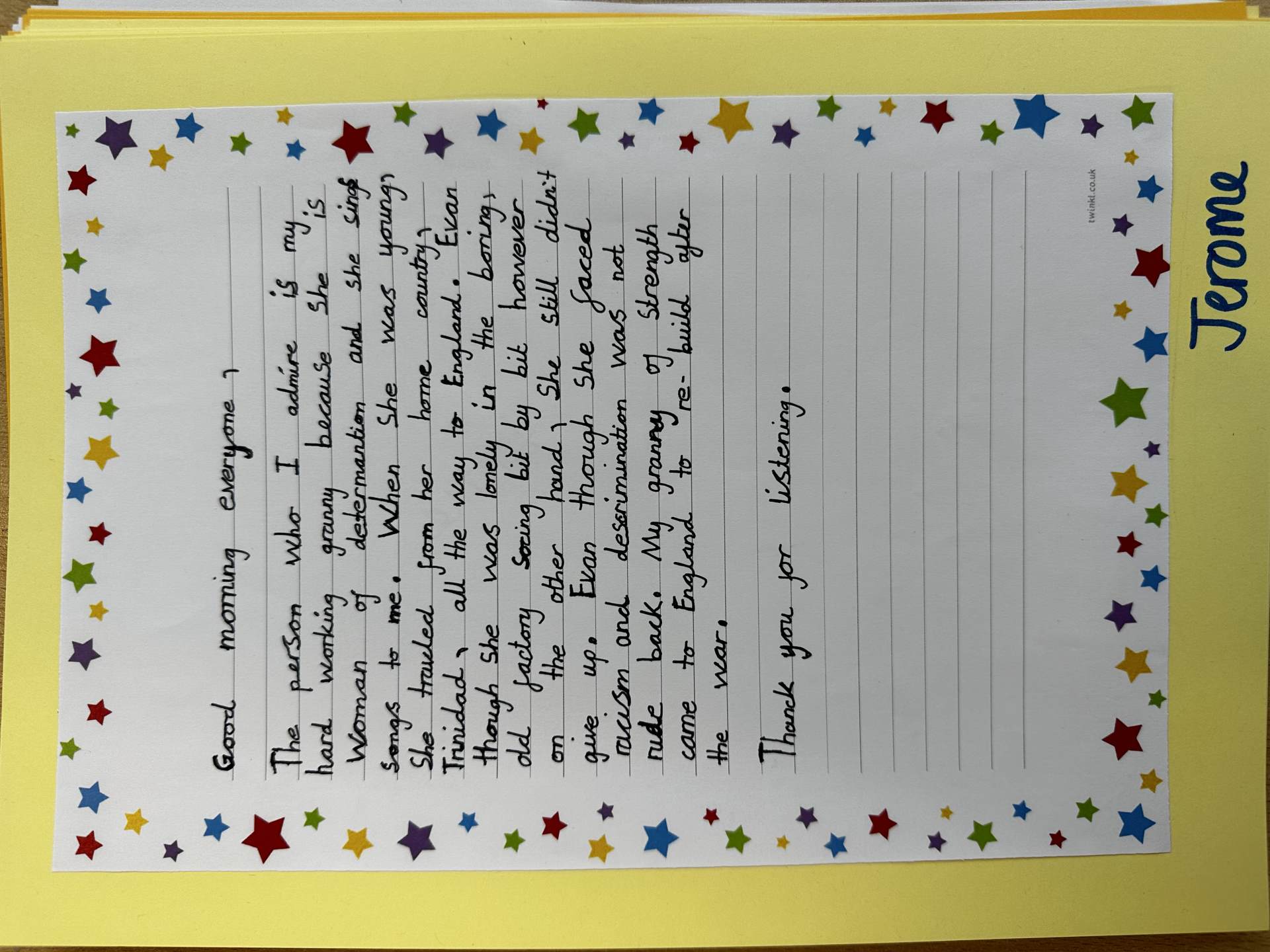
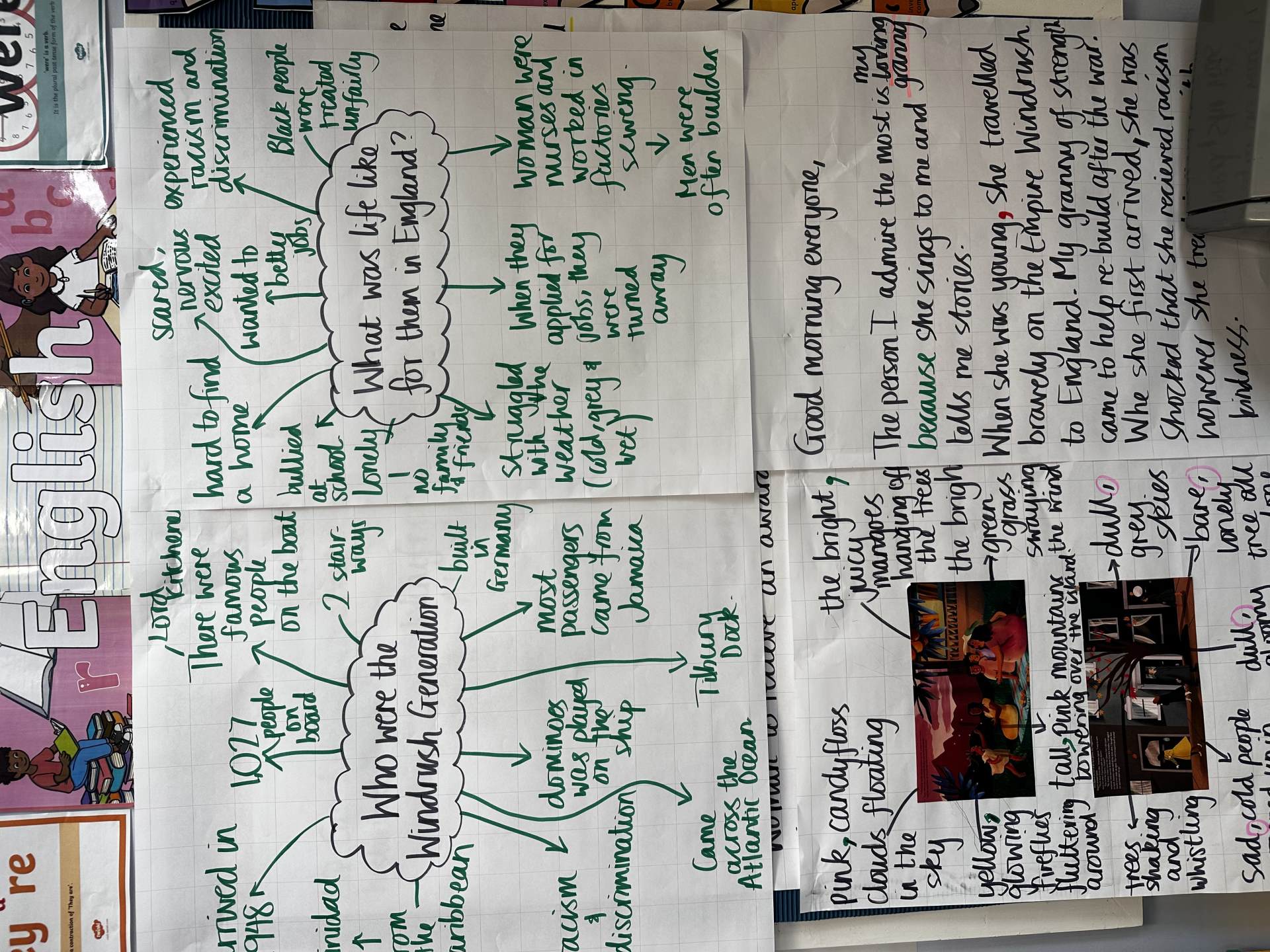
We intend for our children to be able to communicate effectively through their writing across a range of fiction, non-fiction, poetry, genres and themes, including being able to write for different levels of formality, purpose and audience - this applies to all writing opportunities, including when writing across the wider curriculum where the children are expected to apply the written and spoken language skills they have acquired from the English curriculum. We intend to immerse the children in a range of quality texts and media; exposing them to a wealth of rich vocabulary and grammatical structures that enable them to be creative and risk-takers, while maintaining a critical and reflective approach.
We intend for our curriculum to be reflective of the school community and wider world; enabling our children to not only see themselves but to develop culturally, emotionally, socially and spiritually.
-
English Writing Curriculum Statement
download_for_offline
download_for_offlineEnglish Writing Curriculum Statement
- Year 1 English Gemfed 26-27 download_for_offline
download_for_offlineYear 1 English Gemfed 26-27
- Year 2 English Gemfed 26-27 download_for_offline
download_for_offlineYear 2 English Gemfed 26-27
- Year 3 English Gemfed 26-27 download_for_offline
download_for_offlineYear 3 English Gemfed 26-27
- Year 4 English Gemfed 26-27 download_for_offline
download_for_offlineYear 4 English Gemfed 26-27
- Year 5 English Gemfed 26-27 download_for_offline
download_for_offlineYear 5 English Gemfed 26-27
- Year 6 English Gemfed 26-27 download_for_offline
download_for_offlineYear 6 English Gemfed 26-27
EYFS
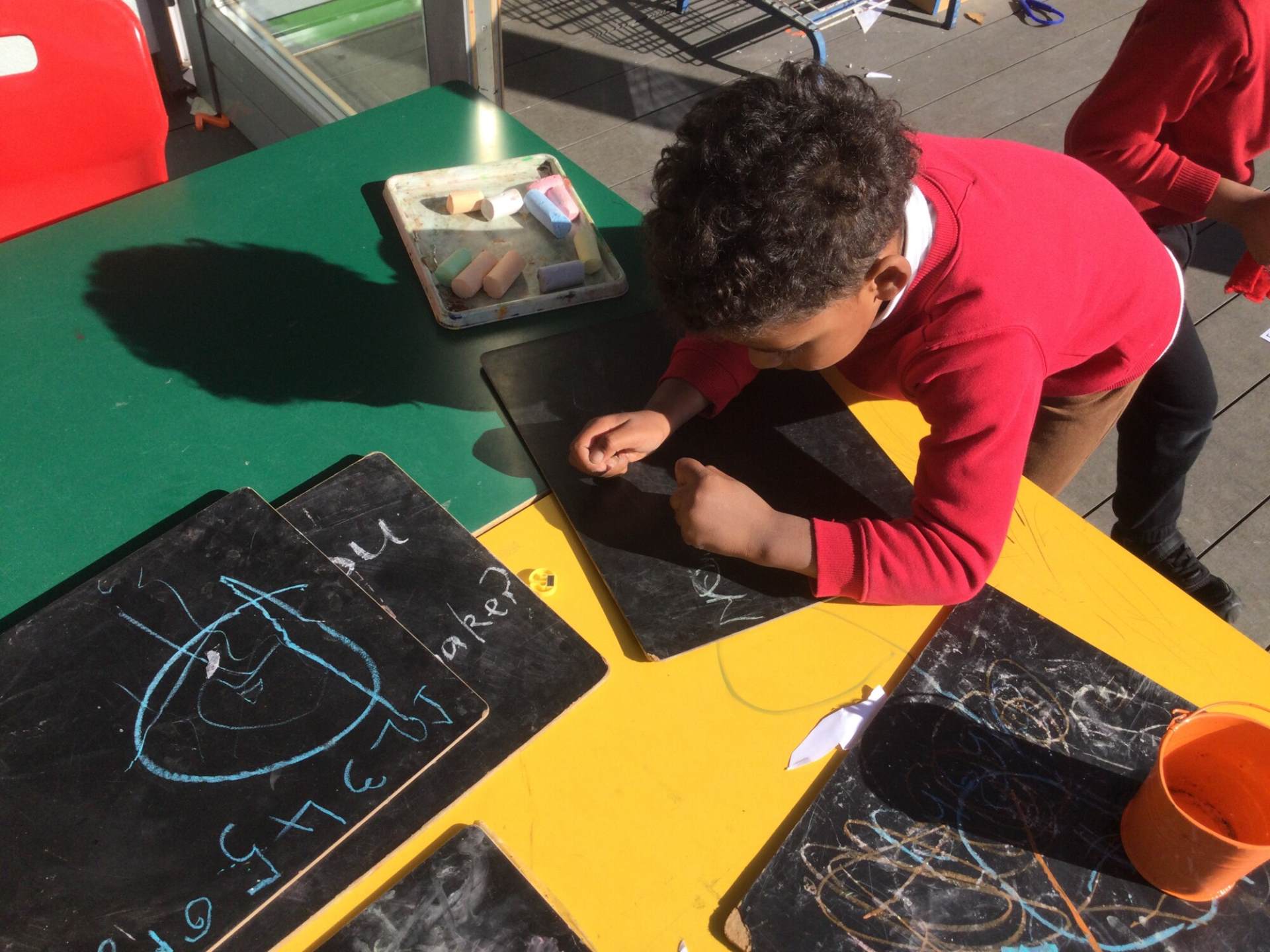
In Early Years, children begin systematic phonics teaching; they identify sounds in the environment, begin to stretch out words and identify the different sounds that make up words. Children recognise that sounds link to graphemes, and begin mark-making, building up to forming letters, writing their own name, and in reception, joining these letter strings to make words, then constructing sentences.
Reading and sharing stories plays a fundamental role in supporting children's language development. Children are encouraged to join in with familiar stories, and orally retelling stories with each other and as a class.
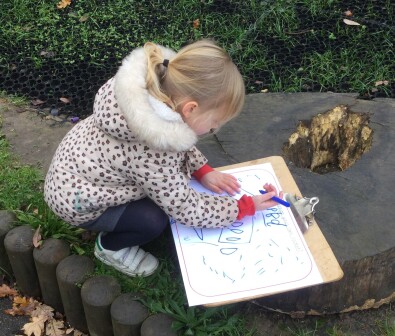
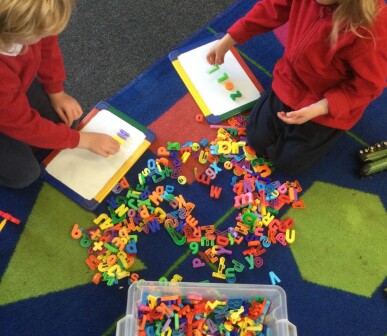
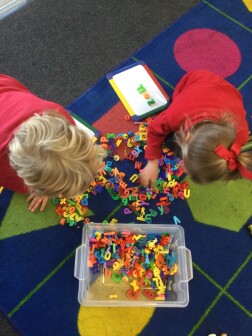
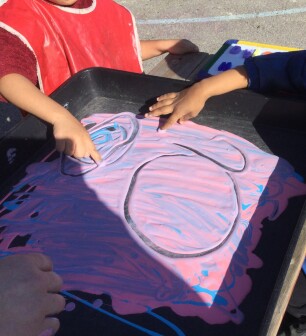
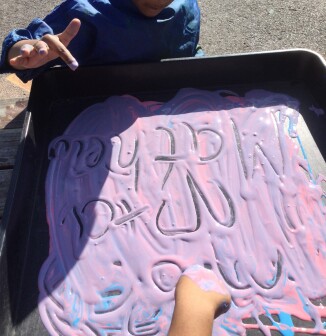
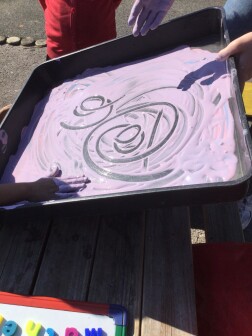
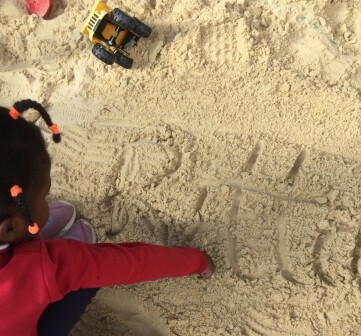
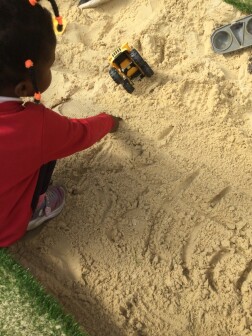
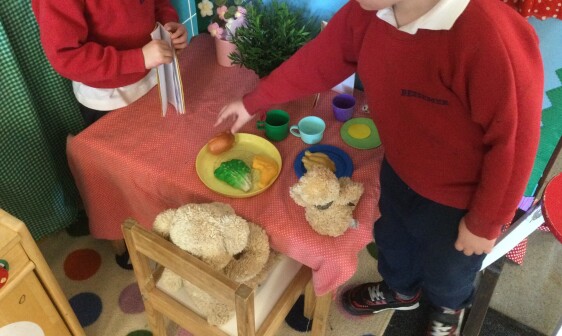
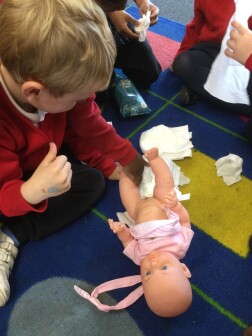
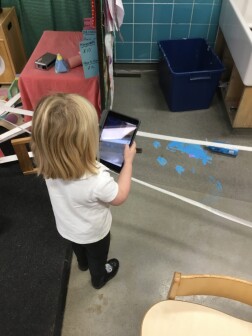
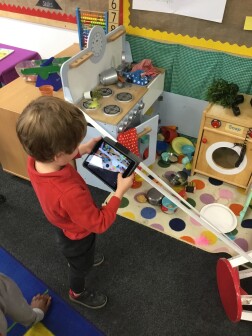
Throughout the learning environment, there are role play areas and activities that encourage talk, and provide places to make marks and form letters in a range of materials, such as sand and paint. They can write their own ideas during their play in structured activities. Adults create opportunities that encourage language development: growing their vocabulary, giving them models for talk, and leading into writing.
Year 1
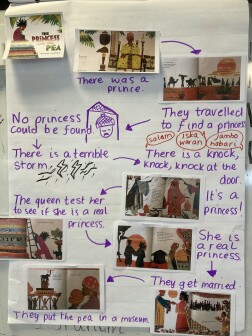
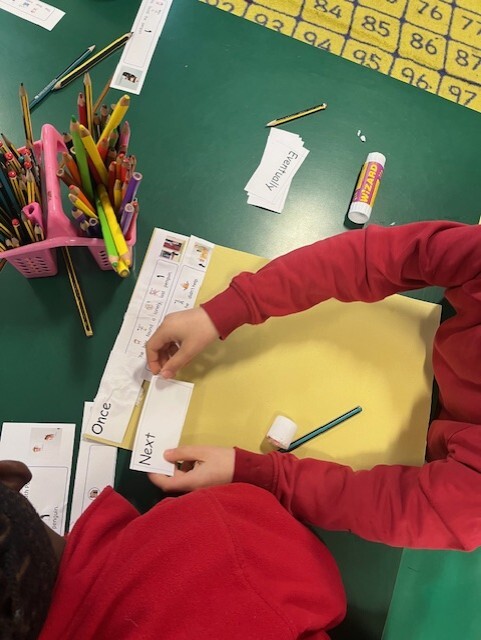
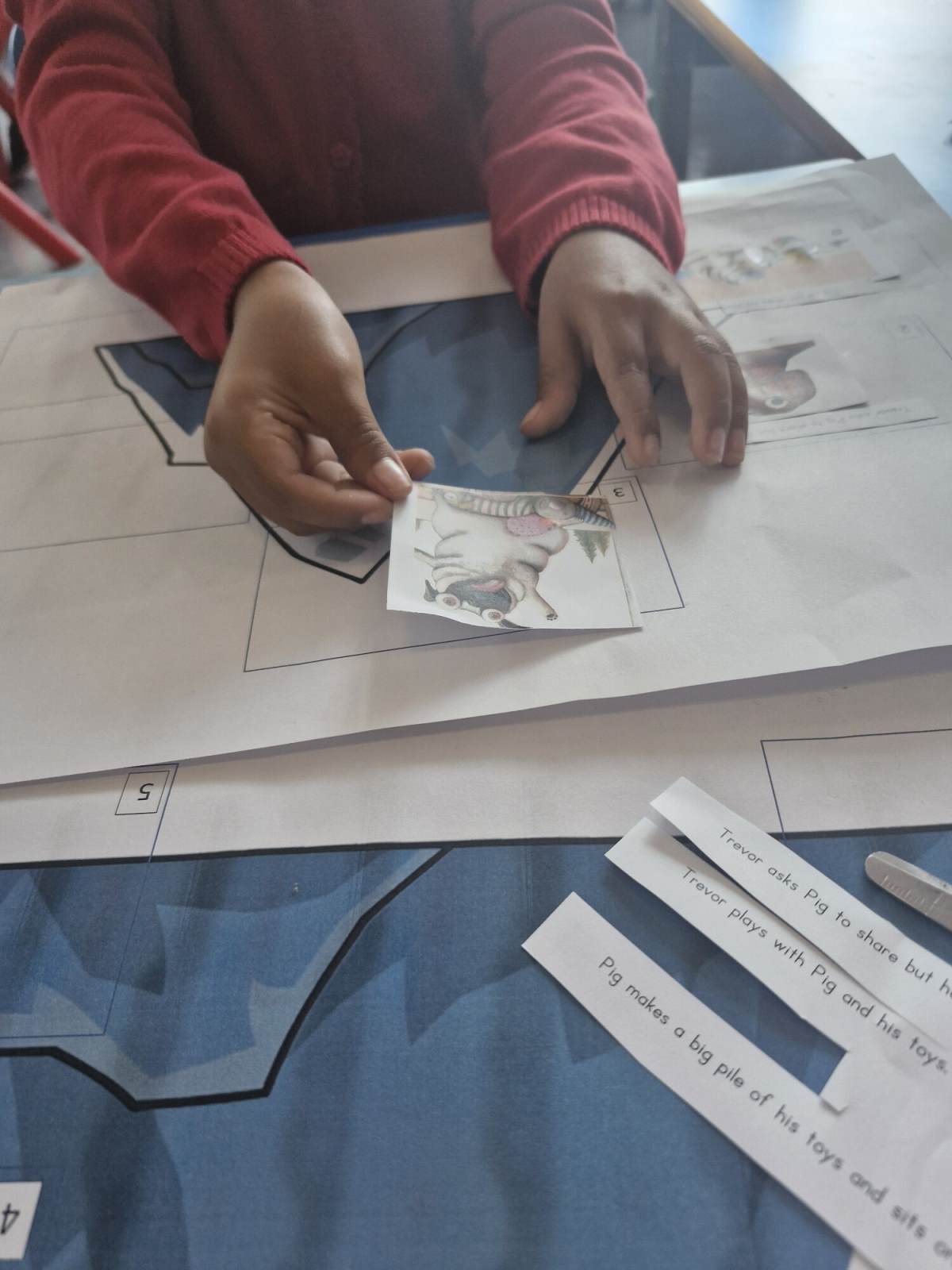
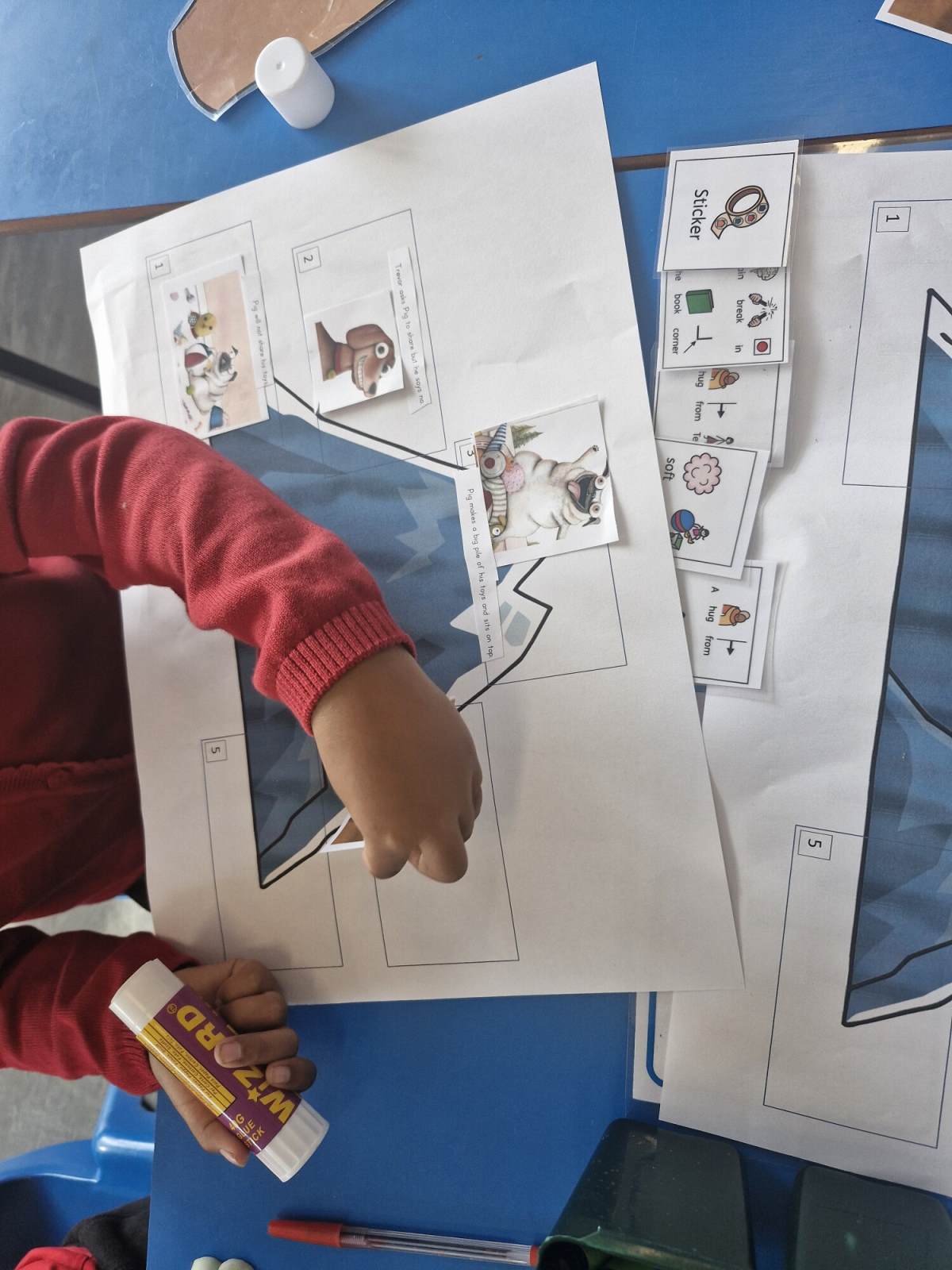
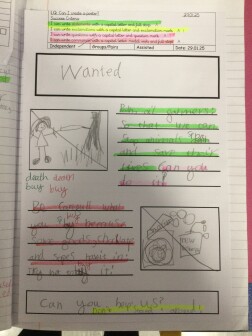
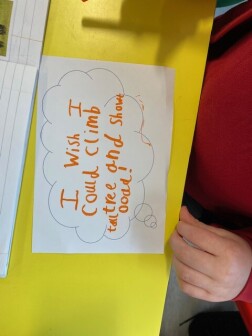
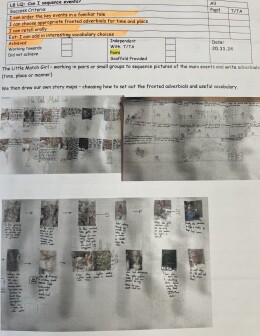
In year one, children begin to construct short narratives, focussing on a familiar text. To prepare to write, children will chorally retell familiar stories with their class, and orally rehearse their own ideas for writing, using story maps and pictorial representations to help them sequences the main events. They continue to focus on correct letter formation, using finger spaces and they begin to extend their punctuation use to include question marks and exclamation marks, as well as full stops and capital letters. Children continue to use phonics to support spelling.
Year 2
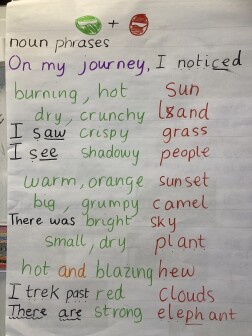
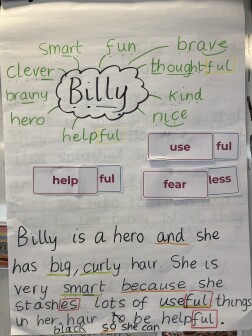
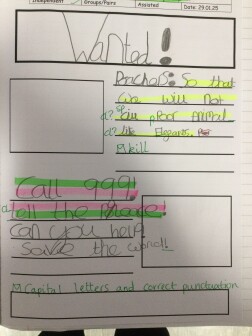
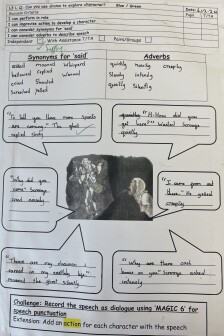
In year two, children continue to grow as writers, extending to writing more developed narratives and writing about real events. They continue to develop their use of correct tenses, learning spelling rules to change between past and present tense verbs. They become more accurate with their use of sentence punctuation, including when to use question marks and exclamation marks. Children start to use a wider range of conjunctions, like 'because', 'when', 'or' and 'but' to create more detailed sentences, and using adjectives more confidently to describe.
Year 3
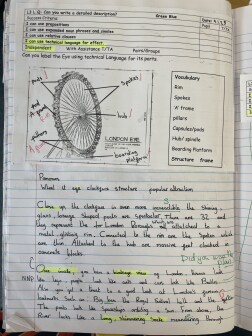
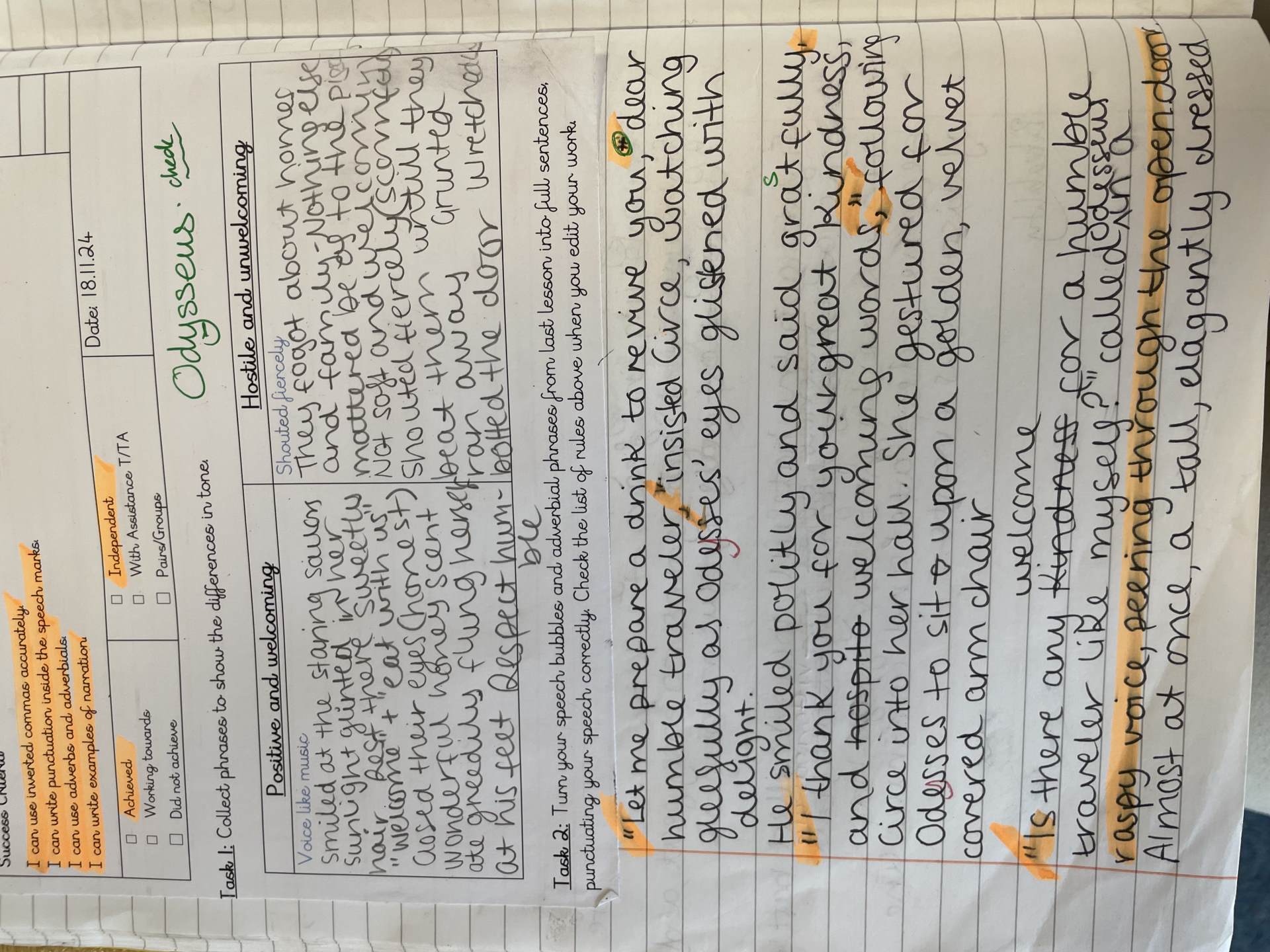
In year three, children begin to develop their writing across a wider range of text types, writing for real purposes and audiences. They write in more detail about settings and characters, and develop their plot in narratives. They begin to use speech within narrative, using inverted commas based on modelled writing. Children introduce adverbs to their writing and begin to use prepositions.
Year 4
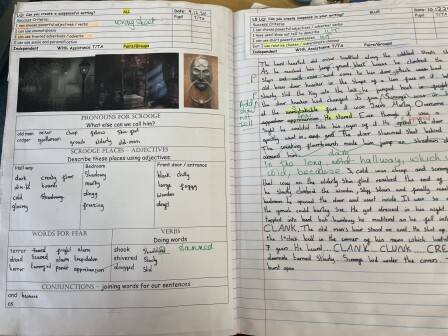
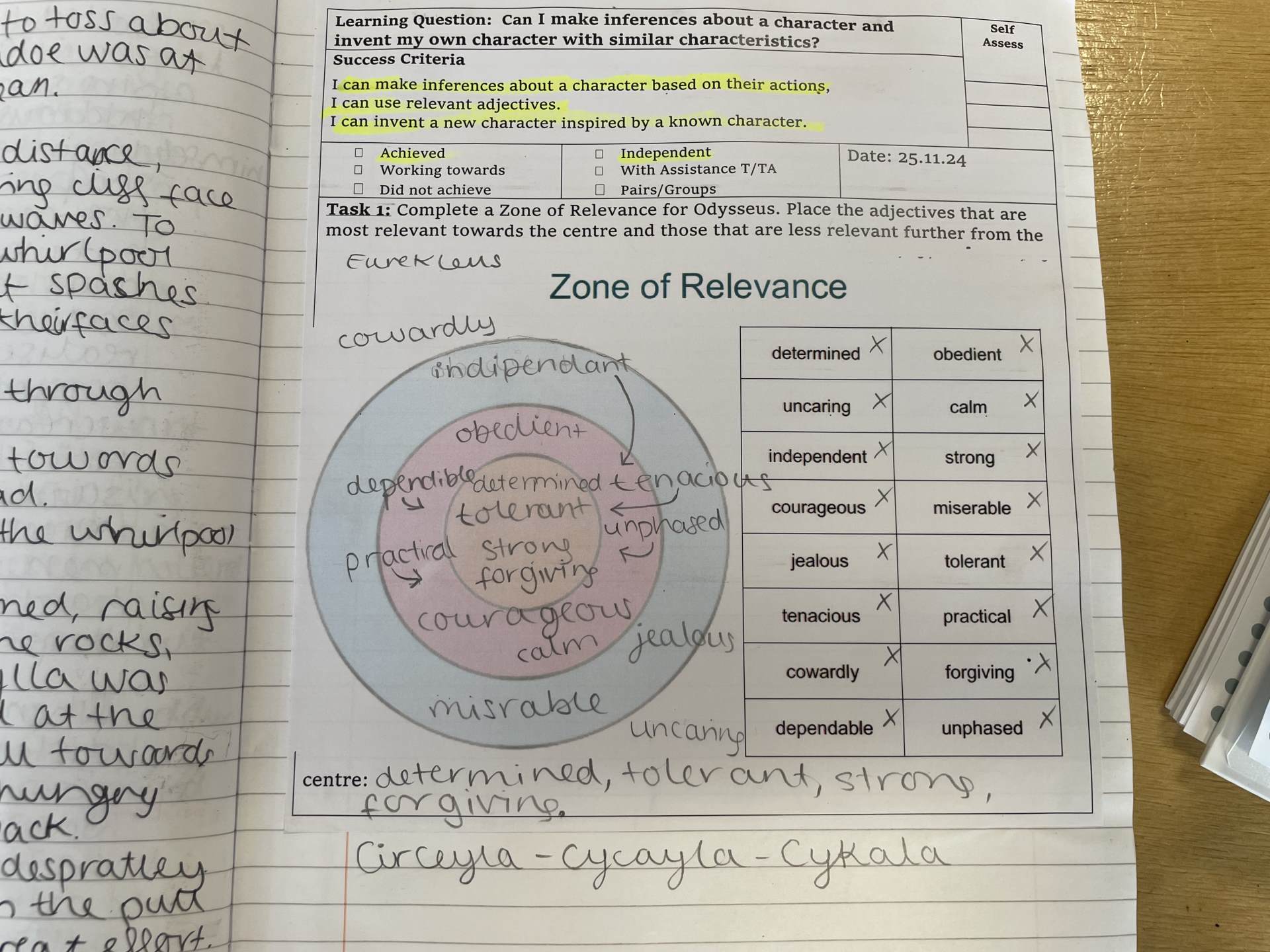
In year four, children have an increasing awareness of the correct language and form required for different fiction and non-fiction text types. They can create their own characters, setting and plot for narratives, and employ the conventions of speech with greater accuracy. Writing for a range of purposes, children demonstrate a greater awareness of grammar features, such as: prepositions, fronted adverbials and conjunctions. They maintain the use of joined handwriting throughout independent writing, and continue to learn rules for spelling words with a variety of prefixes and suffixes.
Year 5
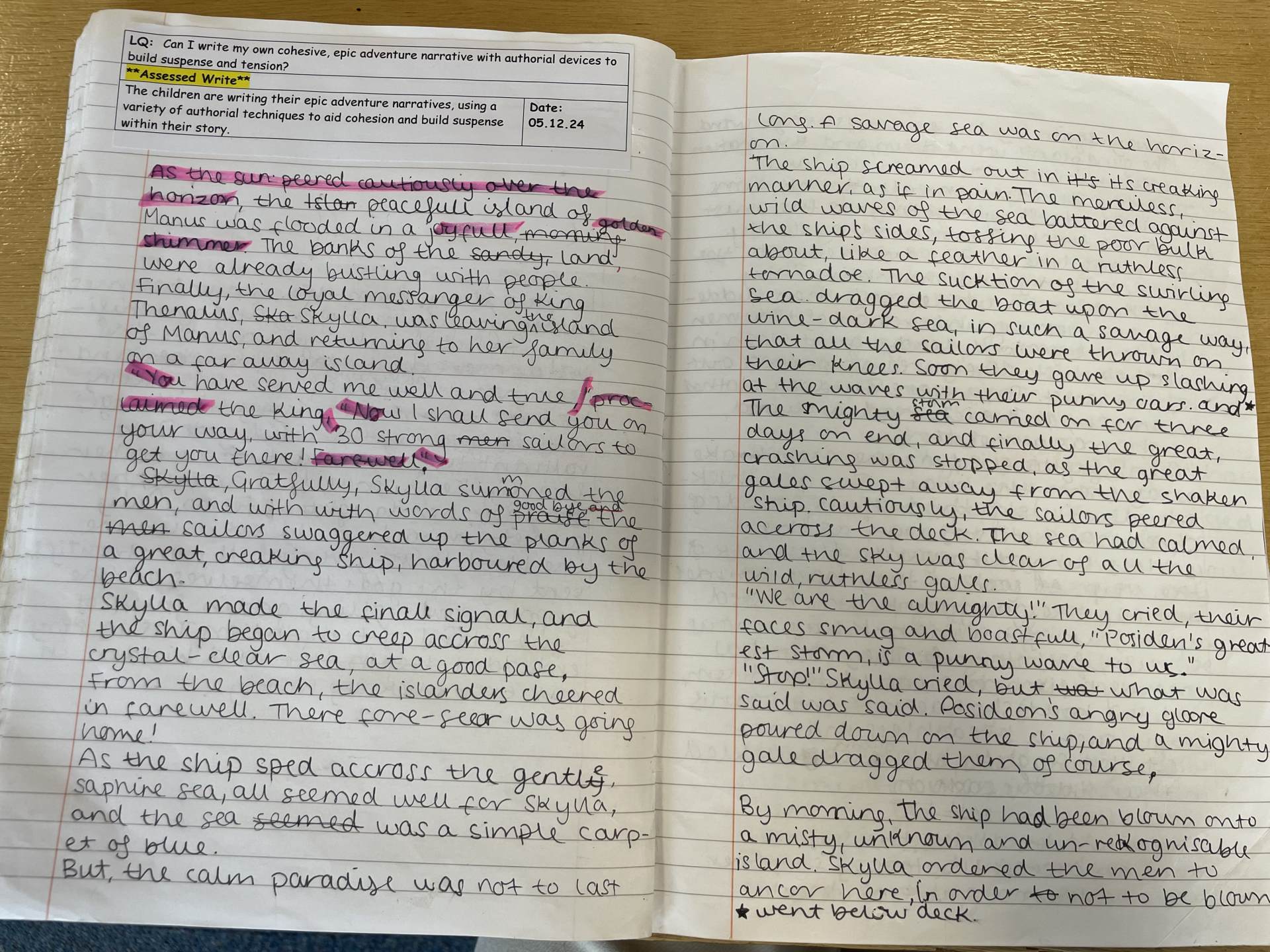
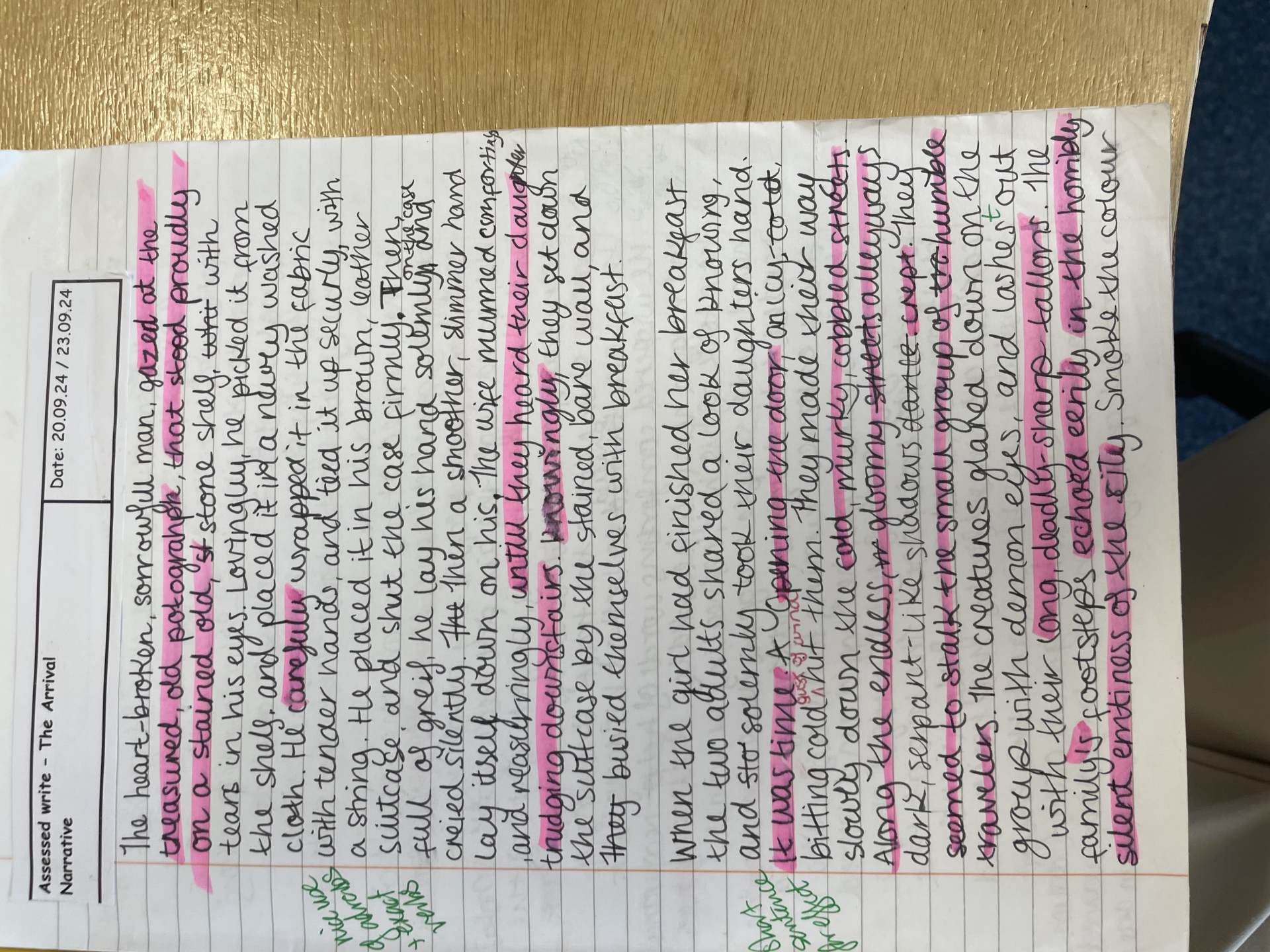
In year five, children continue to write for a range of purposes and audiences, showing a greater awareness of the reader. Children learn to make choices about grammar and vocabulary to use within their writing, and to select appropriate layout features for the text type. Children show greater confidence in selecting adverbials, prepositions and conjunctions to build cohesion within and between paragraphs. In narratives, children consider the balance between dialogue and action, and how dialogue can be used to move a story along.
Year 6
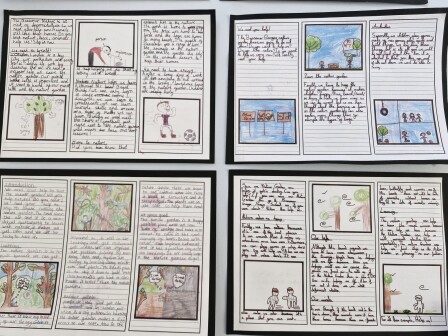
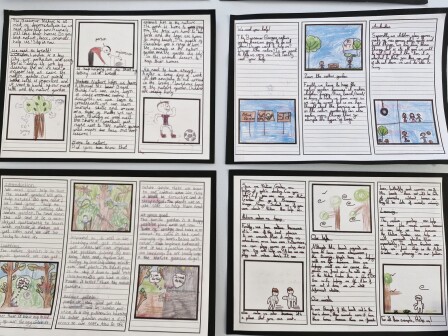
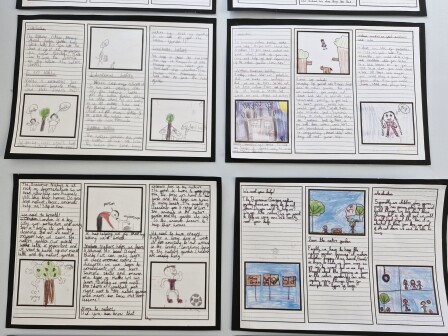
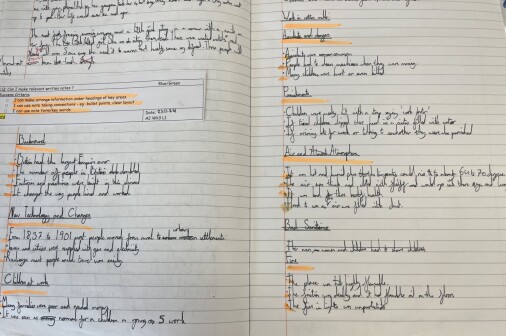
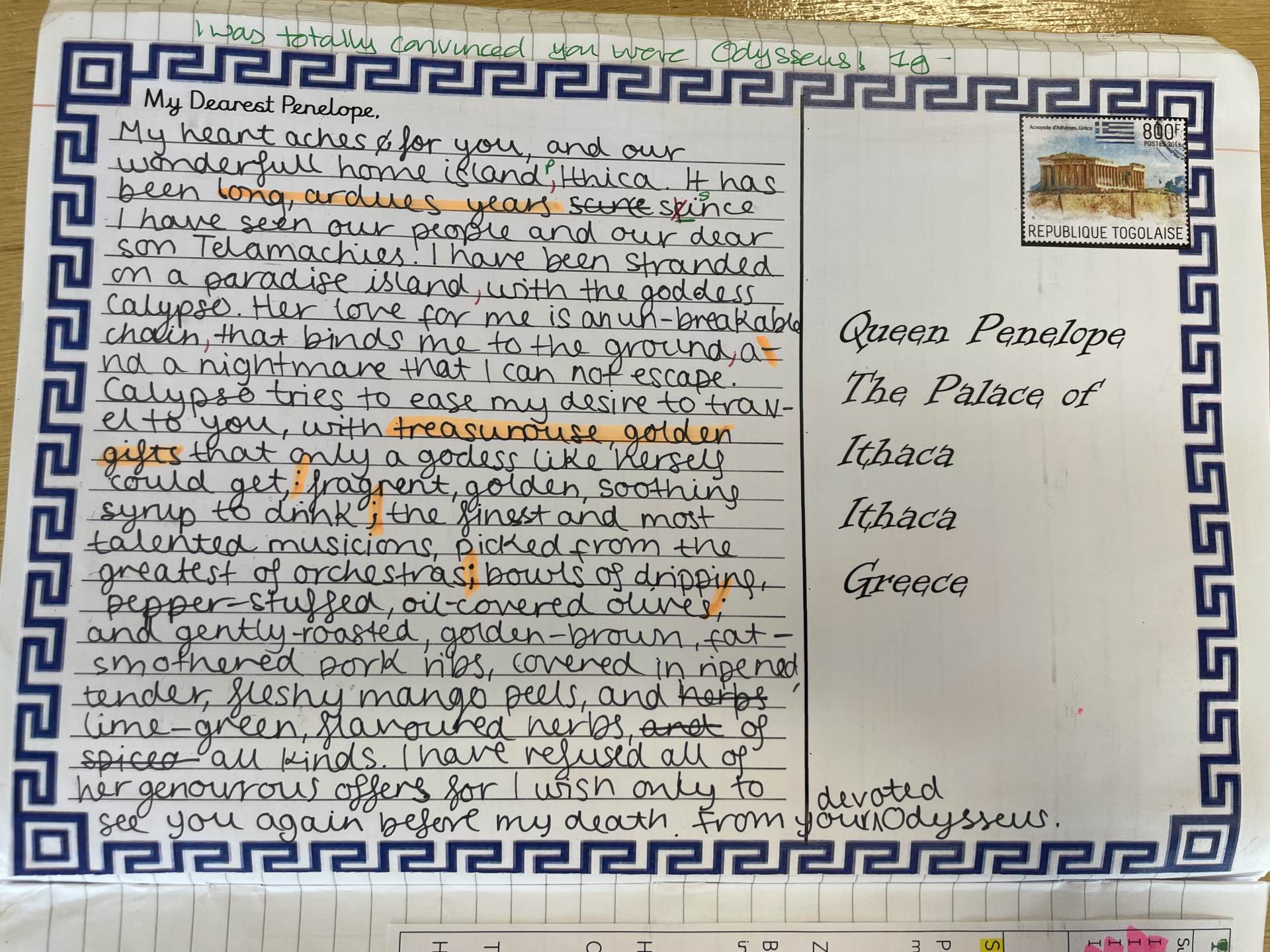
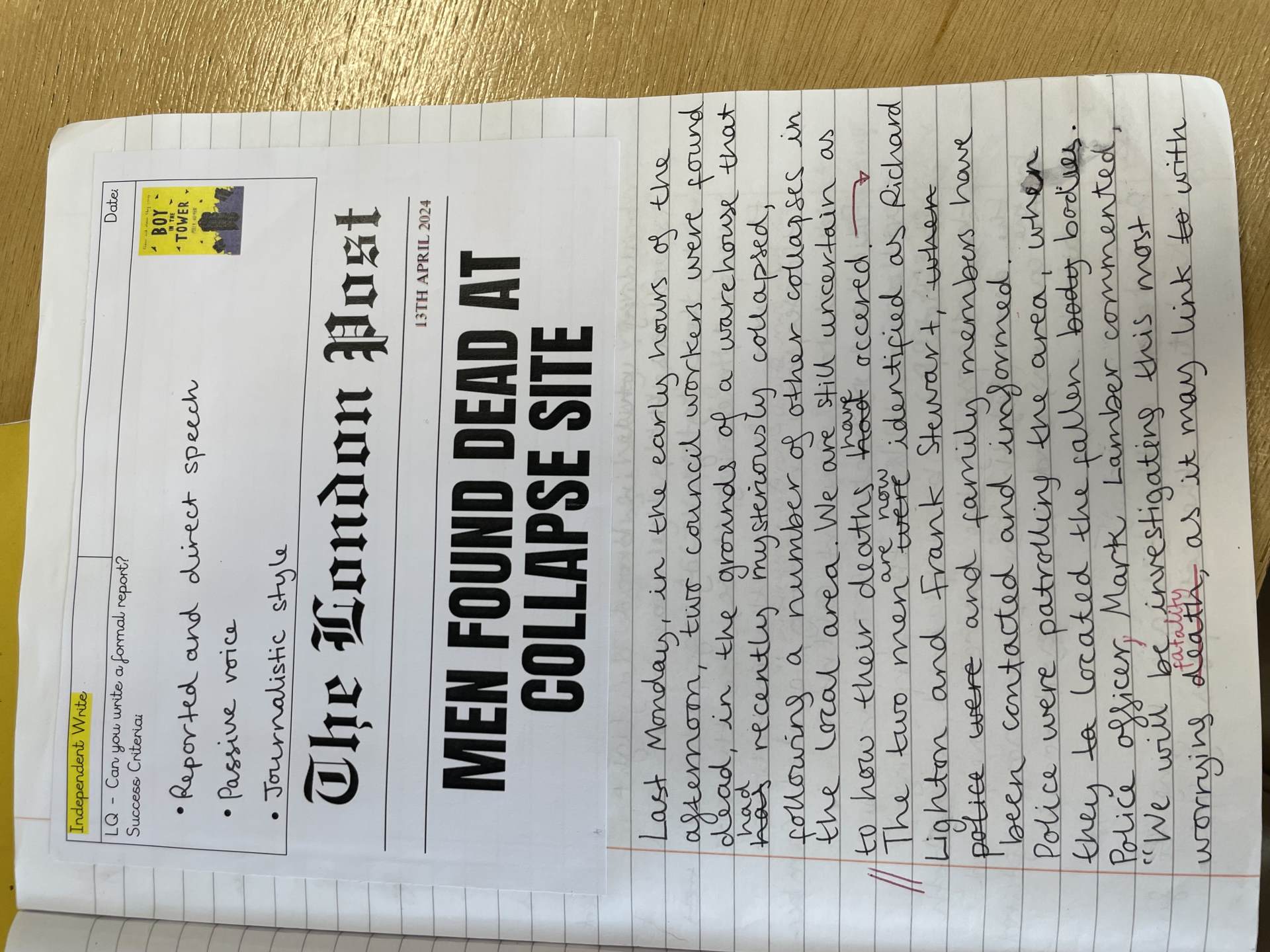
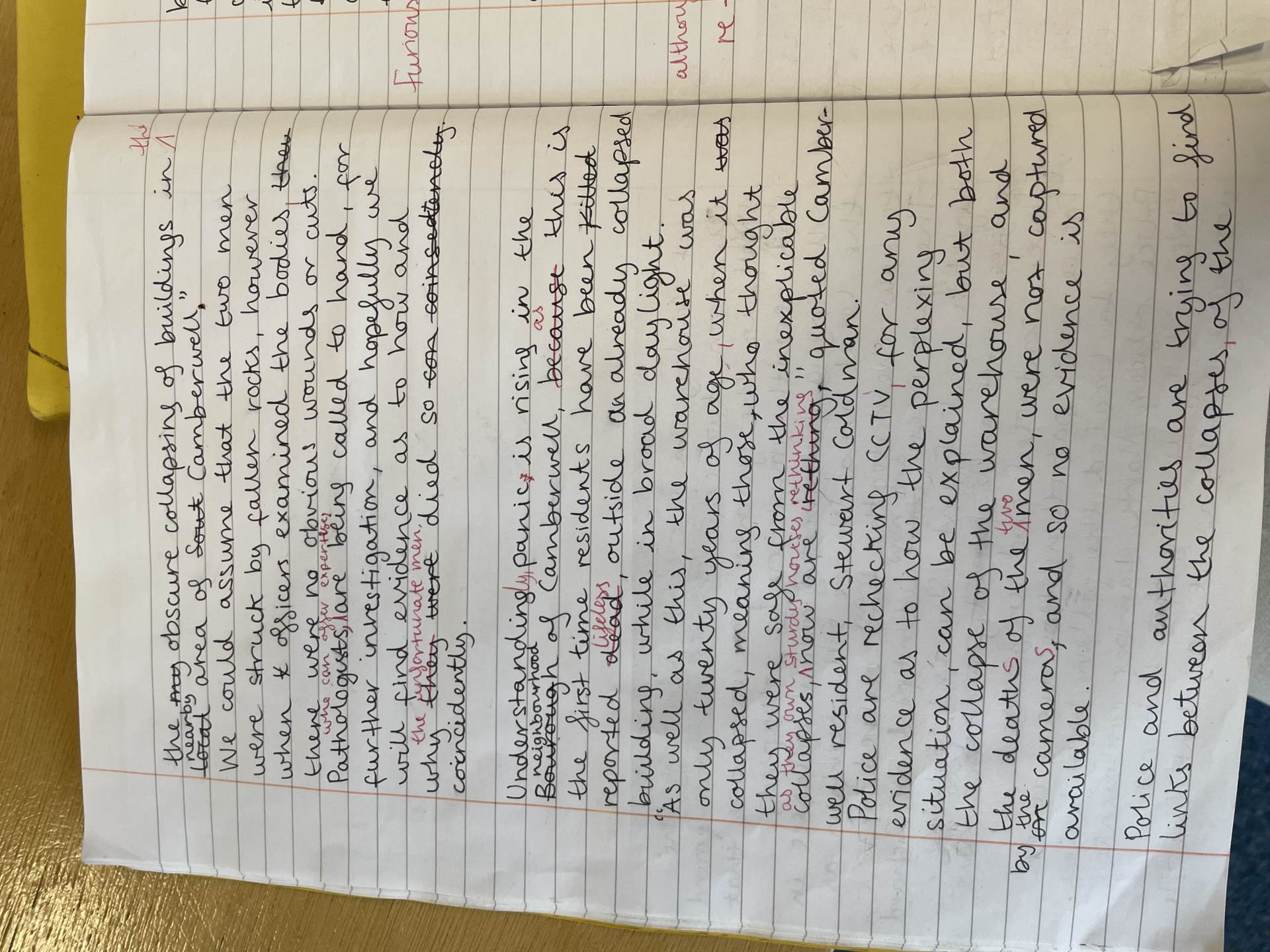
In year 6, children learn to confidently write for a range of purposes and audiences, including a focus on formal and informal writing features. They broaden their vocabulary through shared class texts, exploring how writers develop characters and plots, make decisions about vocabulary and grammar within their texts, and how different layout features are employed for different text types. They incorporate these ideas into their own writing. Children secure the correct use of the full range of punctuation, including the use of brackets and dashes for parenthesis, and colons and semi-colons.
Speaking and Listening
Intent
Speaking and listening is vital within the Gem Federation curriculum and is developed from EYFS. We believe spoken language underpins the development of reading and writing and understanding across the curriculum. The quality and variety of language that pupils hear and speak are vital for developing their vocabulary and grammar and their understanding for reading and writing. Through developing their skills and ability in spoken language and listening, pupils are enabled to communicate their understanding and clarify their thinking.
Implementation
Through our curriculum, the learner as a speaker & listener is taught to:
- listen carefully and attentively in a range of contexts
- speak clearly and convey ideas confidently using Standard English including reading aloud
- justify ideas with reasons
- ask questions to check understanding;
- develop vocabulary and build knowledge across the curriculum
- negotiate; evaluate and build on the ideas of others
- select the appropriate register for effective communication.
- give well-structured descriptions and explanations
- develop their understanding through speculating, hypothesising and exploring ideas.
- use and explore the spoken word in a range of contexts, including presentations, debates and drama
- speak audibly and confidently before an audience
Impact
Children will leave the Gem Federation able to listen carefully and attentively and speak clearly. They will be able to ask deep and meaningful questions to improve their understanding and take part in collaborative discussions. They will be confident in speaking in a range of situations, in front of a range of audiences and be able to express their ideas clearly. Children will demonstrate the ability to use a range of vocabulary, which will mean they can fully understand what they are hearing and they are able to articulate what they want to say. They will be equipped, not only with the skills to speak and listen effectively using standard English but to be able to apply these in their everyday lives and in their next stages of education- for research, information and to explore the world.
Spelling
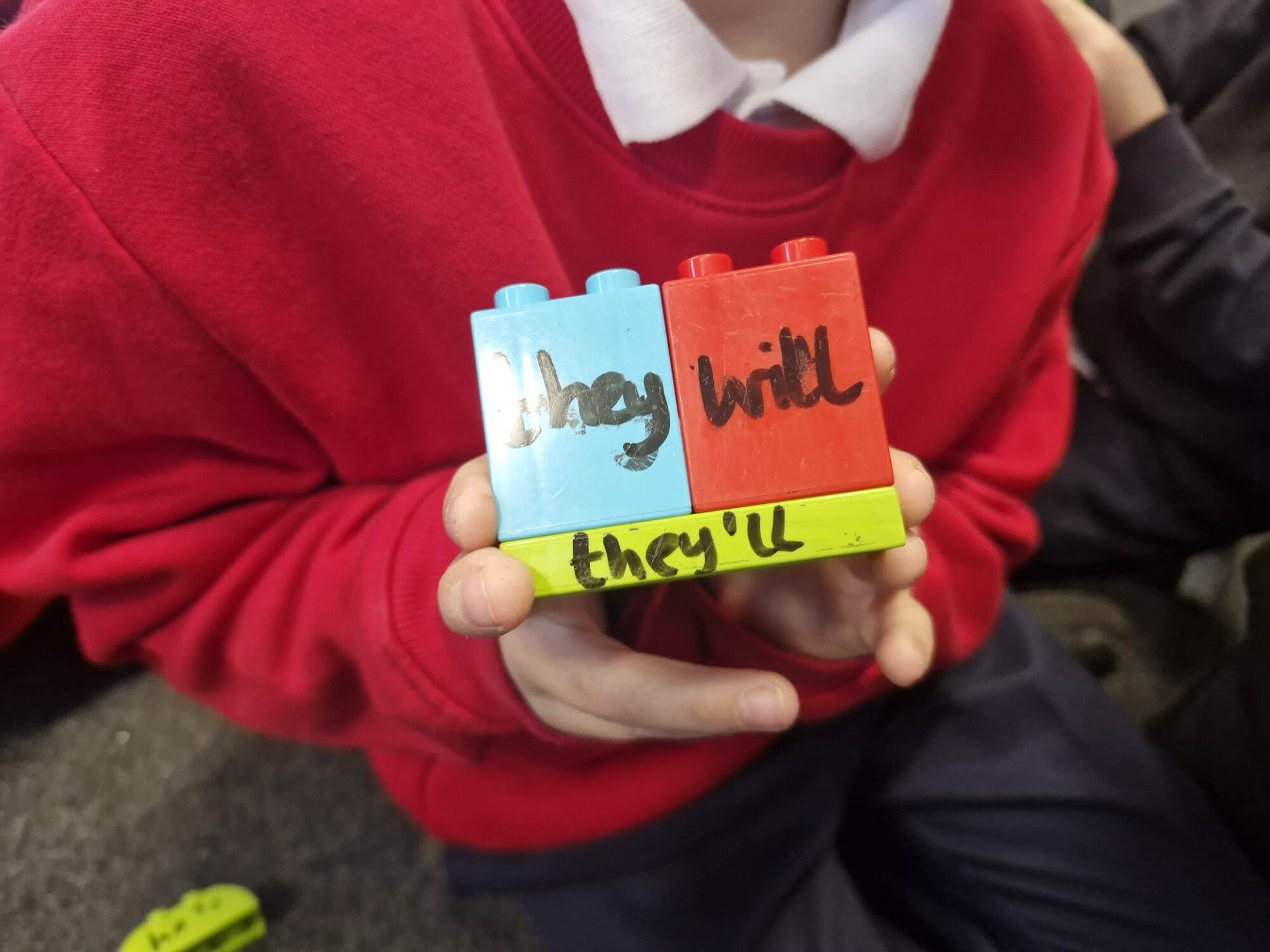
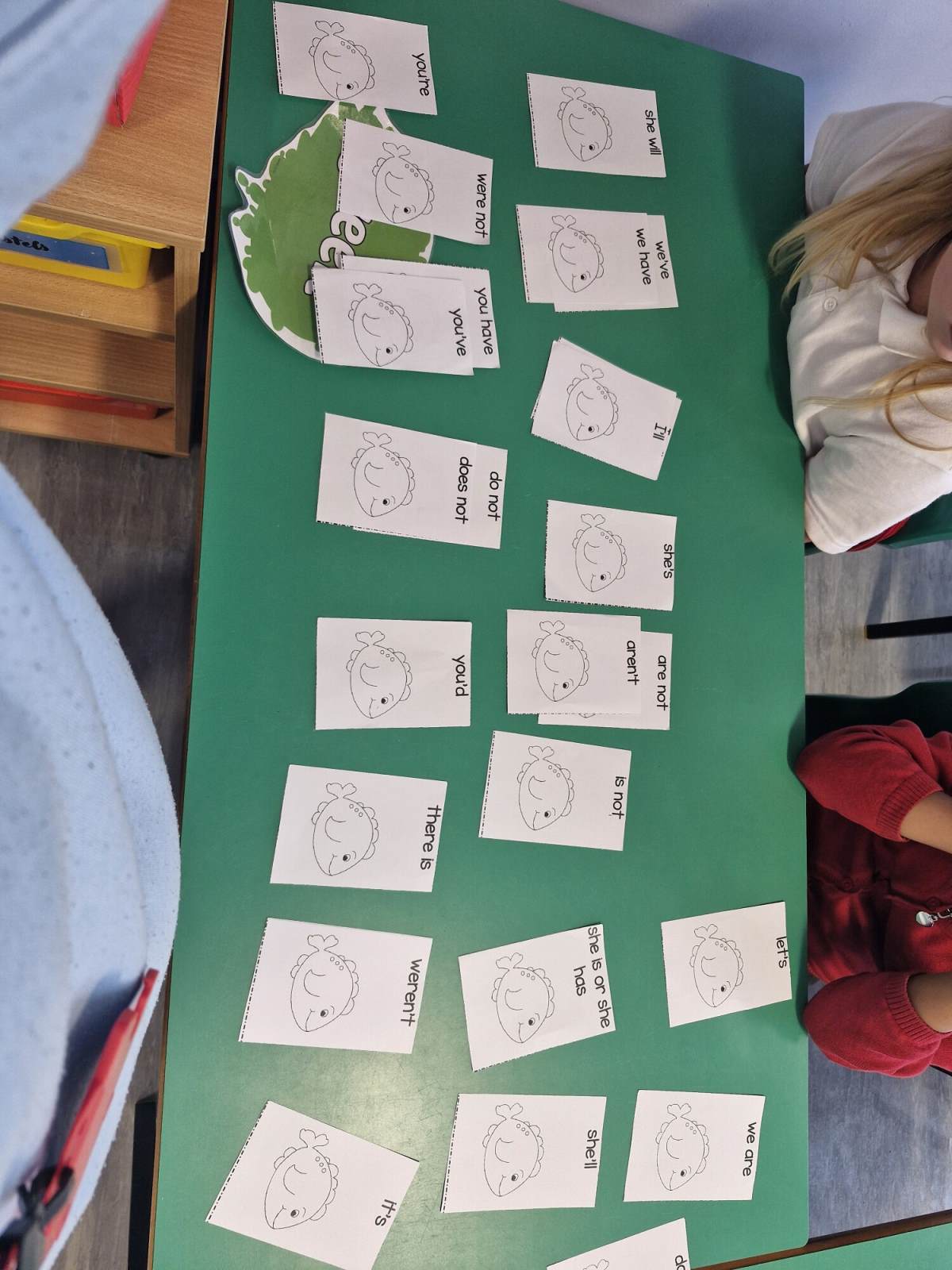
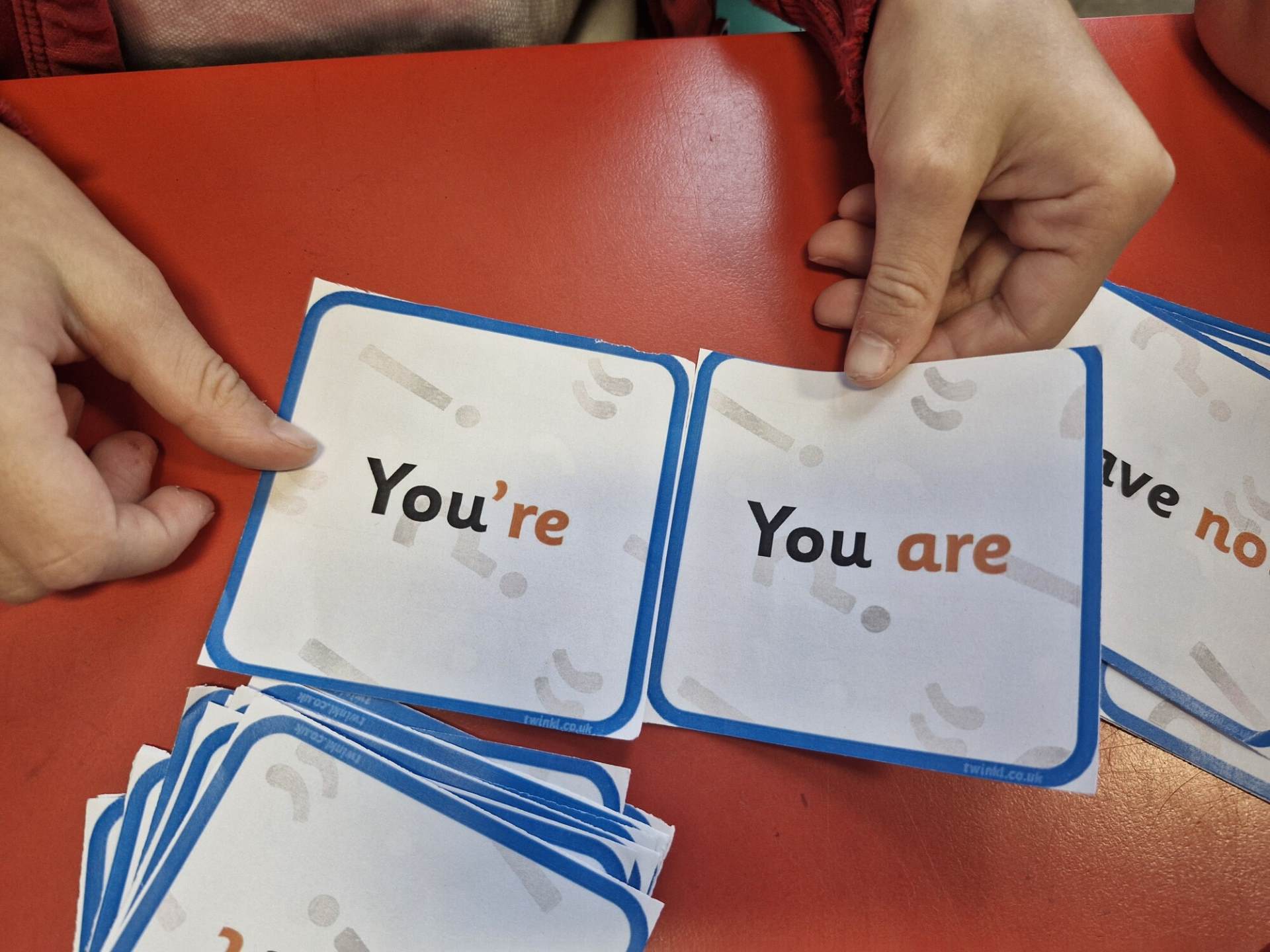
In Early Years and KS1, spelling is embedded within phonics lessons, as well as taught discretely in three Spelling & Handwriting lessons per week. Additionally, the children learn spelling patterns and rules through high quality texts during their English lessons. In KS2 we have introduced 'Spelling Pathways’ where the children are taught different spelling patterns and rules weekly. These are modelled through common words related to each spelling pattern, with the children then having to apply the spelling rules to known words. These words are sent home as homework each week. The following Friday, we practise the week's words in a collaborative spelling quiz in small groups. Common exception words are also identified and explored.
-
Y1 Overview Pathways to Spell
download_for_offline
download_for_offlineY1 Overview Pathways to Spell
- Y2 Overview Pathways to Spell download_for_offline
download_for_offlineY2 Overview Pathways to Spell
- Y3 Overview Pathways to Spell download_for_offline
download_for_offlineY3 Overview Pathways to Spell
- Y4 Overview Pathways to Spell download_for_offline
download_for_offlineY4 Overview Pathways to Spell
- Y5 Overview Pathways to Spell download_for_offline
download_for_offlineY5 Overview Pathways to Spell
- Y6 Overview Pathways to Spell download_for_offline
download_for_offlineY6 Overview Pathways to Spell
Handwriting
Handwriting is taught three times each week, alongside the weekly spellings, for a period of 10 to 15 minutes. In Early Years and KS1, handwriting is taught alongside phonics, while in KS2 handwriting is embedded alongside word level work and spellings. We also use the Letter-join Handwriting Scheme: https://www.letterjoin.co.uk/
Letter Join at Home
Tablet log-in
User name: bessemer
Swipe code: A capital 'L' shape starting at top left.PC log-in
User name: bessemer
Account Password: grangeThe Gem Federation Phonics Scheme
Introduction to Phonics at Bessemer
Learning to read is one of the most important skills your child will develop in their early years. At Bessemer we use a high-quality, structured phonics program to give children the tools they need to become confident, fluent readers.
-
Gem Federation Phonics Scheme order of sounds
download_for_offline
download_for_offlineGem Federation Phonics Scheme order of sounds
- Reading Strategies order across the school download_for_offline
download_for_offlineReading Strategies order across the school
- Reading strategy posters EYFS-KS1 download_for_offline
download_for_offlineReading strategy posters EYFS-KS1
- Vipers Posters download_for_offline
download_for_offlineVipers Posters
What is Phonics?
Phonics teaches children to link the sounds (phonemes) in spoken language to the letters (graphemes) that represent them in written language. This helps children to decode (read) new words and develop early spelling skills.
For example, the word “cat” can be broken into three sounds: c – a – t. By learning to blend these sounds together, children can read unfamiliar words and begin to write independently.
Phonics Across the Year Groups
Nursery
In Nursery, children are introduced to the foundations of phonics through playful, language-rich activities. These focus on developing listening skills, sound awareness, rhythm, rhyme, and oral blending — all essential building blocks for early reading.
How You Can Help at Home
Supporting your child’s early reading development at home can make a big difference — and it can be fun too! Here are some simple ways to build your child’s listening and sound awareness skills through everyday activities:
- Sing nursery rhymes and action songs – This helps children hear and play with different sounds, rhythms, and patterns in language.
- Add sound effects to stories – Using voices, animal sounds, or environmental noises when reading together helps children learn to distinguish between different vocal and environmental sounds.
- Practise ‘sound talk’ during daily routines – This helps build your child’s phonological awareness (the ability to hear and break down sounds in words).
Start by modelling ‘sound talk’ yourself. Your child can simply listen at first, and over time, they may begin to join in. For example:
“Shall we go to the sh-o-p — shop?”
“I spy a c-u-p — cup!”
“Where’s your other s-o-ck — sock?”
“It’s time to brush your t-ee-th — teeth!”
These small, playful interactions build the foundations for confident reading and writing later on.
Reception
Reception children begin Phase 2 and Phase 3 phonics, where they learn the first sets of letter-sound correspondences and begin blending these sounds to read simple words and sentences. Each sound is taught alongside an engaging action to help children remember it.
We also use fun strategies such as:
Eagle Eyes – encouraging children to spot tricky words or phonemes (sounds)
Duck Hands – to eat the sounds in words and to blend together
Rocky Robot – helping children reread sentences for fluency and understandingYear 1
In Year 1, children continue to build on their phonics knowledge through Phase 4 and Phase 5, where they learn more complex sounds and alternative spellings (e.g. ai, ay, a-e). They use these skills to read and write longer words and sentences with increased confidence.
This year also includes preparation for the Year 1 Phonics Screening Check, a national assessment designed to check each child’s ability to decode and blend words using phonics.
Year 2: Moving from Phonics to Spelling
In Year 2, children begin to transition from phonics into spelling through the Pathways to Spelling programme, which focuses on understanding spelling rules, patterns, and word structure.
- Children begin daily Pathways to Spelling lessons. This structured programme helps them extend their phonics knowledge into more sophisticated spelling.
- Children needing additional support follow Spelling Pathways, but alongside this, they receive a daily intervention focused on reading fluency and closing any gaps in their phonic knowledge.
- Children who still need more time with their phonics take part in small-group phonics interventions, tailored to the specific sounds and skills they need to secure.
This approach ensures that all children are supported appropriately—whether they're ready to advance with spelling or still strengthening their phonics foundation.
Supporting Reading at Home
We believe that reading success is built on a strong partnership between school and home. You can support your child by:- Practising letter sounds and Common Exception Words at the front of your child's phonically levelled book
- Listening to your child read aloud daily to help build confidence and fluency
- Sharing a range of stories and discussing them together, encouraging a love of reading and deeper understanding
To learn more about our phonics approach, explore these videos:
If you have any questions about phonics, spelling, or how to support your child’s reading at home, please speak to your child’s class teacher.
Phonics Resources
-
Beginning-Phase-2-satpin-sound-mat-lowecase-with-border-1
download_for_offline
↑
download_for_offlineBeginning-Phase-2-satpin-sound-mat-lowecase-with-border-1
- Mixed-Sound-Mat-2 download_for_offline
download_for_offlineMixed-Sound-Mat-2
- Phase-2-and-3-sound-mat-capital-and-lower-case-with-border-1 download_for_offline
download_for_offlinePhase-2-and-3-sound-mat-capital-and-lower-case-with-border-1
- Phase-3-and-5-sound-mat-with-border-1 download_for_offline
download_for_offlinePhase-3-and-5-sound-mat-with-border-1
- Tricky-word-mats-All-phases download_for_offline
download_for_offlineTricky-word-mats-All-phases
- Mixed-Sound-Mat-2 download_for_offline
- Reading Strategies order across the school download_for_offline
- Y2 Overview Pathways to Spell download_for_offline
- Year 1 English Gemfed 26-27 download_for_offline
- Reading Progression Map download_for_offline