DT
Design Technology is a separate area of learning with cross-curricular link to a broad range of subjects. The DT curriculum encompasses a 2-3 day project- undertaken by each year group as well as Topic - Art and Design lessons which contain integrated elements of DT throughout the year.
-
DT Progression of Skills
download_for_offline
download_for_offlineDT Progression of Skills
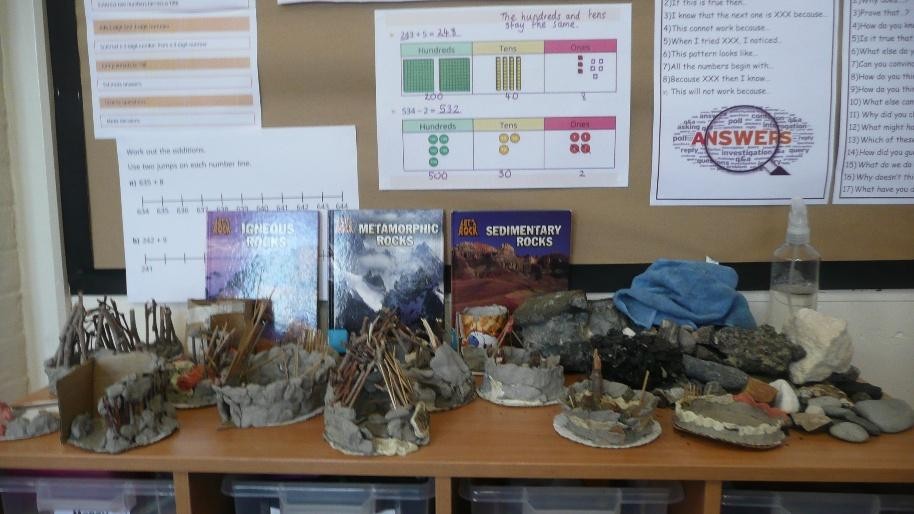
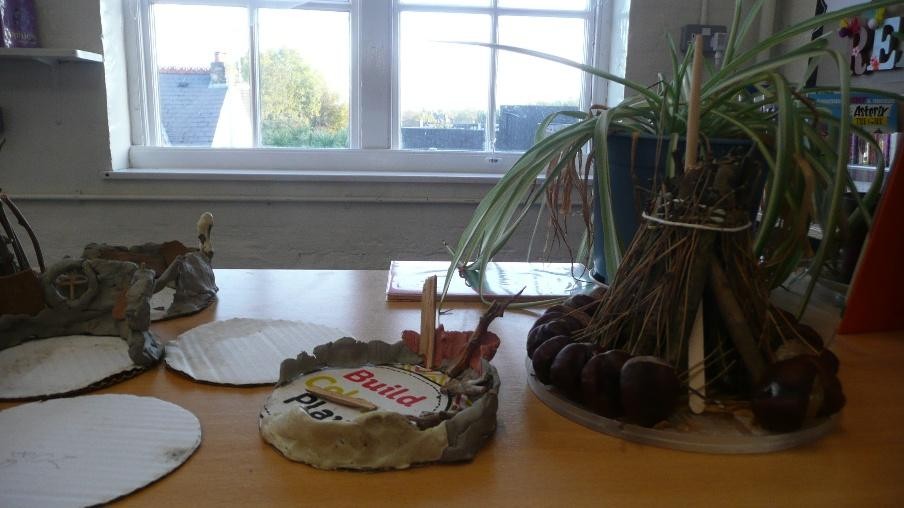
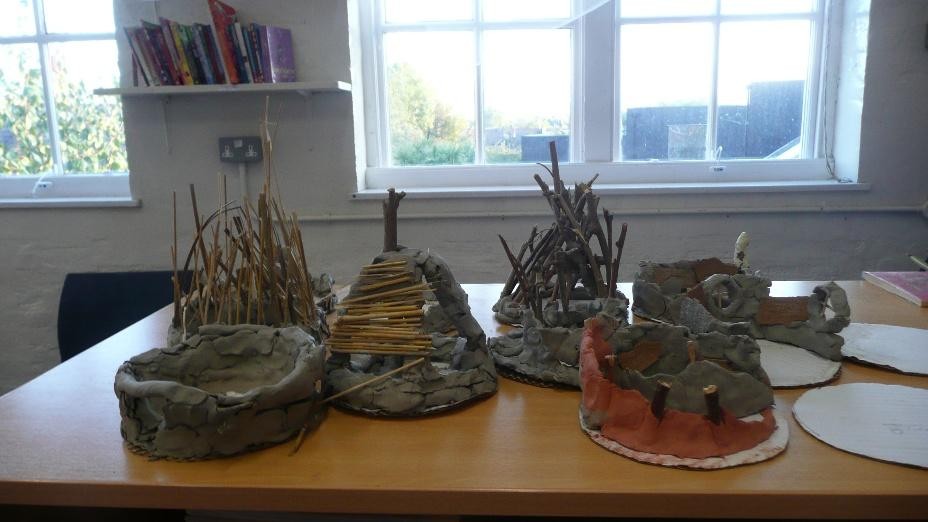
Every half term, each class has a series of history or geography related DT lessons, in which the form, function, and materials of existing products is considered and methods to ensure joins, movements, and stability are taught. Here are some examples of our work.
Learning Across the Year Groups
Early Years
Children in Early Years also begin developing early DT skills. They are introduced to simple tools and safe handling techniques, using scissors, tape, treasury tags, elastic bands, and split pins to connect materials. They explore junk modelling, construction resources, and loose parts to create imaginative structures. Through play-based activities, they learn how different materials can be joined, strengthened, or adapted to achieve a purpose. These experiences encourage problem solving, creativity, and the ability to plan, test, and improve their ideas, laying the foundations for more structured DT learning in Key Stage 1.
Year 1
In Year 1, pupils learn to design purposeful, functional, and appealing products based on simple criteria. They generate and share their ideas through drawing, talking, and modelling, and begin to use templates and mock-ups to support their designs. Children select and use a variety of tools and materials to cut, shape, and join, creating simple structures and textile pieces. They are encouraged to evaluate their products, discussing what they like, what could be improved, and how well their work meets the design criteria. These early DT experiences introduce pupils to the processes of designing, making, and evaluating with increasing independence.
Year 2
Year 2 pupils expand their DT knowledge by designing purposeful and appealing products for themselves and others. They explore existing products to inspire their ideas and communicate designs through drawings, mock-ups, and templates, sometimes using ICT. Children learn how to adapt their ideas when mechanisms or materials don’t work as intended, testing and improving their outcomes. They develop practical skills such as joining, cutting, and shaping, and explore nutrition, mechanisms, and textiles including stitching and appliqué. Pupils evaluate their work more thoughtfully, identifying strengths, weaknesses, and possible improvements. By the end of Key Stage 1, they can design, make, and evaluate with growing confidence, applying key technical knowledge across projects.
Year 3
Year 3 pupils develop greater independence in DT, researching ideas and using design criteria to plan purposeful products. They learn how to strengthen and reinforce structures, exploring mechanisms such as levers, pulleys, and cams. Clay and model-making projects give them opportunities to practise joining and shaping with accuracy, while a 3-day project on Egyptian shadufs introduces design engineering principles. Pupils are encouraged to test and evaluate their designs against criteria, adapting their work where needed and beginning to think critically about functionality and effectiveness.
Year 4
DT in Year 4 encourages children to design and make more complex models, using research to inform their criteria. They explore structures and mechanisms in greater depth, creating moving elements such as trap doors or rotating parts in their Roman amphitheatre project. Pupils also gain practical experience of food technology, learning about healthy eating, seasonality, and preparing savoury dishes. Clay, wood, Modroc, and other materials are used to plan and build models, with increasing independence in joining and strengthening techniques. Evaluation becomes more analytical, with children considering both function and user experience in their designs.
Year 5
In Year 5, pupils take on more ambitious projects that require problem-solving and creativity. They design and make products inspired by history and culture, including Roman shields, Viking longboats, and Mexican Day of the Dead models. Technical knowledge deepens through projects involving clay, Modroc, and electrical circuits, including coding with Crumble Kits to create movement or light. Pupils are encouraged to strengthen and reinforce more complex structures, select from a wider range of materials, and evaluate their work against clear design criteria. Their projects combine imagination with technical precision, preparing them for the challenges of Year 6.
DT Projects
Following the success of topic related 3-day DT projects in Upper Key Stage 2, this year we intend to introduce this across both key stages. The extended DT projects give the children an opportunity to respond to a design brief, in which form, function and sustainability is considered, through team problem solving in a series of practical making sessions. Children are required to evaluate both their work and other's designs or products, and refer back to their original designs once their work is complete. They reflect upon what they have learn and what they would change to improve in the future.