Computing
Developing children's understanding of how technology works, why we use it and the different ways we can use it, is central to our computing curriculum at Goodrich. We teach children to have the understanding of the science behind the technological devices we have become accustomed to using in our every day lives, during lessons about systems, networks and programming.
-
Computing Curriculum Map
download_for_offline
↑
download_for_offlineComputing Curriculum Map
- Computing Progression of Skills KS1 download_for_offline
download_for_offlineComputing Progression of Skills KS1
- Computing Progression of Skills KS2 download_for_offline
download_for_offlineComputing Progression of Skills KS2
- Computing Vocabulary Progression Whole school download_for_offline
download_for_offlineComputing Vocabulary Progression Whole school
From reception, children have opportunities to develop computational thinking skills through their play and during structured activities in different contexts. These skills include: working collaboratively, tinkering, creating, sequencing and identifying patterns. Children begin to program Beebots and use apps which leads into their work in KS1 where they explore algorithms and the language of instructions in further detail, and begin using Scratch junior. As they progress through the school, children learn more about writing and debugging their own programs - learning to make predictions and problem solve. They learn to use a wider range of blocks in their programming, such as selection, repetition and creating variables. Our curriculum gives them opportunities to apply these skills using different apps and hardware (such as the BBC Micro:bit and Crumble kits), with a range of creative outcomes.
Through discrete computing lessons, as well as across the other subject areas (Music, Art & DT, History, Geography, Science, English and Maths), we teach children digital literacy and information technology.
Children have opportunities to use a range of applications and programs to carry out tasks such as: presenting data, publishing work, designing art pieces, recording animations and videos and making music. Children learn how to use the Internet safely and discuss how we can make choices about the ways we choose technology to enhance our lives and complete tasks effectively and efficiently. We believe it is essential for children to be equipped with these skills so they can be active participants in a society where technology is ever developing, adapting and becoming increasingly widely used.
Intent
At Goodrich we understand the significance that technology plays in all areas of our lives and will increasingly do so in our children’s futures. Therefore, we aim for our computing curriculum to enable our pupils to become confident, safe and responsible technology users, imaginative content creators and critical thinkers. We want them to understand the processes, systems and networks that underpin the technology they are using, while developing their computational thinking skills.
Our curriculum asks children to think critically about when and how we choose to use technology. In addition to teaching children the wide range of amazing, helpful and wonderful things we can do with technology, we ask them to consider the safety and legal aspects of content creation and sharing, and how we can use our time most effectively and meaningfully.
Computing is an integral part to a child’s education and everyday life. Therefore, we intend to support our pupils to access and understand the core principles of this subject through engaging discrete computing teaching and cross-curricular opportunities.
Implementation
Our scheme of work for Computing is adapted from the ‘Teach Computing’ Curriculum, and covers all aspects of the National Curriculum. This scheme was chosen as it has been created by subject experts and based on the latest pedagogical research. The spiral nature of the curriculum allows for children to revisit areas of learning each year, building on their previous understanding, allowing them to embed the subject specific knowledge and practise the key skills in fun, engaging and challenging ways. The curriculum covers the three core areas of learning in Computing: Computer Science, Digital Literacy and Information Technology.
- Computer Science: Beginning in EYFS, children begin to explore the concepts of Computer Science in a play-based way, through using language to give clear instructions, programming Beebots and exploring apps like ‘Daisy Dino’. As children move through the school, new concepts are introduced, building on the previous years’ skills and knowledge. They use programming software such as Scratch and Logo and Micro:bit kits to develop computational thinking skills. Children learn to use more complex commands such as repetition, selection and the use of variables, and develop their logical reasoning and problem-solving skills when identifying whether given commands will work effectively.
- Information Technology: During computing lessons children learn how to use different software to create and modify digital content (E.g. photographs, sound files and videos, animations, presentations, word processing and data handling). During lessons in other subject areas, children apply and practise these skills, working imaginatively and creatively to produce work and develop their ideas. Children evaluate the effectiveness of the programs for completing certain tasks, consider which programs may be best to achieve a certain outcomes and when technology can be used a complete a task more efficiently and effectively.
- Digital literacy: Throughout their time at Bessemer, children have opportunities to use a variety of technological devices such as: laptops, iPads, digital cameras and data loggers. Lessons cover understanding how we use technology – both in school and the wider world – and how devices can be connected by networks, such as the Internet. Online safety is embedded throughout our computing curriculum, as well being taught discreetly during PSHE lessons. We also participate in ‘Internet Safety Week’ in which each class is provided with age appropriate texts and tasks. As a school we also use Google Apps for education.
Through formative assessment opportunities within lessons, teachers are able to identify and target support where appropriate and provide challenge where needed to ensure all learners are able to achieve in line with their abilities. Our schemes of work remain flexible and children share their thoughts on their ‘computing learning journeys’ to help enable sessions to be adapted to their interests and needs. In order to achieve the outlined intentions, the Computing curriculum is continuously reviewed through monitoring and evaluation by the Subject Leader and Senior Leadership Team.
Staff are provided with selected devices which they can explore within their classrooms and feedback from LA subject lead meetings is shared to ensure that we are using relevant and up-to date technologies. Specific vocabulary for each year group is outlined in the curriculum map and this is regularly modelled by teachers within their lessons. Staff are encouraged to share any gaps in their knowledge and skill sets to inform appropriate and individualised training/CPD.
Impact
Within Computing we encourage a creative and collaborative environment in which pupils can learn to express and challenge themselves. The success of the curriculum itself will be assessed via the analysis of yearly progress data, conducting regular pupil voice sessions, lesson observations and skills audits. This will then inform future adaptions of the schemes of work and help to ensure that progression is evident throughout school.
In order to demonstrate that we have accomplished our aims, pupils at Goodrich Primary School should:
- Be enthusiastic and confident in their approach towards Computing.
- Present as competent and adaptable ‘Computational Thinkers’ who can use logical reasoning and problem solving skills, identify and address problems in systems, networks and programs, showing resilience
- Create and evaluate their own project work
- Have a secure understanding of the positive applications and specific risks associated with a broad range of digital technology.
- Transition to secondary school with a keen interest in the continued learning of this subject
Learning Across the Year Groups
Year 1
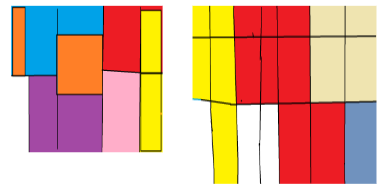
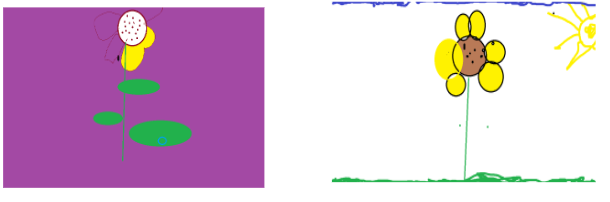
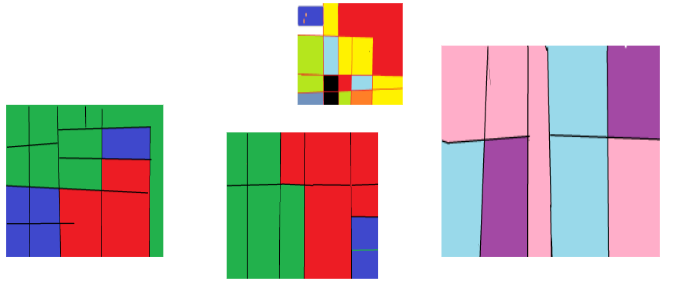
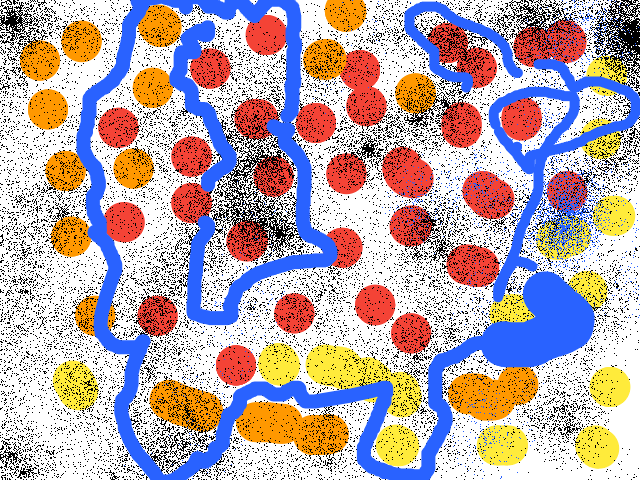
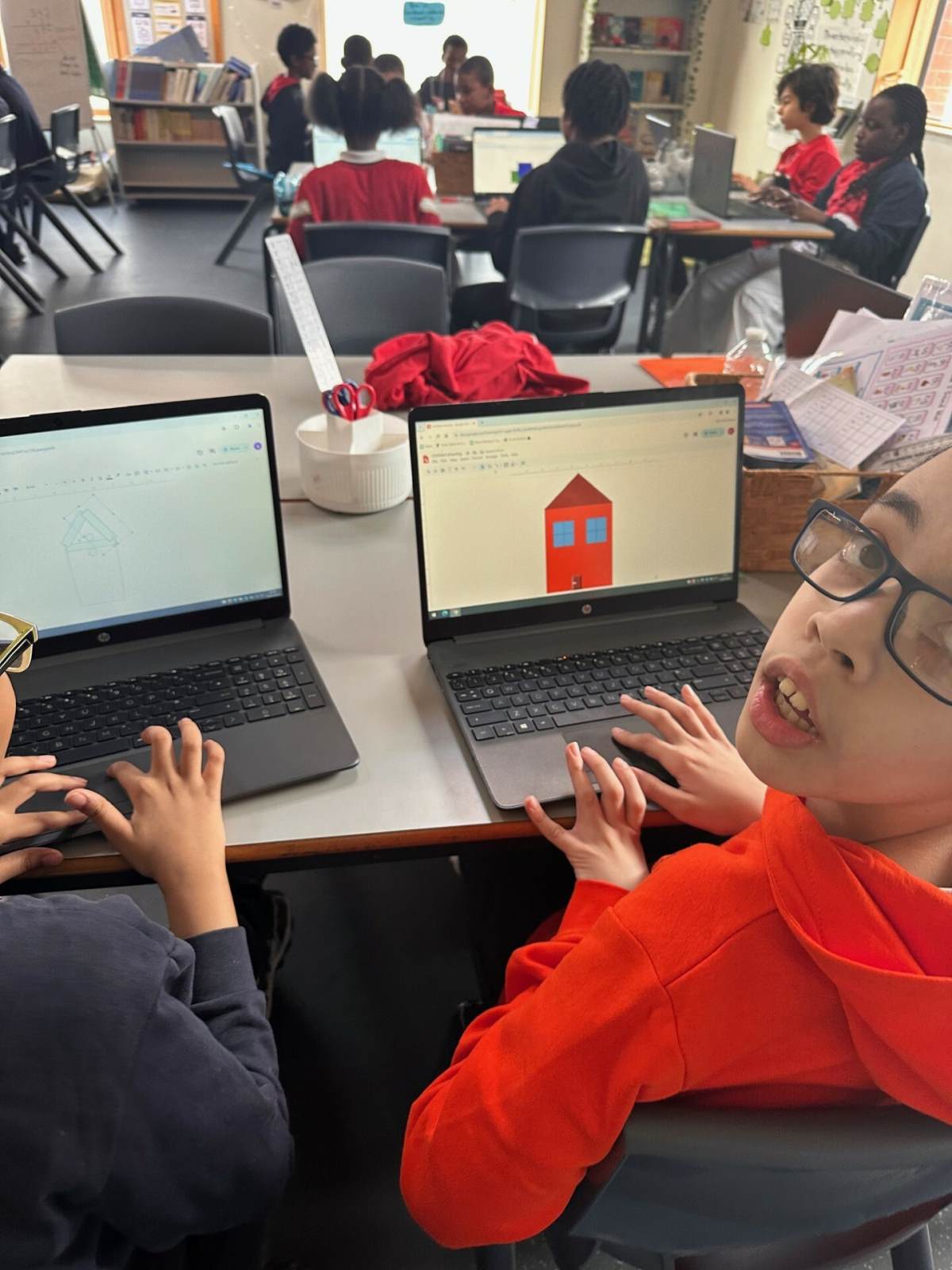
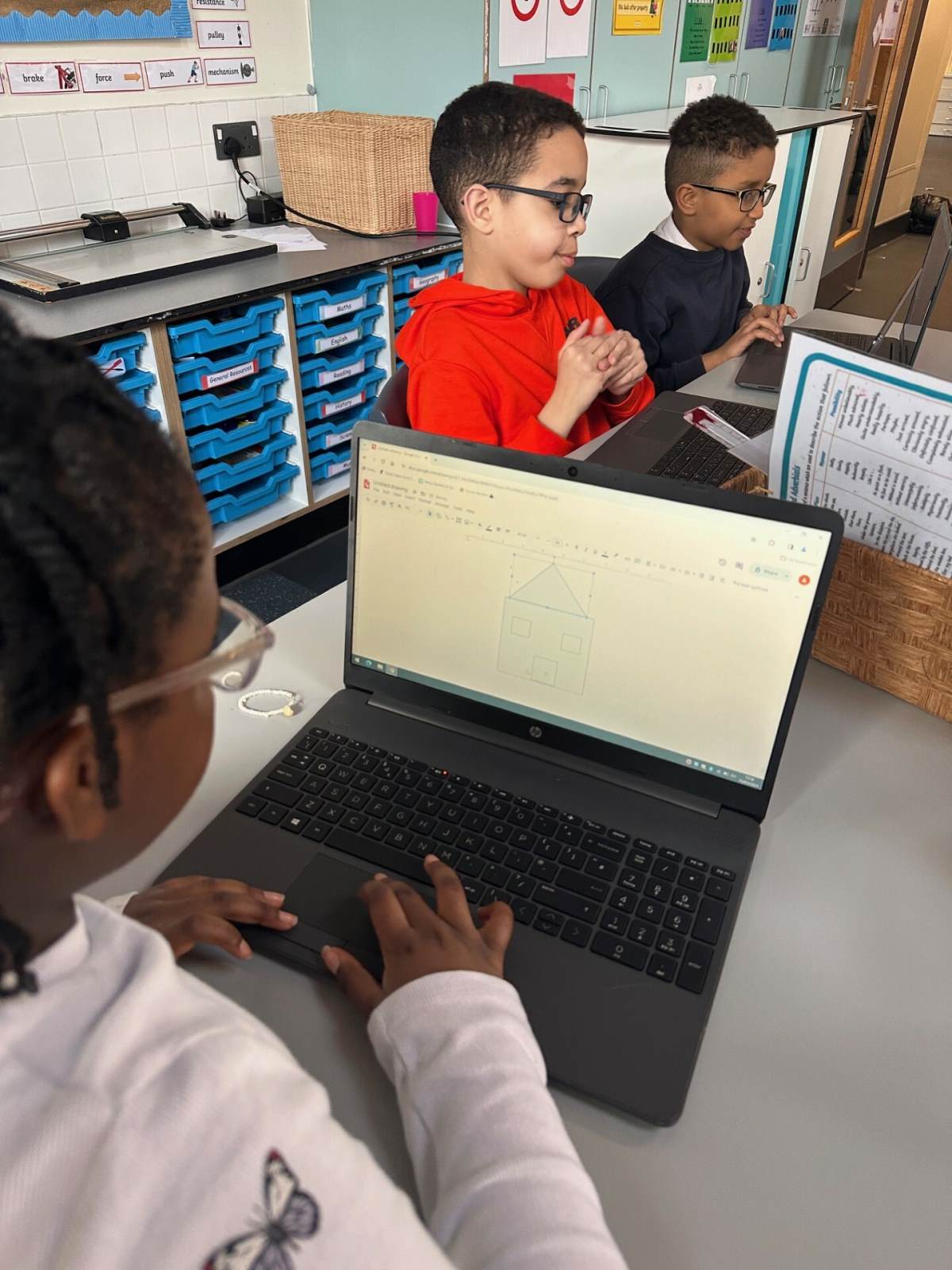
Children have learnt about the different types of technology around us. They have started to develop their mouse and keyboard skills and the programme Paint 3D to apply their skills. In the Spring Term, the year 1 children have been creating digital paintings and taken inspiration from artists like Piet Mondrian and Wassily Kandinsky. They have used different tools on Paint3D to recreate famous artworks and improve their computer skills.
Year 2
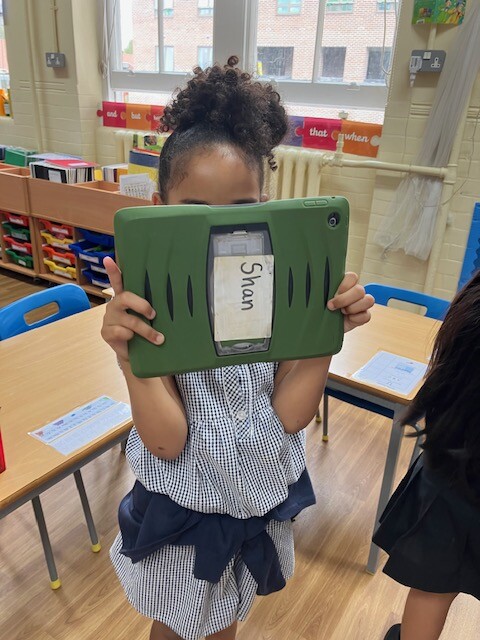
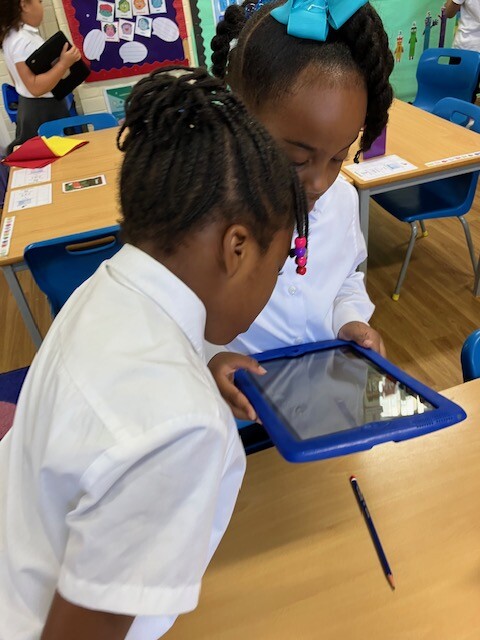
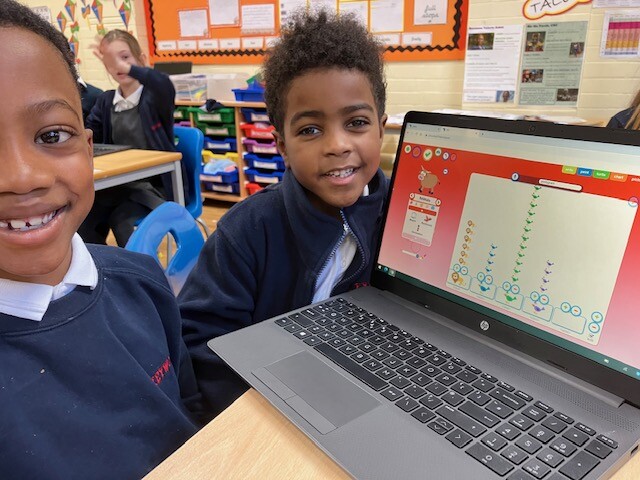
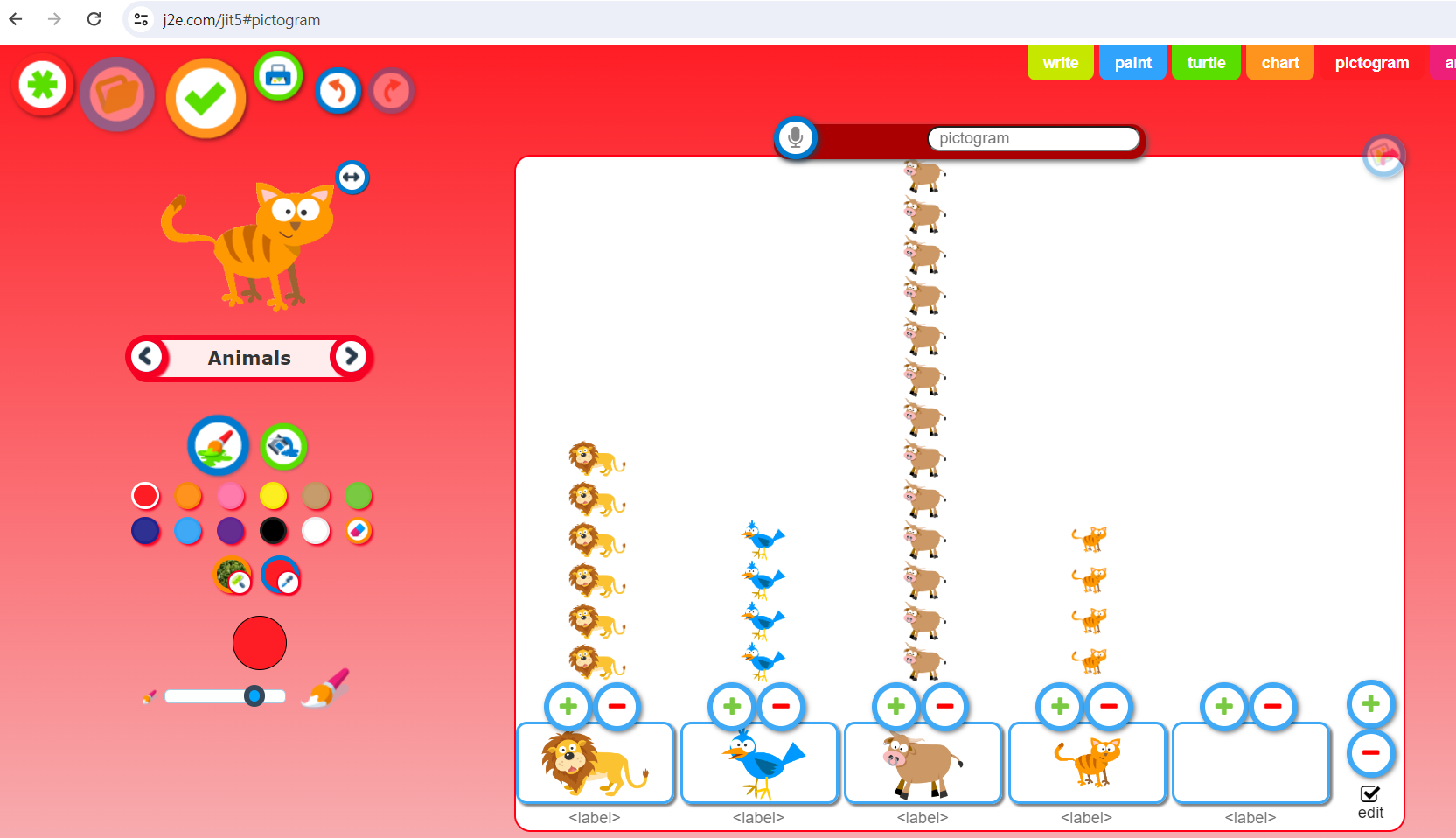
This year, the children began by learning about digital photography. They used cameras and tablets to take photos, discussed when to use portrait or landscape, and identified what makes a good photograph (e.g. lighting, focus, framing and effects). Since then, they have learnt how to gather and present data using pictograms. They devised their own questions to put to the class, gathered data in tally charts, and then used the programme J2Easy to create their own pictograms. More recently, year 2s have been learning about digital music. They have listened to and reviewed famous pieces of music, focusing on elements such as tone, rhythm and tempo. They eventually went on to create their own piece of music using Chrome Music Lab.
/i/video/IMG_3252.mov
/i/video/IMG_3253.mov
Year 3
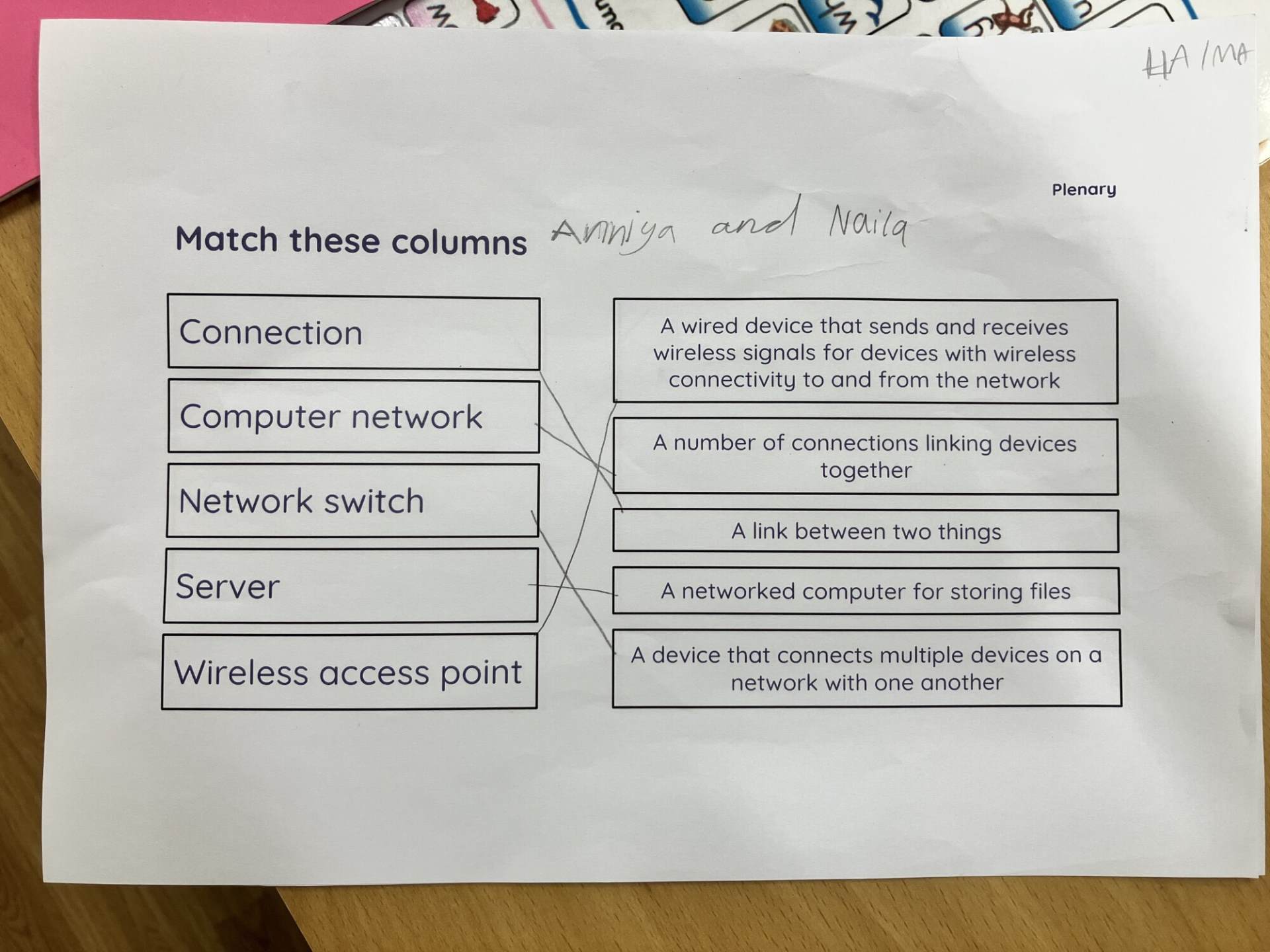
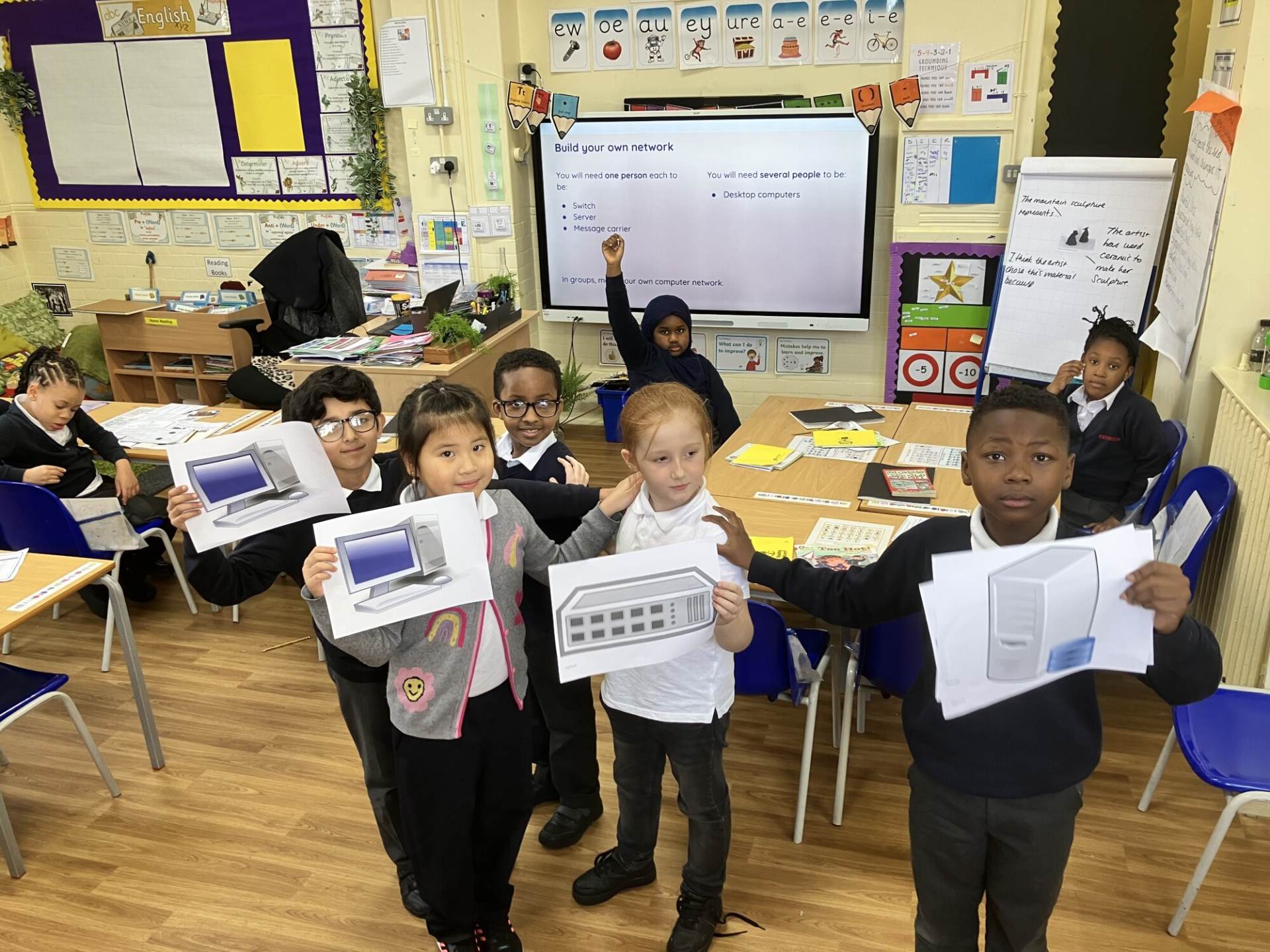
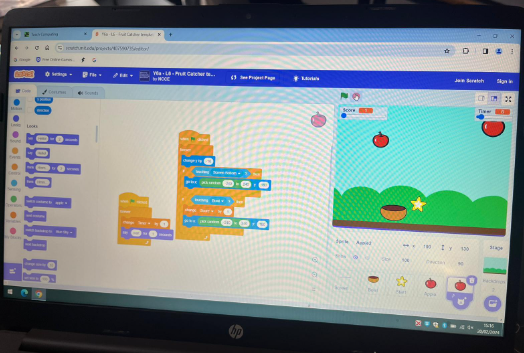
At the start of the year, year 3 children learnt about different digital devices and how a computers work. They have discussed how computers connect people and how they can help us communicate. In the Spring Term, the children learnt were programming by inputting a sequence of commands in in Scratch. They had the opportunity to experiment with making their sprites move, using motion blocks, and then sequenced the motion blocks so the sprites carried out a sequence of actions. They later went on to create their own piano project using what they had learned about sequencing sounds, using motion and creating and editing the appearance of their sprites.
/i/video/HA.mp4
/i/video/HA-v2.mp4
Year 4
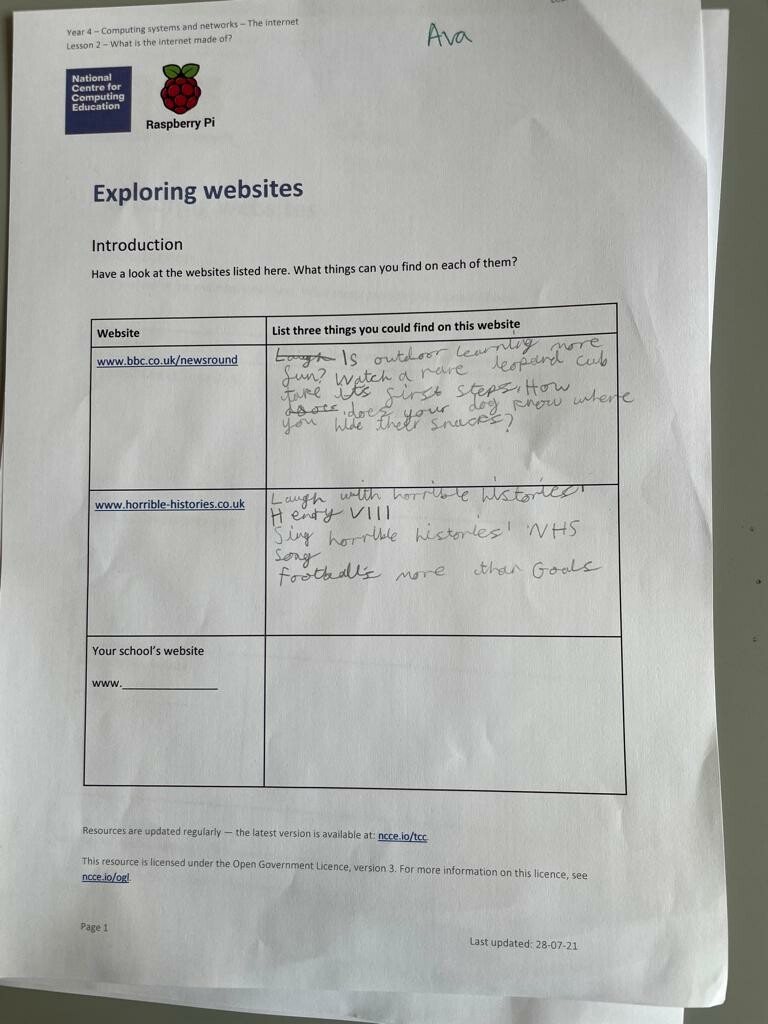
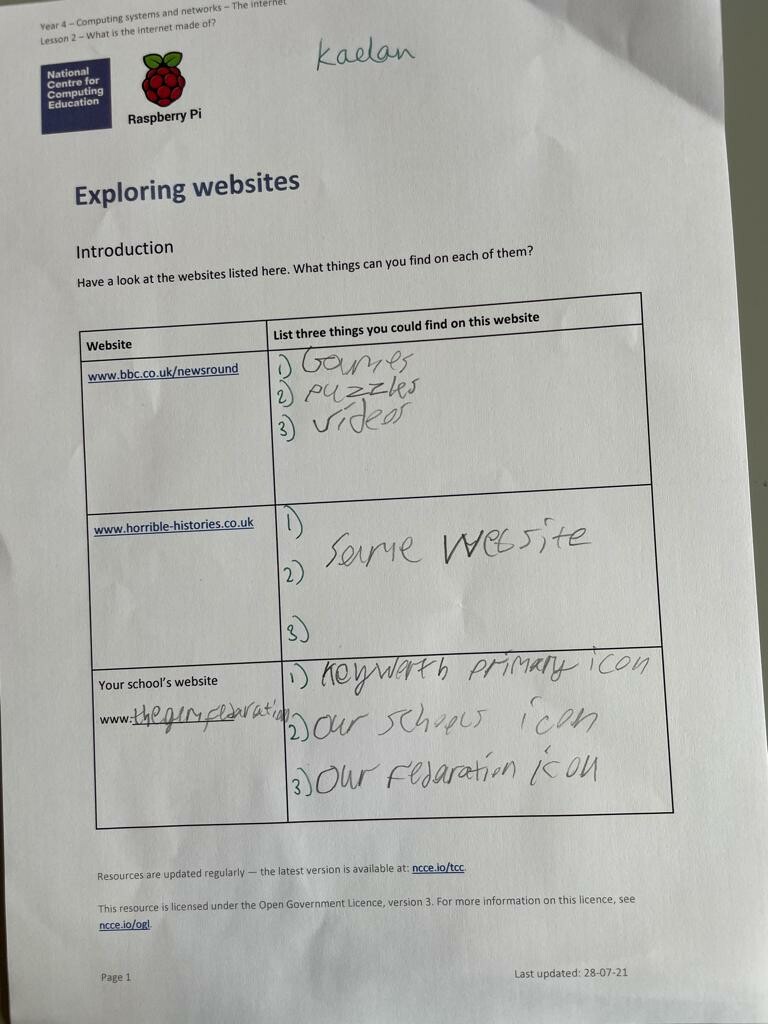
At the beginning of the year, the year 4s learnt about the internet, how information is shared, what a website is and if you should believe what you read online. They then went on to creating their own audio production. They learnt how sound can be digitally recorded, edited and combined to make an effective podcast. They evaluated their podcasts once they were complete. Most recently, the children have been creating a program that uses count-controlled loops to produce a given outcome. To do this, they had to create a program in text-based language, modify a count-controlled loop to produce a given outcome and decompose a task into small steps. Here are some examples of the coding and algorithms they have created.
/i/video/Podcast-1.m4a
/i/video/Podcast-2.m4a
Year 5
At the start of the year, the children were learning about different computer systems and how to carry out searches on the web. They have been taught about how searches are ranked and influenced. More recently, they have been focusing on data and information. They used a real-life database to ask questions and find answers in the context of a flight search based on set parameters. We had fun taking on the role of a travel agent and presenting our findings, showing how we arrived at our chosen options.
Year 6
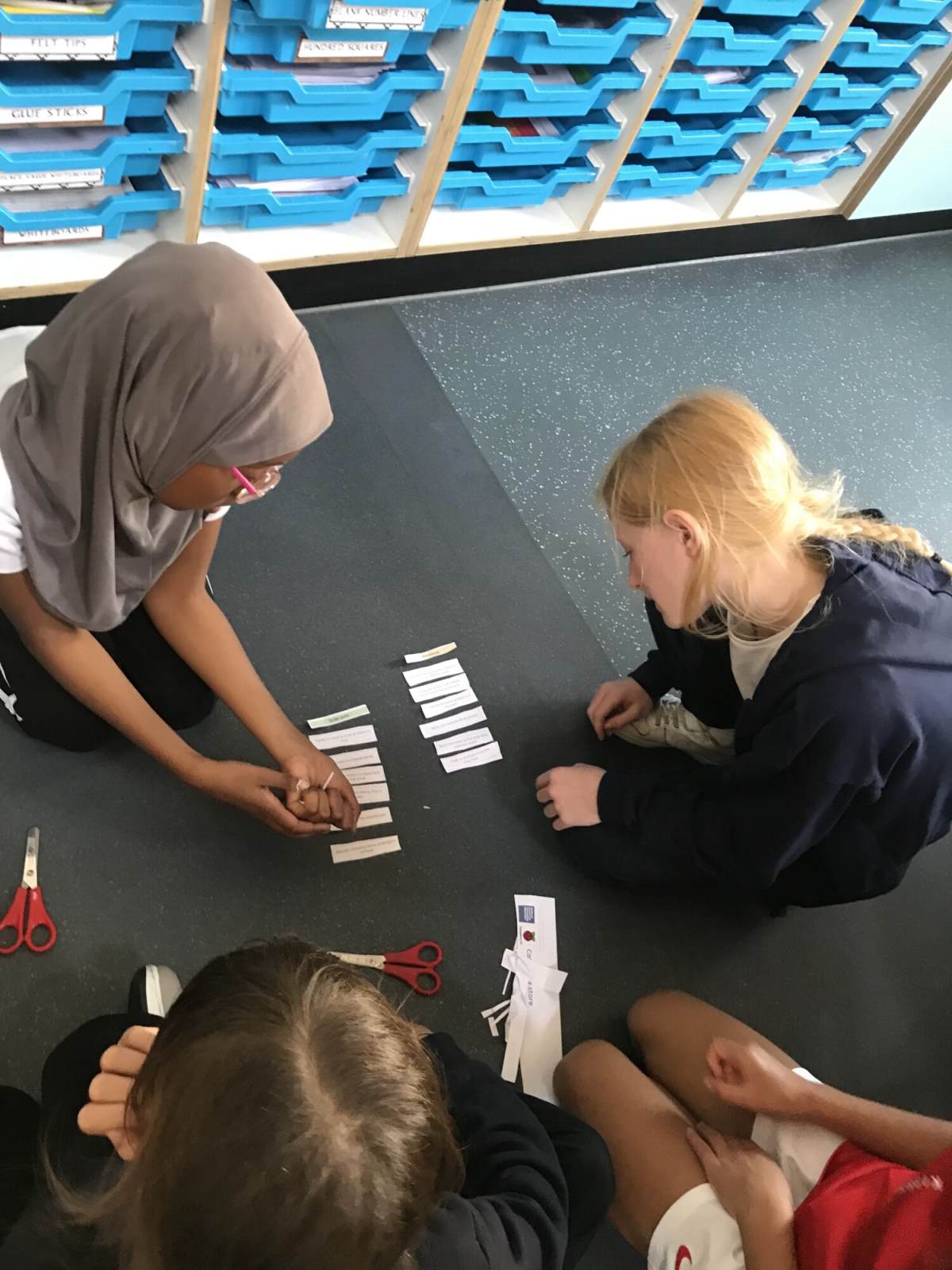
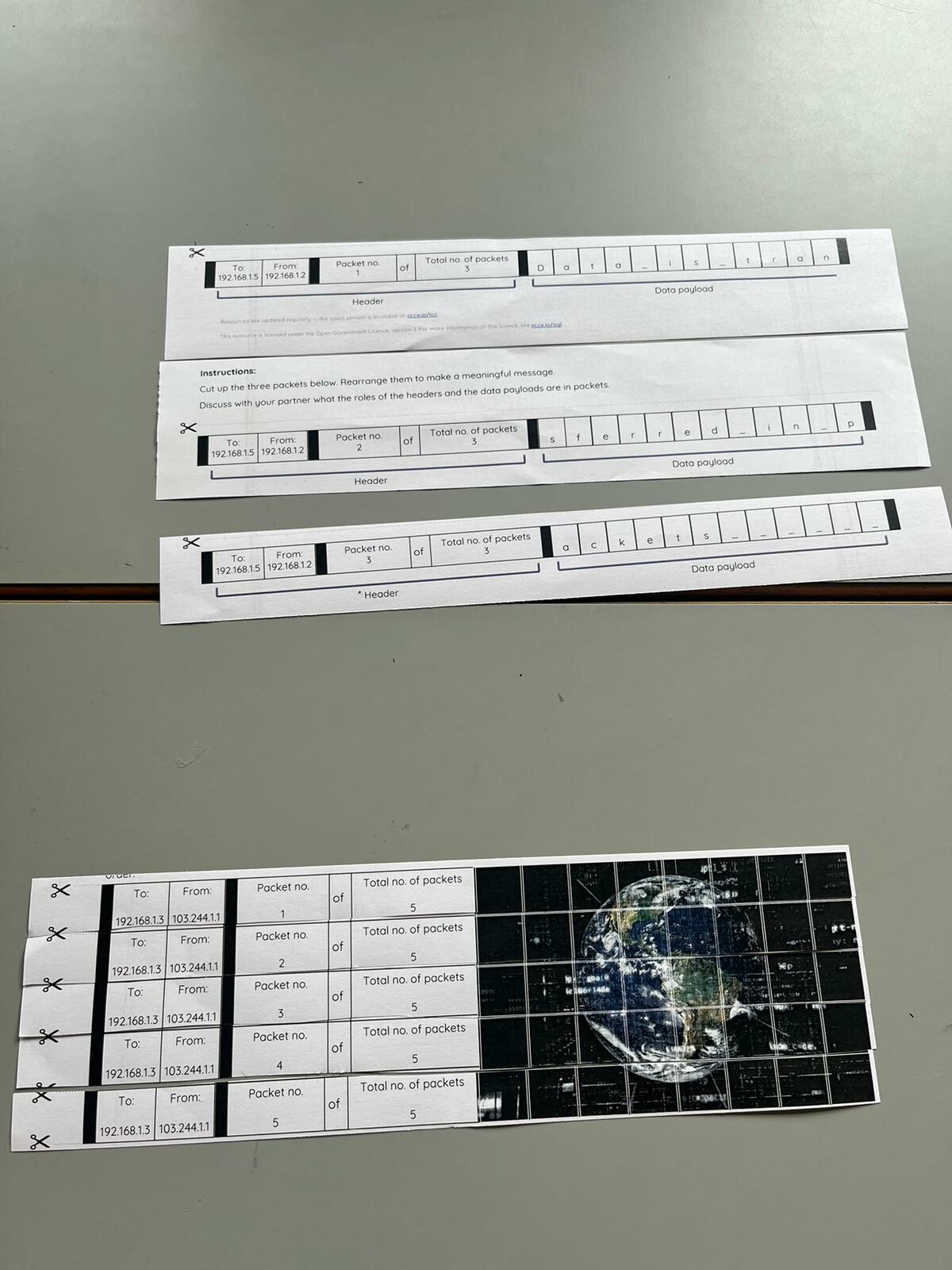
Year 6 children have been learning about Data Packets, using computers to work together, and how to communicate responsibly. This term, they have been learning to program using particular algorithms, and they understand a ‘variable’ as something that is changeable. They designed and created their own projects, changing particular variables and evaluating their work, identifying the features they liked and those they could improve.
- Computing Progression of Skills KS1 download_for_offline